- Home page
- Tourism
- Coming to Seville
- Practical advice
- Currency, means of payment
- Practical advice
- Coming to Seville
- Tourism
Currency, means of payment
Automatic translation
When planning a trip, one should also consider the budget. Traveling to Seville is relatively simple from a financial perspective. However, knowing the local specifics and average costs can help you better plan your budget.
What currency in Seville?
Spain is part of the Eurozone. The currency used in Seville is the euro (€), which greatly simplifies transactions for French travelers. You do not need to exchange money before your departure.
Credit cards are the most common and convenient payment method. Most hotels, restaurants, large shops, and supermarkets accept credit and debit cards (Visa, MasterCard). It's always worth checking if a store accepts cards before ordering, but most do.
Contactless payment is very common, making transactions quick and easy. For small expenses, such as a coffee in a traditional bar, a purchase at a market, or a tip, it's always a good idea to have cash. Many small tapas bars or craft shops don't always accept cards.
Withdrawing money from ATMs is easy. However, be aware of fees. Some French banks may charge fees for withdrawals made outside their network, even in the eurozone. It is recommended to check your bank's pricing conditions before leaving. Additionally, some Spanish ATMs, especially those of private banks, may charge you a fee for the withdrawal service. It is best to use ATMs of traditional Spanish banks (such as Santander, BBVA, CaixaBank) and to refuse the conversions offered by ATMs.
Tips and additional charges in restaurants
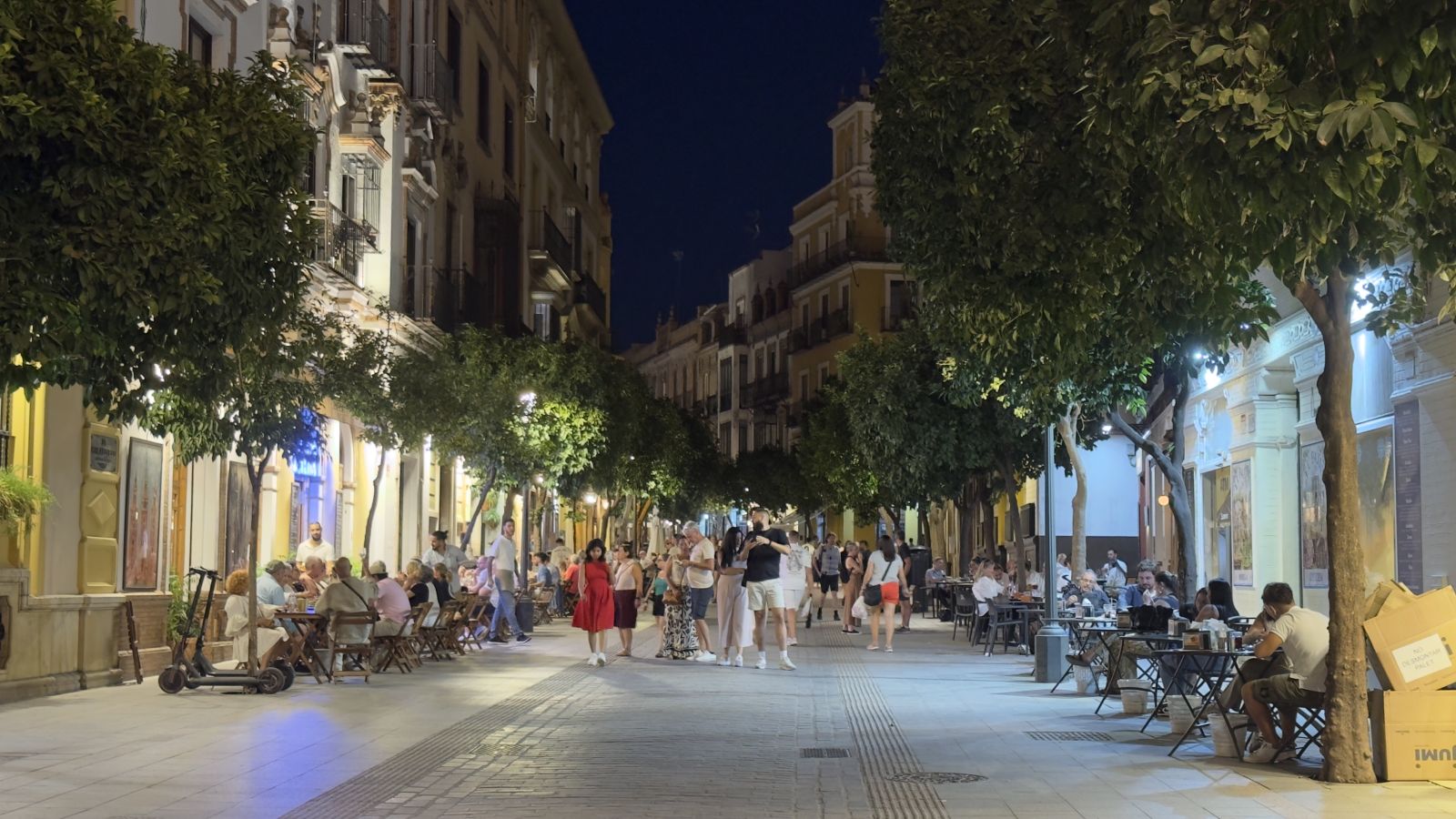
In Spain, and particularly in Seville, billing practices in bars and restaurants differ slightly from those in France. It's helpful to be aware of these little details to avoid unpleasant surprises on your bill.
- Unlike in other countries, tipping is not mandatory in Spain and is not included in the bill. However, it is customary to leave a small tip if you were satisfied with the service. Generally, this involves rounding up the amount or leaving a modest amount, often around 5 to 10% of the total bill for quality service.
- A very common practice in Seville is to charge a small surcharge if you sit on a terrace. This additional cost (usually modest, around 10 to 15% of the price of your drink or tapa) compensates for the space occupied and the outdoor service. This surcharge is often indicated on the menu by a small symbol or a footnote.
- Finally, let's talk about a major distinction with France. It is common for the bread ("pan") brought to your table to not be free. The same goes for bottled water and, in some cases, cutlery ("cubiertos") in more traditional establishments, although this is less common.
The cost of living in Seville
The cost of living in Seville is generally lower than in Paris or other major French cities. It's an affordable destination that allows you to fully enjoy the local delights without breaking the bank.
Accommodation
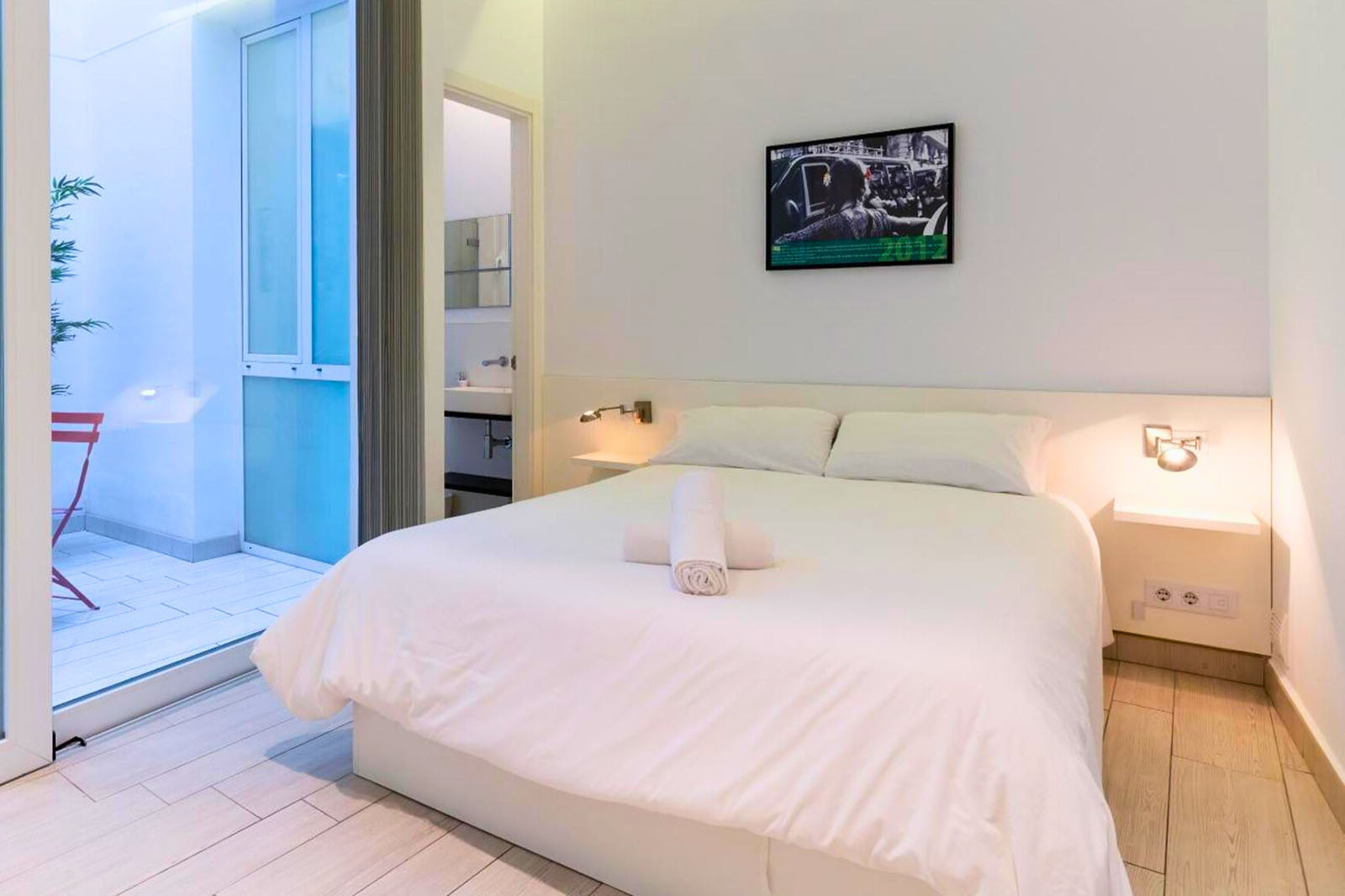
For accommodation, prices per night vary.
- Expect to pay between €15 and €30 per night in a hostel dormitory.
- If you prefer to stay in a mid-range hotel, expect to pay between €60 and €120 per night for a double room outside of peak periods.
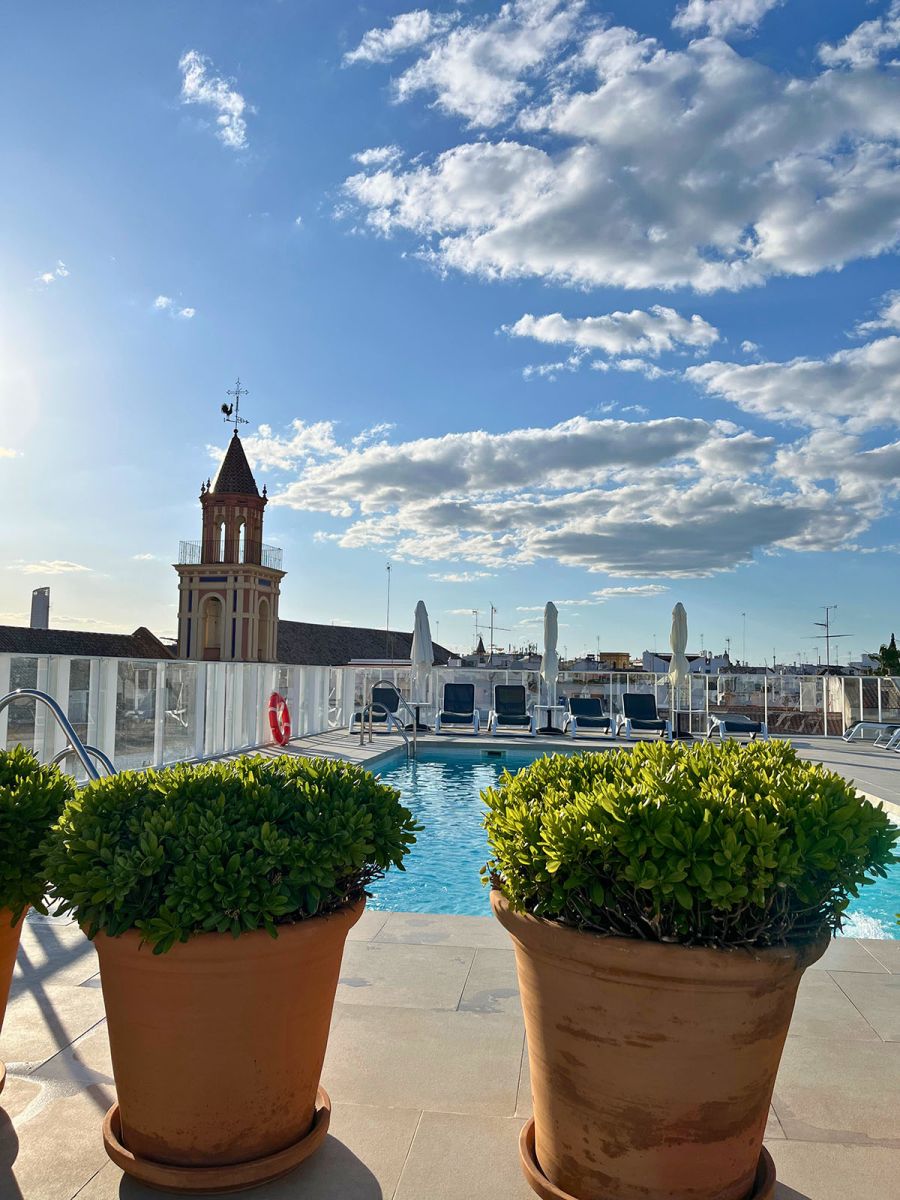
- Luxury accommodations are available from €150 per night.
Meals and gastronomy
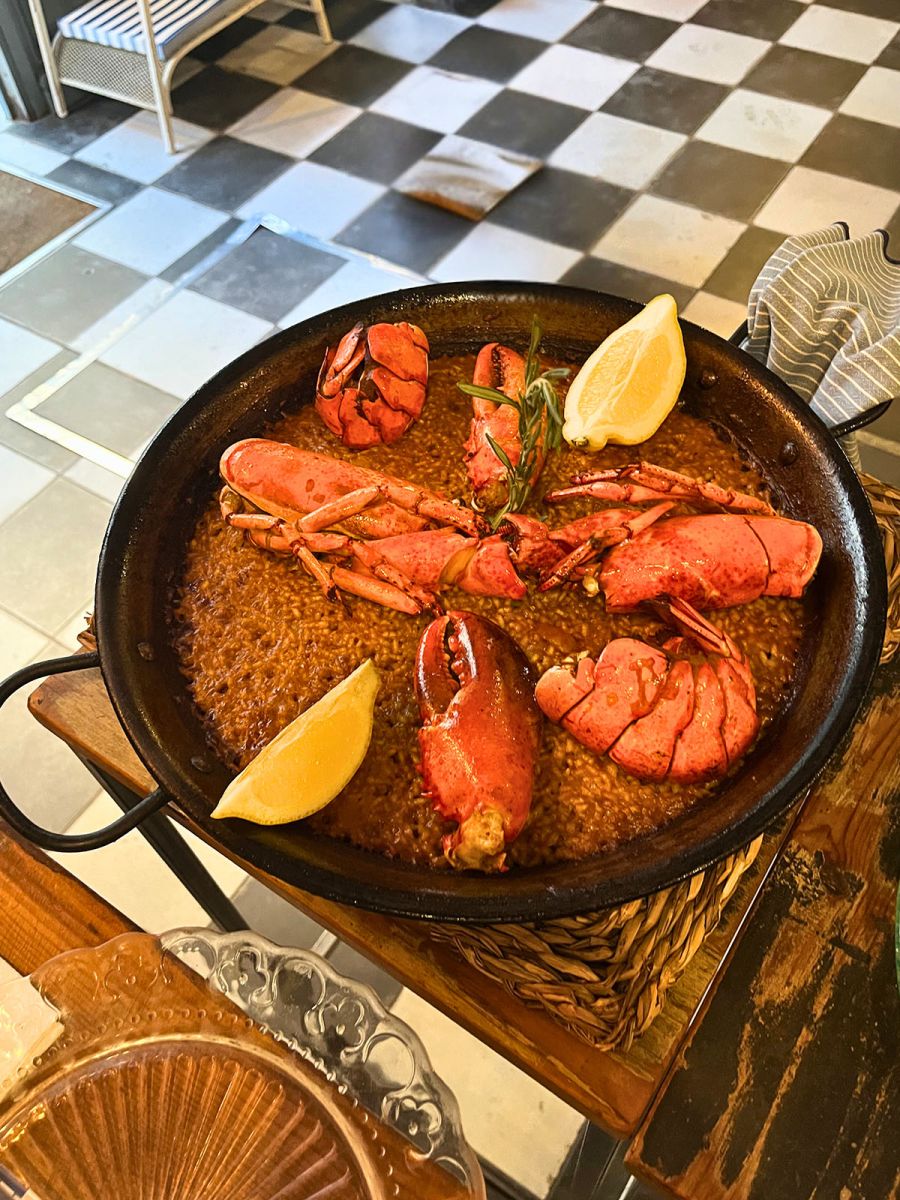
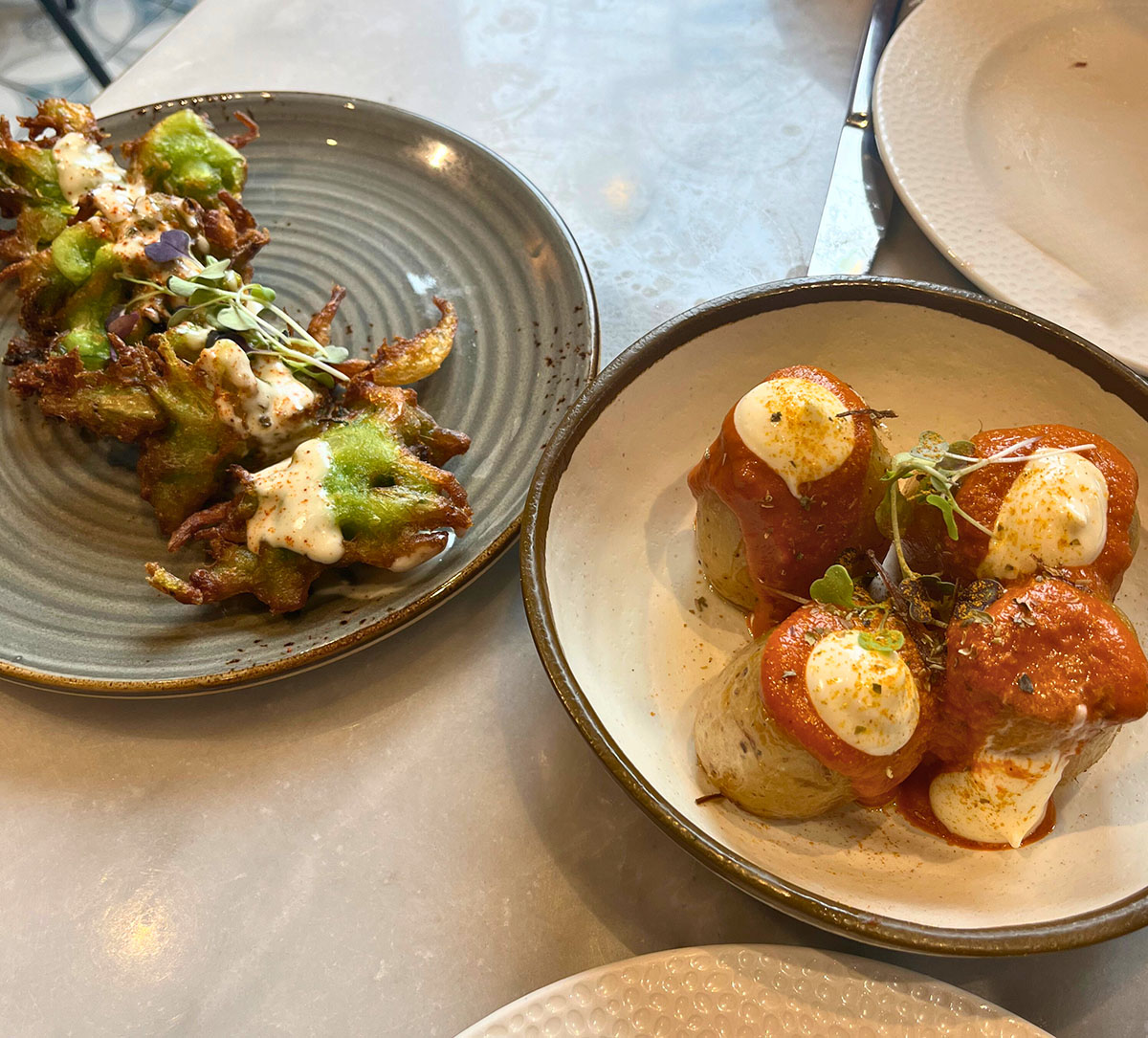
Seville has a great food scene and there's something for every budget. Tapas cost an average of €2.50 to €5 per piece. You can get a good tapas meal for €15-20 per person. Many restaurants offer a daily menu (Menu del Día) for lunch, which includes a starter, main course, dessert, and a drink, for around €12-18. This is excellent value for money. If you're looking to treat yourself to a high-end restaurant, the bill can reach over €40 per person.
Transport
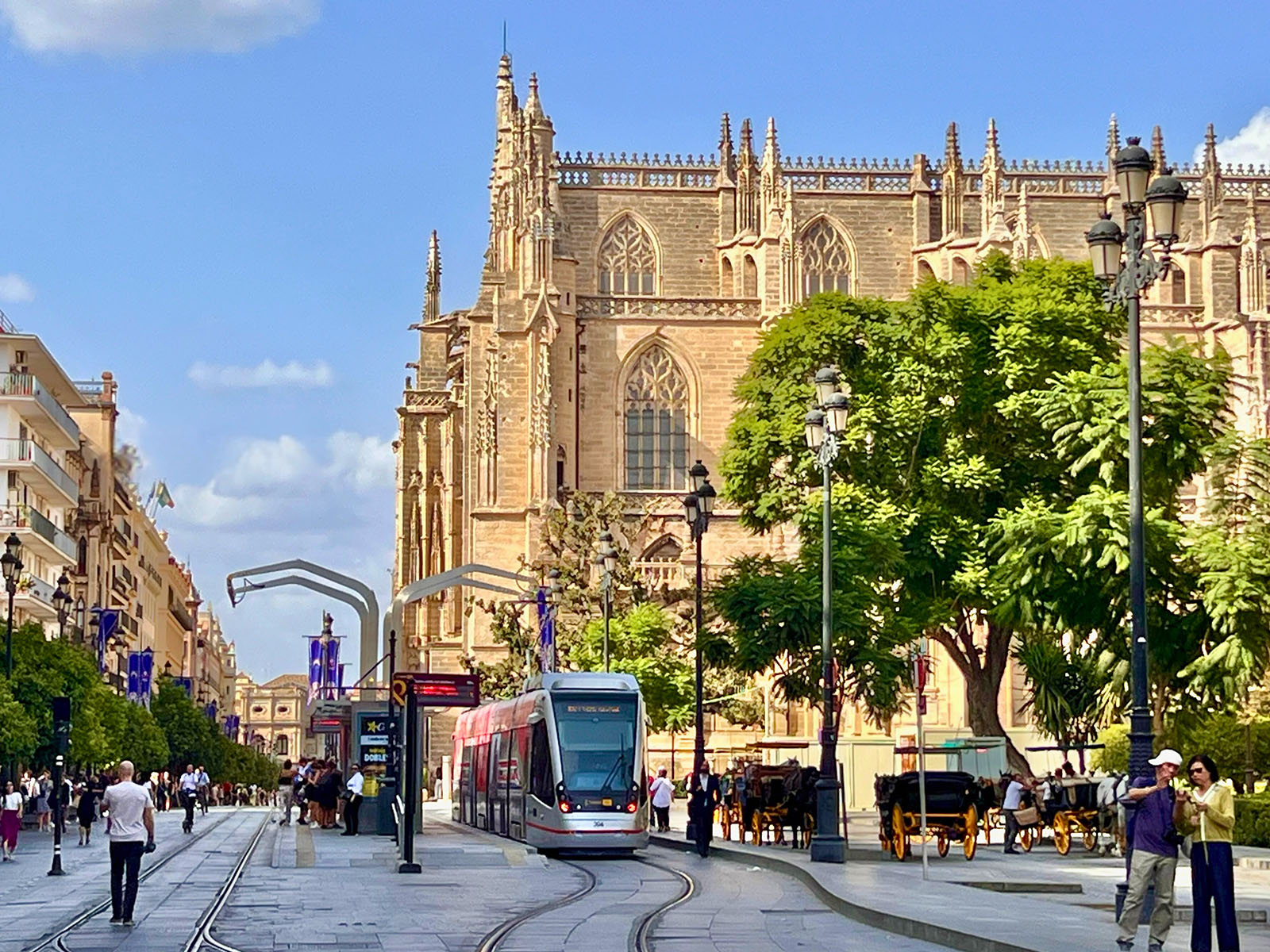
Public transport is plentiful, affordable, and easy to use. If you're staying in the heart of Seville, we recommend walking. Everything is within walking distance. However, if you want to use the city bus or tram, a one-way trip costs around €1.40. To get a little further, use the single metro line, which is divided into three zones. The cheapest ticket is the one sold individually ( around €1.35 ). You can also find taxis and Uber to get to Seville airport or outside the city.
Tourist activities
Most tourist attractions require admission. The cost varies depending on the site, but expect to pay between €5 and €25 for a single adult ticket. Renowned flamenco shows can also be more expensive, costing up to €40 per person.
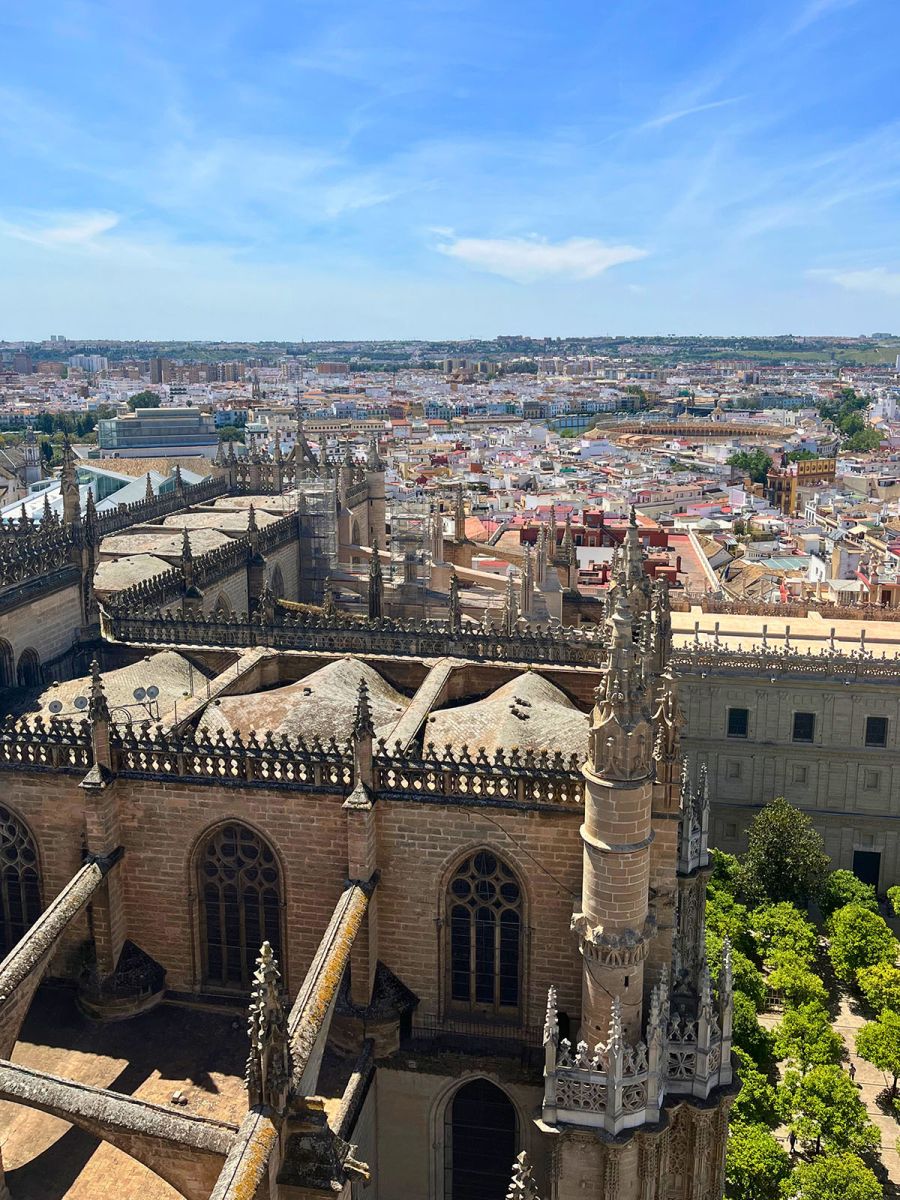
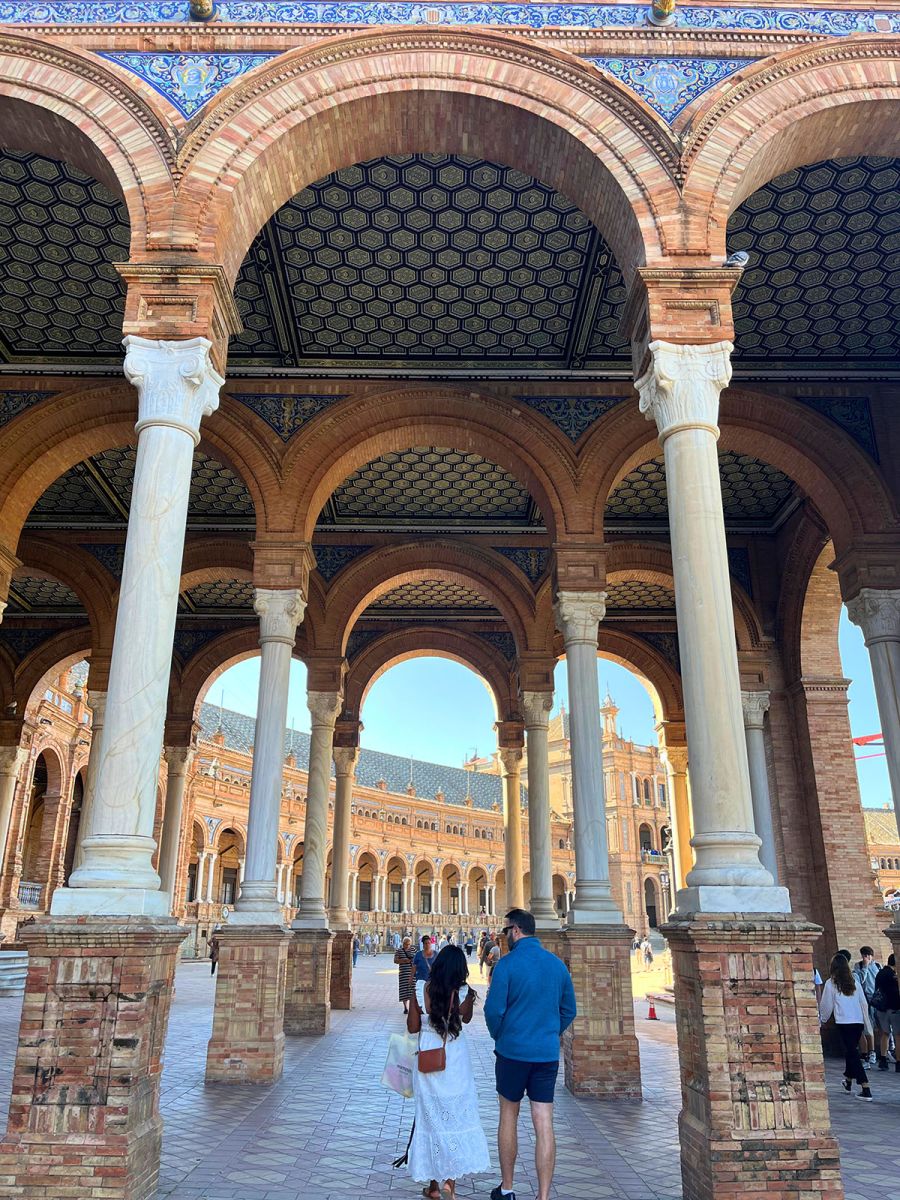
Do you do a lot of sightseeing? Why not consider the Sevilla Pass ? It's a tourist pass that gives you access to several attractions and transportation options. Its price can be advantageous if you plan to visit many museums and monuments.
In short, Seville is a city that suits all budgets, whether you're a budget traveler or looking for a more luxurious experience. Expect to pay between €40 and €150 per person per day for an all-inclusive stay in Seville.
Top experiences
Caminito del Rey: a complete guide for an unusual experience in Andalusia