- Home page
- Top experiences
- Culture and Heritage
- Our visit to the city of Italica and the Monastery of San Isidoro del Campo
- Culture and Heritage
- Top experiences
Our visit to the city of Italica and the Monastery of San Isidoro del Campo
Seville is brimming with treasures, but some of its most beautiful discoveries lie on its outskirts. This is the case with Italica, the ancient Roman city, and the Monastery of San Isidoro del Campo, two historically rich sites that offer a striking contrast. The Seville City Guide set out to explore this fascinating duality on an organized tour. A perfectly orchestrated four-hour excursion through ancient ruins and medieval spirituality that left a lasting impression.
Follow us!
What you will find in this article
Back to Ancient Rome in Italica
Just twenty minutes after leaving Seville's city center, the minibus drops us off at the gates of Italica, the first Roman city founded by Scipio Africanus in Hispania and the birthplace of emperors like Trajan and Hadrian. The guided tour, led by a bilingual French-English guide and a Spanish-speaking guide, transforms these ruins into a veritable history book.
The interpretation center
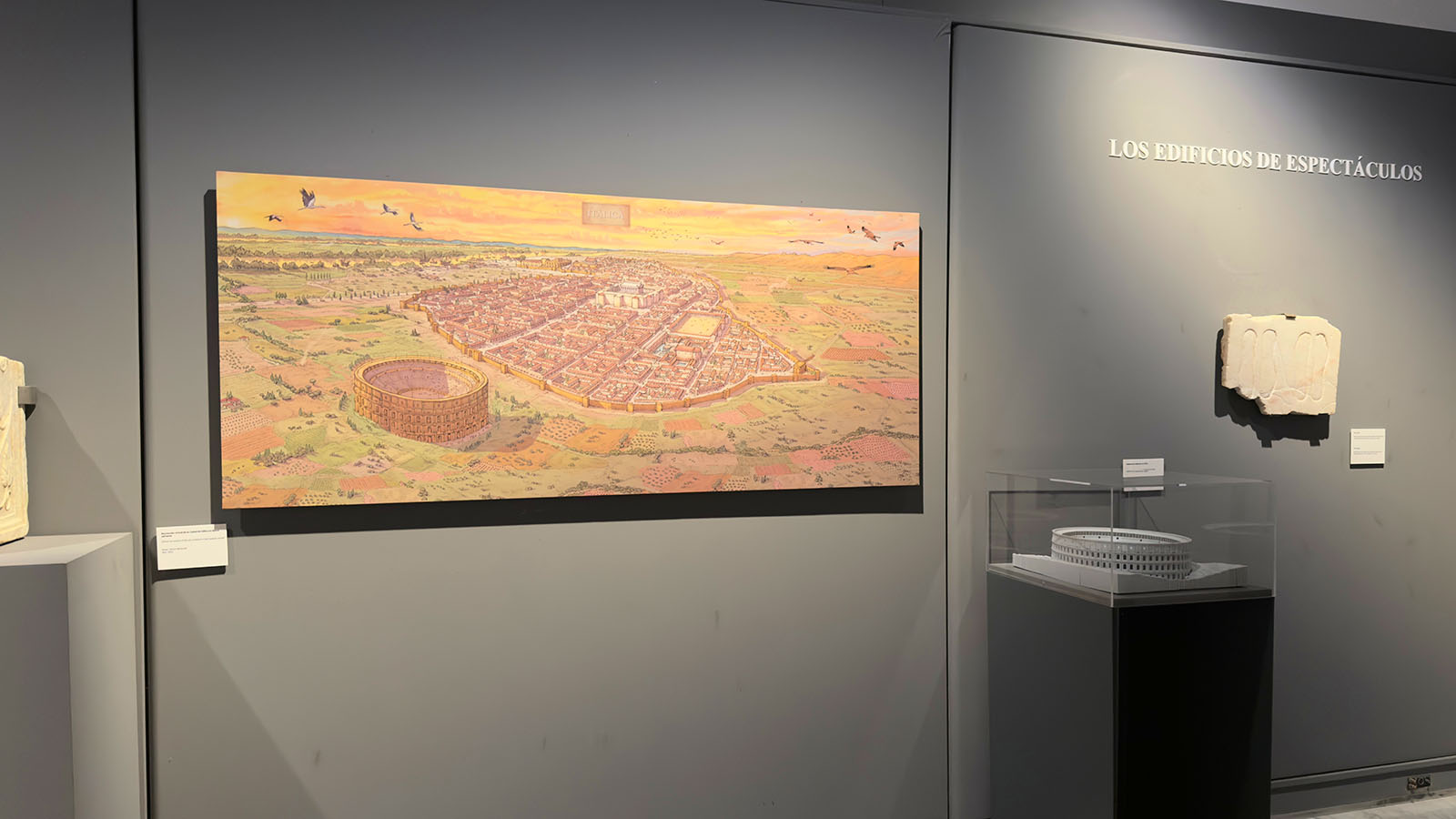
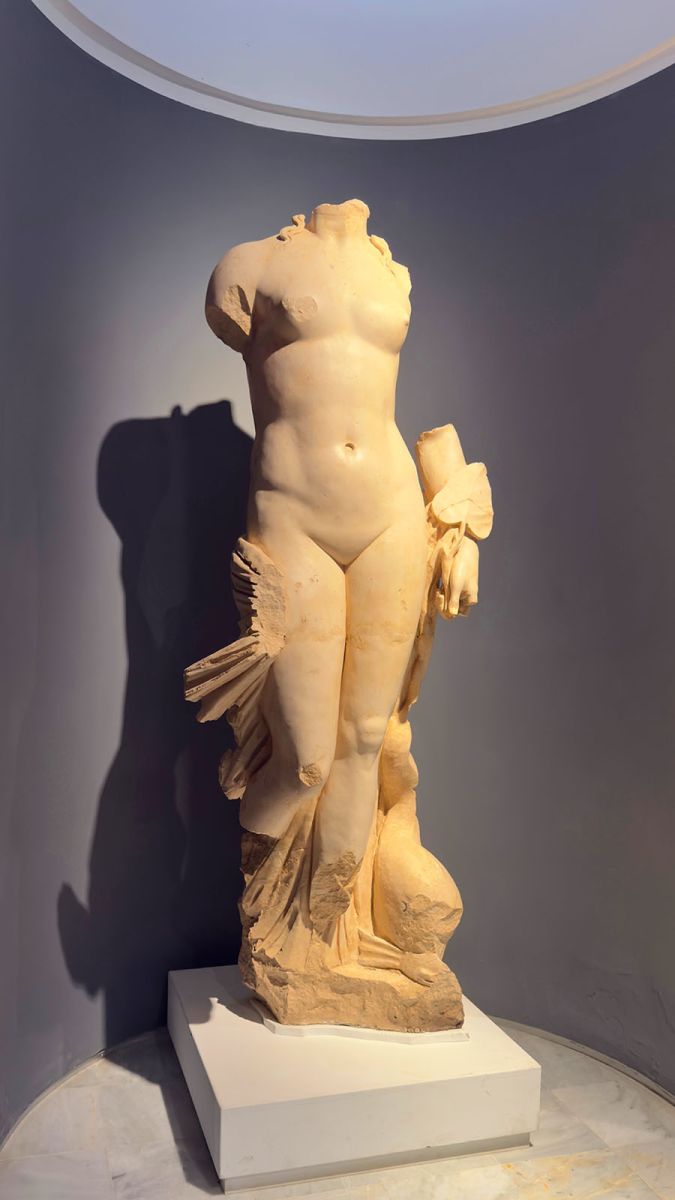
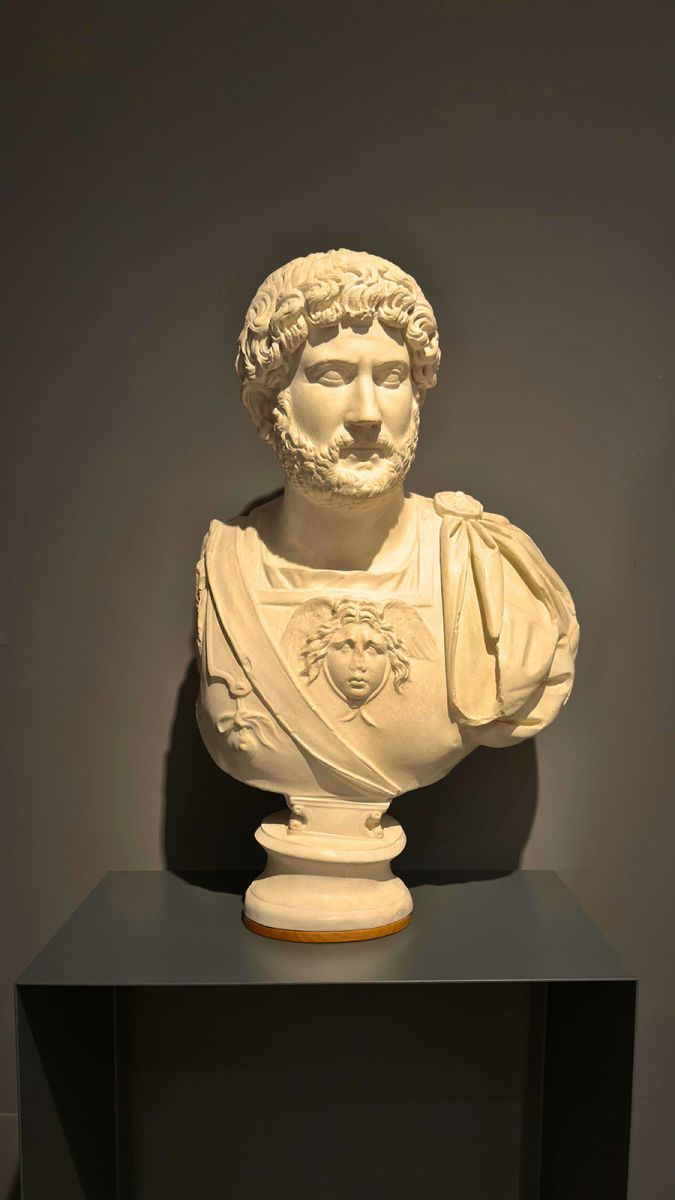
Before venturing into the archaeological site itself, a brief but essential stop at the interpretation center is a must. Located at the site's entrance, this small museum offers a glimpse into the city's history through clear information panels and a few key artifacts. It provides an opportunity to visualize Italica's importance as the birthplace of the Roman emperors Trajan and Hadrian. The center displays fragments of statues and everyday objects discovered at the site, creating a perfect transition between our time and the vastness of the ruins to come. Don't miss this introduction, which sets the historical context for the excursion.
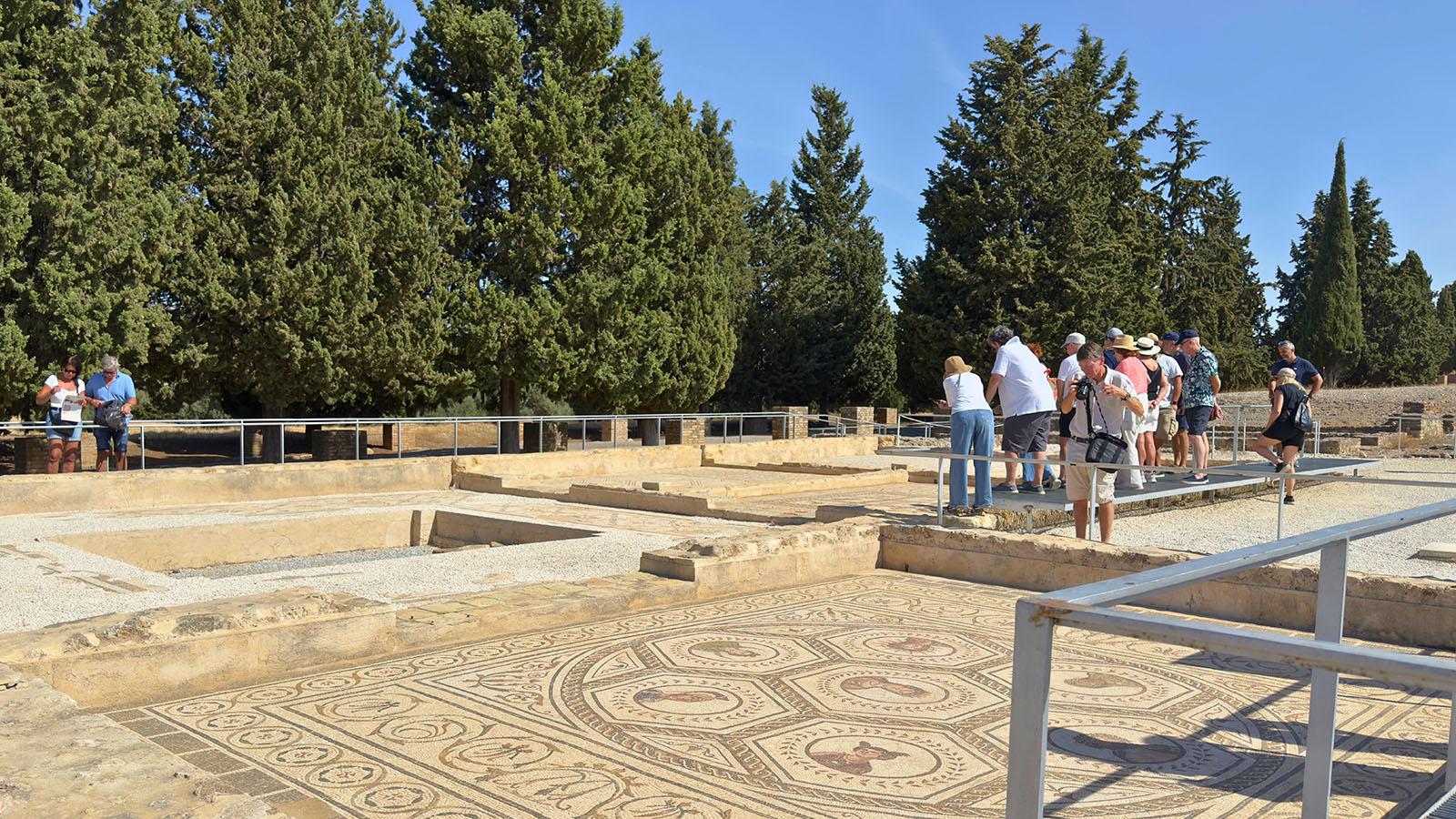
The Patricians' Quarters
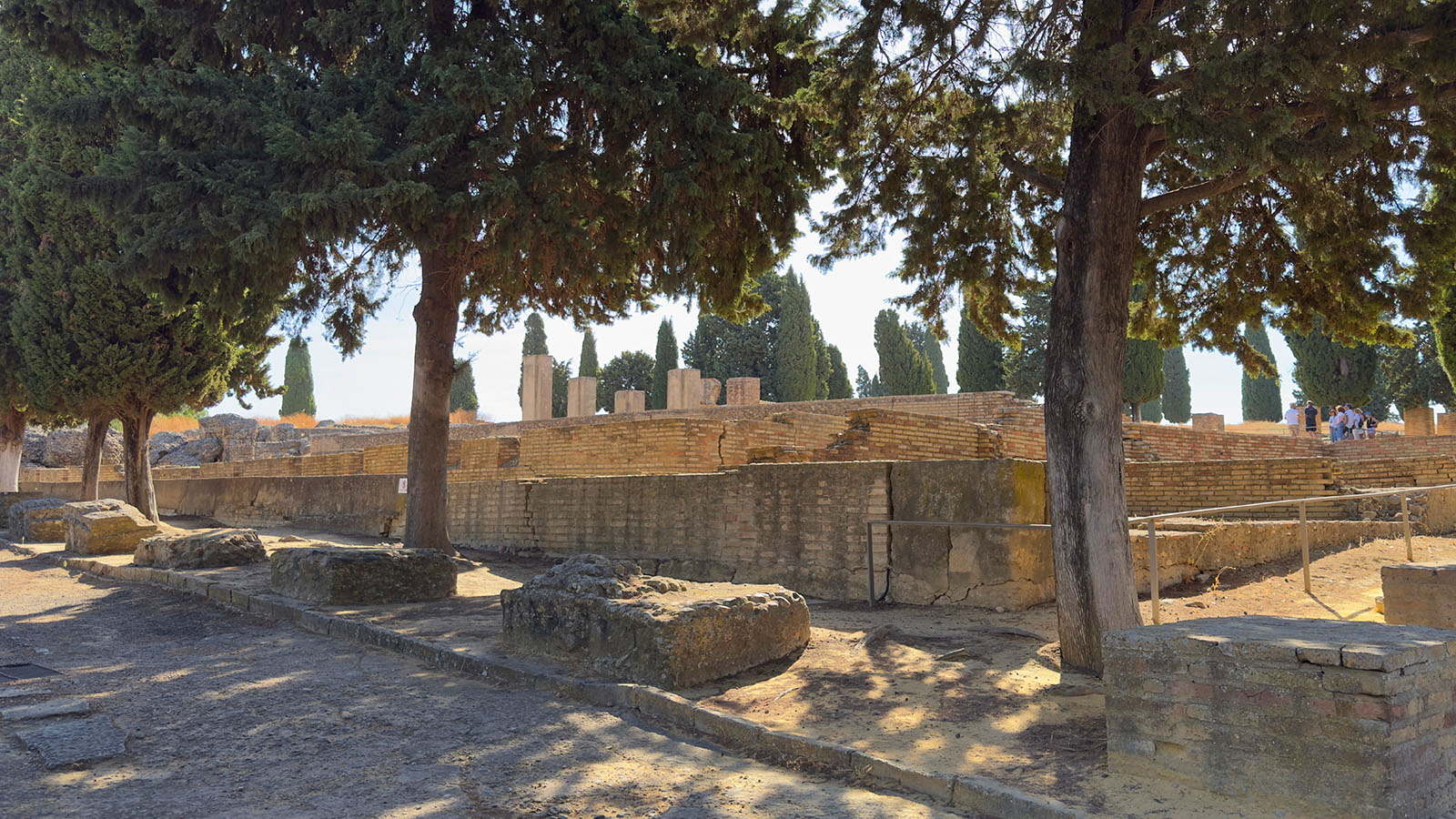
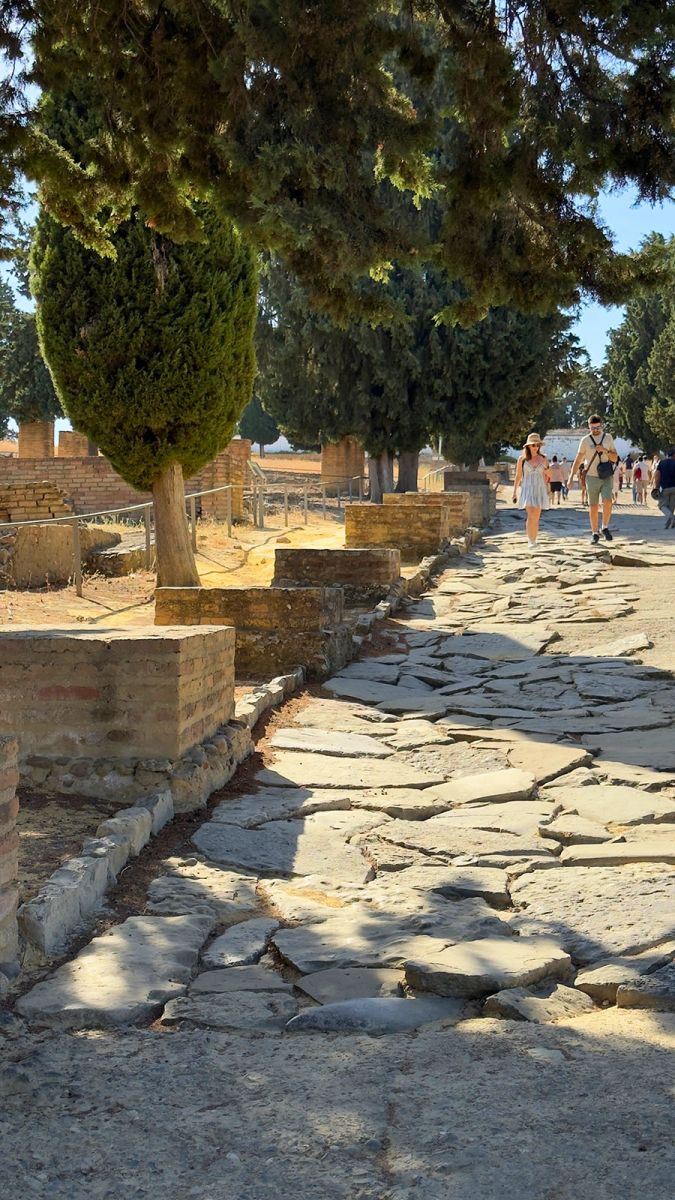
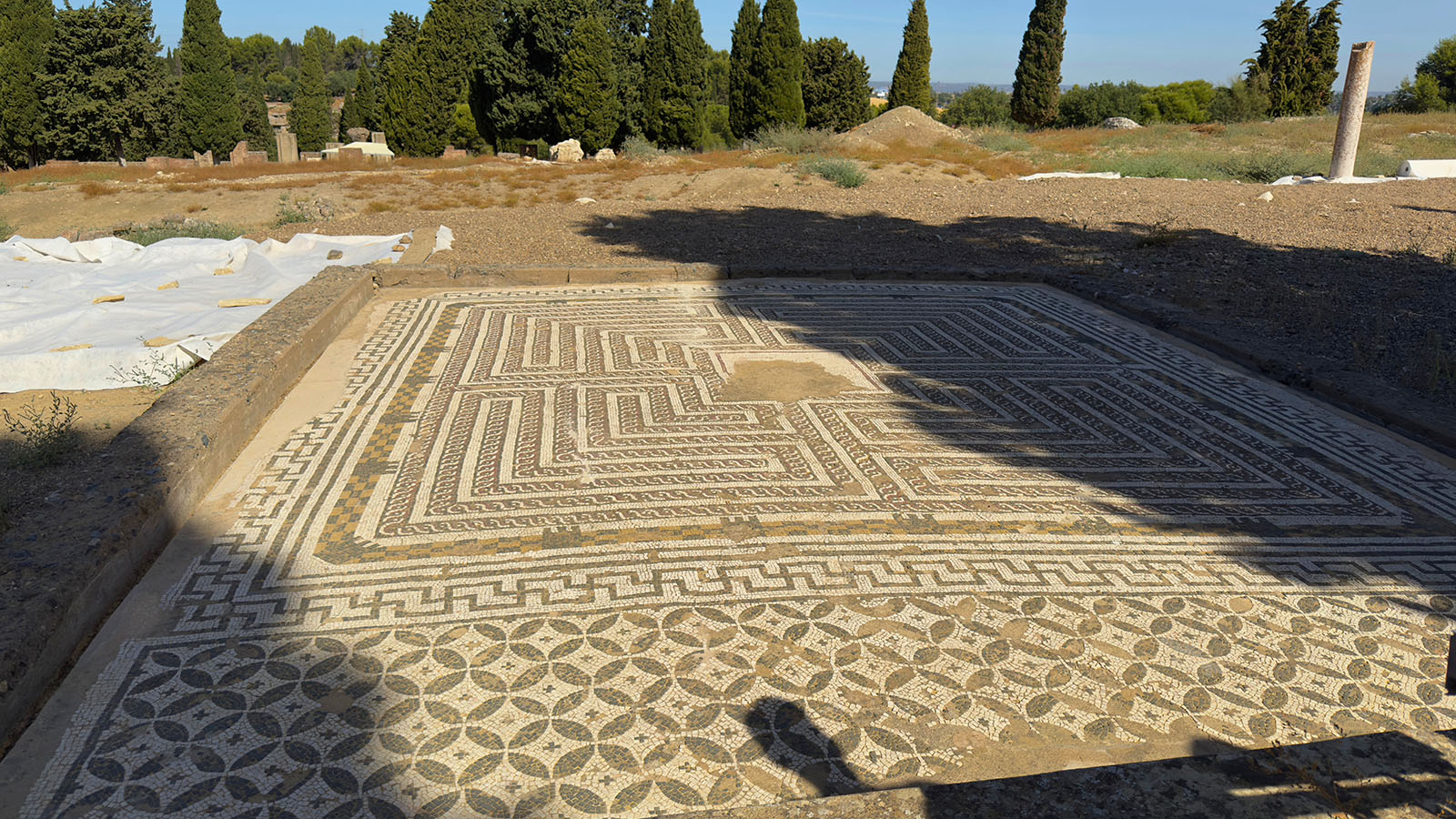
Our exploration begins in the Nova Urbs (the new city). Here, we discover the plans of the vast patrician houses. Centuries have passed, but we can still sense the opulence of the era. The guides point out the sophisticated drainage systems and, above all, the spectacular mosaics that adorn the floors of the residences. Without giving too much away, expect mythological or geometric representations in impressive condition despite their exposure to the sun. It's a veritable open-air art gallery.
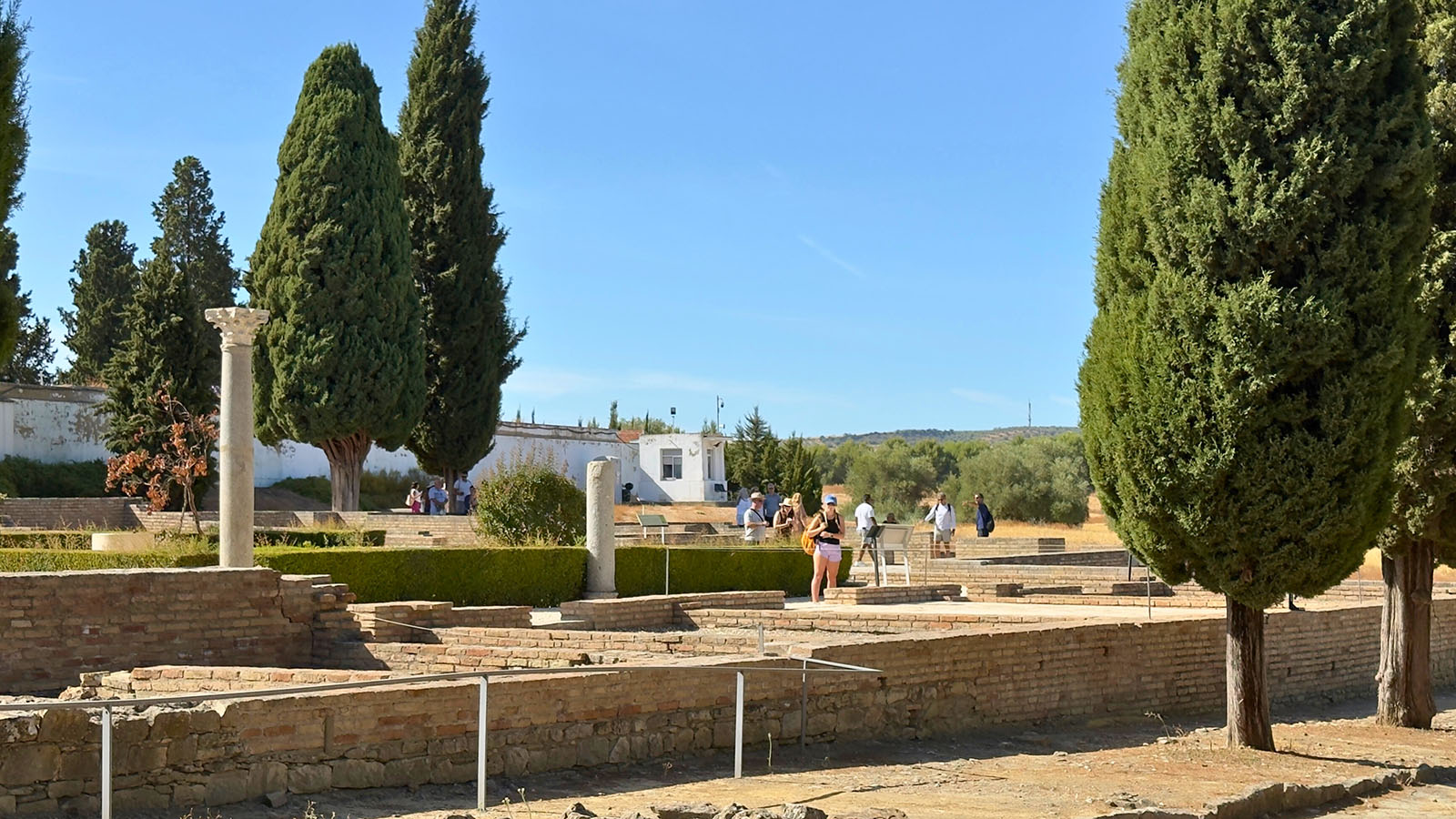
The thermal baths
The route then leads through the facilities of Roman public life. The city had its own baths, essential to social life. Walking along the foundations allows one to imagine the citizens of the time moving between the frigidarium (cold bath) and the caldarium (hot bath). It is also at this point that one begins to grasp the scale of the city, designed with astonishing rigor and ingenuity, especially for that distant era.
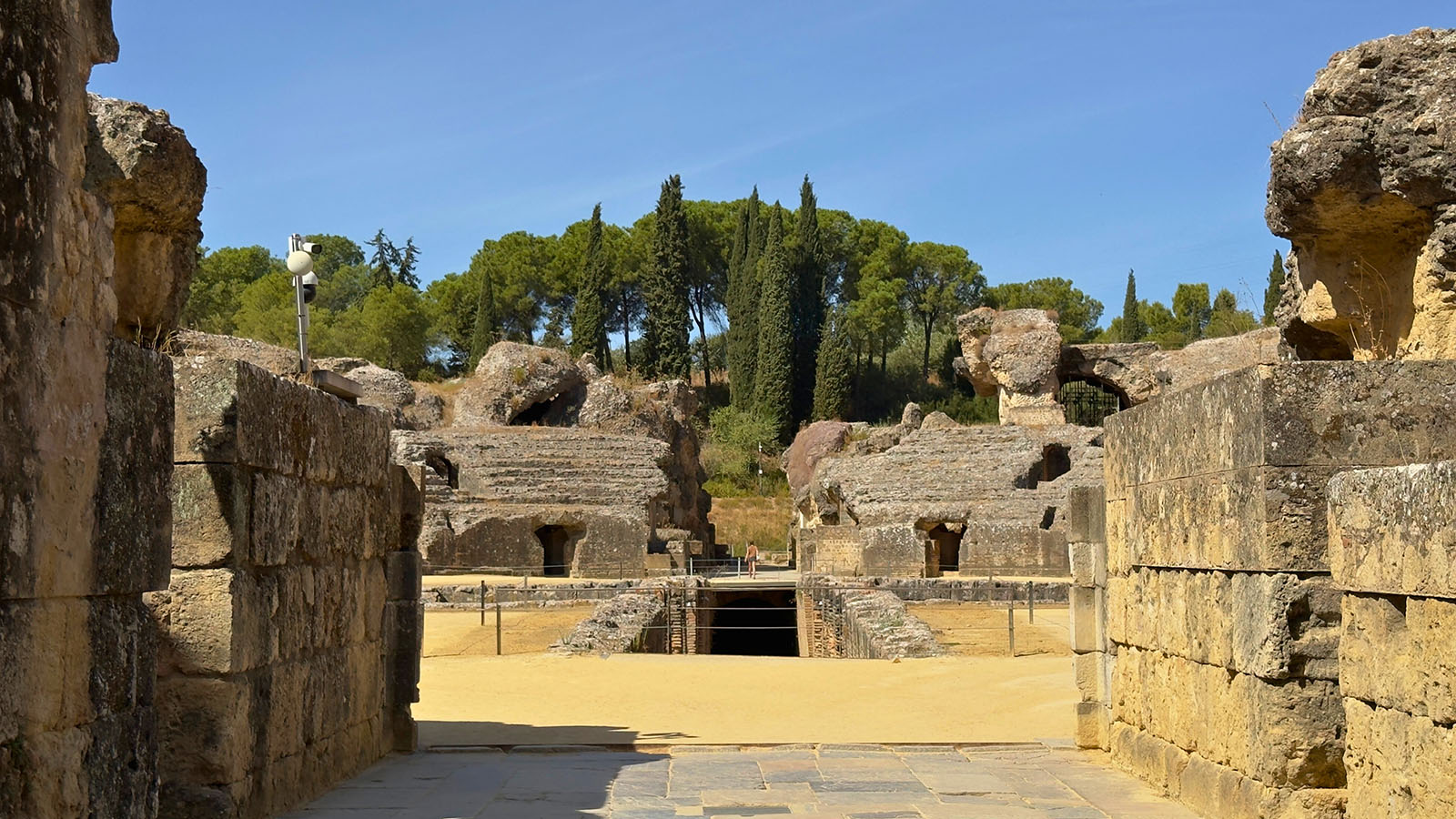
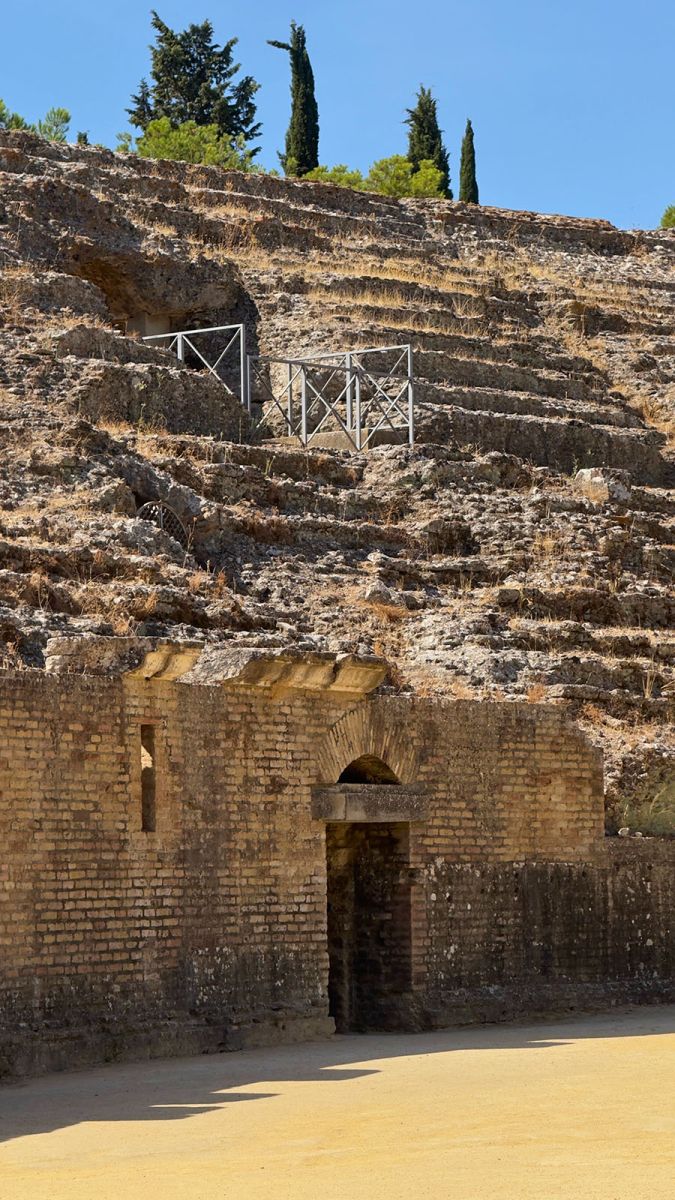
The amphitheater
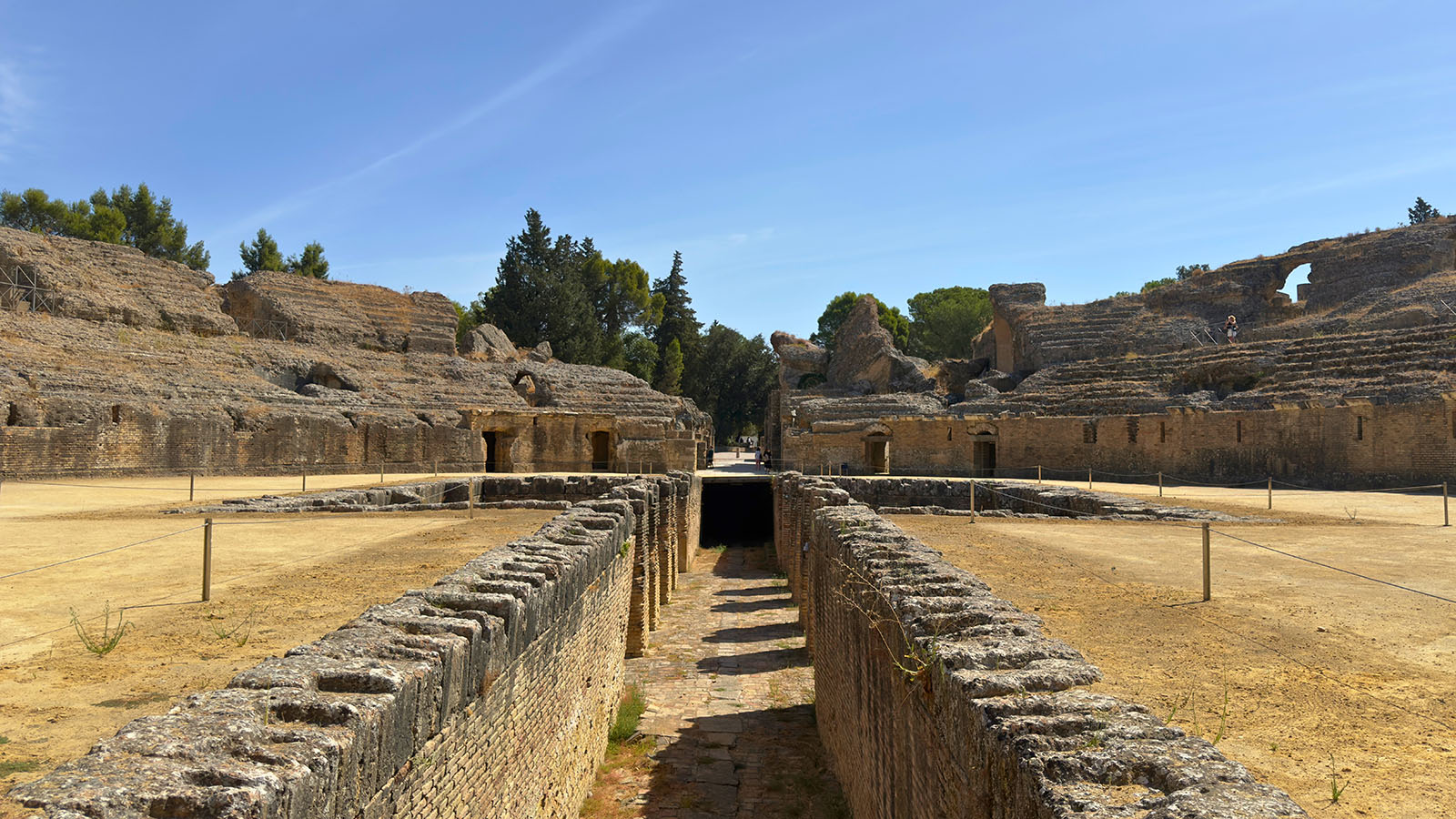
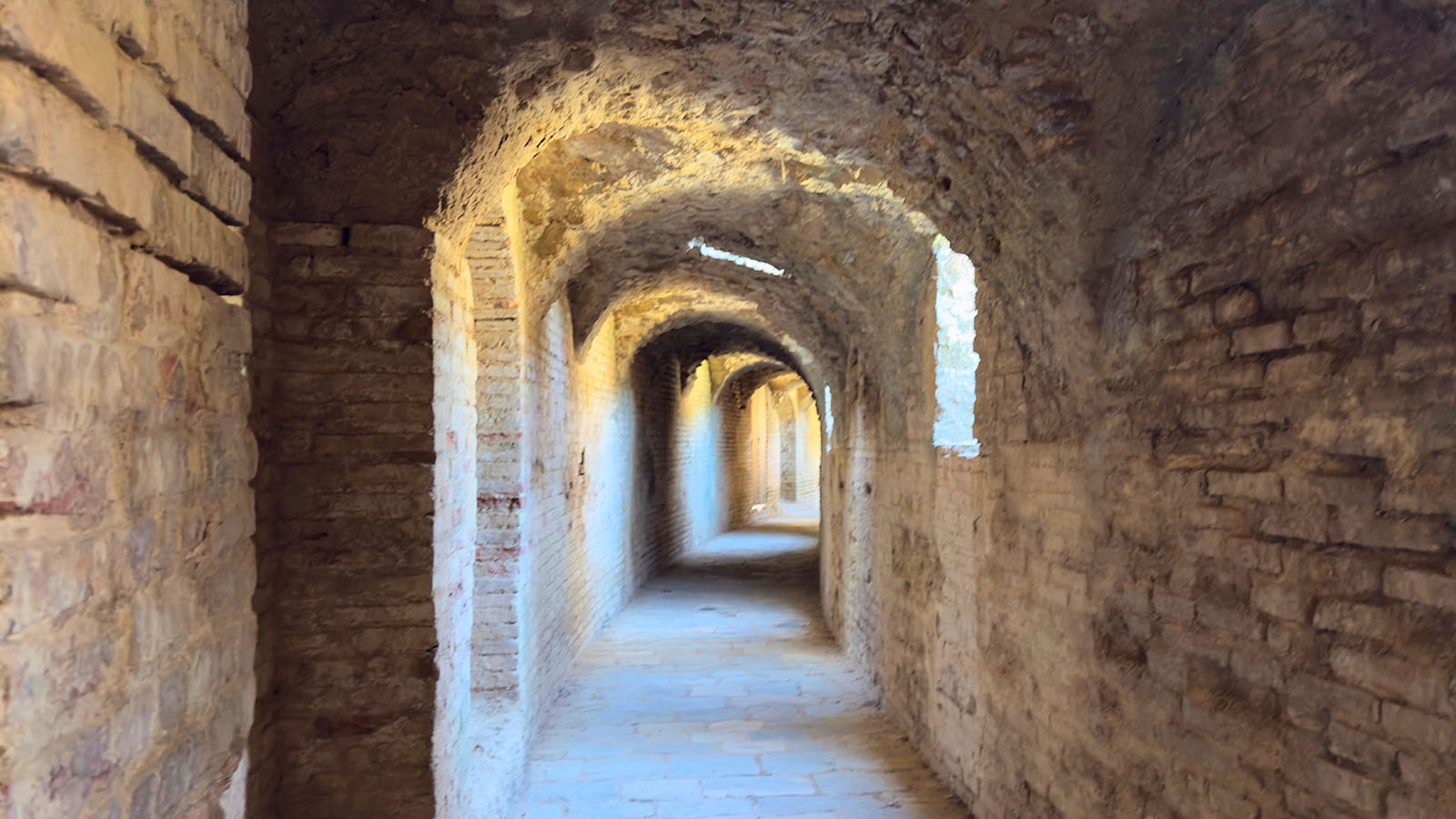
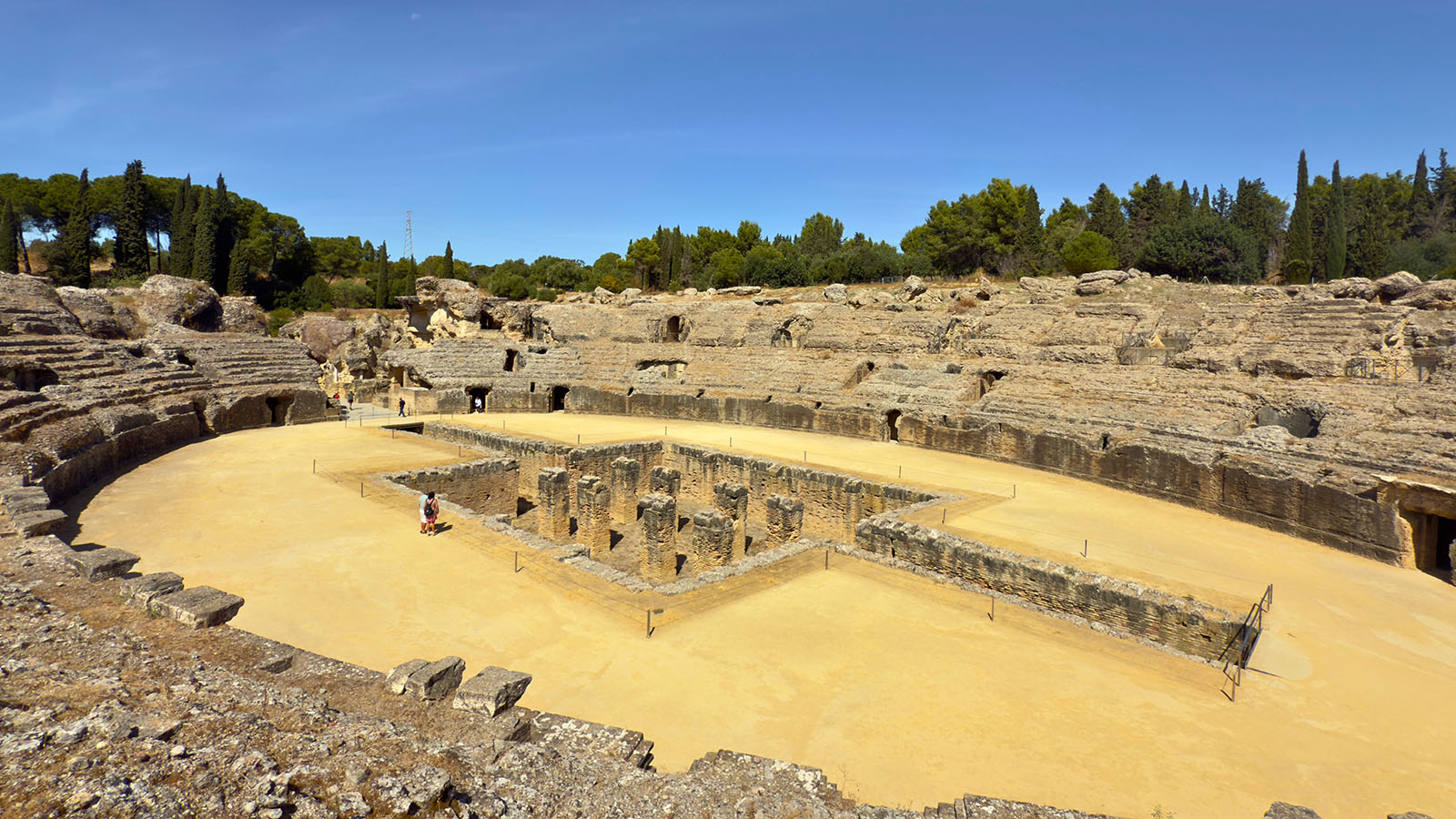
The grand finale of the visit is reached when you arrive at the amphitheater. The contrast with the rest of the ruins is striking. Imposing and majestic, it is one of the largest in the Empire. Standing in the arena or climbing onto its tiers, your imagination takes over. You feel the weight of history, the cheers of the crowd, and the power of ancient Rome. It is the highlight of the day, worth the trip alone.
The monastery of San Isidoro del Campo
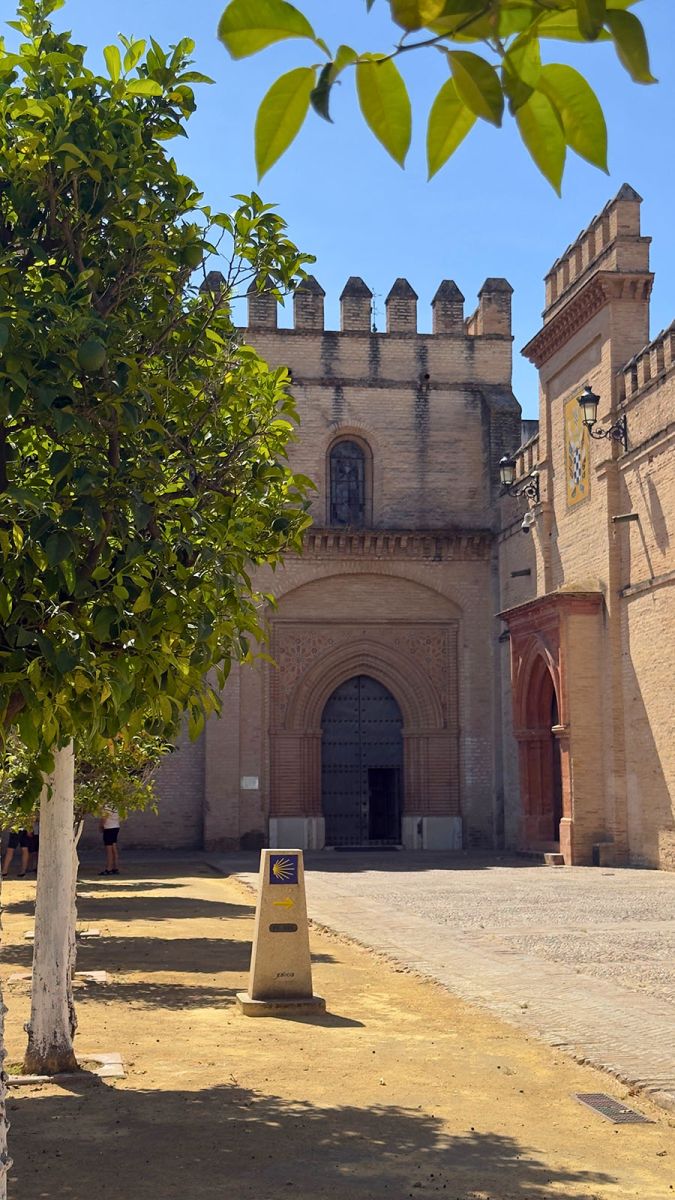
After the splendor and bustle—real or imagined—of the Roman city, we set off again for a short journey to a radically different atmosphere: the Monastery of San Isidoro del Campo. This transition from pagan antiquity to the Christian medieval period creates an effect of great historical richness.
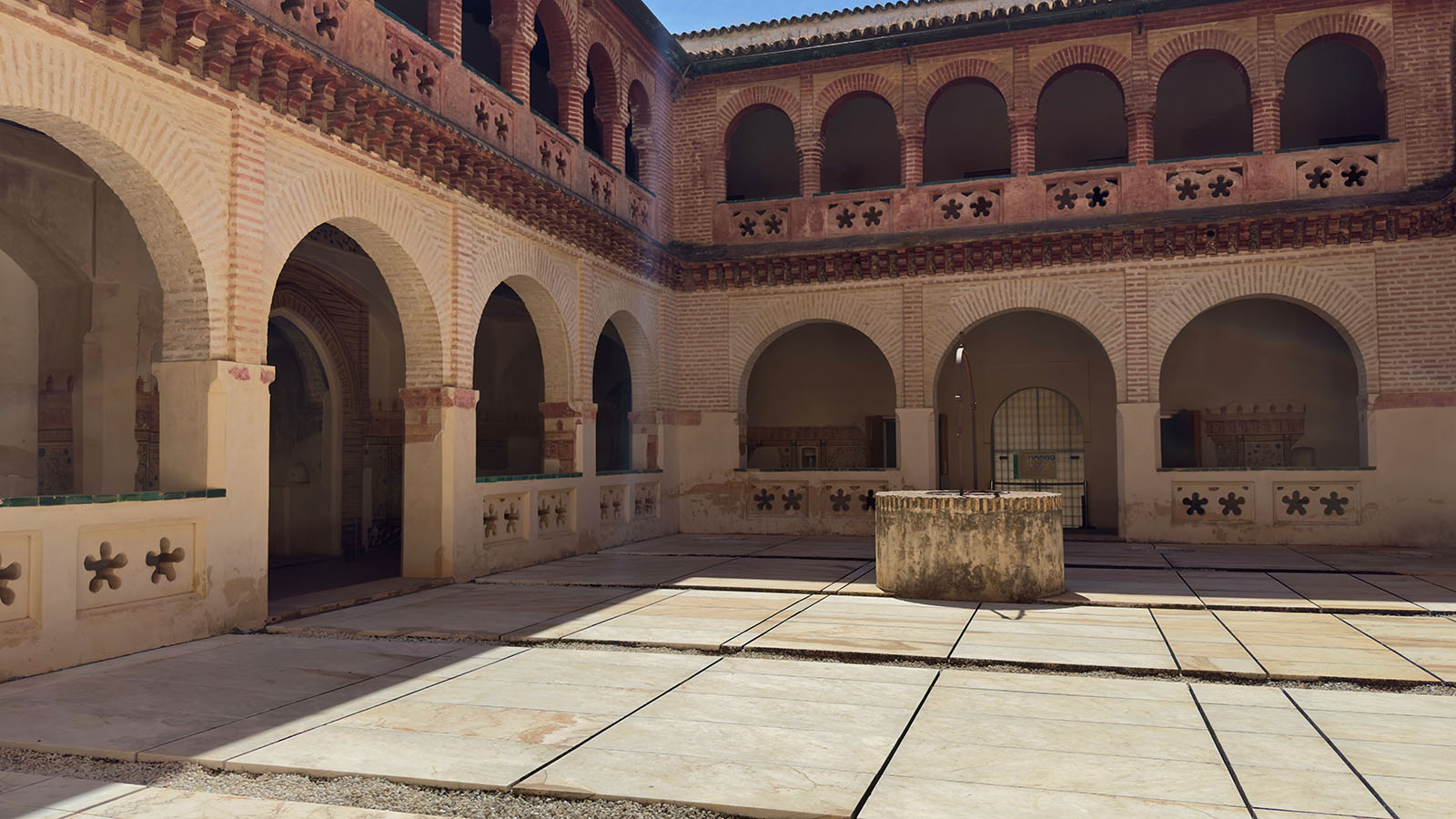
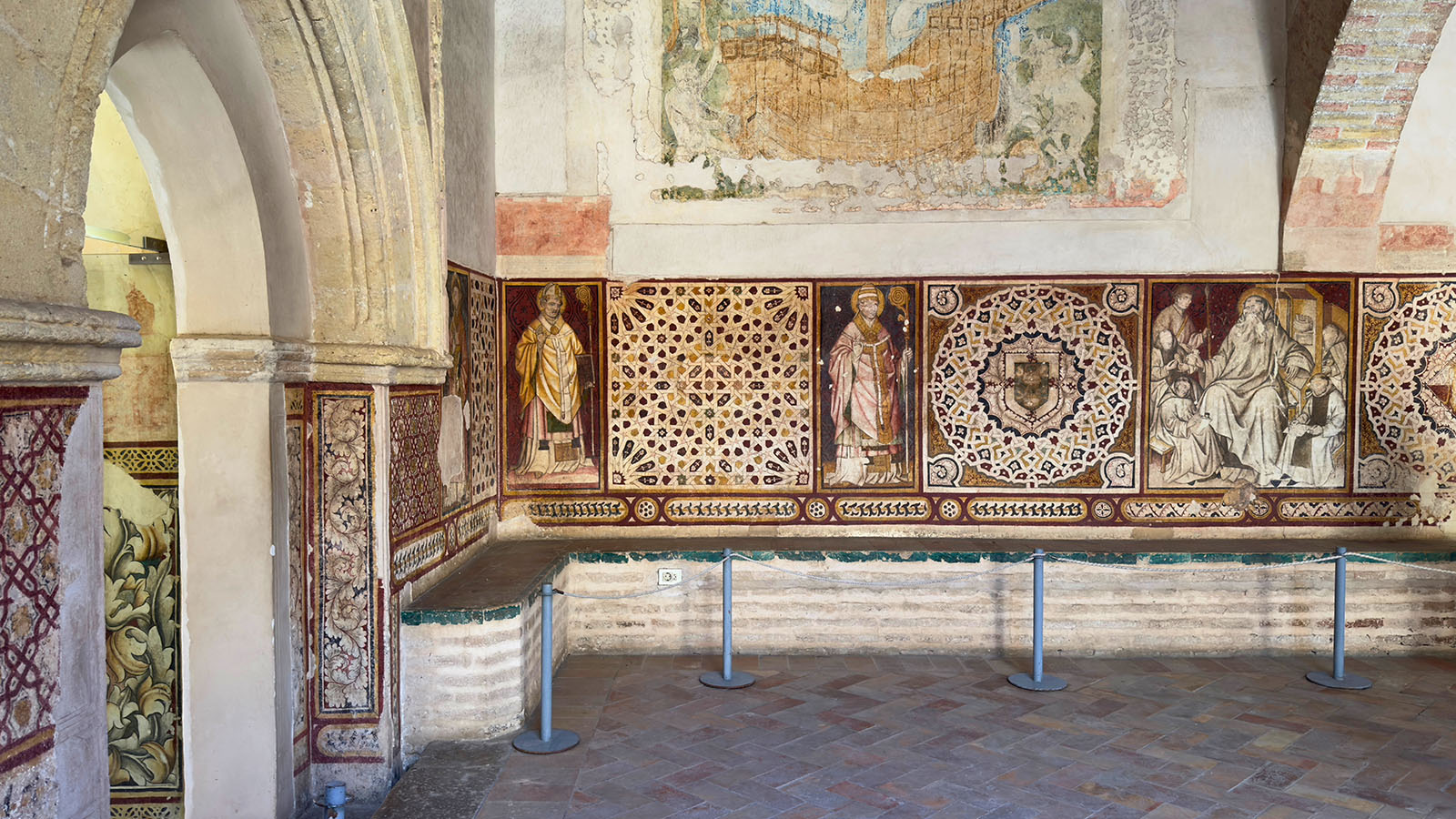
This fortified monastery, founded at the beginning of the 14th century, is a haven of peace. As soon as you pass through its gates, you are enveloped in an atmosphere of calm and contemplation. The architecture is magnificent, blending Gothic style with the Mudéjar art typical of Andalusia.
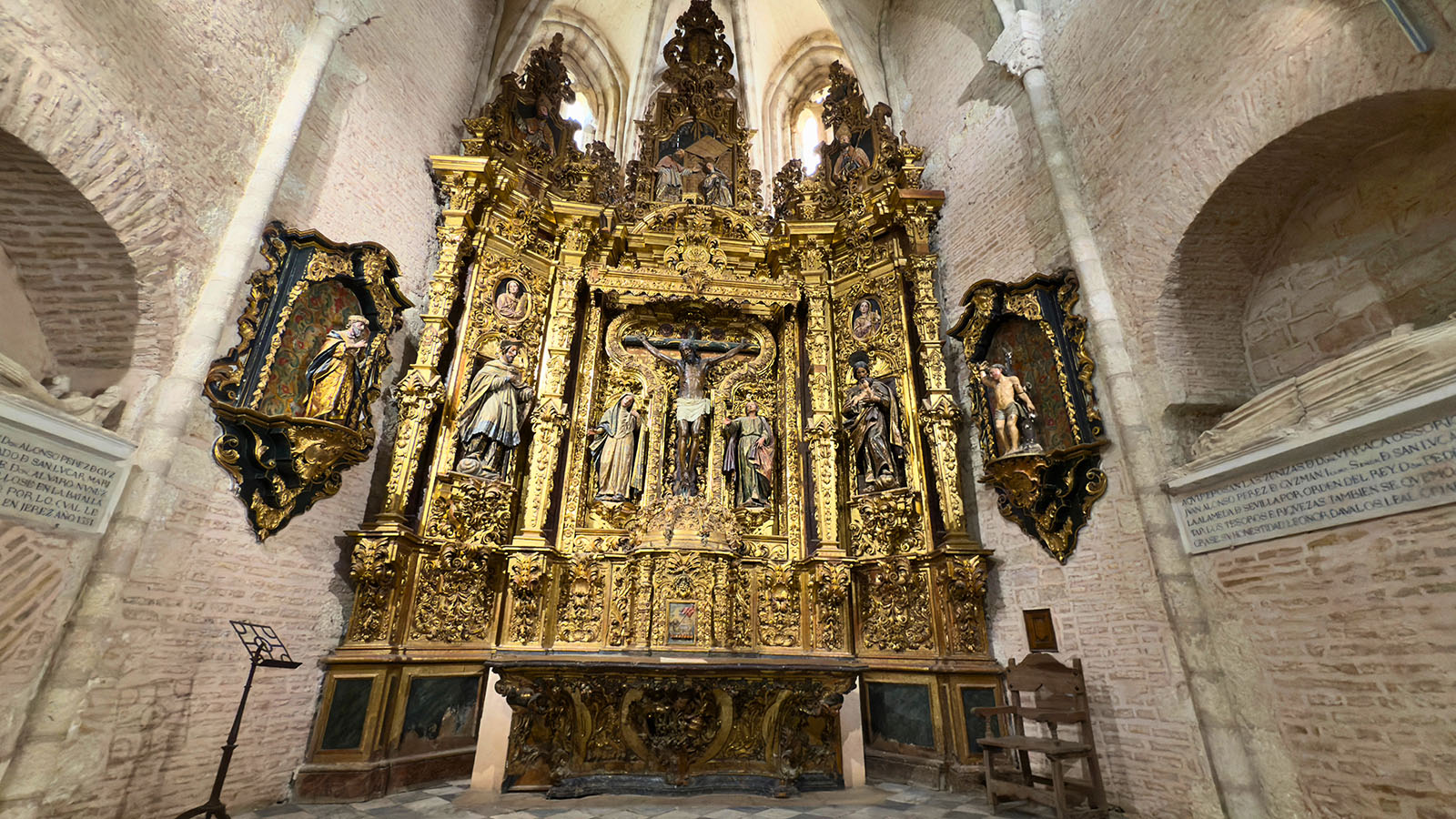
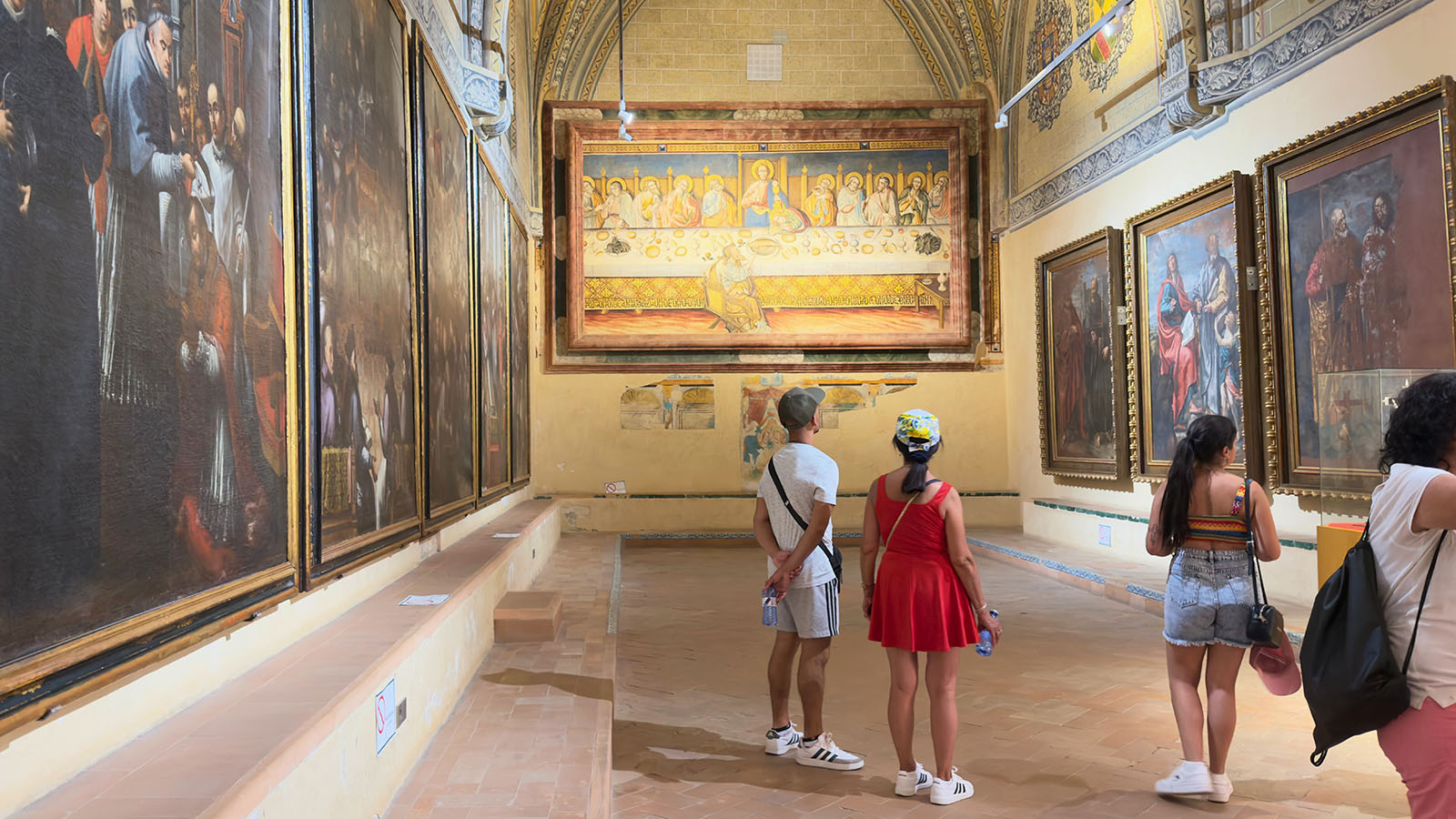
The interior tour allows us to admire the two churches, the cloisters, and the artistic treasures they house. It's an opportunity to appreciate the exquisite altarpieces and sculptures, far from the hustle and bustle of Seville's crowds. This lesser-known site is a gem for anyone seeking a place steeped in spiritual history and serene architectural beauty.
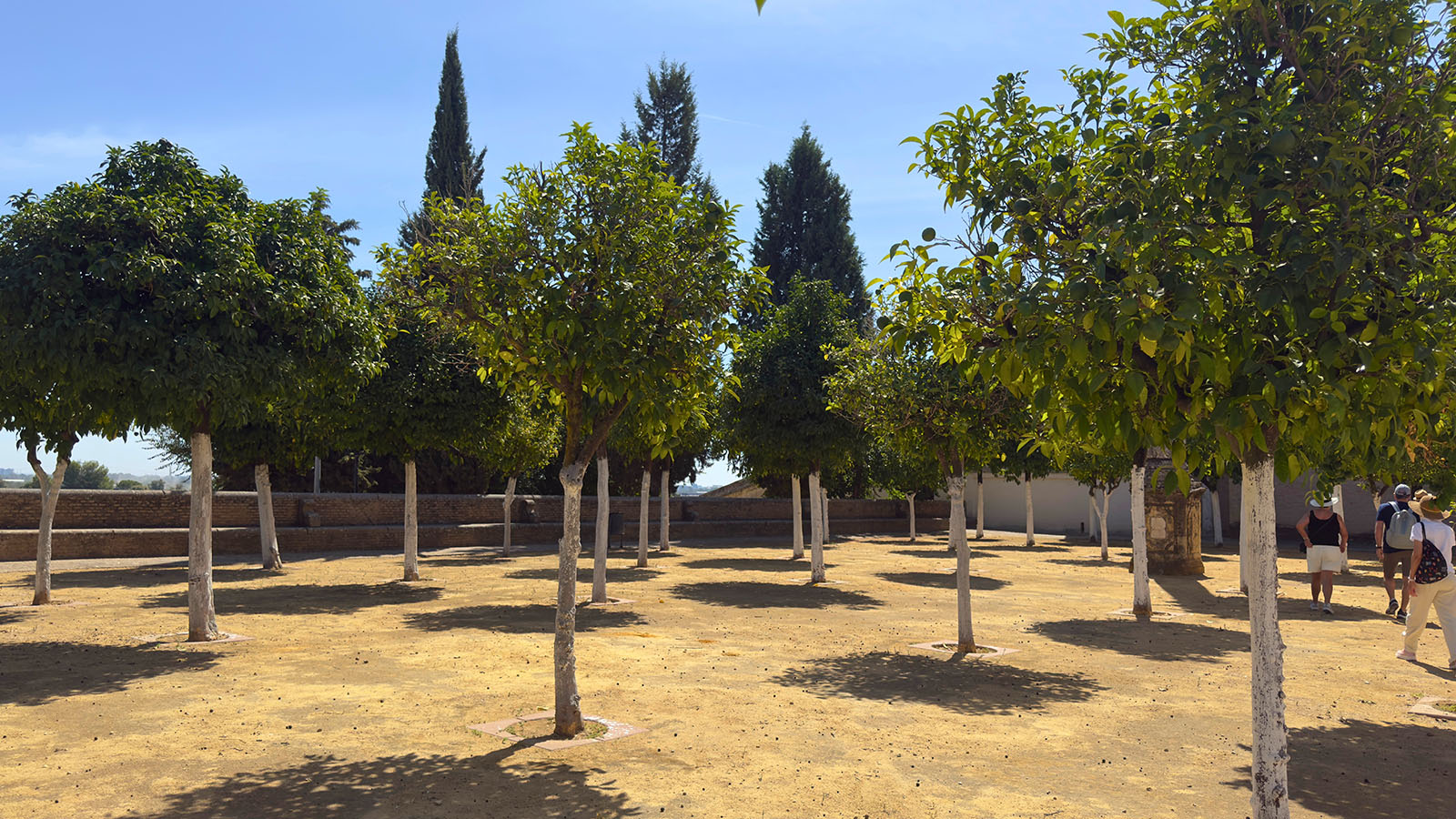
A day trip near Seville
This half-day excursion was a complete success. The contrast between the Roman grandeur of Italica and the serenity of the monastery offers a comprehensive view of Andalusian history.
The guided tour proved to be the ideal choice:
- Efficiency : in just four hours, we were able to visit two major sites without wasting time on logistics.
- Guiding : Having professional guides offering the tour in French/English and Spanish is an undeniable asset for grasping all the historical and cultural subtleties.
How to get to Italica and the monastery?
The city of Italica and the monastery of San Isidoro del Campo are located in Santiponce, just north of Seville.
- Organized excursion : this is the preferred and simplest option. The minibus departs from Seville city centre, which is extremely convenient, and transfers between sites are quick and comfortable (only 20 minutes to reach Italica).
- Public transport : You can take bus M-172 or M-170A/B from the Plaza de Armas bus station in Seville. The journey takes approximately 30 minutes to Santiponce.
- Car rental : If you have rented a car or wish to visit the area around Seville, this is a very good option. You can reach Italica in about twenty minutes via a highway.
Entry fees
Entrance ticket prices may vary, but here is a typical overview (excluding the cost of the guided tour):
- Citizens of the European Union : entry to the archaeological site of Italica is generally free upon presentation of an identity document (or passport) proving European citizenship.
- Other visitors : a small fee applies (around €1.50 ).
- Monastery of San Isidoro del Campo : the visit is often free, but it is important to check the opening hours and the possibility of access, which are sometimes limited.
Practical tips for the visit
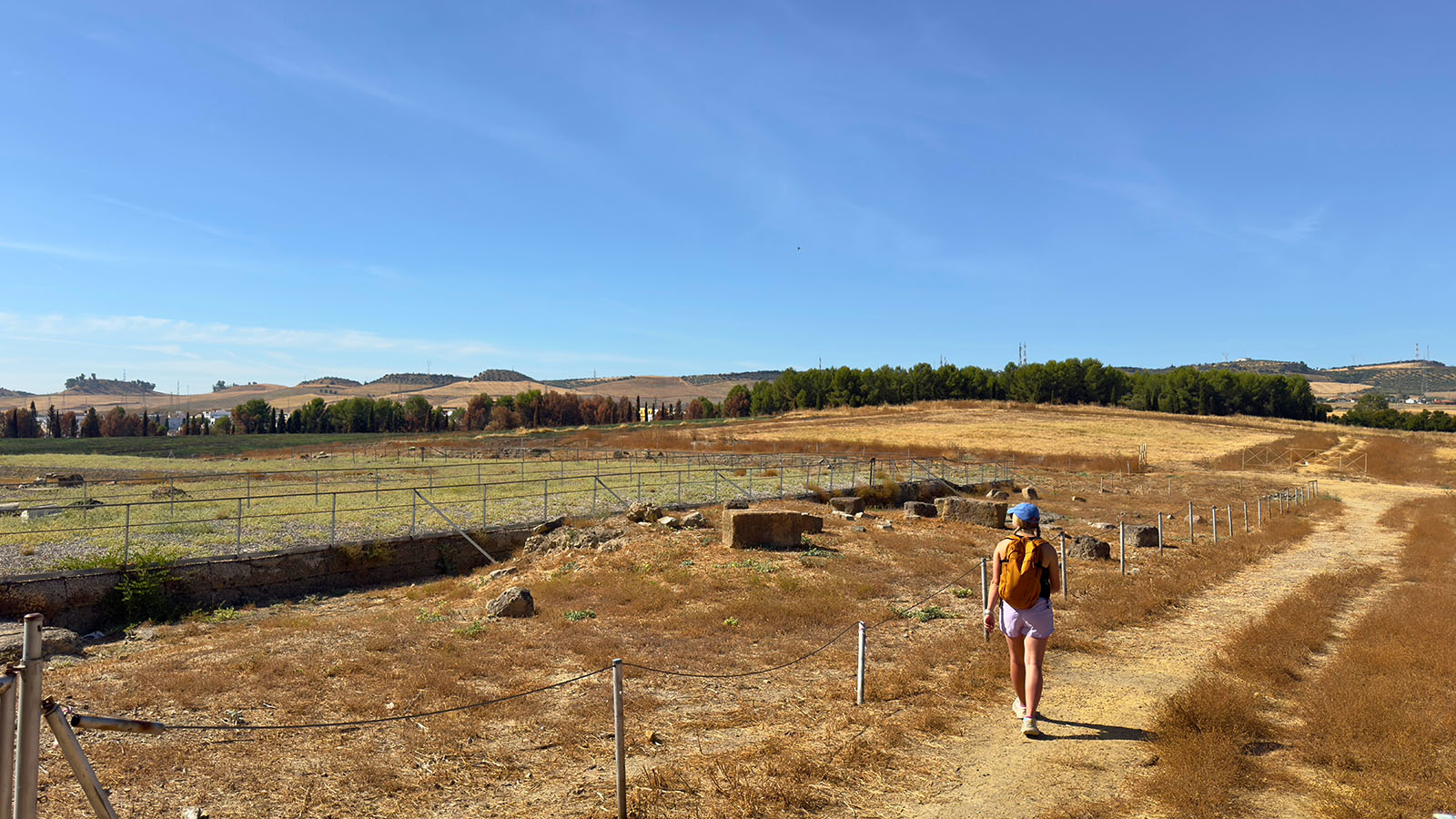
- The city of Italica is very exposed to the sun. Bring sun protection, especially during peak season.
- Walking on Roman ruins and mosaic floors requires good shoes.
- In summer, bring a bottle of water for hydration and something to snack on if needed.
- The sites often close early in the afternoon, especially outside of peak season. It is essential to check opening hours before setting out.
In short, if you're visiting Seville and looking for a morning escape filled with culture and history, this organized excursion to Italica and the Monastery of San Isidoro del Campo is highly recommended. It's a simple and informative way to travel through more than two millennia of history.
Did you like our article? Find more on the Seville City Guide blog.
We also have a Facebook page for the Seville City Guide and an Instagram account @seville_city_guide
Top experiences
Caminito del Rey: a complete guide for an unusual experience in Andalusia