- Home page
- Tourism
- Discover Séville
- Discover around Seville
- Cordoba
- Discover around Seville
- Discover Séville
- Tourism
Cordoba
Automatic translation
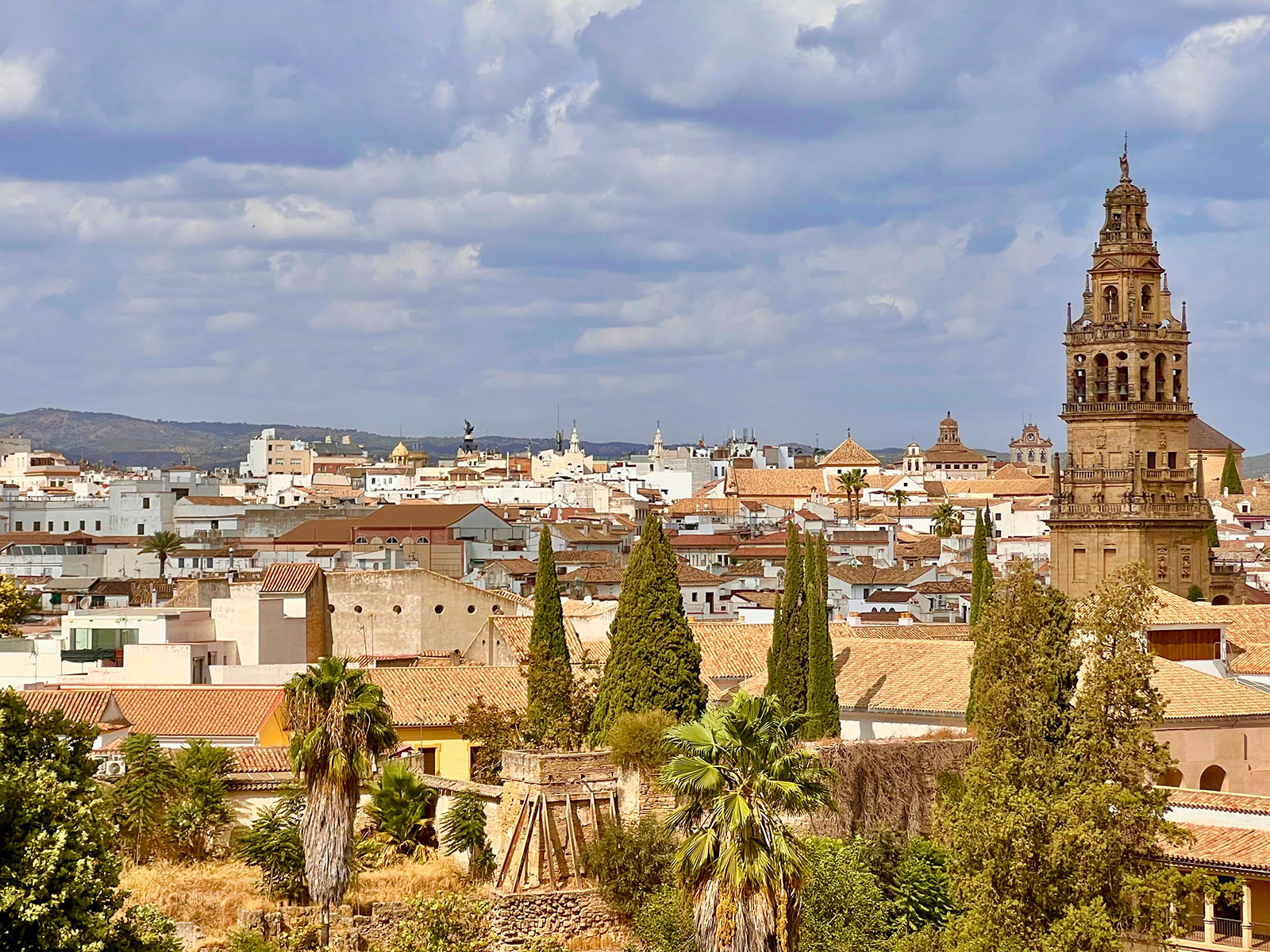
Cordoba, or Córdoba in Spanish, a UNESCO World Heritage city, is a jewel of Andalusia. Its millennia-old history, marked by the coexistence of different cultures, has made it a unique destination where past and present blend harmoniously. Its narrow streets, flower-filled patios, and magnificent monuments make it an unmissable city.
The City of Three Cultures
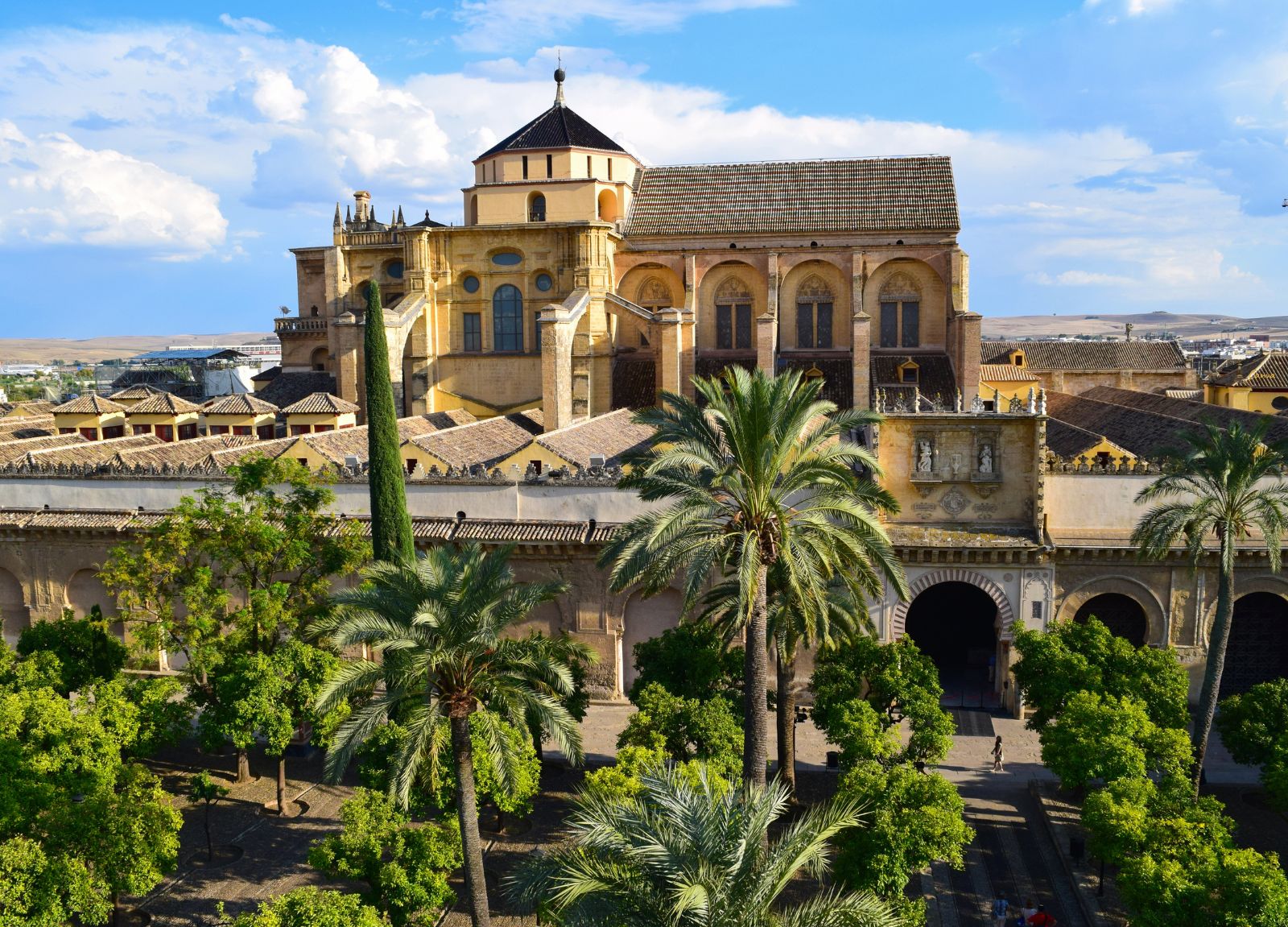
The history of Cordoba is linked to its central role as the capital of the Caliphate of Cordoba in the 10th century. Founded by the Romans as Corduba, it was an important political and commercial center. After the fall of the Roman Empire, it came under Visigothic rule before being conquered by the Muslims in 711. It was under the Umayyad dynasty that it experienced its golden age. It then became the largest city in Western Europe and a major intellectual and cultural center, where scholars, artists, and philosophers mingled in an atmosphere of religious tolerance and exchange. The Great Mosque, which became a cathedral after the Reconquista, is its most eloquent testament.
After the Christian conquest of the city in 1236, Cordoba continued to develop, although its political and economic role diminished in favor of Seville. The imprint of the three cultures— Muslim, Jewish, and Christian —is omnipresent in the city.
How to get to Cordoba from Seville?
Getting to Cordoba from Seville is very easy and several transport options are available.
- The fastest and most comfortable option is the high-speed train (AVE, Avant, etc.). The journey takes approximately 45 minutes, making it ideal for a day trip. Trains frequently depart from Seville's Santa Justa station and arrive at Cordoba's central station.
- If you plan to visit other towns in the region, a car is a good option. The journey via the A-4 motorway takes approximately 1 hour and 30 minutes. However, parking in Cordoba can be difficult, so it's advisable to park on the outskirts and use public transport or walk.
- For a more economical alternative, buses are available, although the journey is longer (approximately 2 hours ). Buses depart from the Plaza de Armas bus station in Seville and arrive at the Cordoba bus station.
What to see and do in Cordoba?
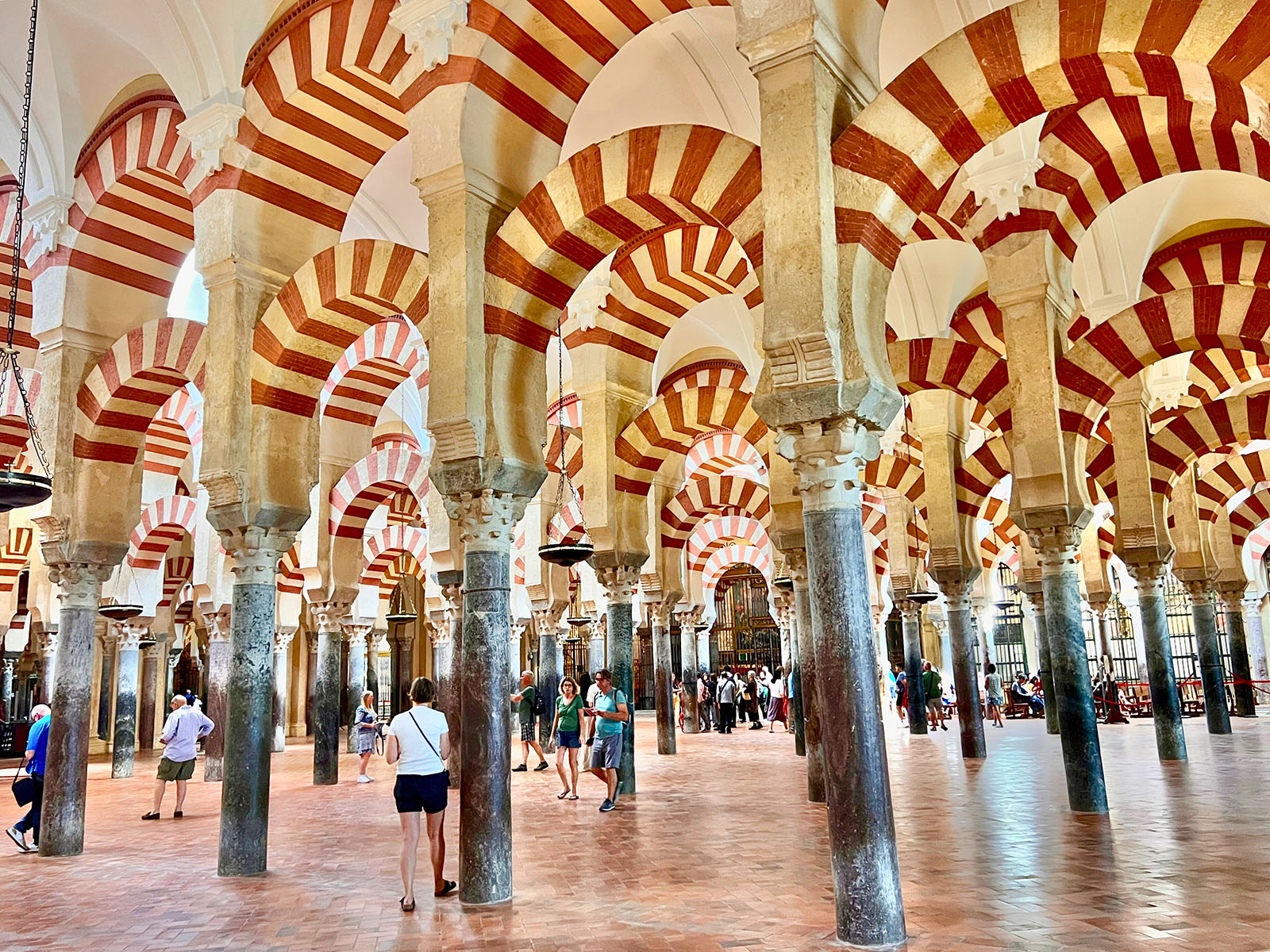
- The Mezquita-Cathedral (Mosque-Cathedral) is Cordoba's most iconic monument and an architectural marvel. Inside, the red and white columns and arches create a mesmerizing perspective. The cathedral, built at the city's center, bears witness to its evolution over the centuries.
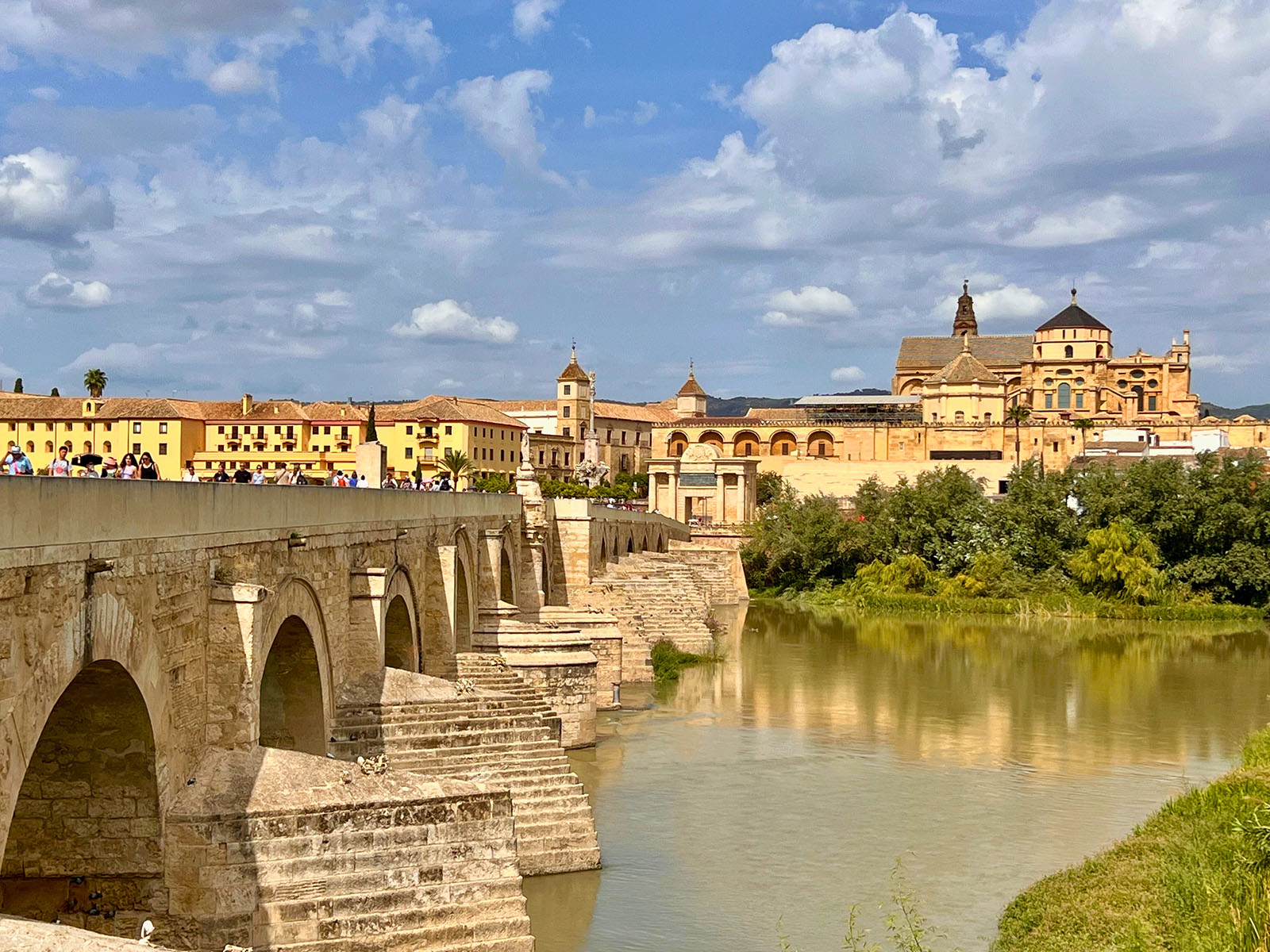
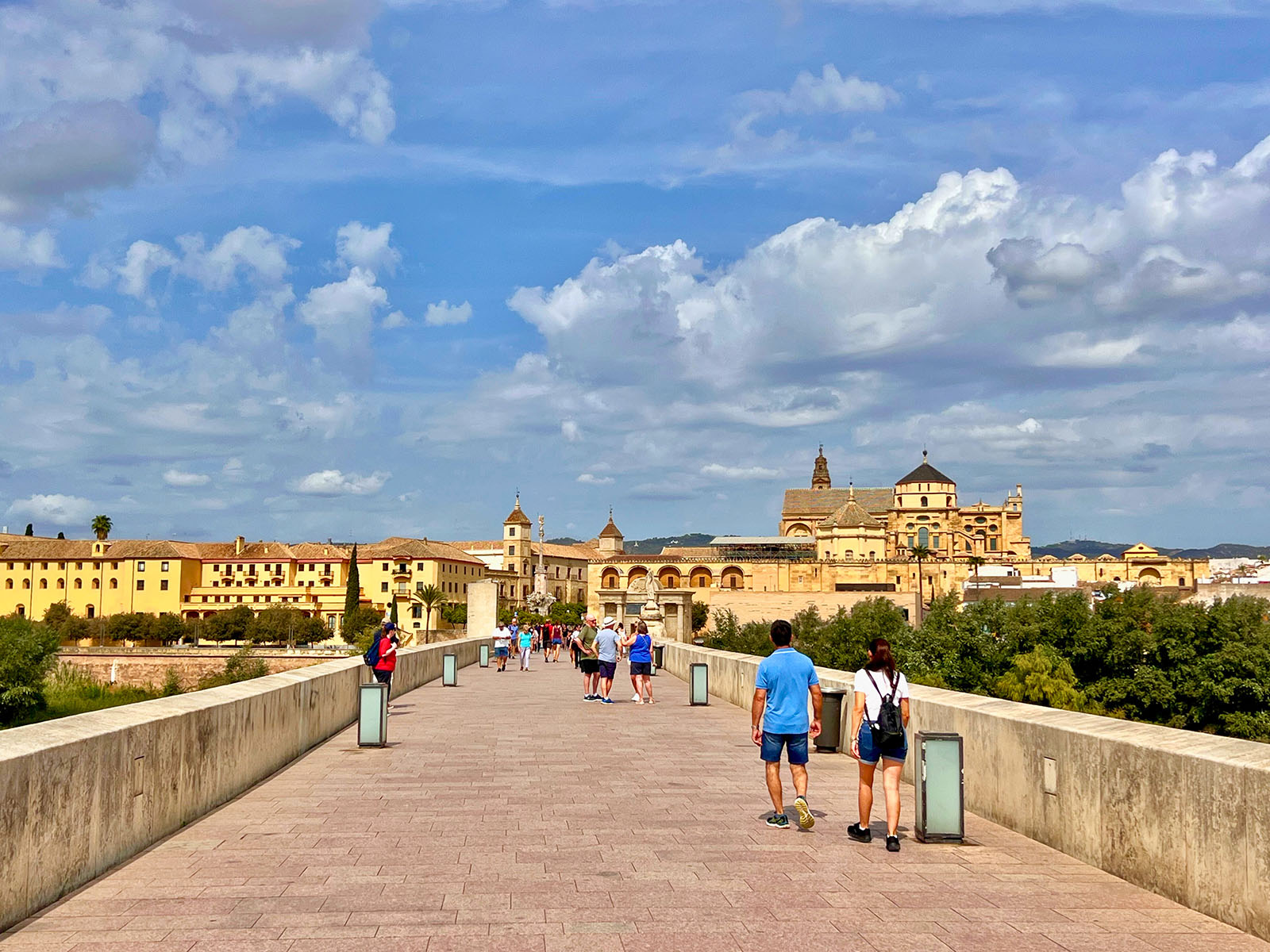
- The Roman Bridge, built in the 1st century BC, is one of the oldest monuments in the city. In the evening, it offers a magnificent setting with the Mosque in the background.
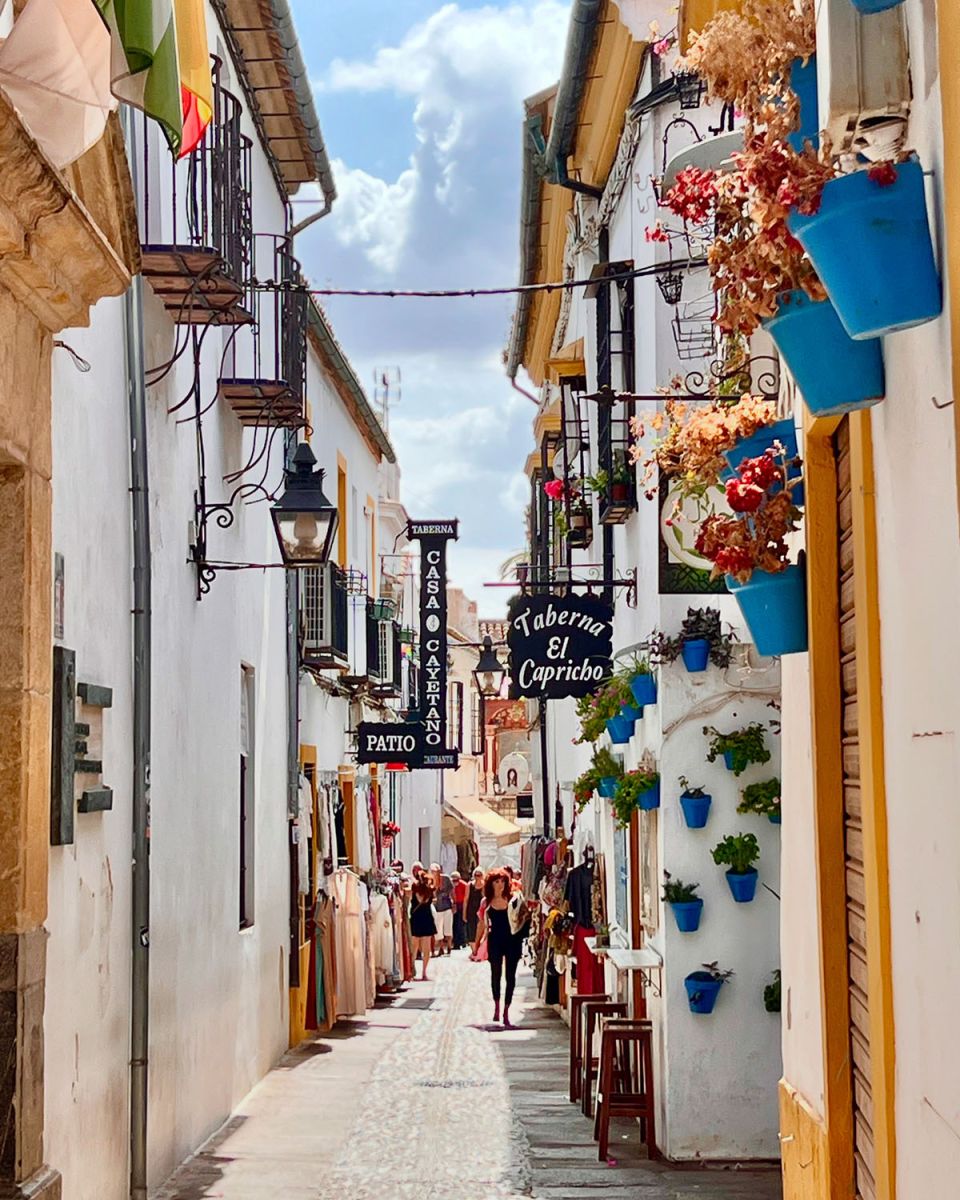
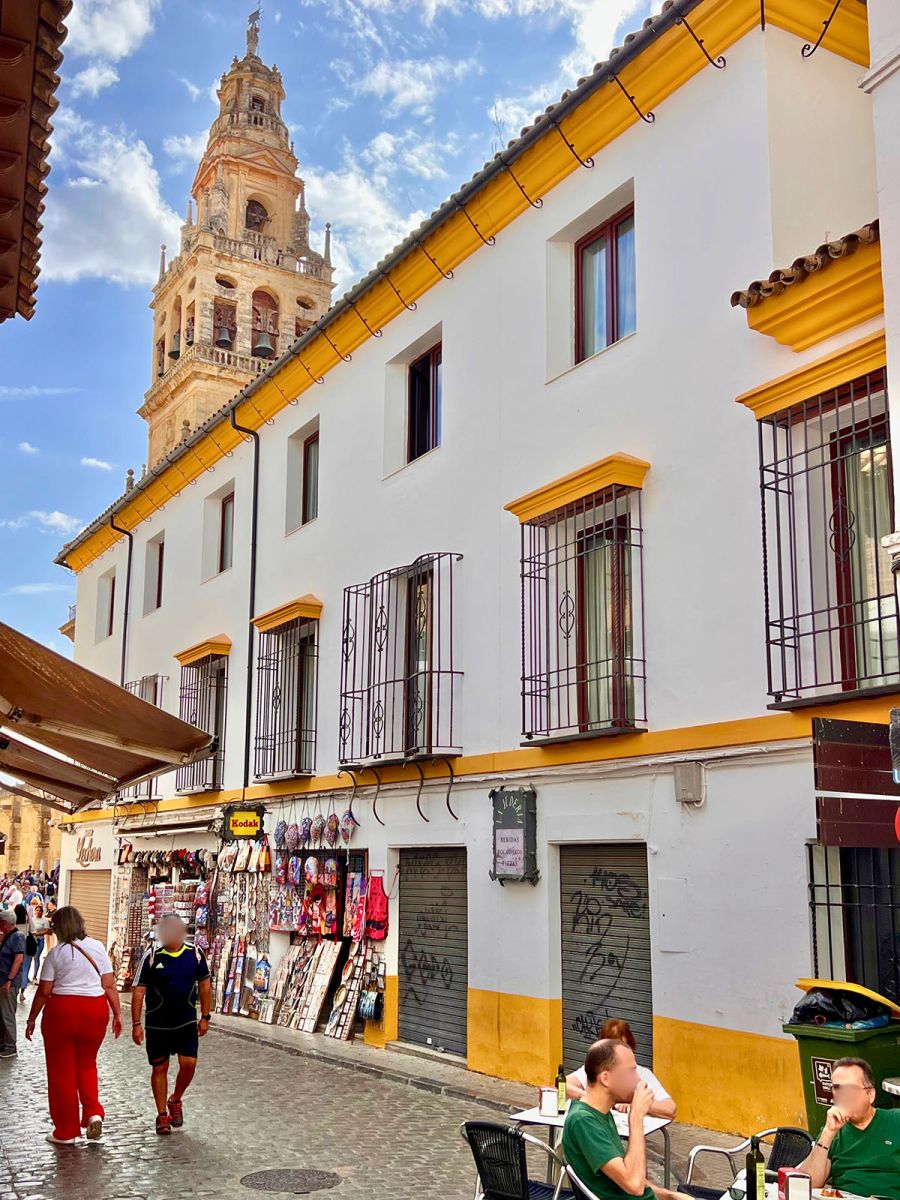
- The Jewish Quarter (Judería), with its narrow, winding streets, whitewashed houses, and flower-filled patios, is perfect for a romantic stroll. There you'll find synagogues, artisan shops, and traditional restaurants.
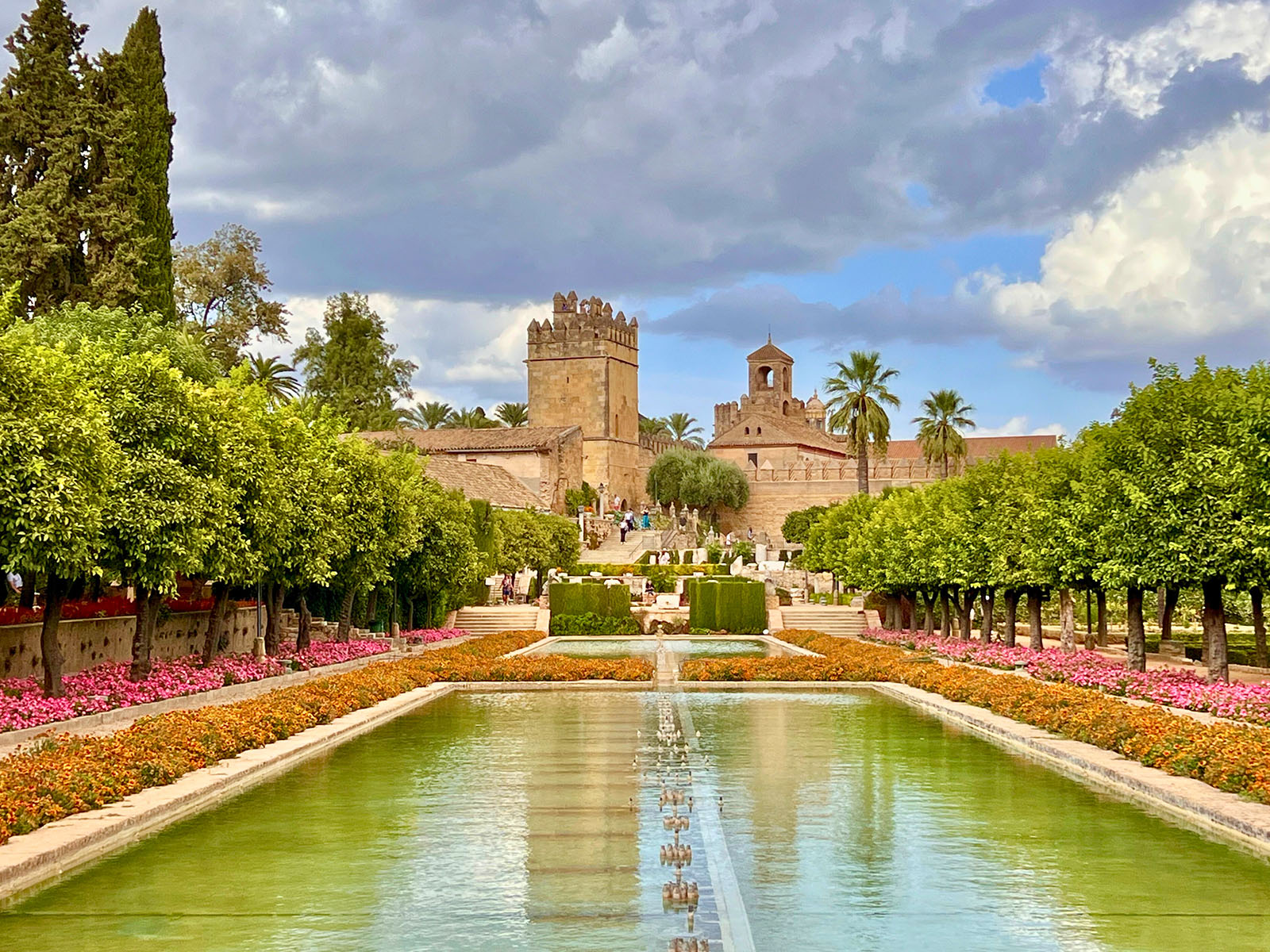
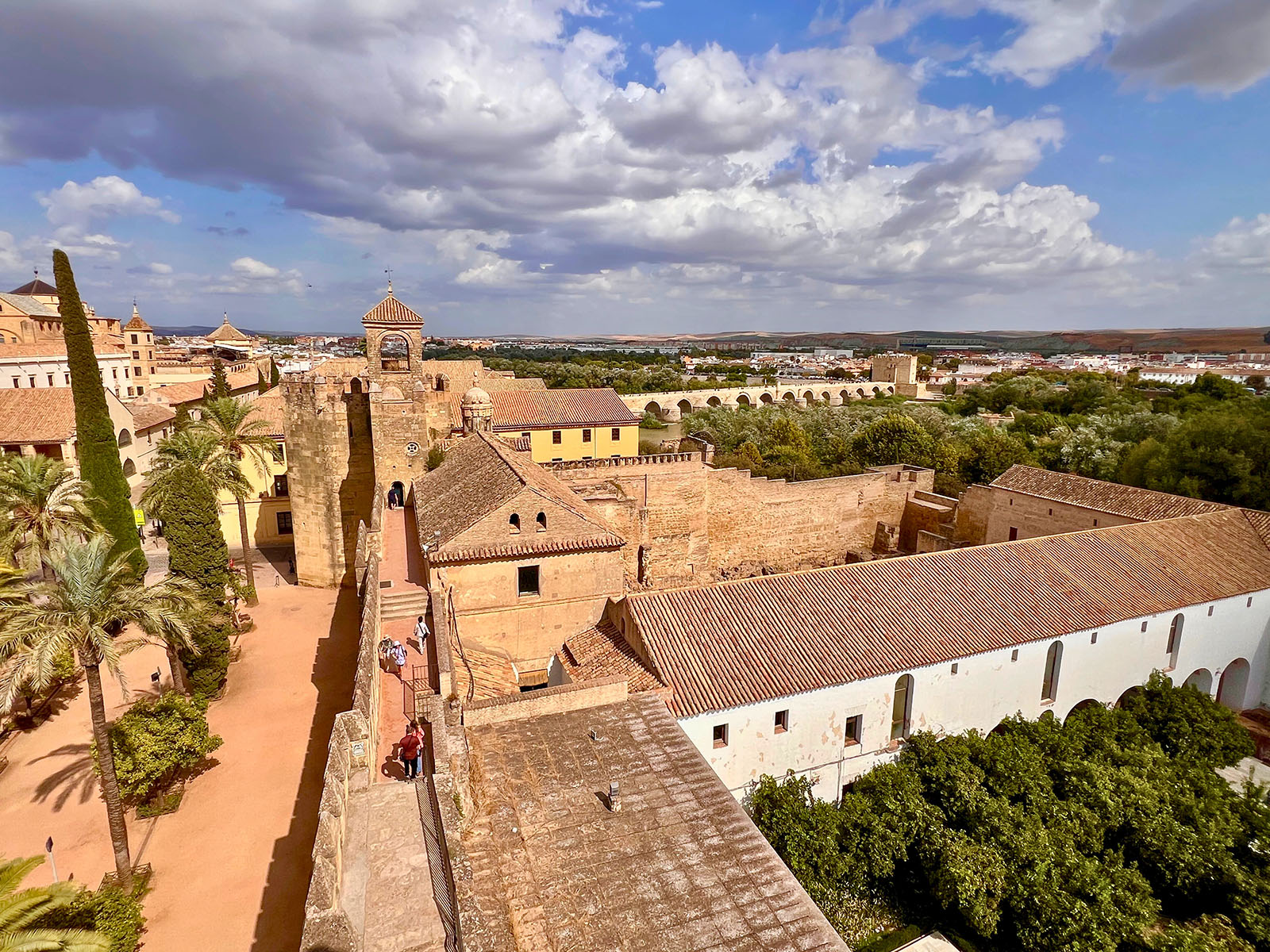
- The Alcázar of the Christian Monarchs (Alcázar de los Reyes Cristianos) was the seat of the Catholic Monarchs. Today, it is famous for its magnificent gardens, pools, and fountains. Its towers offer breathtaking views of the city.
- A typical Cordoba tradition is for residents to decorate their interior patios with flowers and plants. To admire them, it is recommended to visit the city in May during the Patio Festival.
Cordoba is an enchanting city, where history can be read on every street corner and where the past is ever-present.
Top experiences
Caminito del Rey: a complete guide for an unusual experience in Andalusia