- Home page
- Tourism
- Discover Séville
- Discover around Seville
- Malaga
- Discover around Seville
- Discover Séville
- Tourism
Malaga
Automatic translation
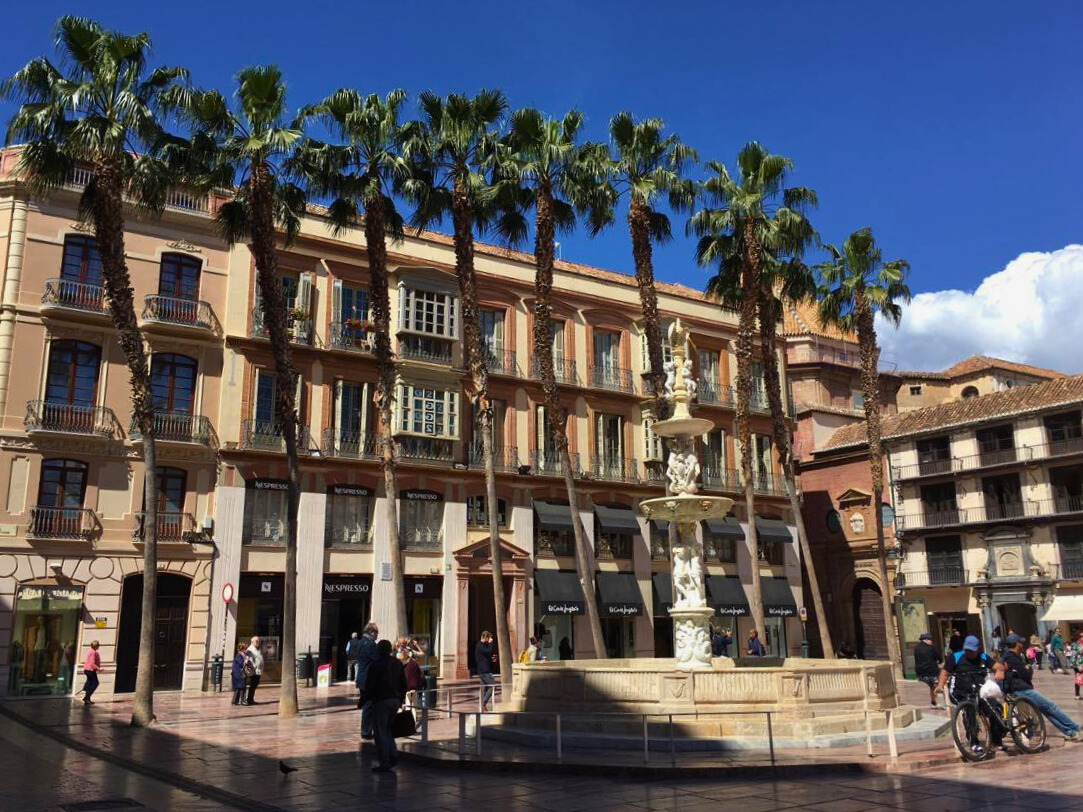
Malaga, the capital of the Costa del Sol, is a cosmopolitan city that has preserved the authenticity of its past while embracing the future. Bathed by the Mediterranean Sea and surrounded by mountains, it offers an exceptional quality of life and a rich cultural heritage, making it a prime destination in Andalusia.
History and identity of Malaga
Malaga's history is a melting pot of civilizations. Founded by the Phoenicians in the 8th century BC as Malaka, the city has always been a commercial and strategic crossroads. It then came under Roman rule, which left behind a theater, before being conquered by the Visigoths and then incorporated into the Caliphate of Cordoba at the beginning of the 8th century by the Moors. The period of Muslim rule, which lasted nearly eight centuries, was a time of great growth for the city. It became a major port and a flourishing economic and cultural center, as evidenced by the Alcazaba, an impressive palatial fortress.
The Christian reconquest by the Catholic Monarchs in 1487 marked a turning point. Malaga, under Spanish rule, developed over the centuries thanks to its trade, particularly in wines and raisins. The arrival of the 19th century saw it become one of the country's leading industrial centers.
Today, Malaga asserts itself as a fully-fledged Spanish and Andalusian city. Its identity is a subtle blend of Moorish heritage, Andalusian fervor with its traditions and flamenco culture, and modern dynamism.
From Seville to Malaga: transport options
Getting to Malaga from Seville is relatively simple, as the two cities are well connected.
- The train is the fastest option. The high-speed rail line (AVE or AVANT) connects the two Andalusian capitals in about 2 hours. It's a comfortable and efficient way to travel.
- The drive takes approximately 2 hours and 30 minutes, taking the A-92 highway to Antequera, then the A-45. This is a good choice if you want freedom of movement and to make stops along the way.
- Bus companies like Alsa or Avanza offer numerous daily connections between Seville and Malaga. The journey is longer (around 3 hours ), but often cheaper.
- Platforms like BlaBlaCar are very popular in Spain. They offer an economical and user-friendly alternative for making the journey.
The must-sees of Malaga
Once there, Malaga reveals its treasures.
- The Alcazaba and the Roman Theatre stand side by side on the slopes of Gibralfaro Hill. They tell the story of the city. The Alcazaba, a superbly preserved Moorish fortress, offers breathtaking views of the city and the port, while the Roman Theatre, discovered by chance, is a vestige of the ancient period.
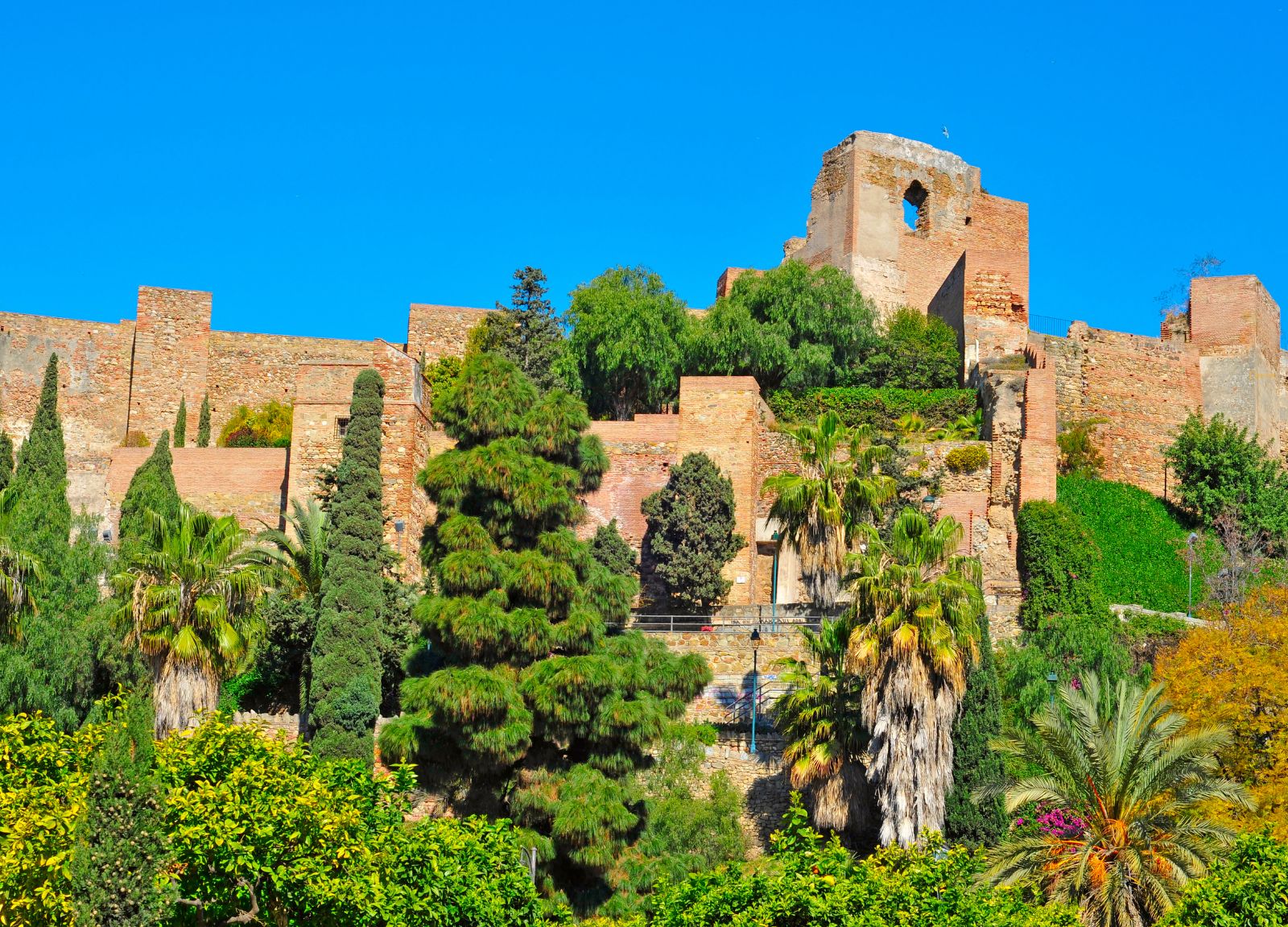
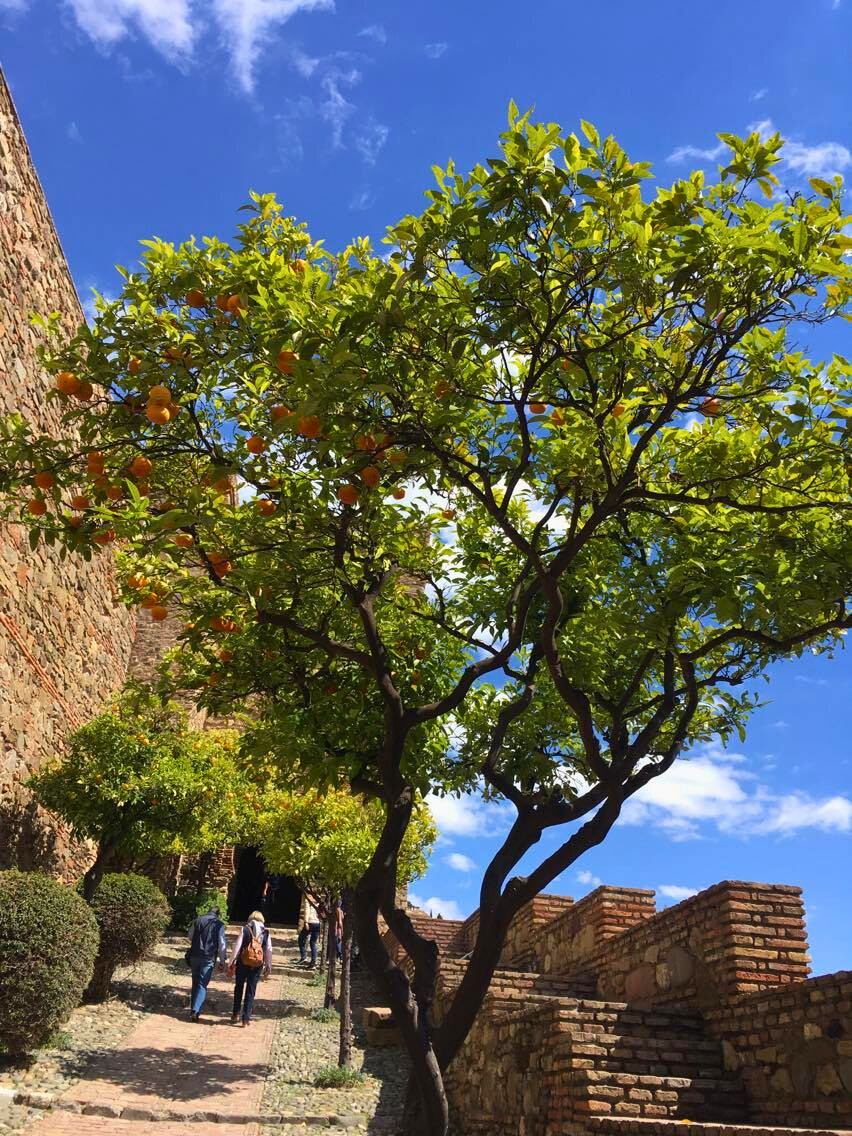
- At the top of the hill, Gibralfaro Castle offers a breathtaking panoramic view of the entire Bay of Malaga and its surroundings. It's an ideal place for a stroll and to understand the city's topography.
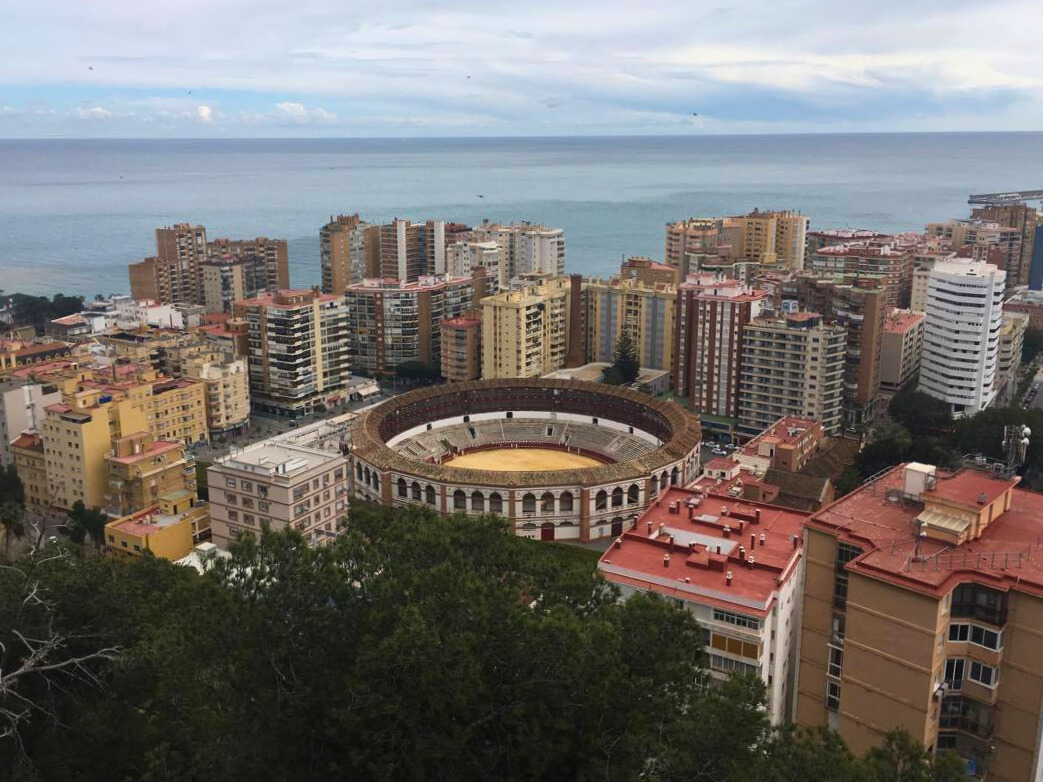
- The Plaza de Toros de La Malagueta, built in an elegant neo-mudéjar style, is one of the most emblematic bullrings in Spain, notably hosting the famous Corrida Picassiana during the Easter festivities.
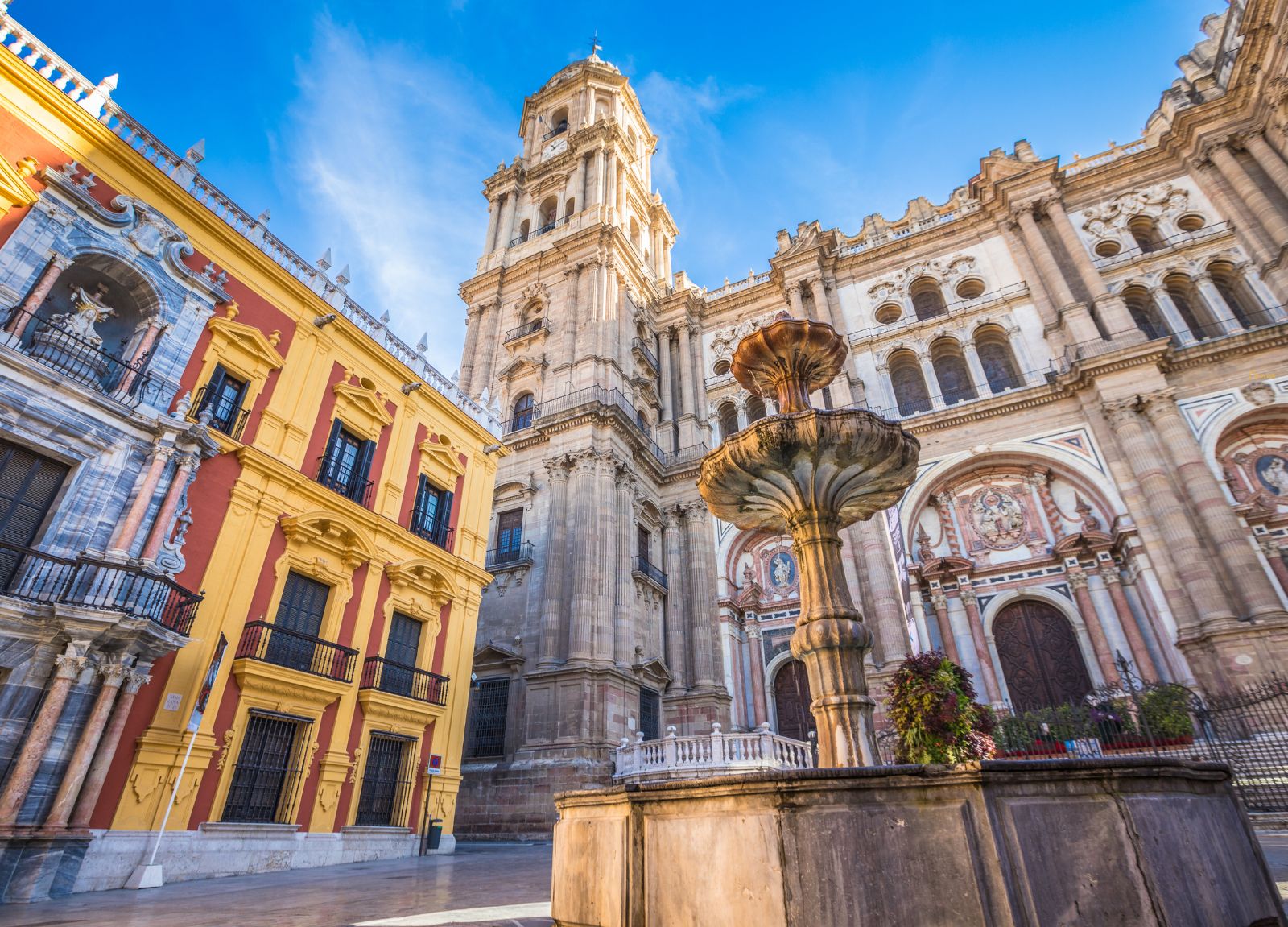
- The Picasso Museum, located in the magnificent Buenavista Palace, houses an important collection of over 200 works by the artist.
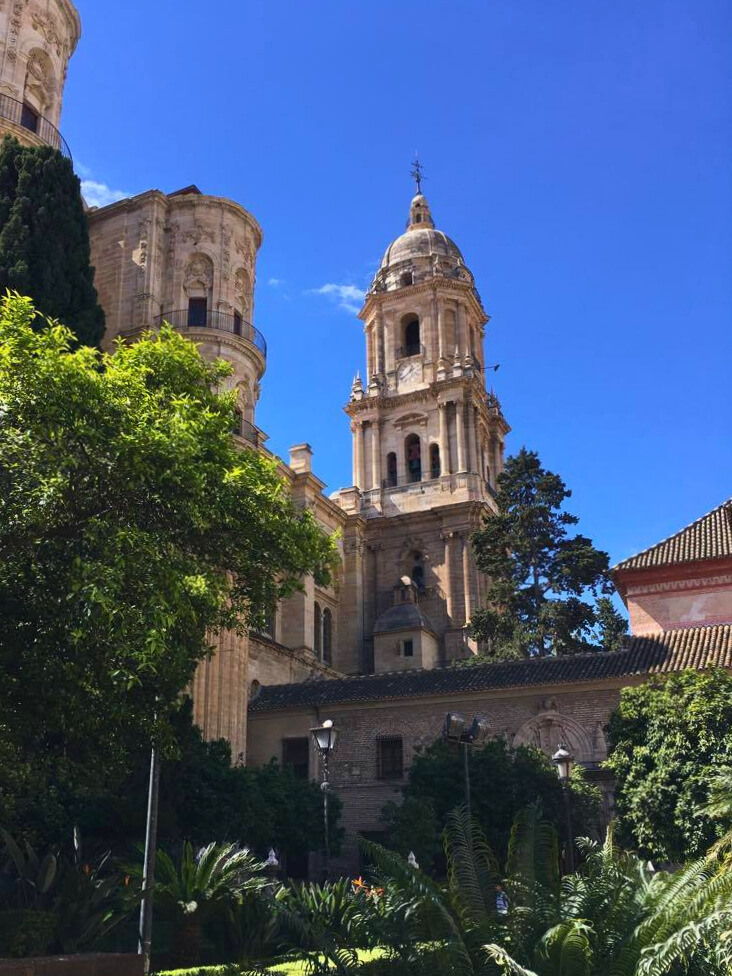
- Nicknamed "La Manquita" (the one-armed woman) because it has only one tower, the imposing Renaissance-style Cathedral of the Incarnation is an iconic monument of the city.
- Muelle Uno is a renovated marina. It is ideal for a stroll along the water and houses shops, restaurants and the Centre Pompidou.
- The Centre Pompidou Malaga is an offshoot of the famous Parisian centre, recognizable by its coloured glass "cube". It presents a collection of modern and contemporary art.
- For relaxation, Malagueta beach is the closest to the city center. For a more local atmosphere and to sample delicious espetos (grilled sardines), head to Pedregalejo beach.
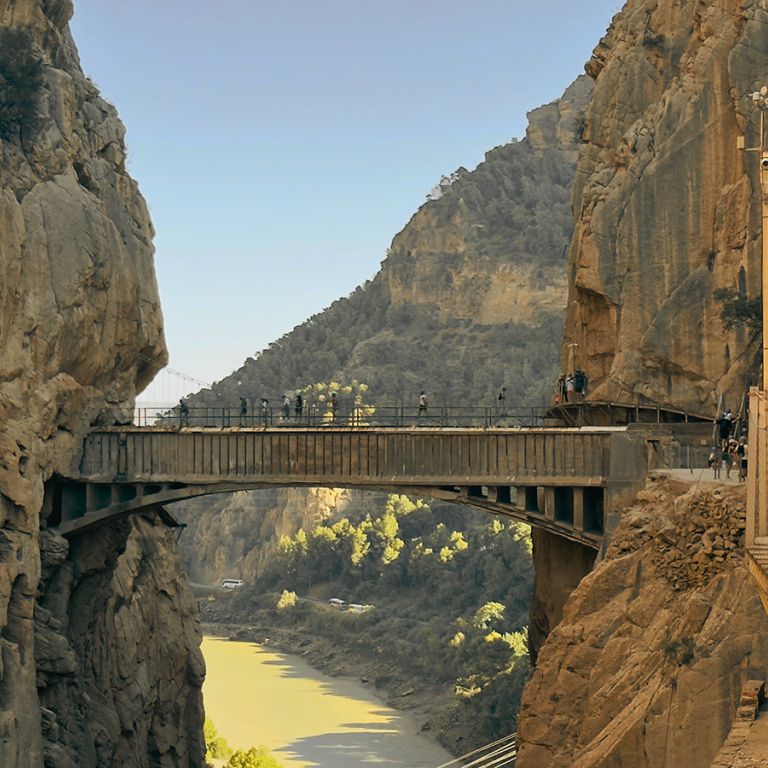
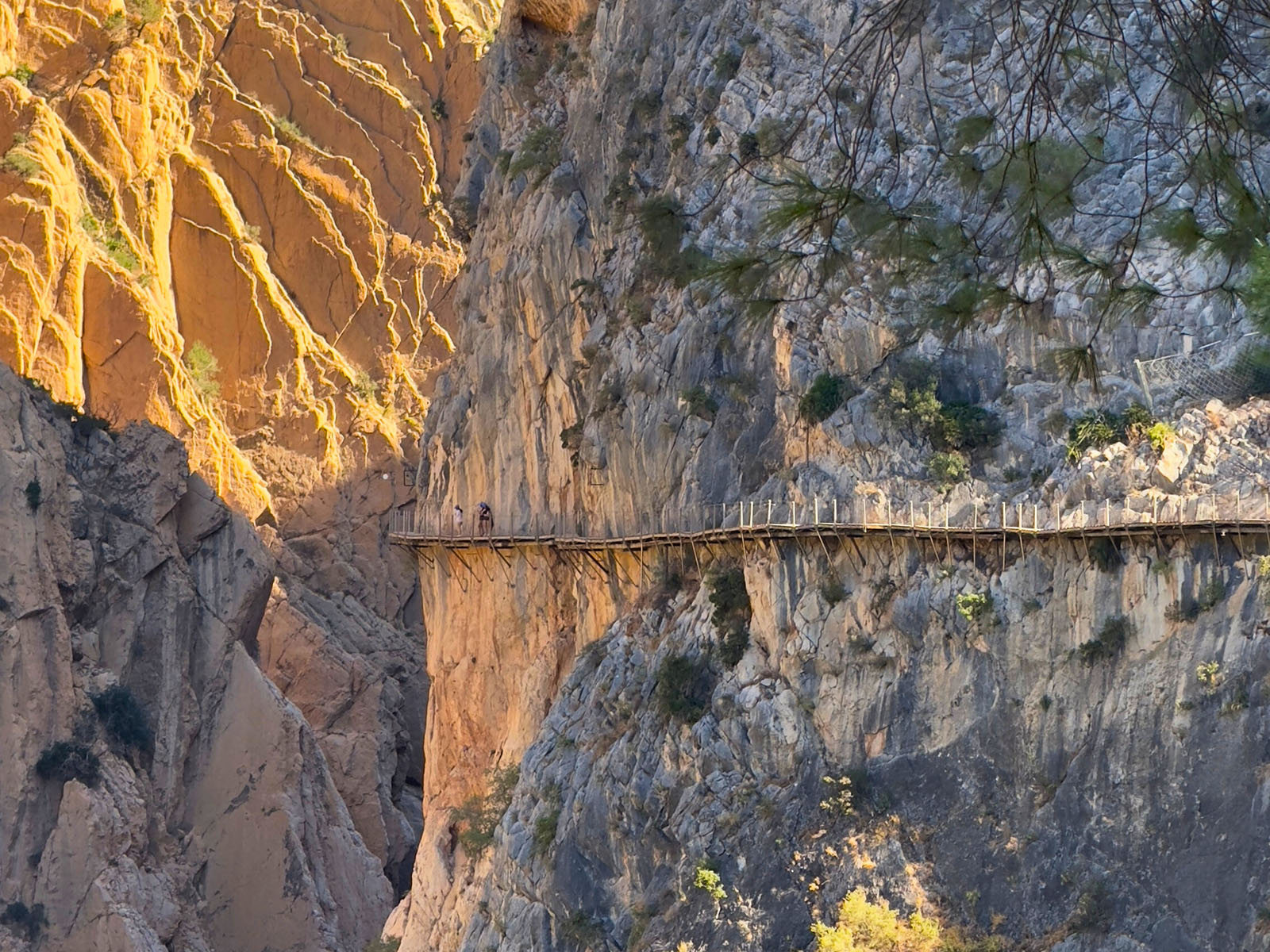
- A little further on, don't miss the Caminito del Rey, a spectacular trail along the gorges.
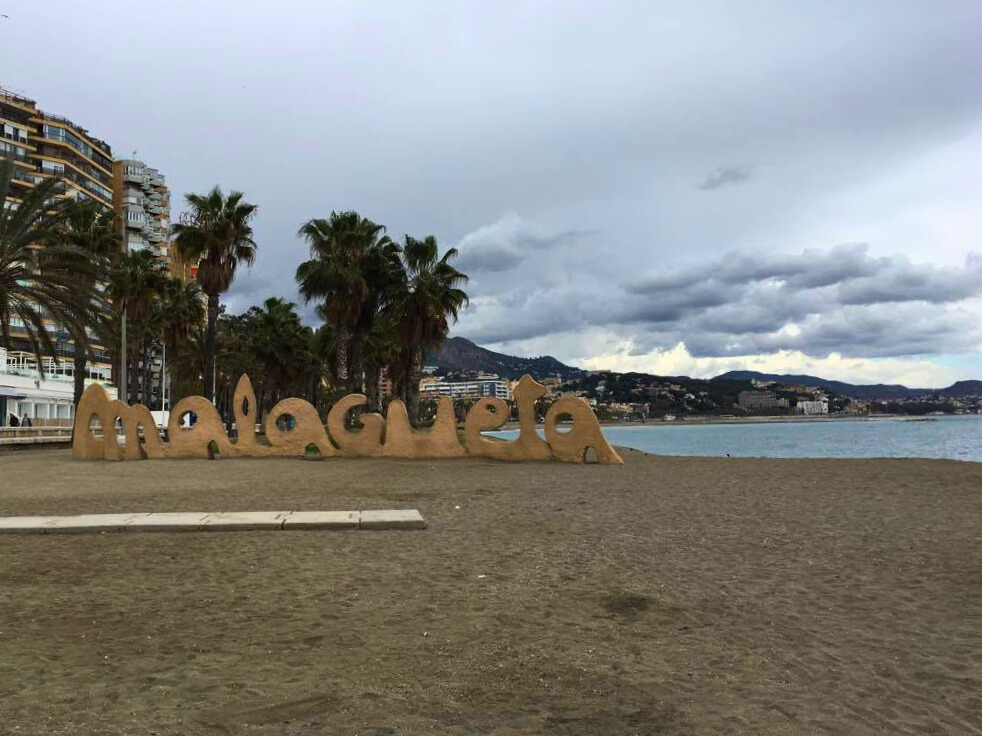
Malaga is a city that reveals itself by wandering its streets, between its historical monuments, its museums, its lively neighborhoods and its gentle Mediterranean lifestyle.
Top experiences
Caminito del Rey: a complete guide for an unusual experience in Andalusia