- Home page
- Tourism
- Discover Séville
- Neighborhood by neighborhood
- Nervión, San Pablo-Santa Justa & Cerro-amate
- Neighborhood by neighborhood
- Discover Séville
- Tourism
Nervión, San Pablo-Santa Justa & Cerro-amate
Automatic translation
Welcome to contemporary Seville, far from the medieval alleyways and flowery patios. It is dominated by the Nervión district, the city's economic and commercial hub, famous for its shopping centers, modern architecture and its central role in Sevillian sport.
To the north, San Pablo - Santa Justa is the city's main transport hub, home to the train station. Finally, the southeastern area, including Cerro Amate, is more residential and working-class, offering a glimpse into the daily lives of Sevillians away from the tourist crowds. Together, these districts illustrate Seville's urban growth, blending shopping, business tourism, and a passion for football.
10 experiences to discover modern Seville
- Vibrate at the Ramón Sánchez Pizjuán Stadium.
- Go shopping at Nervión Plaza and El Corte Inglés.
- Getting lost in Santa Justa Station.
- Strolling through the Buhaira Gardens.
- Take a walk in Miraflores Park.
- Venture into the Cerro Amate neighborhood.
- Sample local specialties in the surrounding bars.
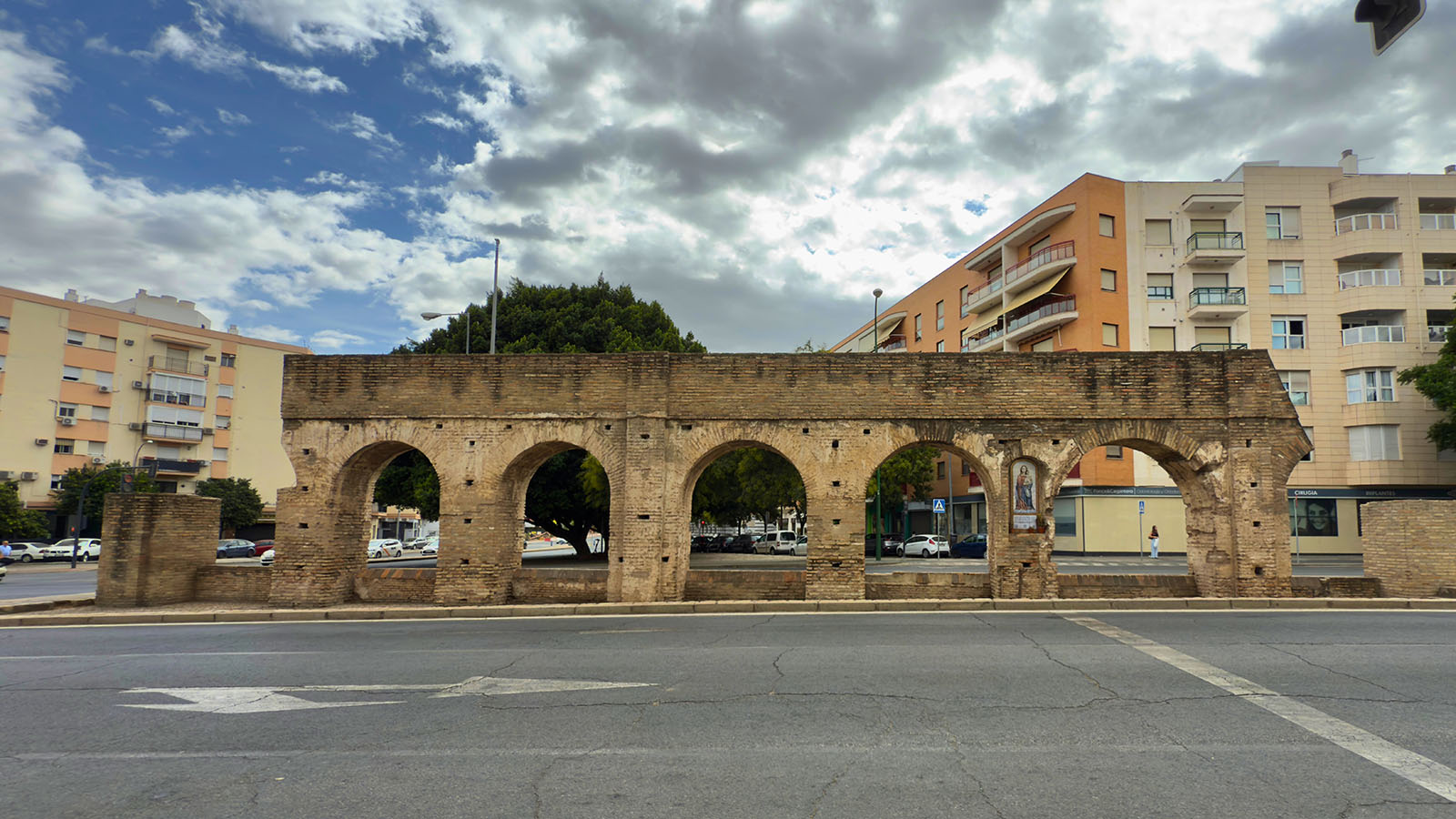
- Admire the Caños de Carmona.
- Go bowling at the Los Arcos Shopping Centre.
- Sleep in comfortable hotels away from the hustle and bustle of the historic center.
Our walking itinerary for visiting the neighborhood
The Seville City Guide focuses its itinerary on the commercial and sporting heart of Nervión as well as the infrastructure of San Pablo.
📍 Step 1: Santa Justa Station
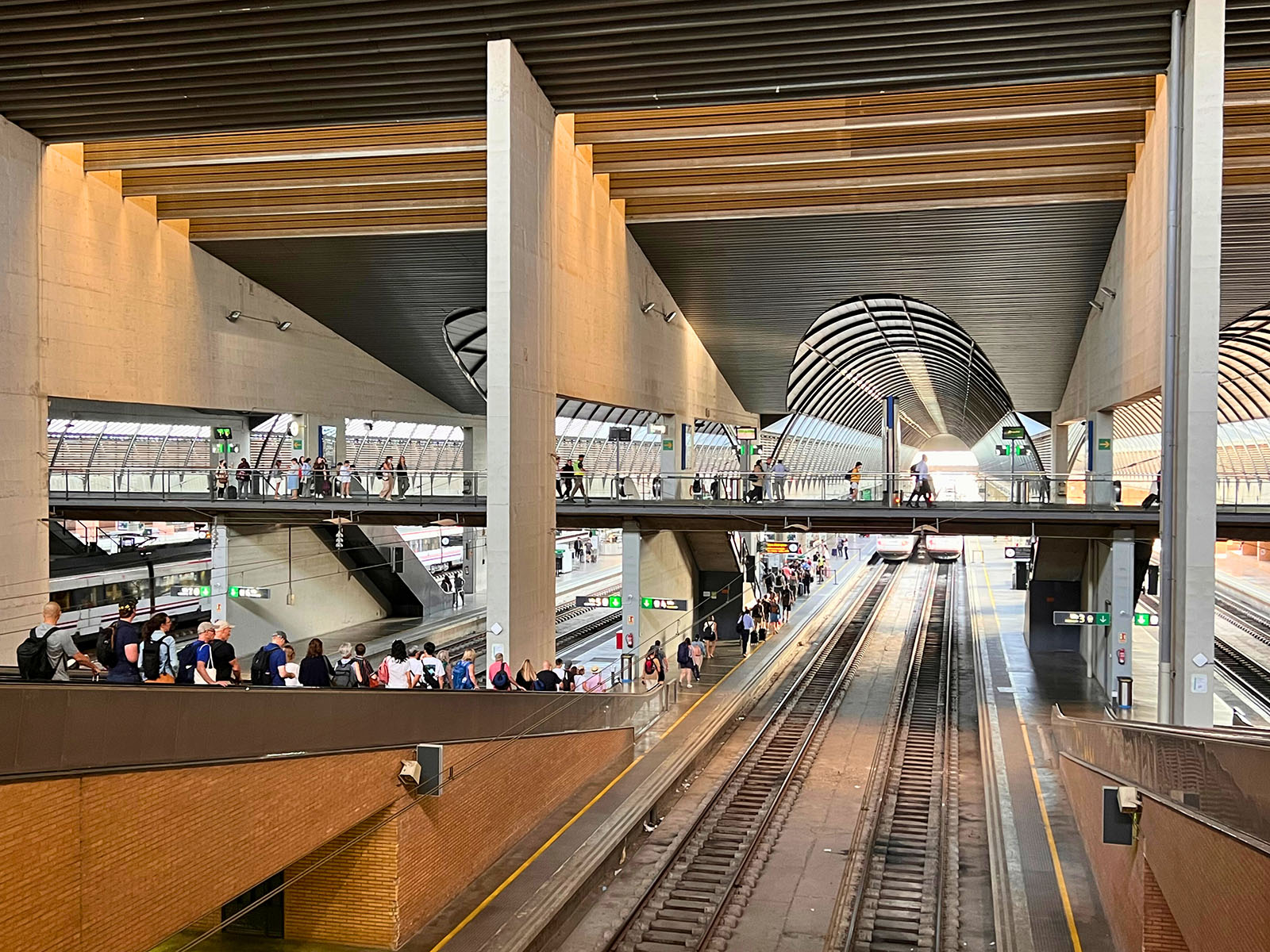
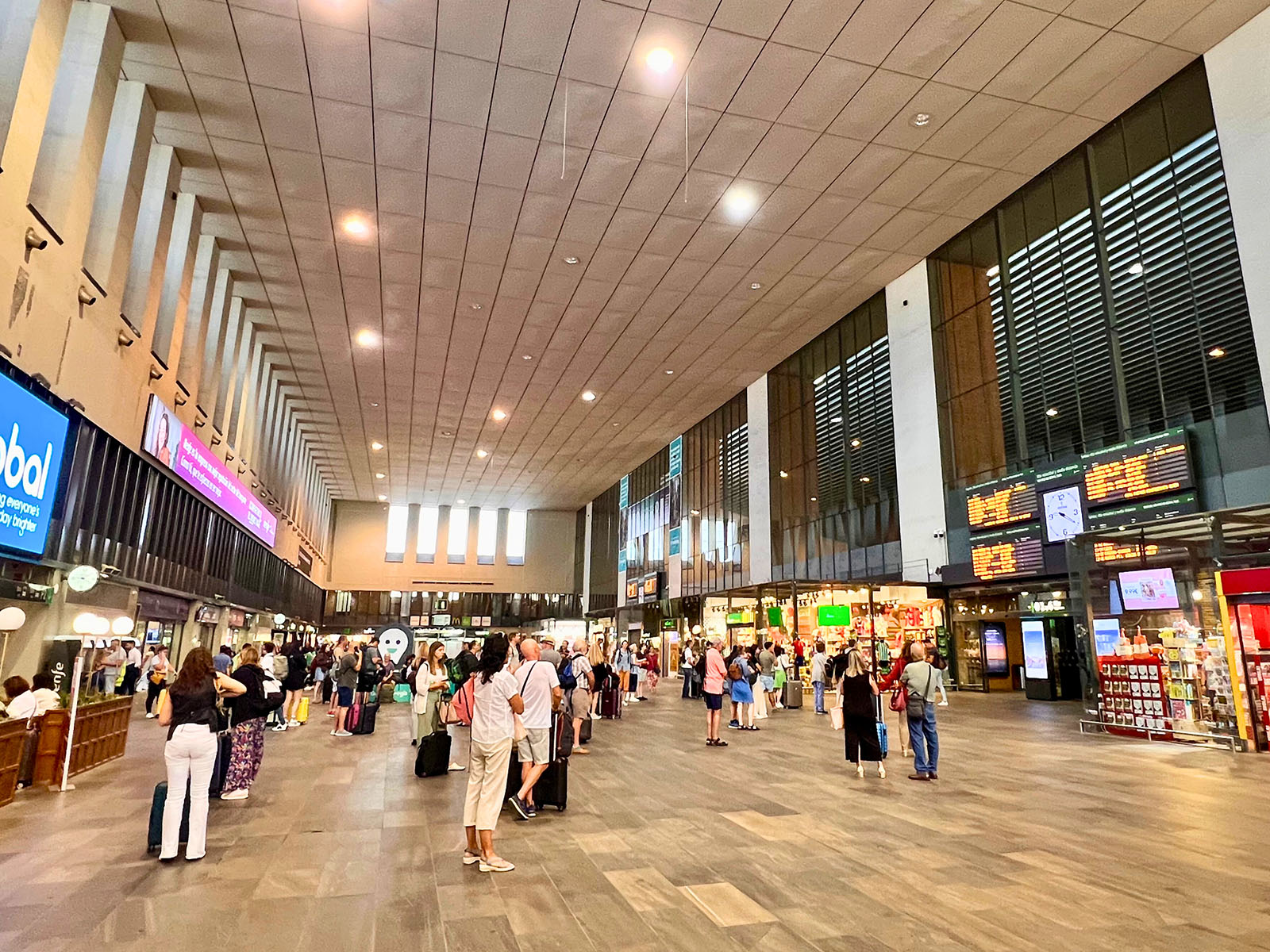
Begin your exploration at Santa Justa Station, Seville's main railway gateway.
This train station is an important landmark in Andalusia, connecting Seville to Madrid in just a few hours. Its modern architecture is striking, featuring steel, glass, and brick structures typical of contemporary Andalusia. You'll also find various shops, including a well-known Spanish chain: Ale-Hop.
📍 Step 2: El Corte Inglés
Leave the train station via Kansas City Avenue and head towards the commercial heart of Nervión, dominated by the El Corte Inglés department store. This chain is a Spanish institution. In the context of Nervión, it symbolizes the neighborhood's rise as an economic hub.
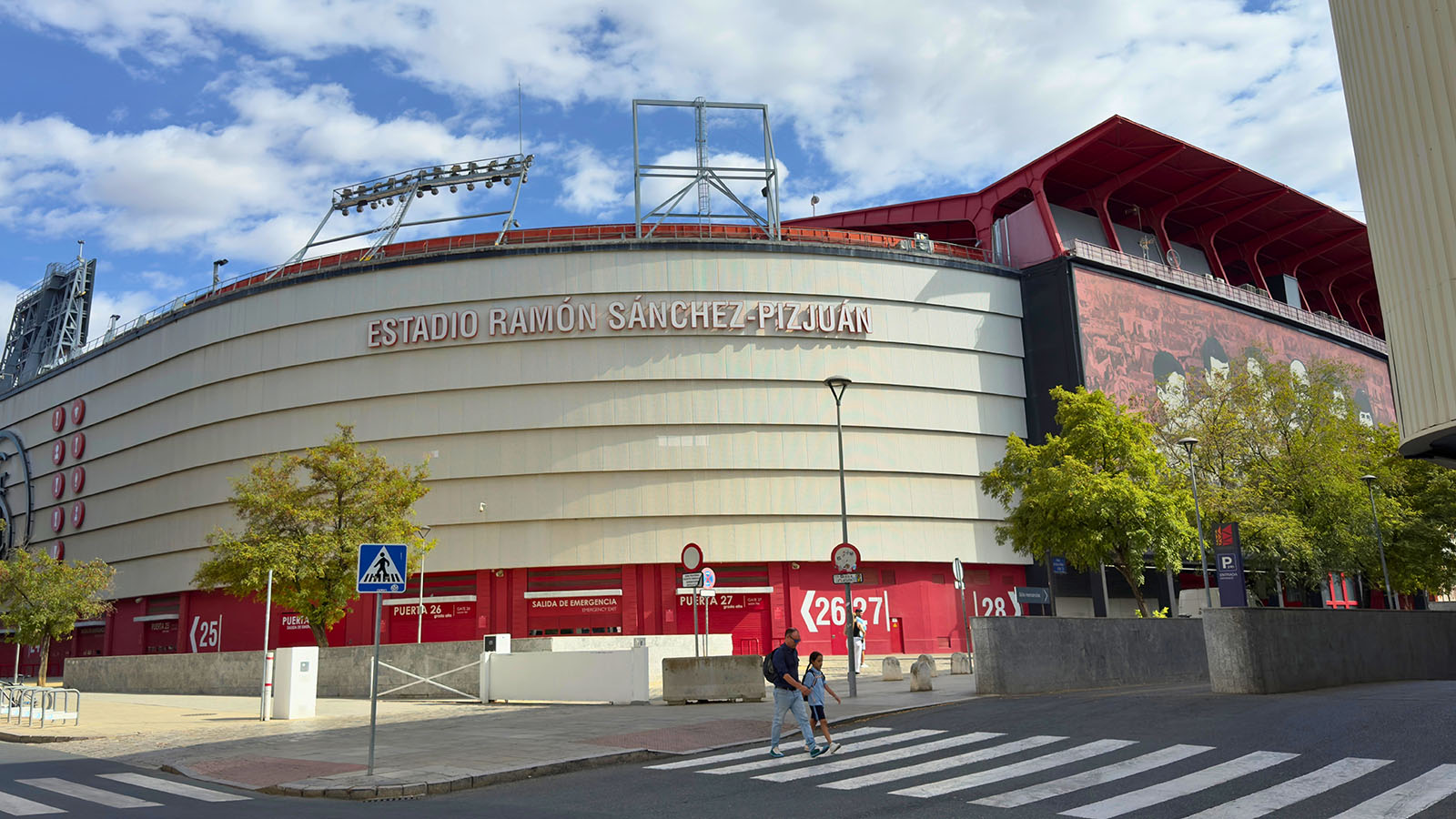
📍 Stage 3: Ramón Sánchez Pizjuán Stadium
Continue your walk until you reach the imposing Ramón Sánchez Pizjuán Stadium, in the heart of Nervión.
This stadium is not just a sports arena; it is the temple of Sevilla Fútbol Club. The grounds vibrate with the passion of football, one of Seville's religions. It is famous for its role in international matches (European Cup final in 1986).
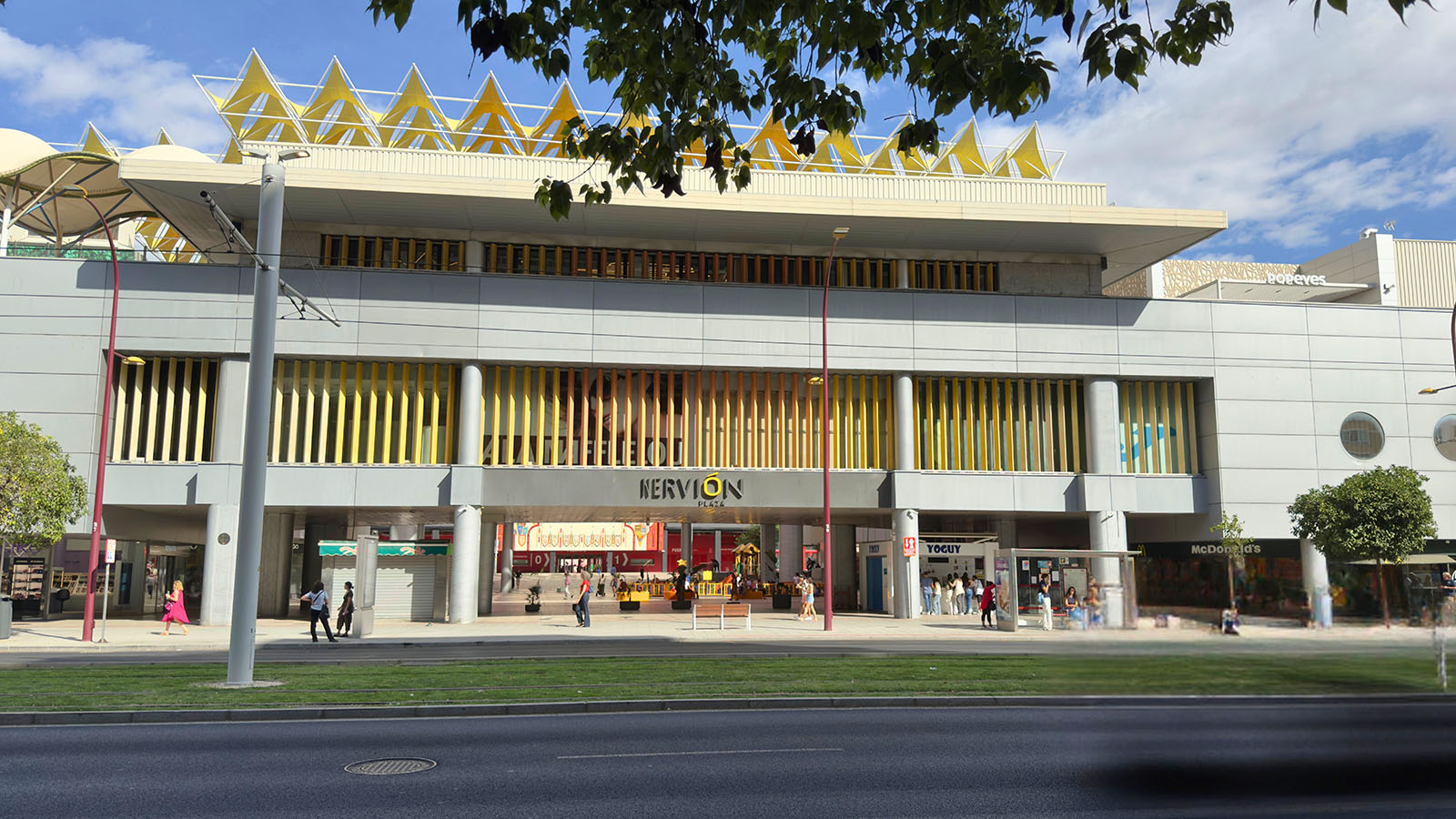
📍 Step 4: The Nervión Plaza Shopping Centre
Cross the avenue to one of the neighborhood's main leisure and shopping hubs. The Nervión Plaza shopping center is a popular spot for young people and families in the area. It combines shops, restaurants, and a large cinema complex.
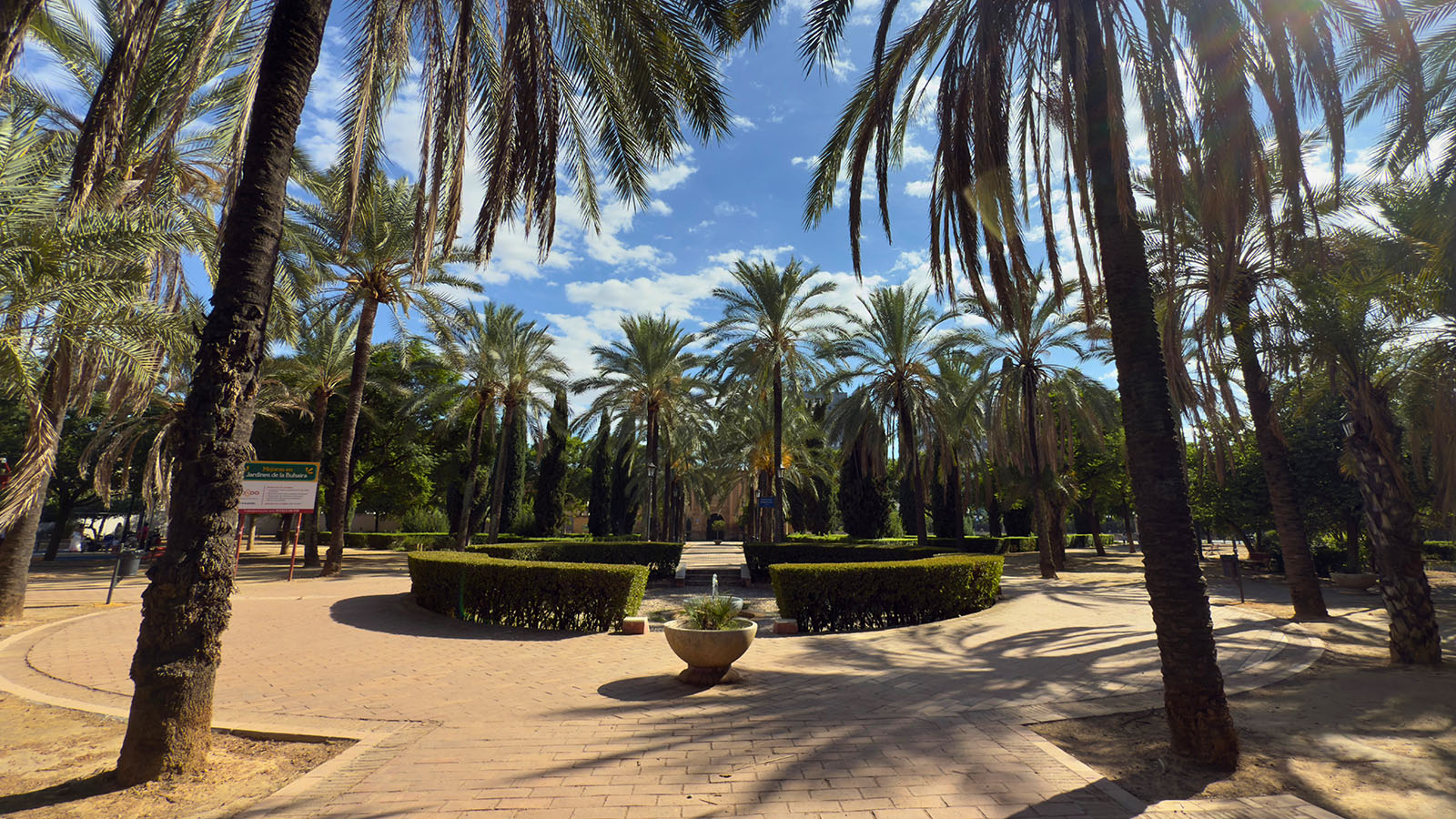
📍 Step 5: The Buhaira Gardens
After a day of shopping, there's nothing better than taking a breath of fresh air in a verdant oasis, just a short walk away. The Buhaira Gardens are the remains of a 12th-century Almoravid farm, built to supply the city with water and agricultural produce. They offer a welcome respite. A welcome addition to the modern neighborhood is greenery.
📍 Stage 6: Parque Central de Bomberos de Sevilla Nº2
Finish your walk by heading southeast to reach the central fire station. This place, while highly functional, is a unique architectural landmark. The central fire station is a large, modern institutional building that is hard to miss.
All the tips you need to know to visit Nervión, San Pablo - Santa Justa and Cerro-Amate
This vast area represents the business and transport center of Seville, and requires a different exploration strategy, far from the medieval alleyways.
Navigating the heart of modern transportation
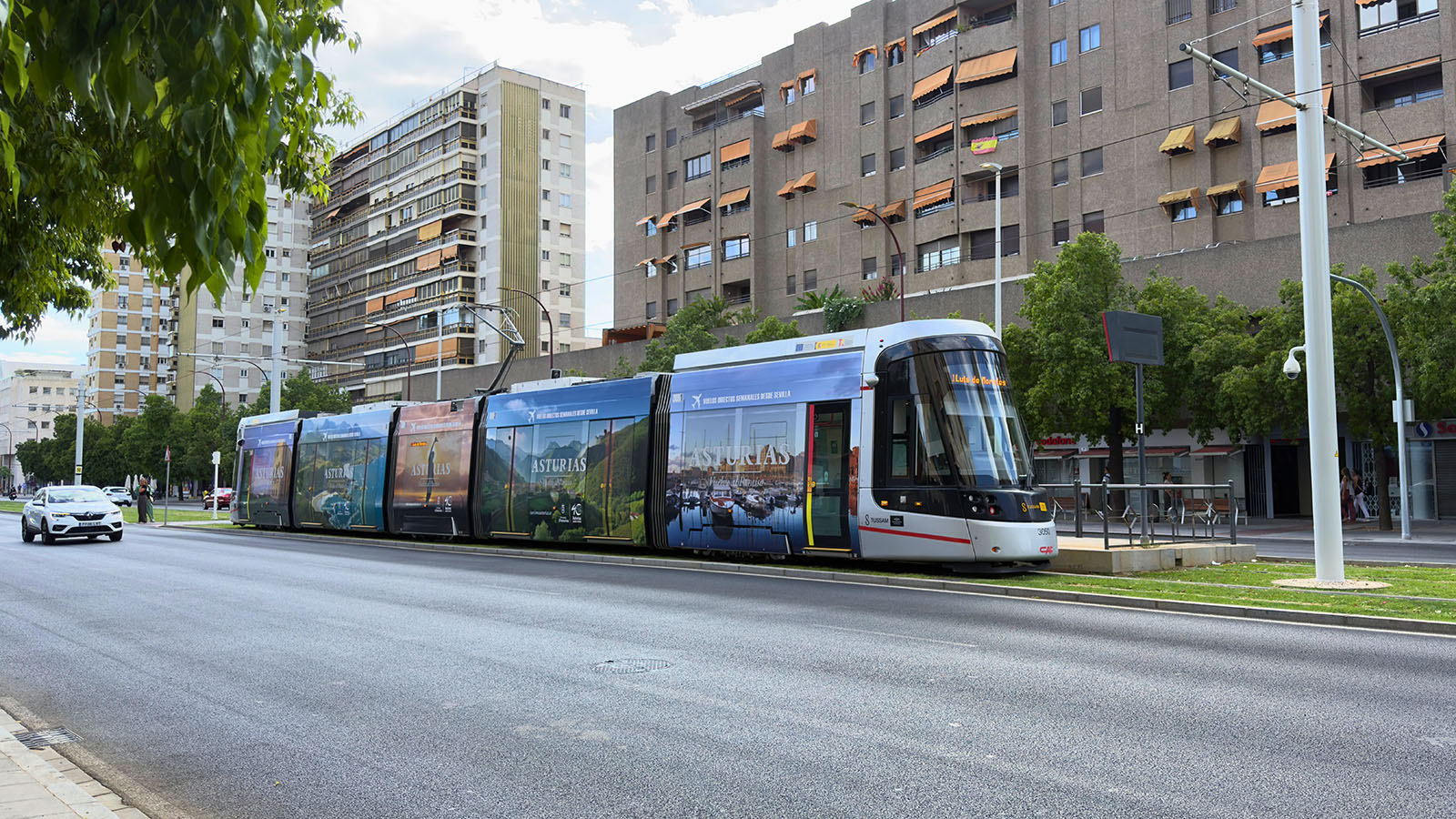
Unlike the La Macarena district or the historic center, Nervión is the area best served by Seville's metro and tram network. Use the Nervión or Gran Plaza stations for efficient travel. It's the fastest way to reach the commercial heart of the city without getting stuck in traffic.
Don't think of the train station as just a place to pass through. It's an architectural landmark and an excellent place to start or end your day. Its facilities (shops, bus connections) are very convenient.
Finally, to explore more distant neighborhoods like Cerro Amate, the bus becomes essential. The local lines offer a direct immersion into Seville's residential urban landscape.
Eat away from tourist areas
In the Nervión area, tapas bars often cater to a clientele of office workers and employees. Expect more modern cuisine, sometimes served more quickly, but offering good value for money with daily lunch specials (between 1:30 pm and 3:30 pm).
If you venture into the southeast (Cerro Amate), you'll find bars and taverns of rare authenticity. They have no touristy focus. It's the perfect place to enjoy simple, unpretentious dishes with a warm welcome and a truly local atmosphere.
Top experiences
Caminito del Rey: a complete guide for an unusual experience in Andalusia