- Home page
- Tourism
- Coming to Seville
- Practical advice
- Language
- Practical advice
- Coming to Seville
- Tourism
Language
Automatic translation
Seville is a city where the language, like its culture, is vibrant and full of character. Castilian (or Spanish) is spoken here with its own pronunciation and vocabulary, reflecting the richness of Andalusian culture.
The Spanish language, or "Castilian" as the Spanish call it, is a Romance language that evolved from Vulgar Latin, primarily in the Castile region. Over the centuries, its expansion was closely linked to the Reconquest, and it became the official language of the Kingdom of Spain.
In Seville and Andalusia, the language developed its own peculiarities, mainly in terms of phonetics and rhythm. The Andalusian dialect, although mutually intelligible with standard Castilian, has notable differences:
- Seseo : This is the most well-known characteristic. " Seseo " consists of pronouncing the "c" (before e and i) and the "z" like an "s".
For example, "Gracias" is pronounced "Grathias" in standard Castilian, but "Grasias" in Seville.
- The aspiration of the "s" : in certain positions, particularly at the end of a syllable, the "s" is aspirated, or even completely omitted.
For example, "estos" (these) is pronounced "ehtoh".
- Final consonant dropping : The letter "d" at the end of a word is often omitted. "Usted" (politely "you") is often pronounced "usté."
- A faster pace : the rate of speech is generally faster than in Castile.
These specificities give Sevillian Spanish its musicality and distinctive charm. While this may seem surprising at first, you quickly get used to it.
Don't speak a word of Spanish? Don't worry!
In tourist areas, English is quite widely spoken. You'll always find someone to help you in English in hotels, larger restaurants, travel agencies, and shops in the city center. However, as soon as you stray off the beaten track, for example, to traditional tapas bars in less crowded neighborhoods, it's rare to find English speakers.
Regarding French, the situation is similar. Many Spaniards learned French at school, but everyday practice is limited. In very touristy areas, some shopkeepers or hotel staff may speak a few words, but don't expect to be able to hold a fluent conversation. A good practice is to start the conversation in Spanish, even if it's with a limited vocabulary, to show that you're making an effort. The proud and welcoming Sevillians will appreciate the approach.
On the other hand, in Seville, it's not uncommon to find many French people in the streets. So you won't really feel disoriented!
Travel glossary for conversation in Seville
For a successful trip, knowing a few basic words and expressions will be of great help to you and will open the doors to a more authentic exchange.
- Hello: ¡Hola! ;
- Good morning (morning): Buenos días;
- Good morning (afternoon): Buenas tardes;
- Good evening/good night: Buenas noches;
- Please: Por favor;
- Thank you: Gracias;
- You're welcome: Nothing;
- Yes / No: Sí / No;
- Excuse me: Perdón / Disculpa;
- I don't speak Spanish: No hablo español;
- Do you speak English/French? : ¿Habla inglés/francés? ;
- West... ? : ¿Dónde está...? ;
- How much does...? : ¿Quánto cuesta...? ;
- The bill, please: La cuenta, por favor;
- My name is... : Me llamo... ;
- Enchanted: Encantado(a)...
Glossary of dishes and gastronomy in Seville
Gastronomy is an essential part of the Sevillian experience. Knowing the vocabulary will help you enjoy the local tapas bars.
- Tapas : These are small portions of dishes. The idea is to taste several dishes.
- Ración : a portion larger than a tapa, usually for two or more people.
- Media ratio : half a serving.
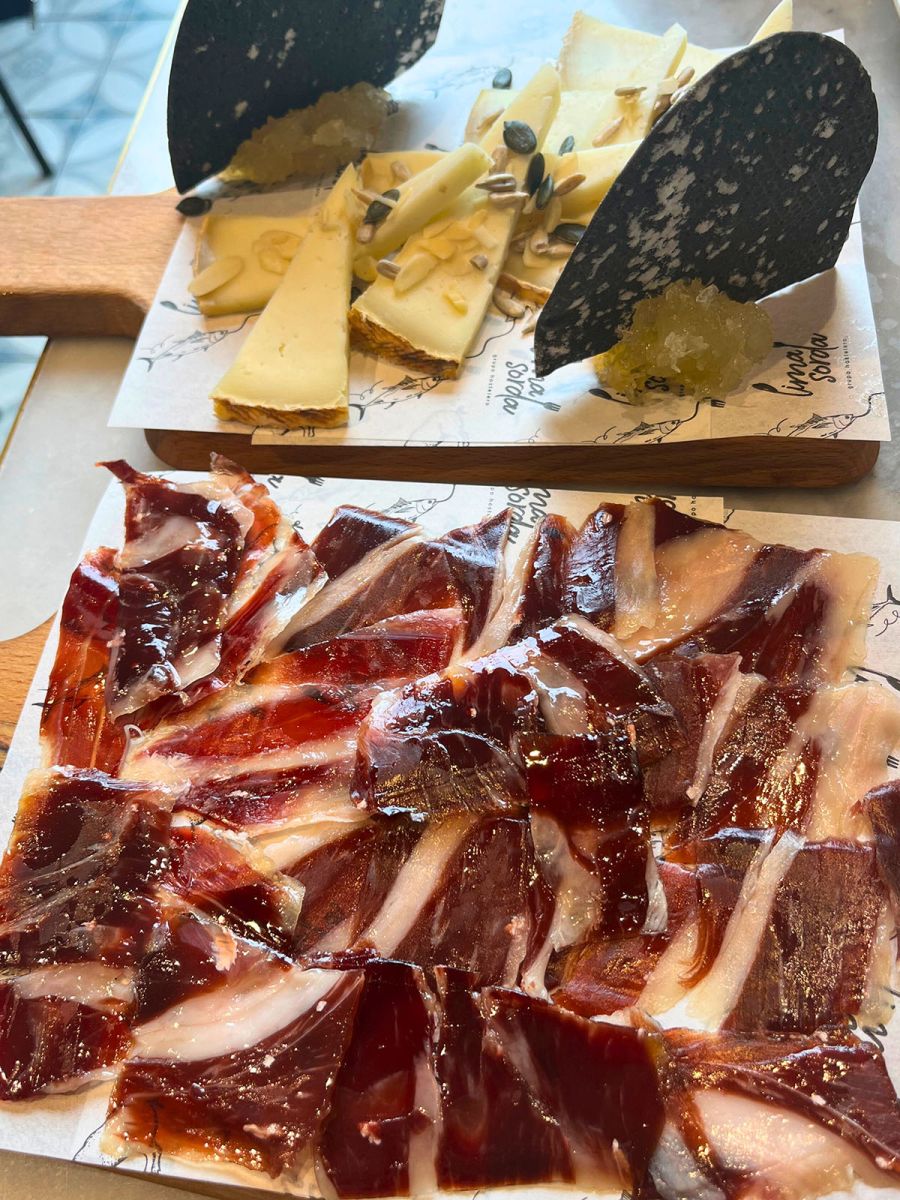
- Jamón Ibérico : an exceptional ham, the most famous being the Ibérico Bellota ham.
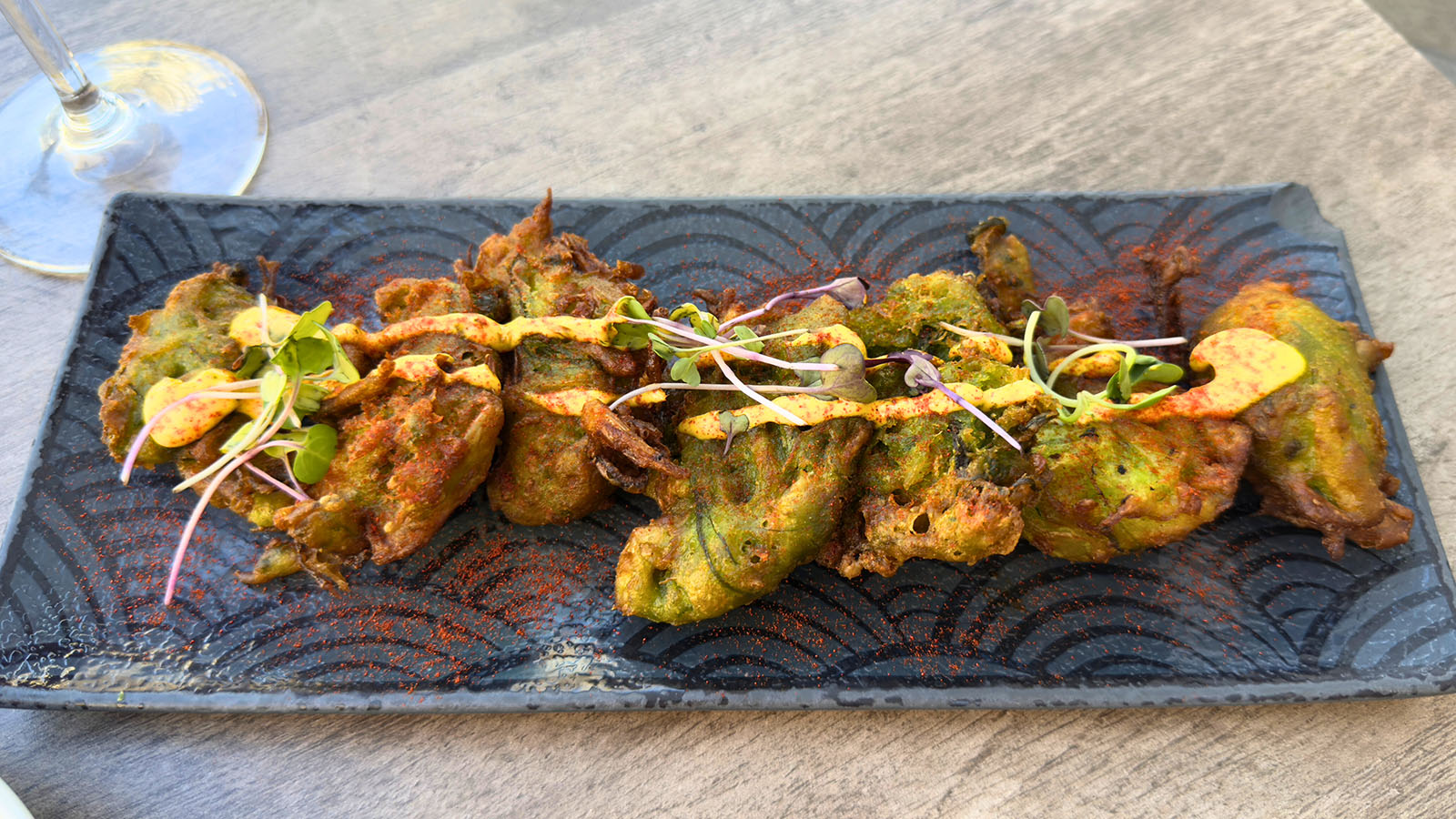
- Salmorejo : A cold, thick soup made with tomato, bread, garlic, and olive oil, served with ham and hard-boiled eggs. Very refreshing in summer.
- Gazpacho : cold soup of mixed vegetables (tomato, cucumber, pepper, etc.). Less thick than salmorejo.
- Espinacas con garbanzos : a typical Seville dish, made with spinach and chickpeas in olive oil and cumin.
- Cola de Toro : Stewed bull's tail, often served as a stew.
- Pringá : a shredded meat of pork, beef and black pudding, often served in a small sandwich or as a tapa.
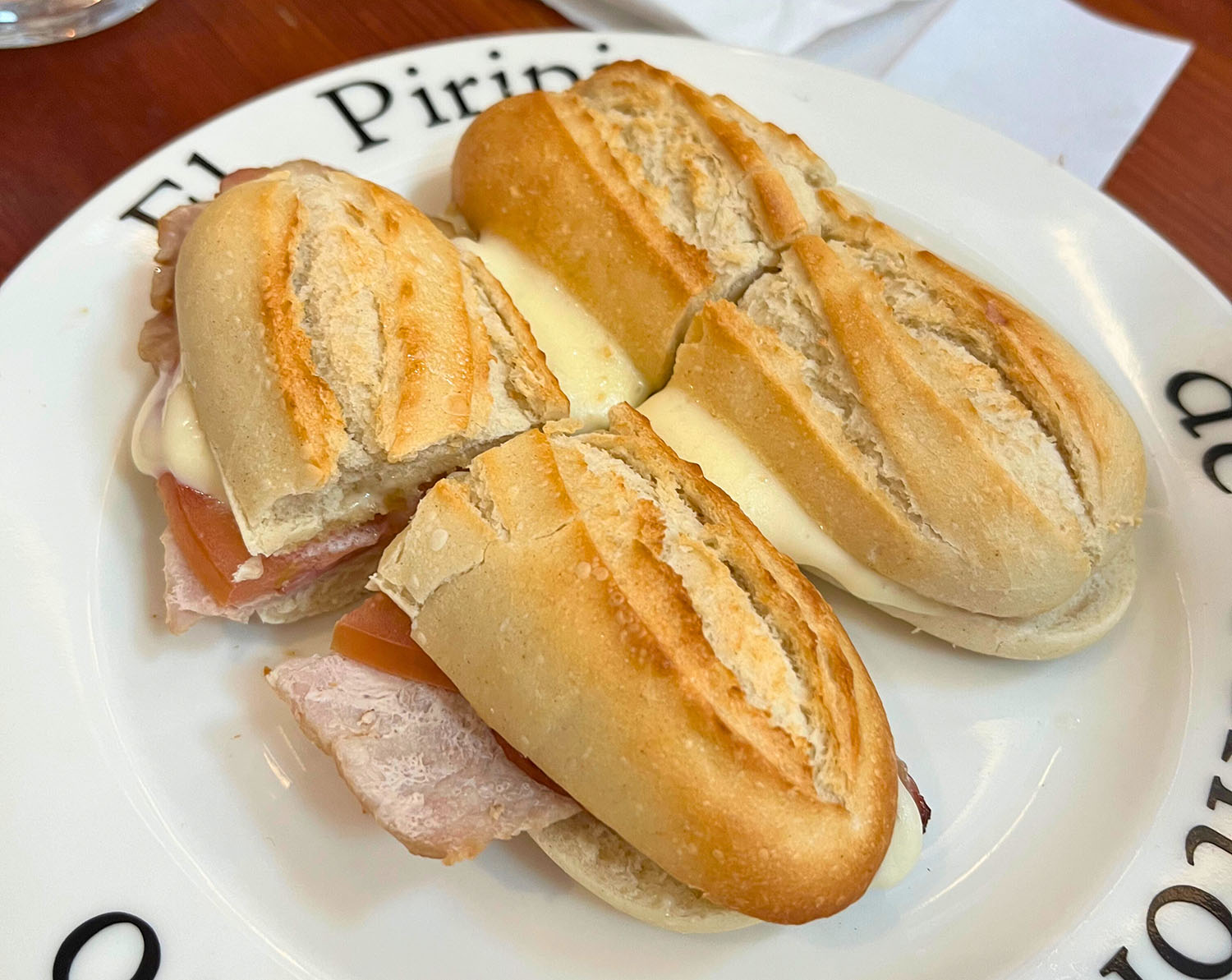
- Montadito : a small sandwich, usually filled with various preparations.
- Pescaíto frito : an assortment of fried fish, a specialty of the Andalusian coast, but very popular in Seville.
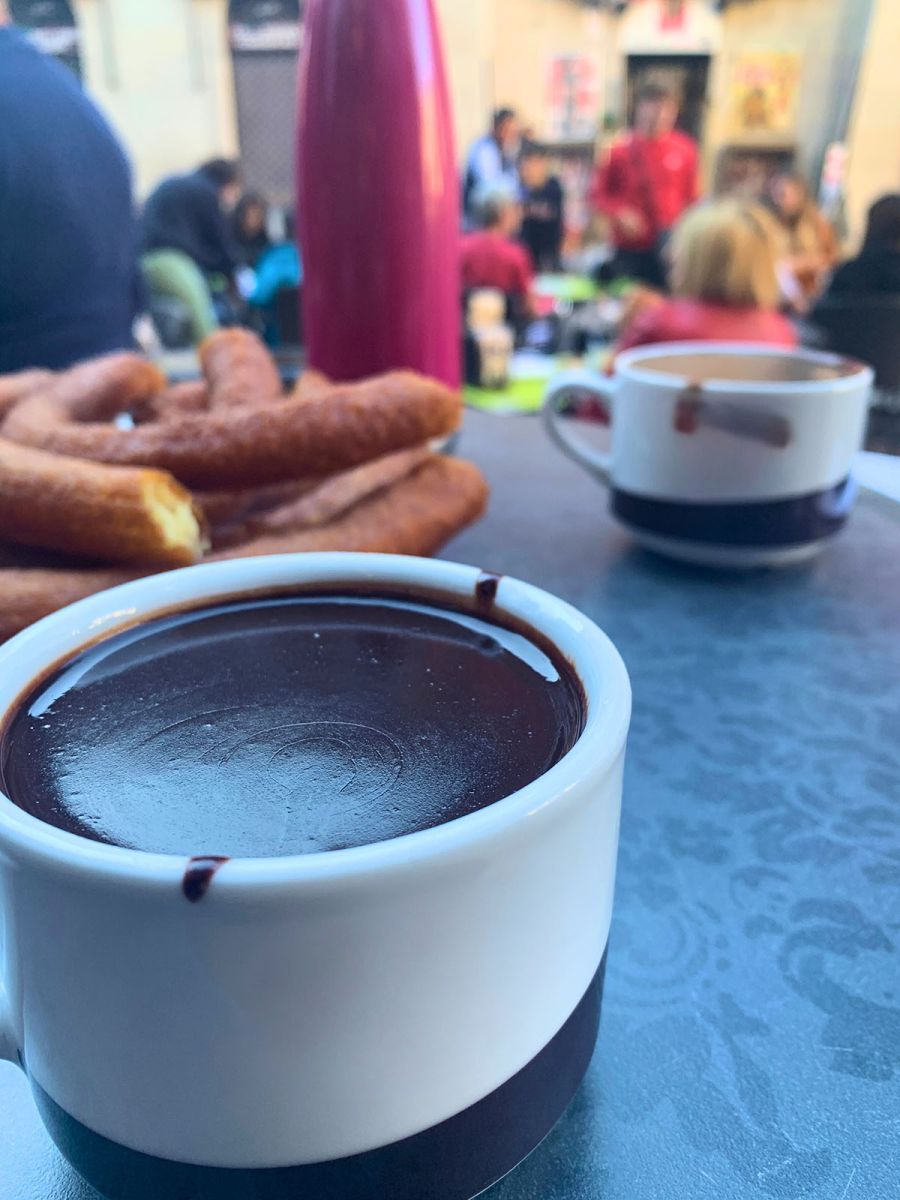
- Churros con chocolate : Fried dough sticks (also called “chichi” in French) that are dipped into a cup of hot, thick chocolate. A typical breakfast.
- Cruzcampo : the most popular local beer.
- Rebujito : a typical drink of the Feria de Abril, a mixture of Manzanilla white wine and lemon soda (like Seven Up or Sprite).
Top experiences
Caminito del Rey: a complete guide for an unusual experience in Andalusia