- Home page
- Tourism
- Coming to Seville
- Your trip
- When to come?
- Your trip
- Coming to Seville
- Tourism
When to visit Seville?
Automatic translation
Are you looking to explore southern Spain and wondering when to visit Seville? The Seville City Guide answers all your questions!
Seville is the capital of Andalusia, in southern Spain. This region is renowned for its Mediterranean climate and abundant sunshine throughout the year. Located just a few kilometers from the Atlantic coast, the city is characterized by scorching summers and mild winters. Depending on your preferences, the city is pleasant and can be visited year-round.
The best times to visit Seville
Spring: the ideal time
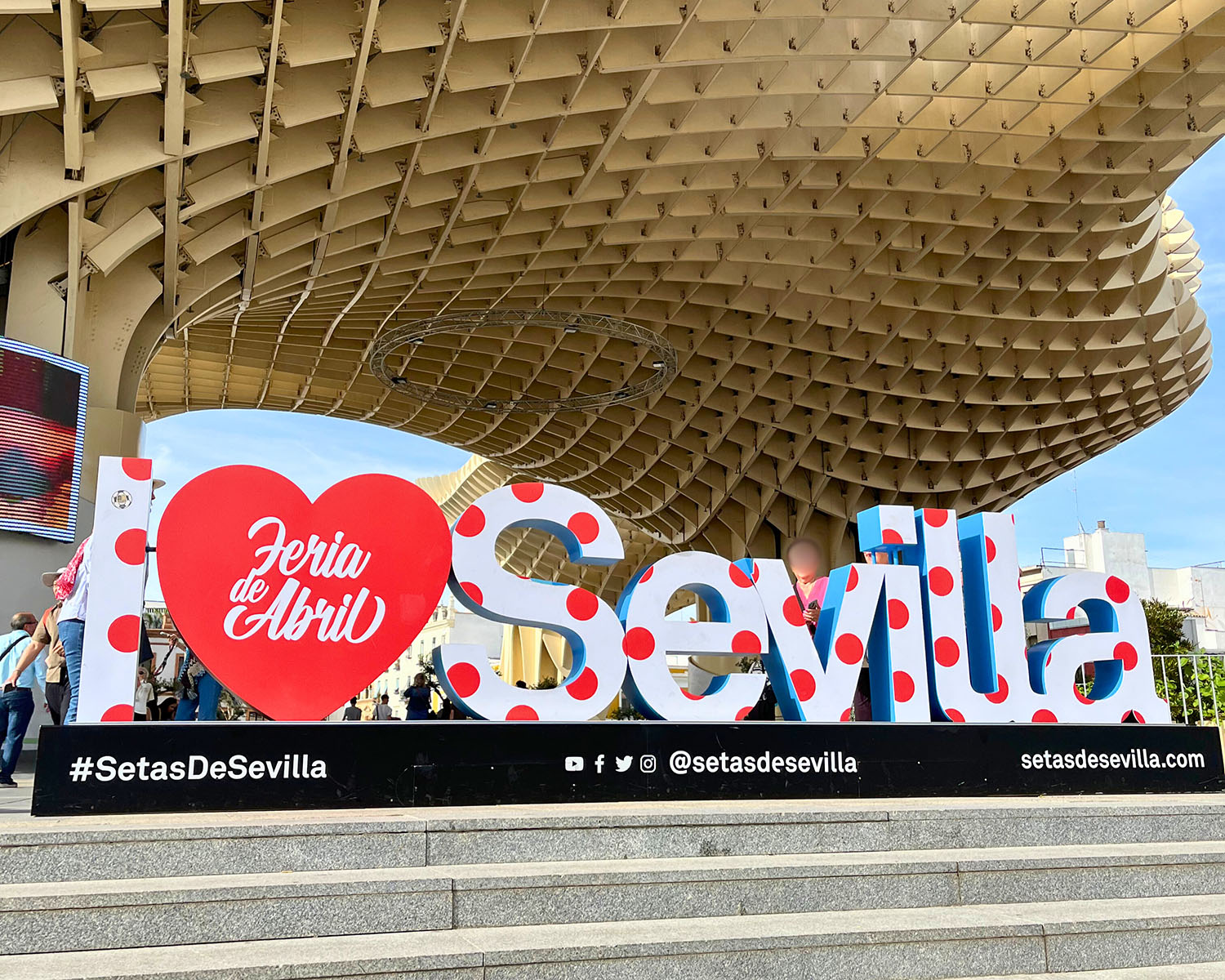
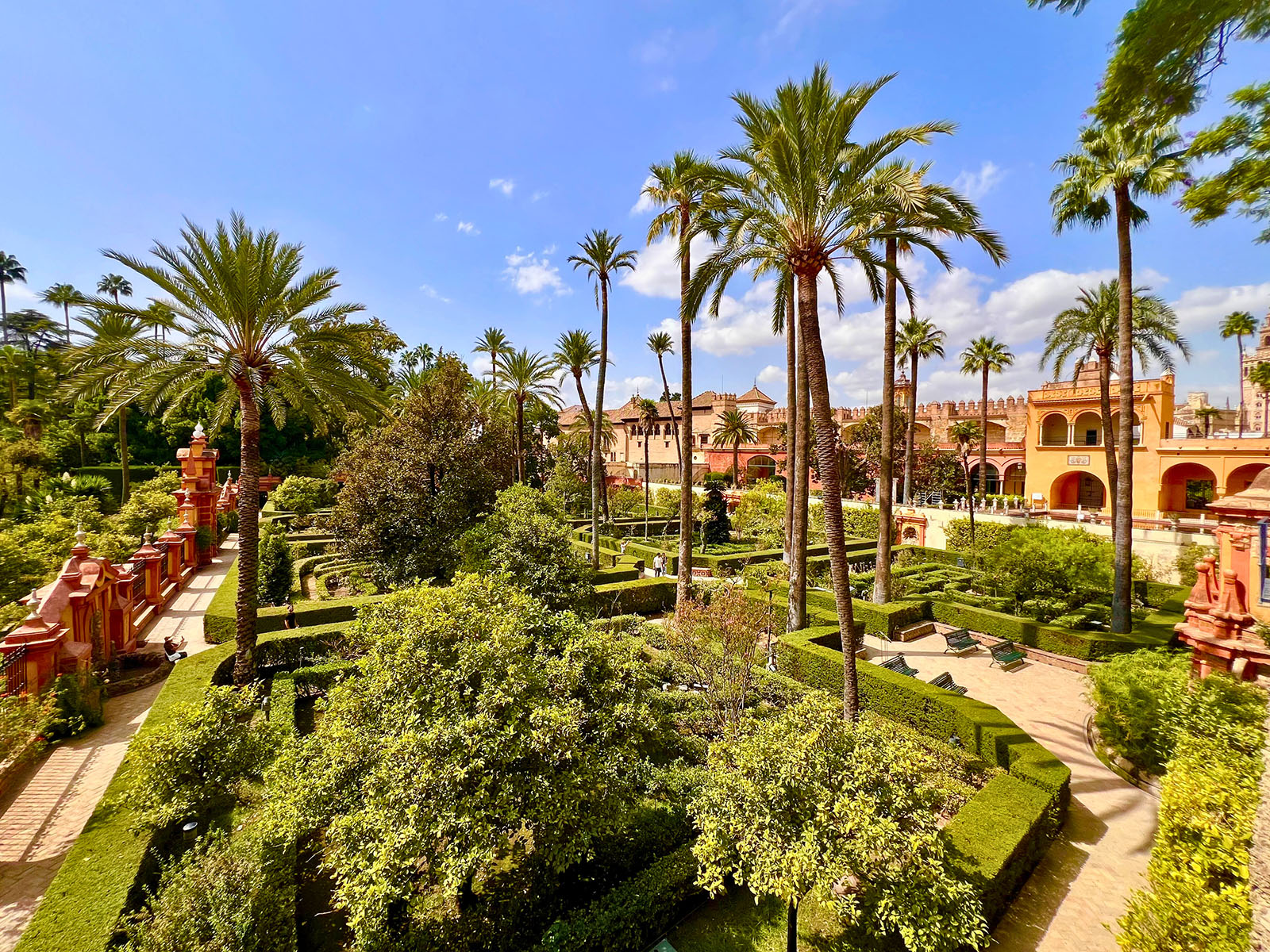
Spring, from March to May, is undoubtedly the most popular season to explore Seville. The climate is perfectly balanced : the days are sunny without being scorching, and temperatures generally range between 20 and 25°C. Gardens and parks, such as the famous María Luisa Park, are in full bloom, offering a spectacle of colors and fragrances. It is also during this period that two of the city's most important events take place:
- Semana Santa (Holy Week);
- La Feria de Abril (April Fair).
These celebrations, although they attract considerable crowds, allow for a unique cultural immersion.
Autumn: an excellent alternative
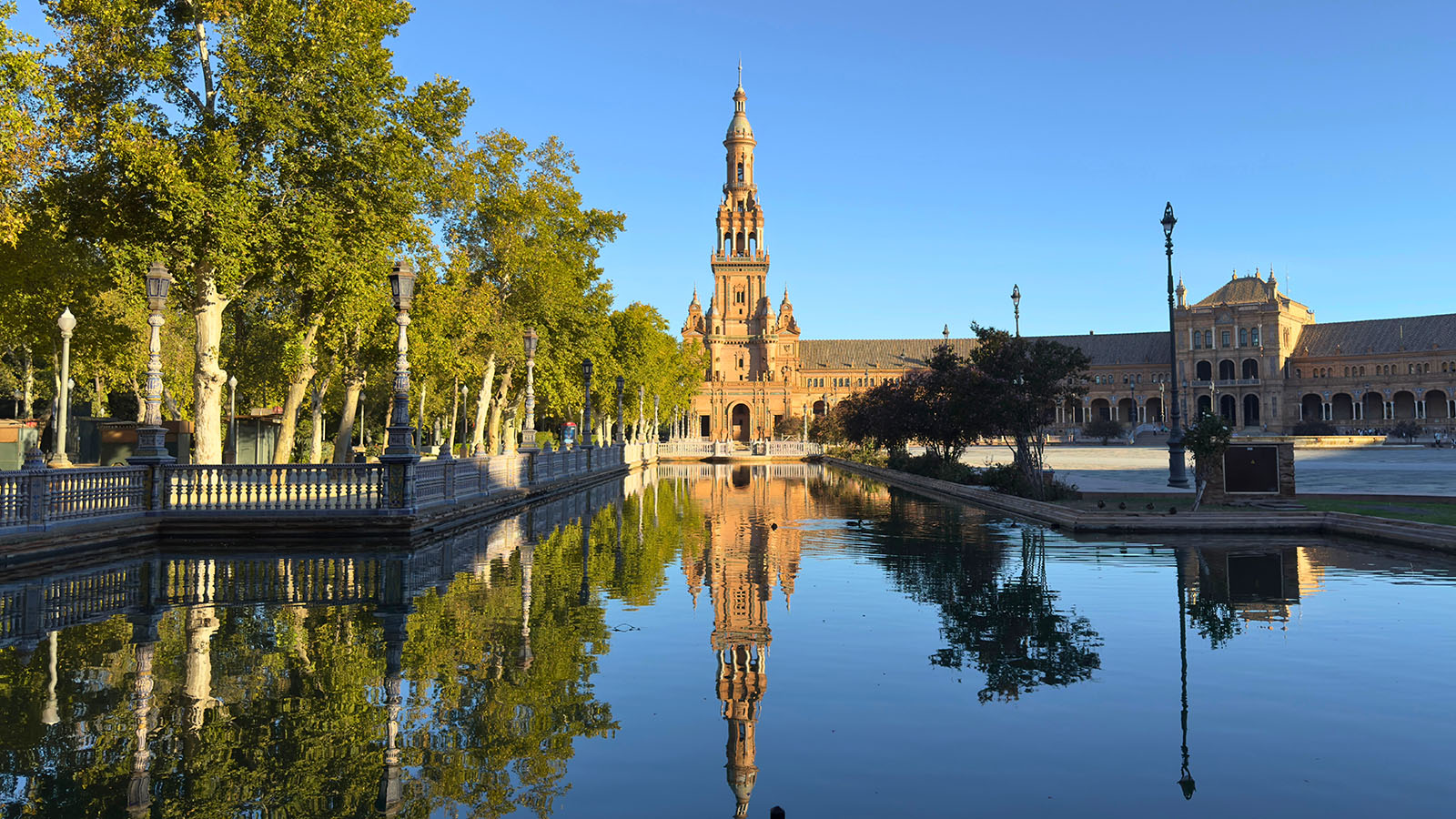
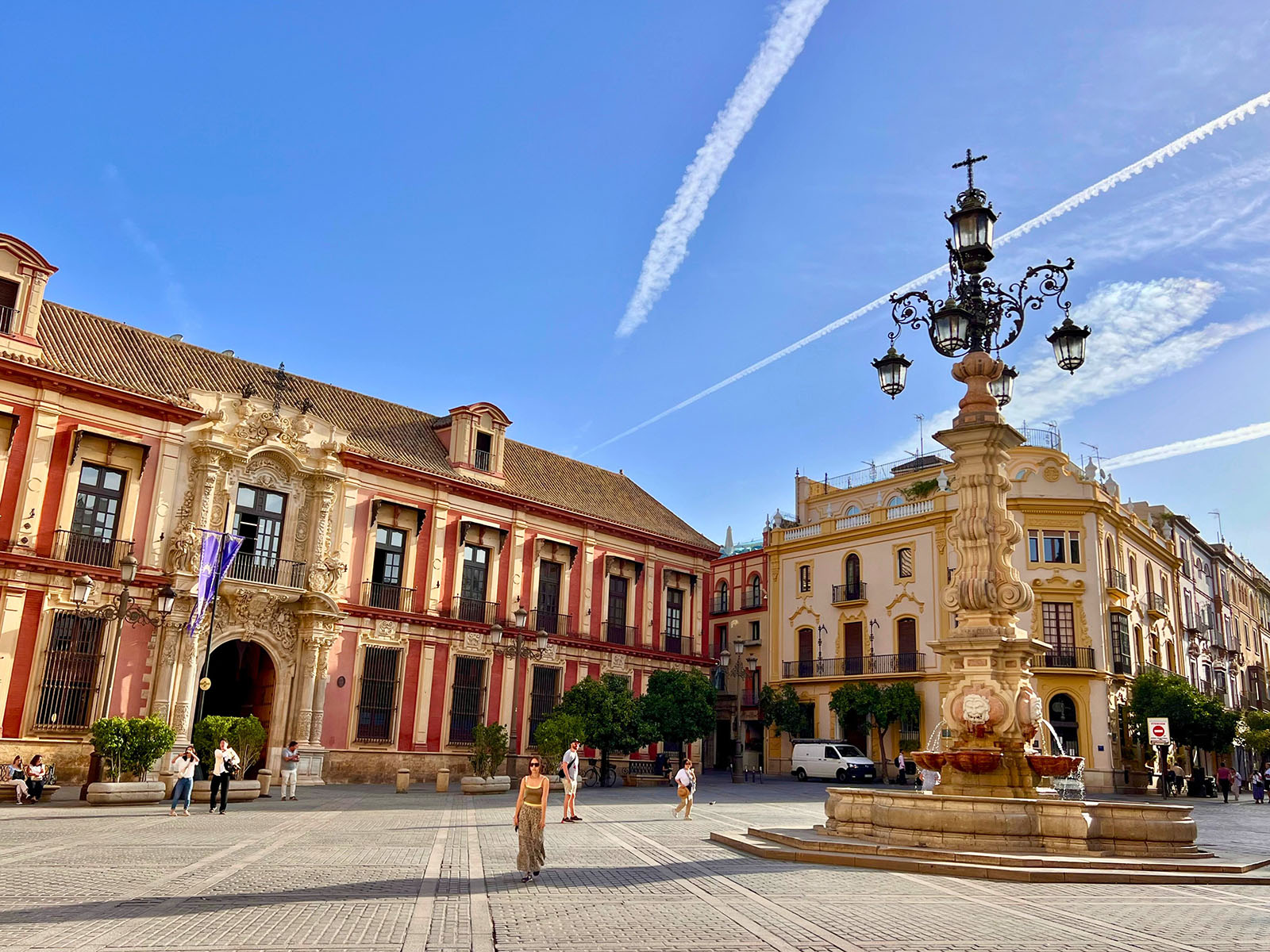
After the intense heat of summer, autumn brings the return of milder temperatures. Between September and November, it's therefore ideal to discover the city. Temperatures are similar to those of spring, but the city is often less crowded with tourists. It's the perfect time to stroll leisurely through the narrow streets of the Santa Cruz district, visit the cathedral and the Alcázar, or simply relax on a café terrace. The days are still long and sunny, which is perfect for capturing the beautiful light in photos.
Winter: a calmer and cooler option
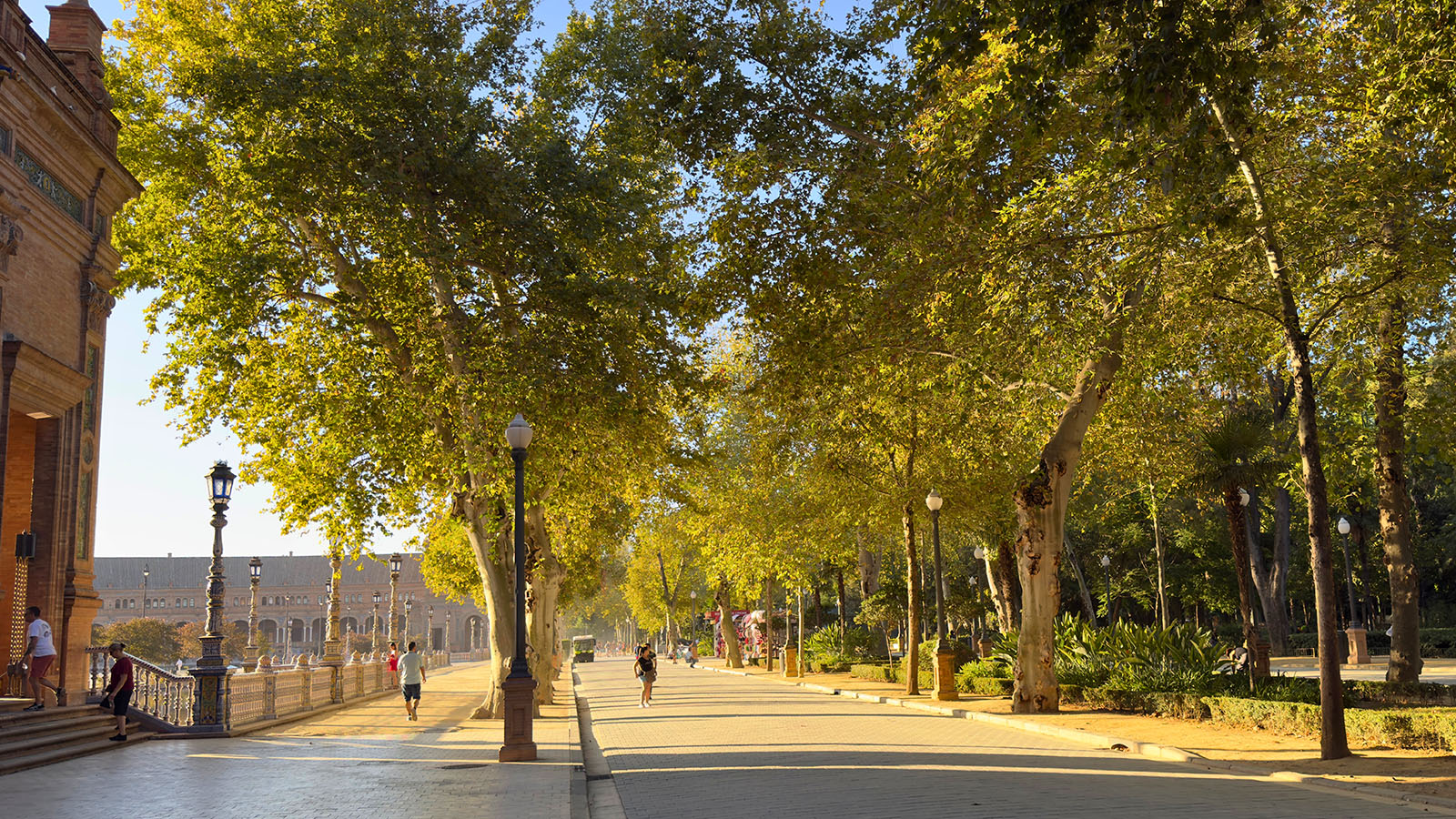
From December to February, winter in Seville is mild and pleasant. Although mornings and evenings can be cool, daytime temperatures often remain around 15 to 18°C. This is the least touristy season, allowing you to visit monuments without queues and enjoy the authentic Sevillian experience. The Christmas festivities bring a warm and festive atmosphere to the city, with nativity scenes and traditional decorations.
Summer: a season to avoid for those sensitive to heat
Seville is renowned for being the hottest city in Spain, and summer (June to August) certainly lives up to this reputation. Temperatures easily exceed 40°C (104°F), making outdoor activities difficult, even dangerous, during the hottest hours of the day. Sevillians themselves adapt their lifestyle by taking a siesta (a long, slow nap) and going out early in the morning or late in the evening. If you have no choice but to visit in the summer, plan your sightseeing for the morning, take frequent breaks in the shade, and stay hydrated.
What should I pack in my suitcase to visit Seville?
If you enjoy shopping, you'll love Seville and its many shops. So don't overpack your suitcase; you'll want to bring back at least one souvenir from your Spanish getaway.
The contents of your suitcase may vary depending on the season of your stay in Seville. In spring and autumn, we recommend packing light clothing, comfortable shoes, and sun protection. Don't forget a light jacket or sweater for cooler evenings.
In winter, add warmer clothing, closed shoes, and an umbrella to your packing list. In summer, it's time to bring out the sunscreen, sunglasses, hat, or even your swimsuit to enjoy the rooftop pools, the Agua Mágica water park, or the beaches just a few kilometers from Seville.
Regardless of the season, remember to bring a backpack for your days out to carry the essentials: water bottle, snacks, camera or souvenirs from a visit.
Festivals and public holidays in Seville
- January 1: Año Nuevo (New Year's Day);
- January 6: Reyes Magos (Epiphany);
- February 8: Día de Andalucía (Andalusia Day);
- February: Carnivals (Carnivals);
- Late March / early April: Semana Santa (Holy Week);
- April / May: Feria de Abril or Feria de Sevilla (Seville festivals);
- May 1: Día del Trabajo (Labor Day);
- Late May / early June: Corpus Christi (Feast of God)
- End of July: La Velá de Santiago y Santa Ana (Triana district);
- August 15: The Assumption;
- October 12: Día de la Hispanidad (national holiday);
- November 1: Día de Todos los Santos (All Saints’ Day);
- December 6: Día de la Constitución;
- December 8: La Inmaculada Concepción (Immaculate Conception);
- December 25: Navidad (Christmas).
Top experiences
Caminito del Rey: a complete guide for an unusual experience in Andalusia