- Home page
- Tourism
- Discover Séville
- Neighborhood by neighborhood
- Southern District
- Neighborhood by neighborhood
- Discover Séville
- Tourism
Southern District
Automatic translation
The Southern District is of paramount importance to Seville. It encompasses not only the renowned Parque de María Luisa and the majestic Plaza de España – spectacular legacies of the 1929 Ibero-American Exposition – but also elegant residential neighborhoods. This area is a fascinating blend of architectural opulence, vast green spaces, and sporting fervor, home to the Benito Villamarín Stadium of Real Betis Balompié.
Plaza de España and María Luisa Park are architectural masterpieces from the 1929 Exposition and are considered an essential part of Seville's historical heritage, linked to the UNESCO site. They are protected at the national level (Asset of Cultural Interest) and internationally for their universal value.
The 10 must-sees in Seville's South District
- Boating in the Plaza de España.
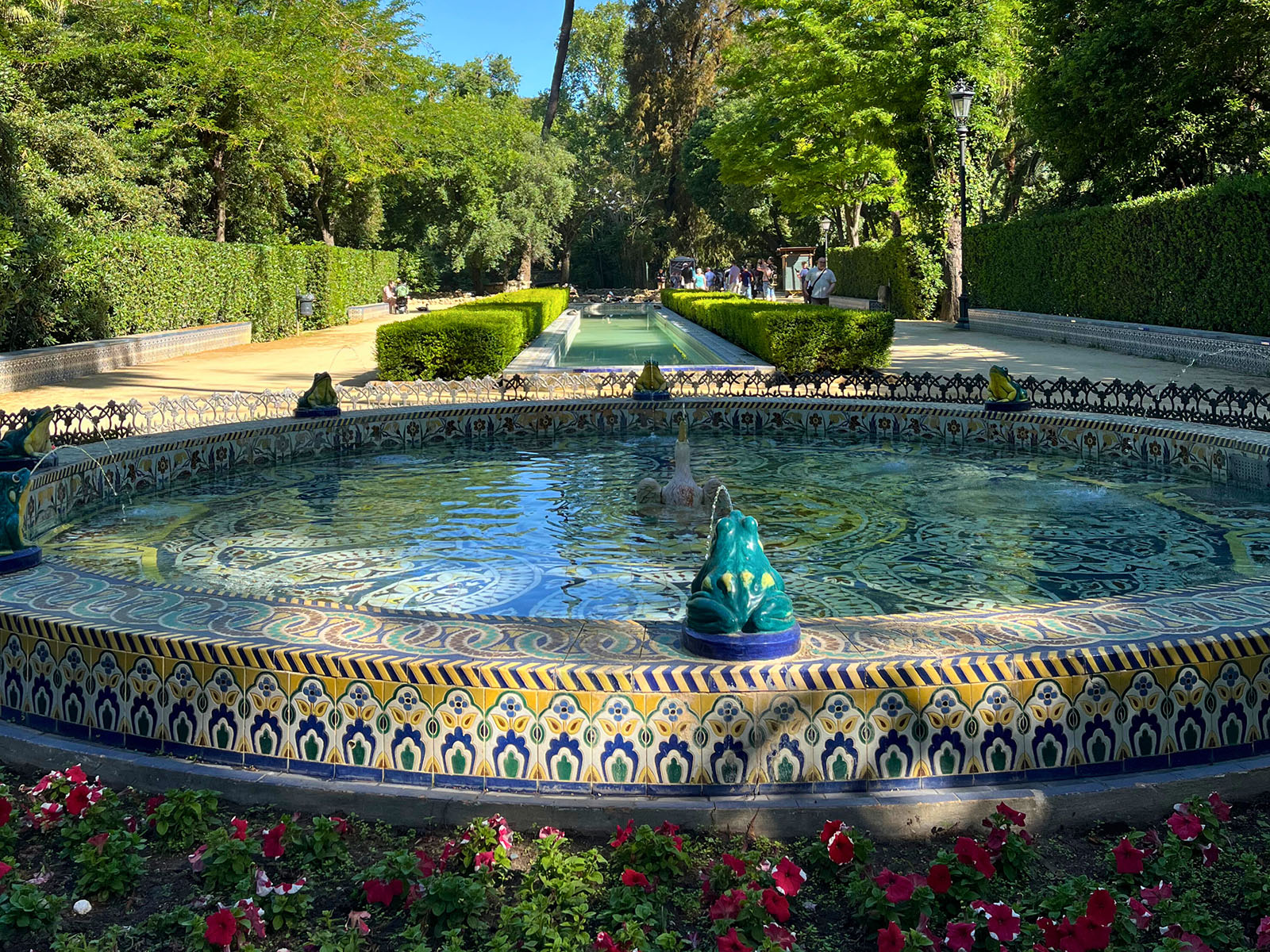
- Admire the Frog Fountain in María Luisa Park.
- Vibrate at the Benito Villamarín Stadium.
- Explore the Seville Aquarium (Acuario de Sevilla).
- Take a walk along the Avenida de la Palmera.
- Discover the Pavilions of María Luisa Park.
- Visit iconic museums : archaeological museum, museum of arts and costumes…
- Cycling on the Muelle Delicas.
- Have fun on the Real Club Pineda golf course.
- Have a picnic at Parque de los Bermejales.
Between history and culture, a perfect itinerary to make sure you don't miss anything in Seville's Southern District
This route immerses you in the architectural grandeur, lush nature and cultural history of the Ibero-American Exposition.
📍 Step 1: The Plaza de España
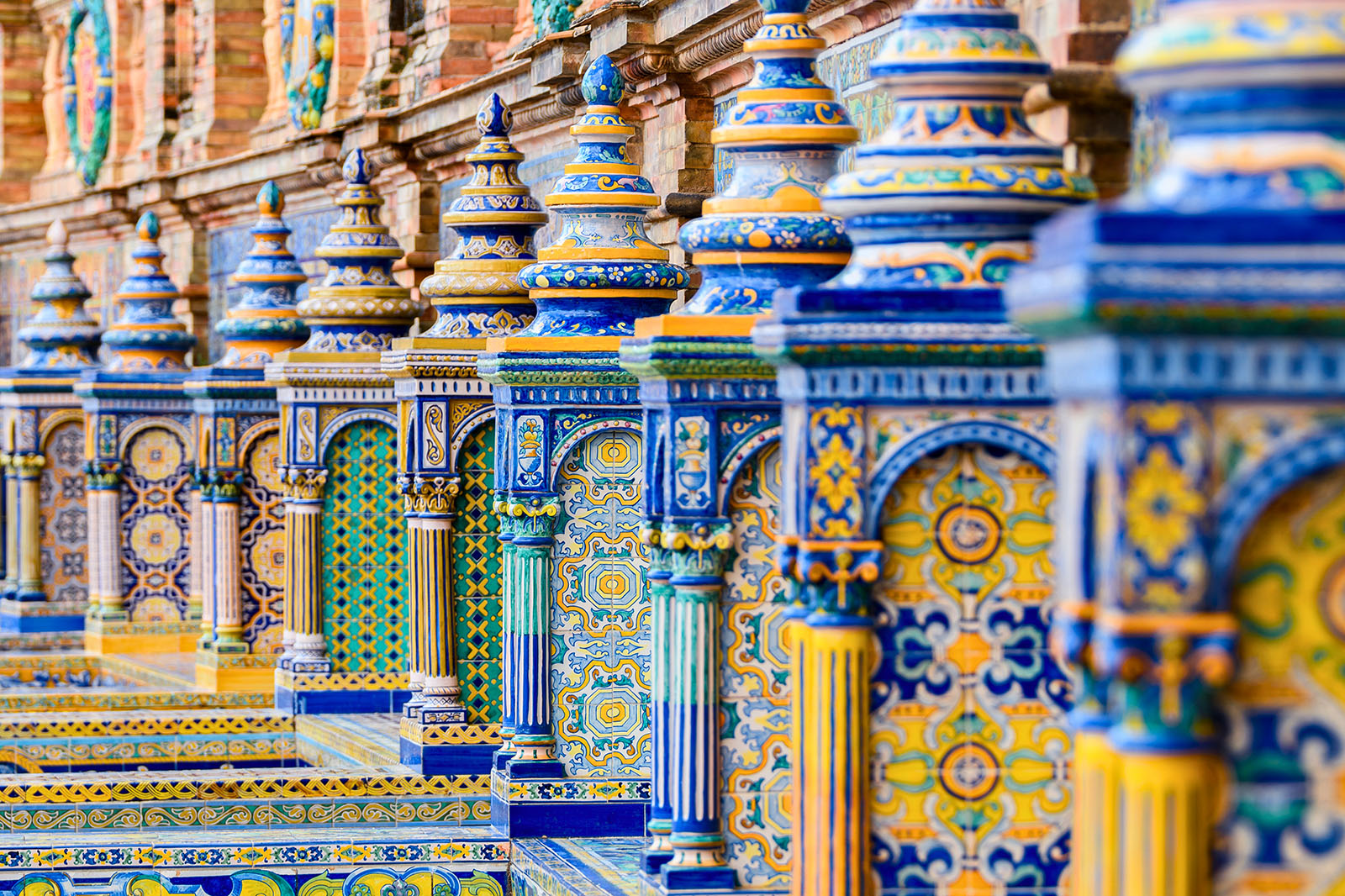
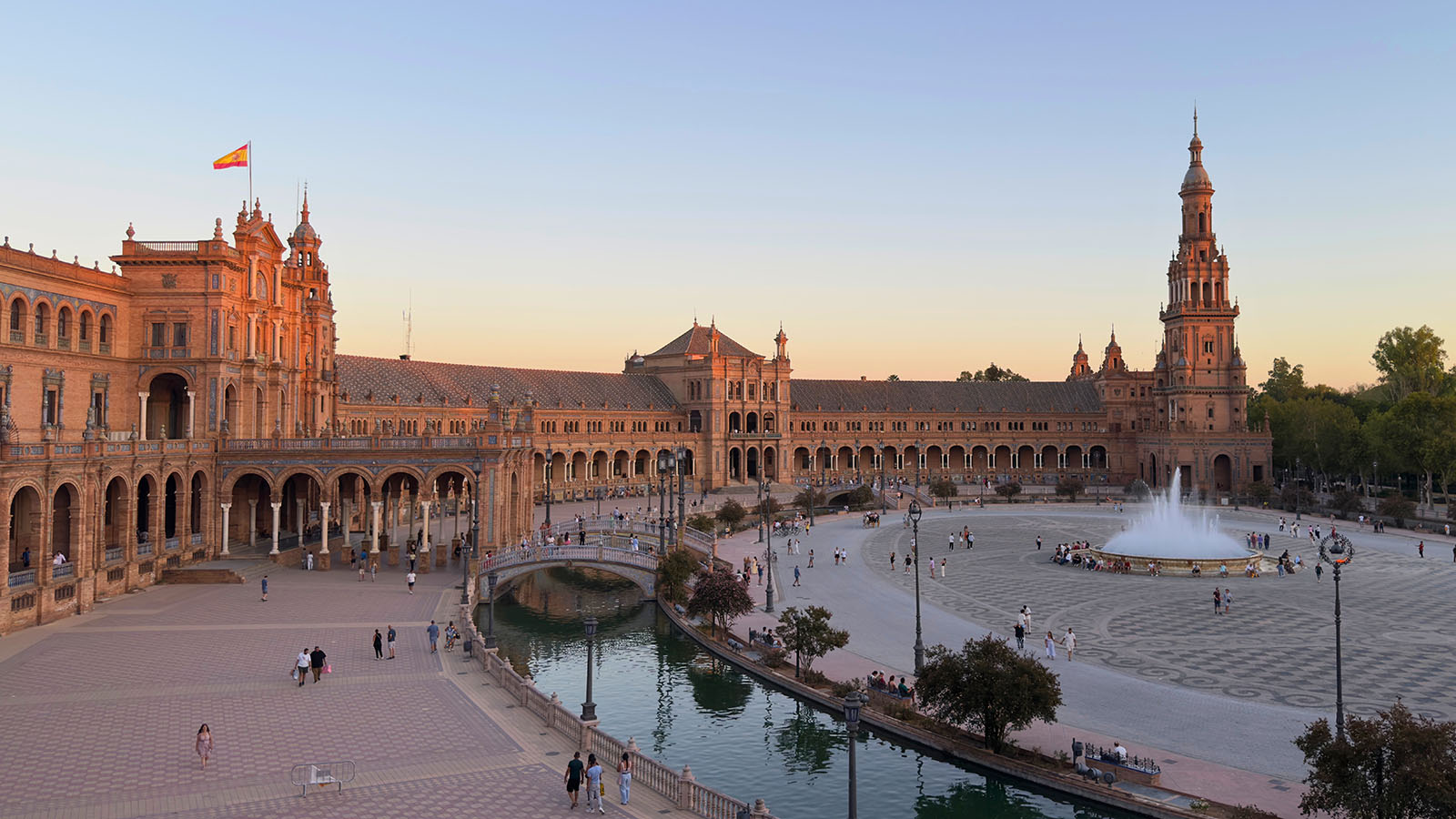
Begin your exploration in the heart of the district, at the monumental Plaza de España. Take the time to admire the semi-circular façade and the bridges that cross the canal.
Designed by Aníbal González, this square is a masterpiece of Spanish regionalist architecture, built for the 1929 Exposition. It is one of the most photographed places in the world.
📍 Step 2: María Luisa Park
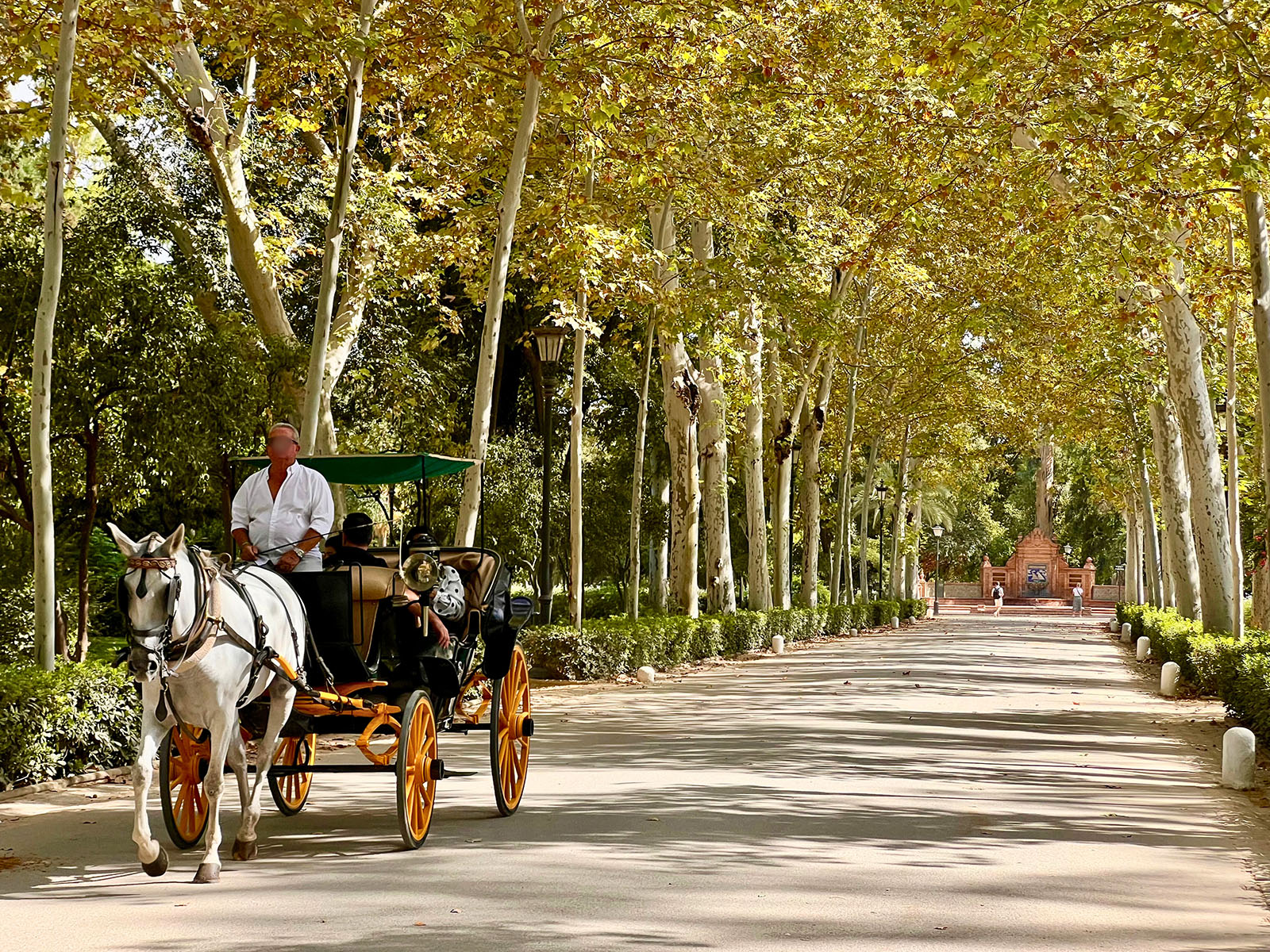
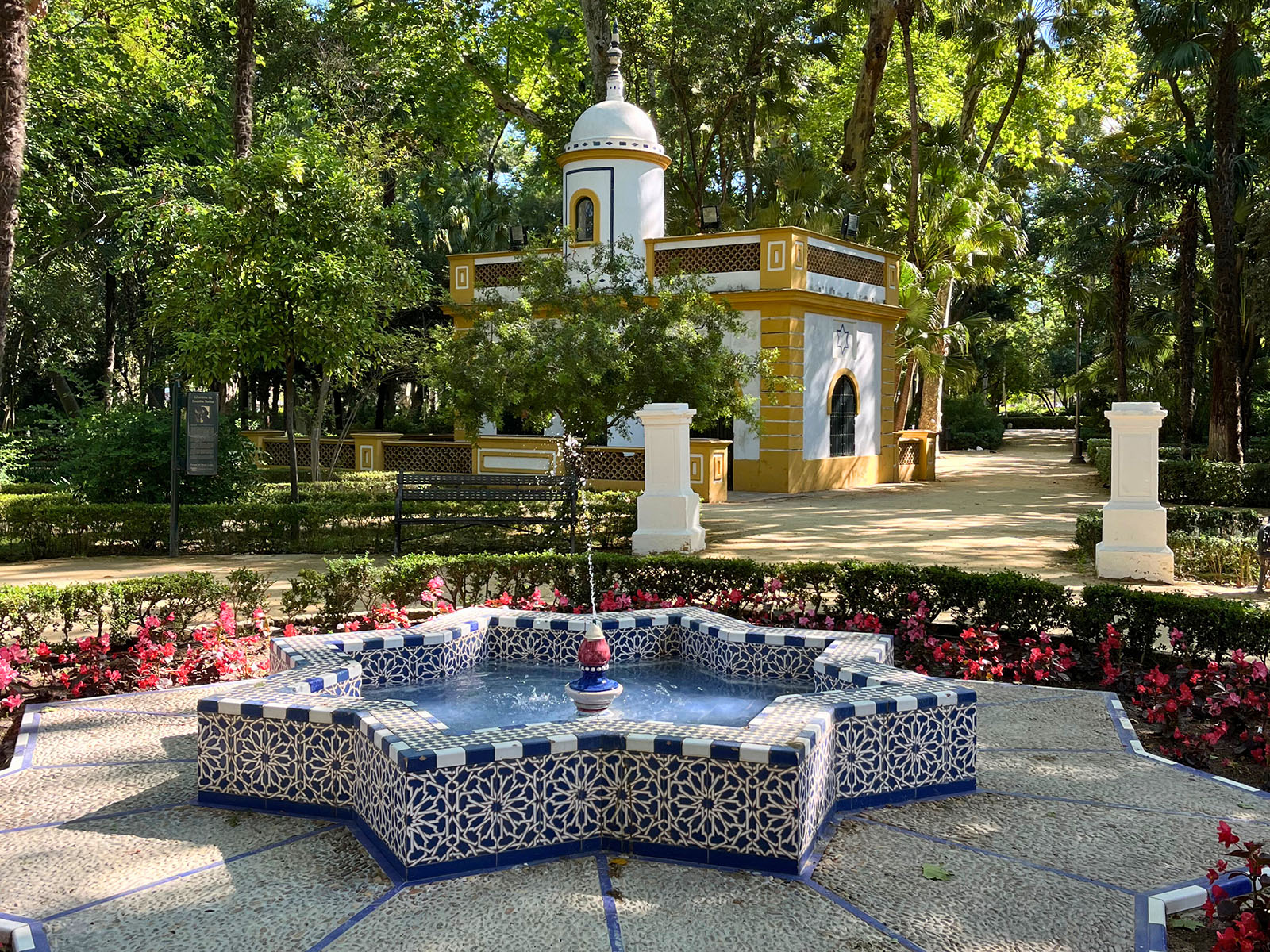
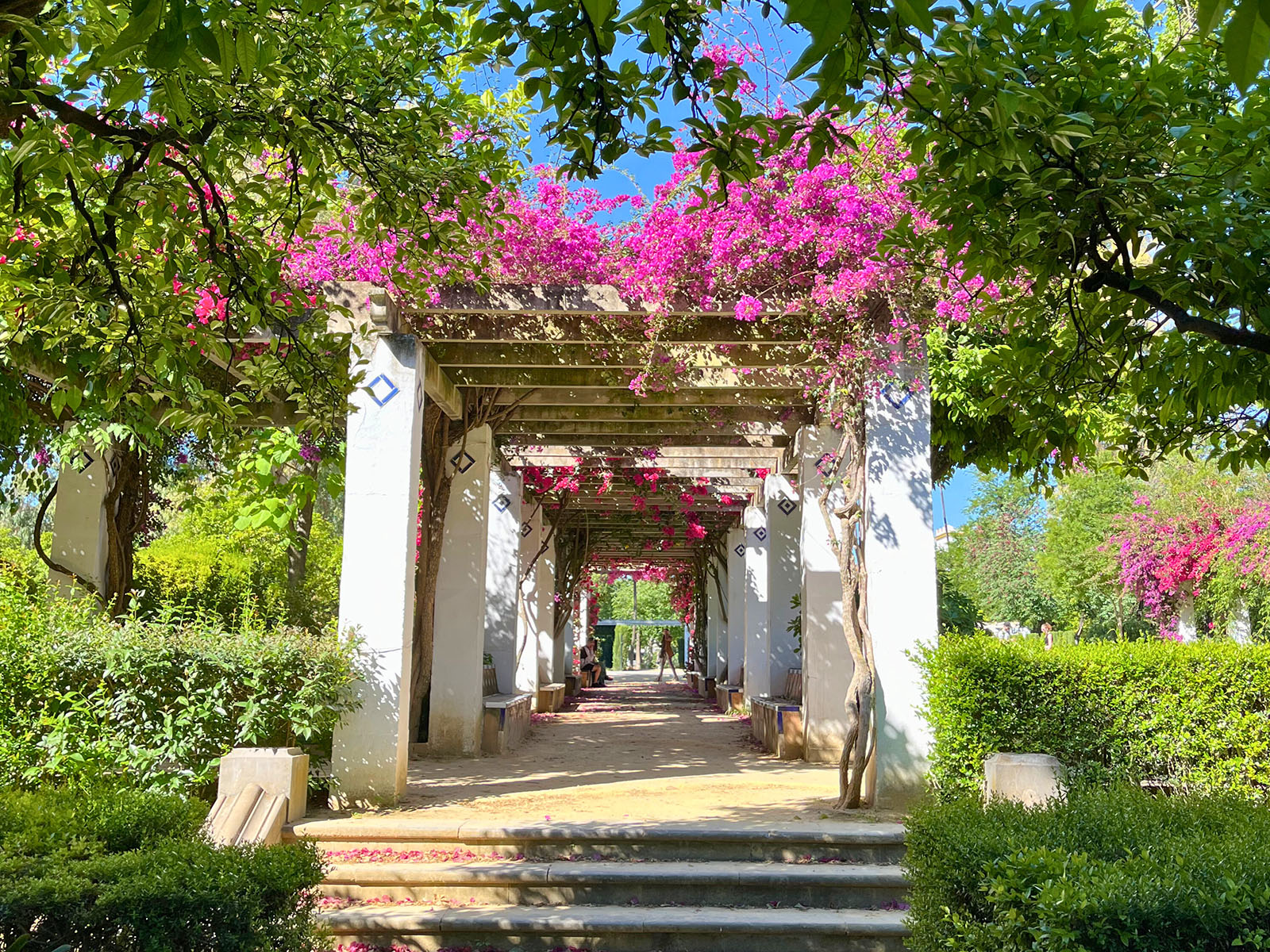
Leave the square and head straight south into the magnificent gardens of María Luisa Park. This park is Seville's largest green space. Originally, it was part of the private gardens of the San Telmo Palace, donated to the city in 1893 by Princess María Luisa.
📍 Step 3: The former Expo 29 Pavilions
Continue south through the park, into the area that houses the former pavilions of the 1929 Exposition. The cultural richness of the area is concentrated here.
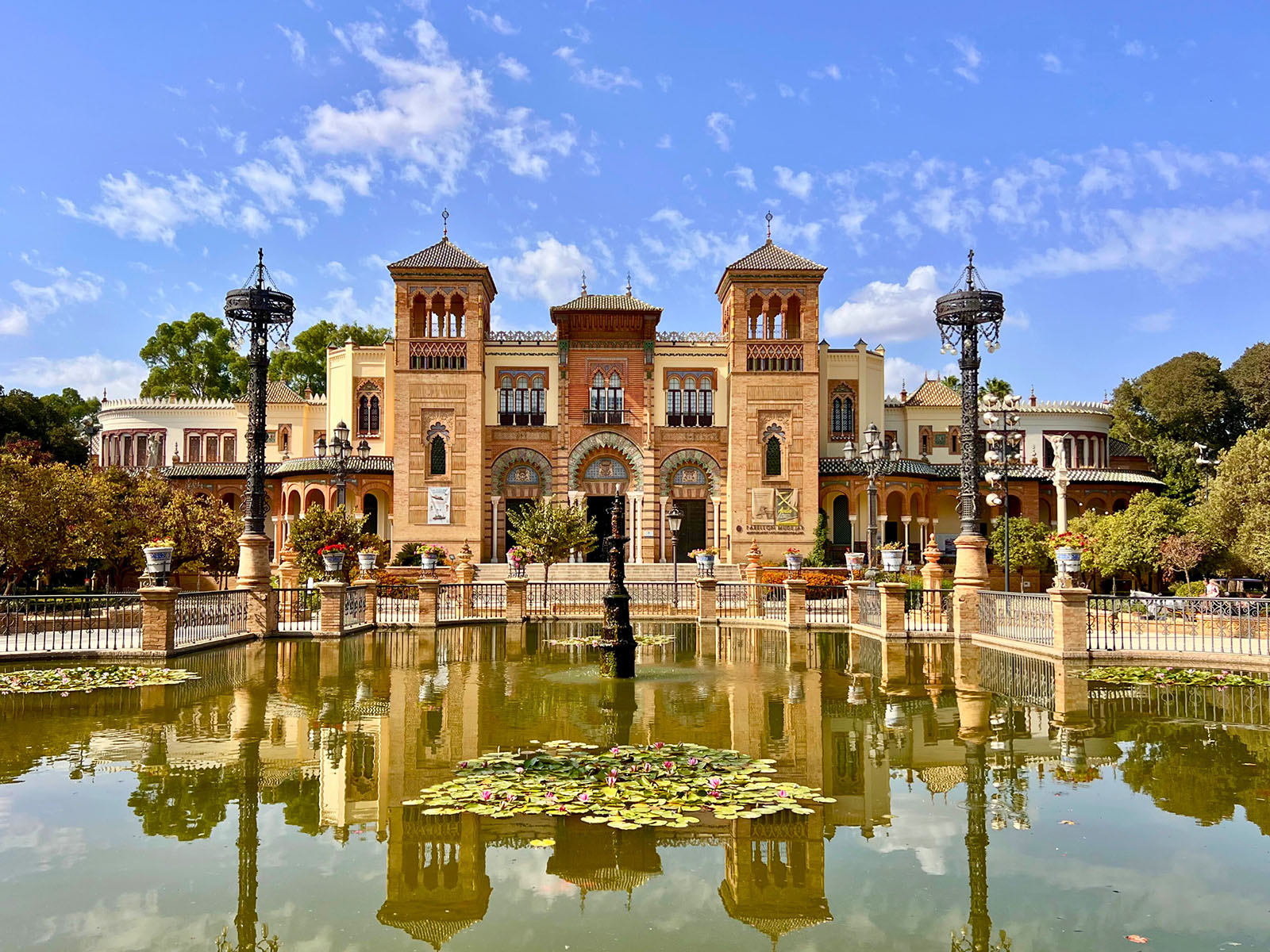
Visiting the iconic museums is essential: the Archaeological Museum (located in the former Pavilion of Ancient Art) and the Museum of Popular Arts and Traditions (located in the former Mudéjar Pavilion) are architectural marvels, in addition to their collections.
📍 Step 4: The Seville Aquarium
Leave the park to the west to reach the quayside and the Seville Aquarium (Acuario de Sevilla). This aquarium is one of the main attractions on the banks of the Guadalquivir River. It offers an immersive experience in marine biodiversity.
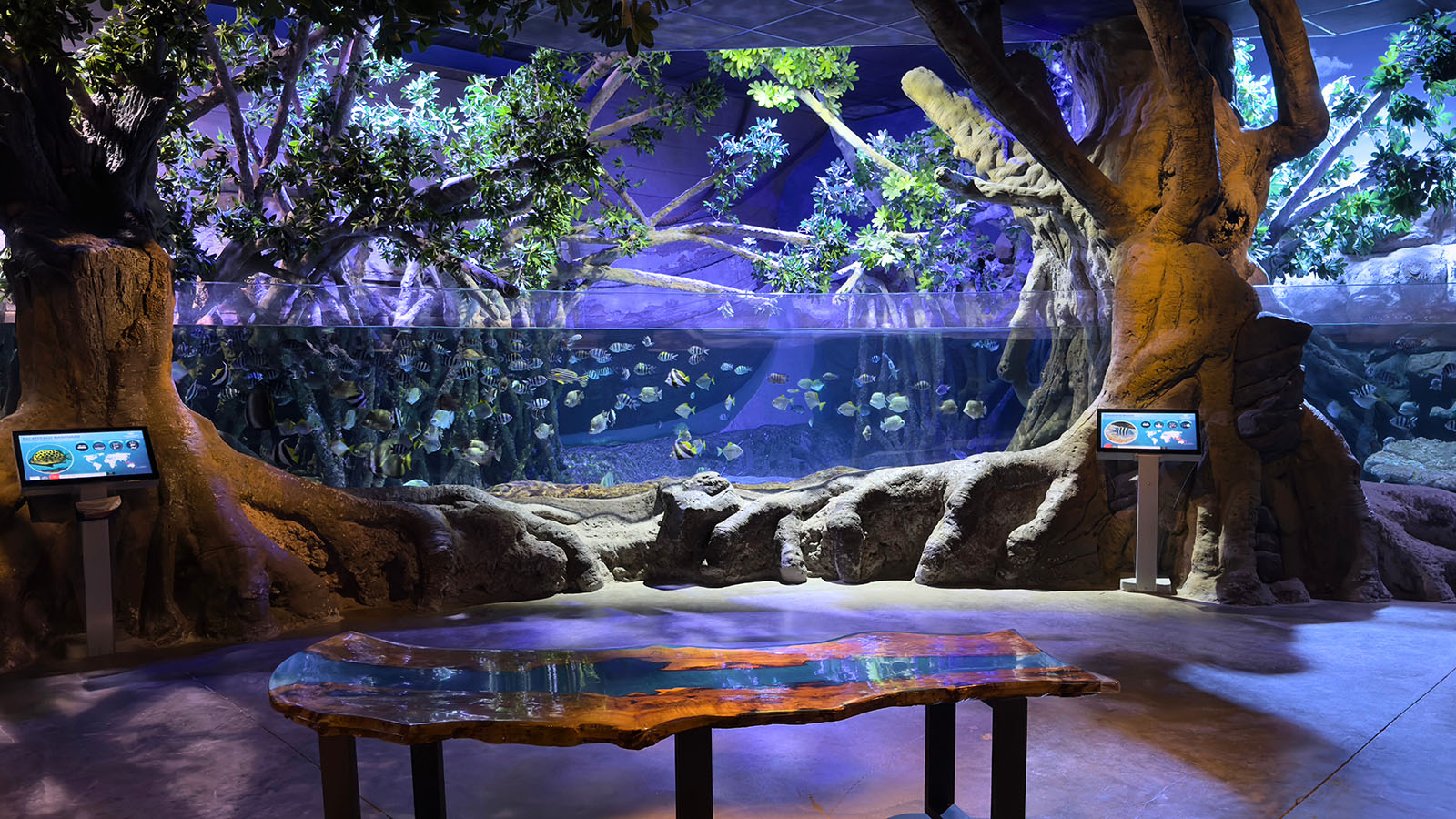
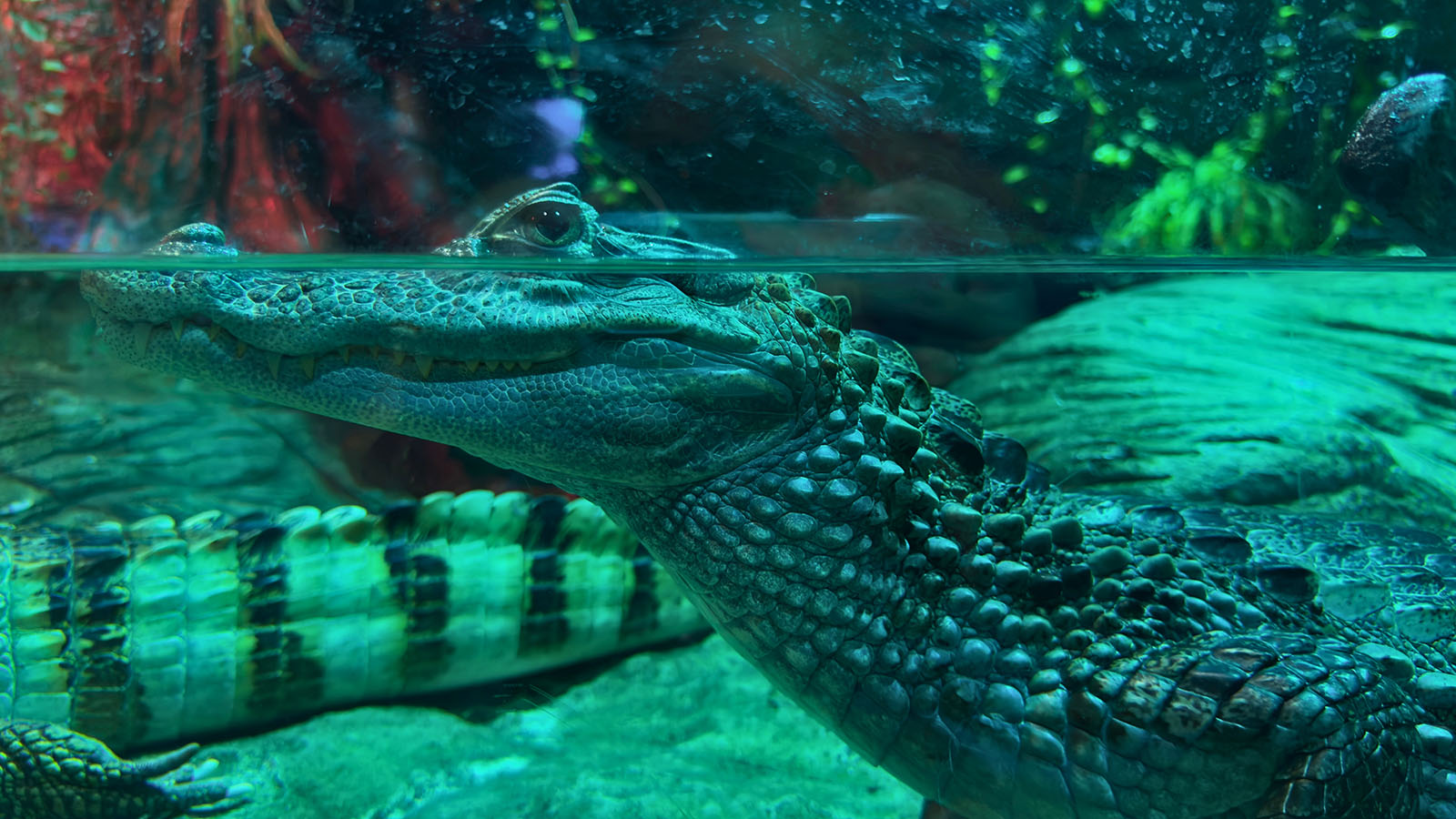
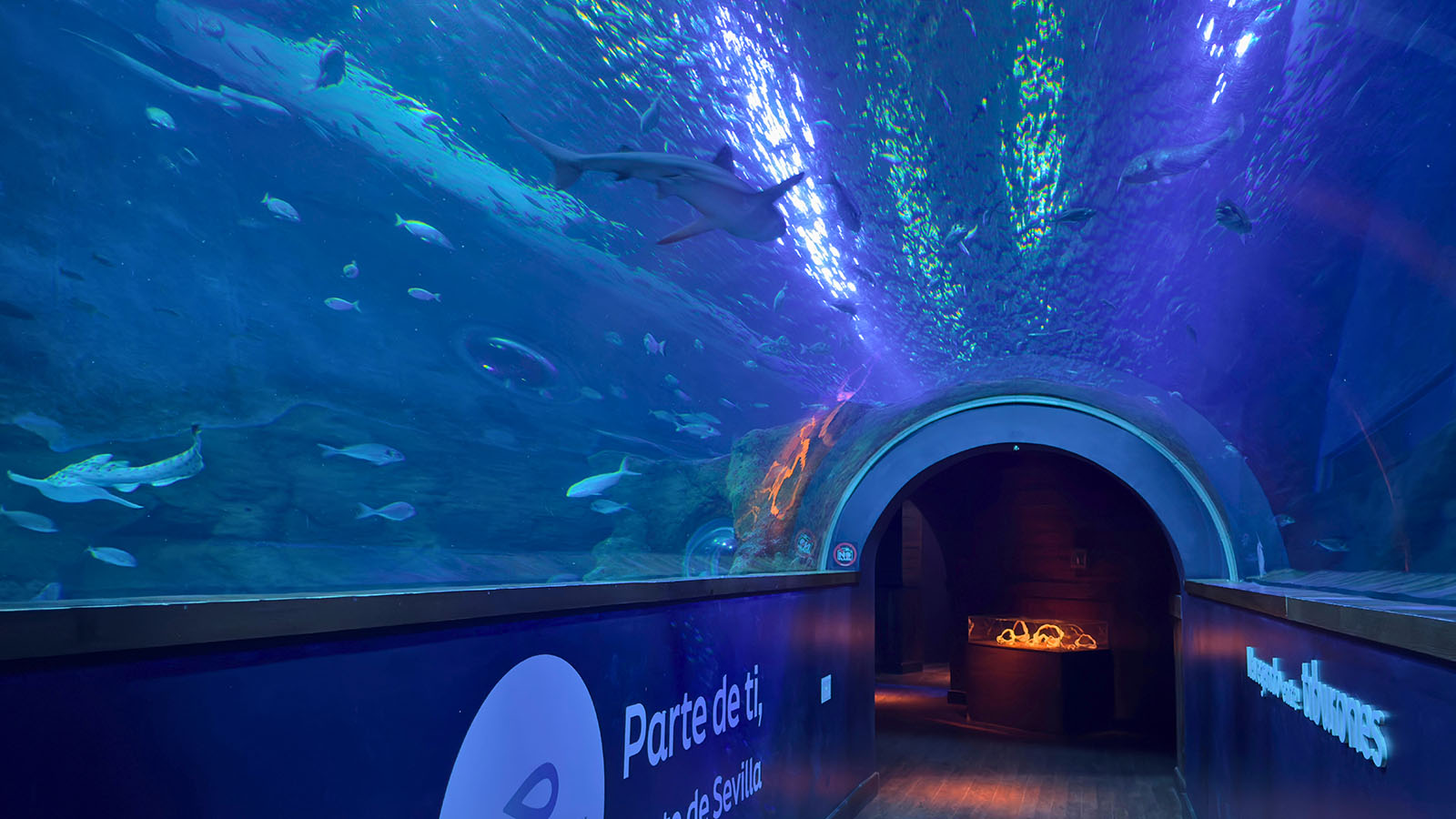
📍 Bonus Stop: Even further south
If you still have energy, consider continuing your adventure south through Seville's Southern District. These areas are further from the main walking route and are ideal for a bike ride or a focused trip, allowing you to experience both the sporting activity and residential life of the southern part of the yellow zone.
On the agenda:
- Discover the Benito Villamarín stadium ;
- Enjoy yourself alone or with others on the Real Club Pineda golf course;
- Enjoy tapas in the student atmosphere of Bami ;
- Strolling through Los Bermejales Park …
📍 Step 5: The quay and the banks of the Guadalquivir
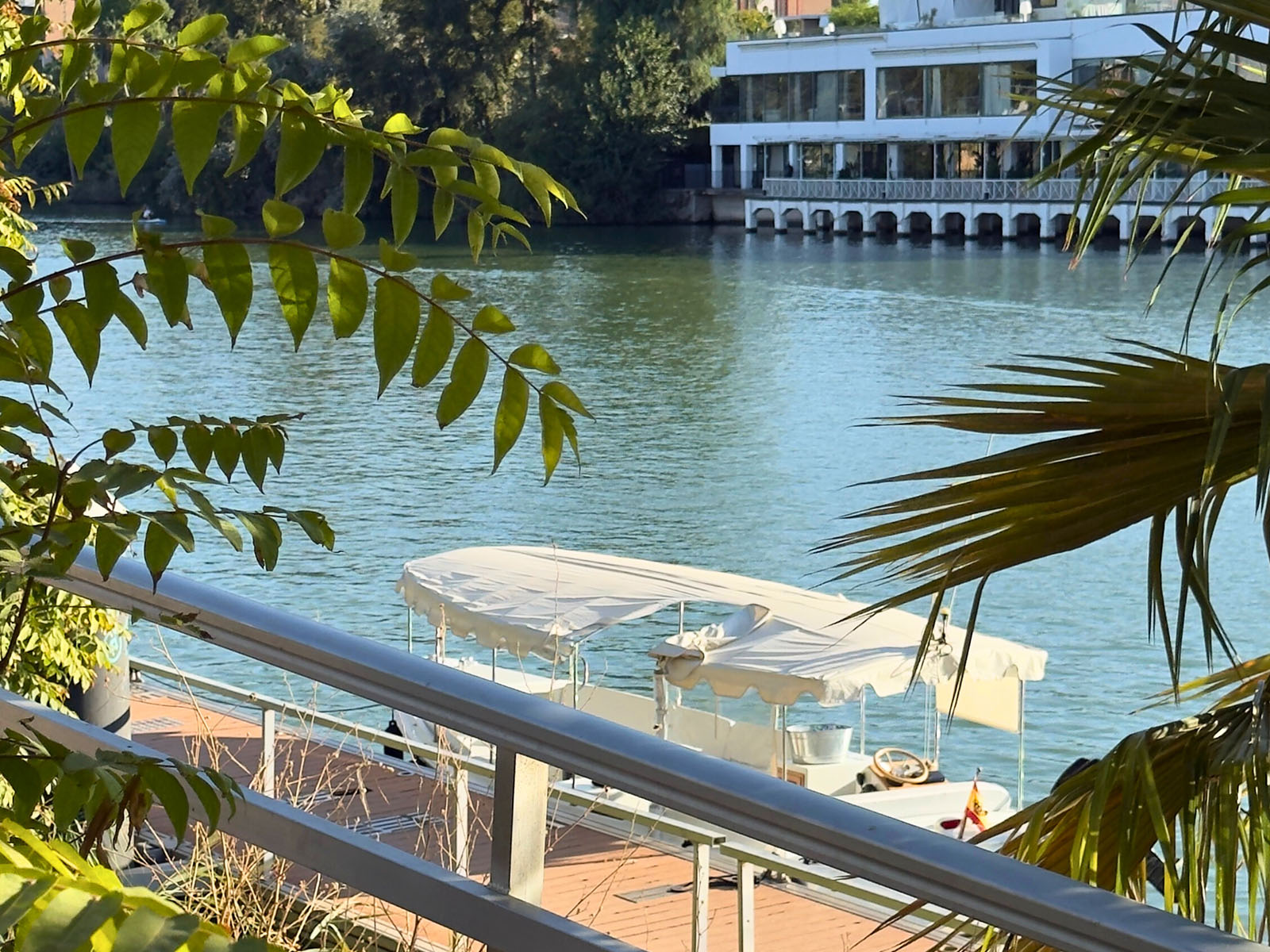
Walk along the Muelle Delicias quayside northwards and head towards the University Campus. The Guadalquivir riverbank is ideal for physical activities such as walking or running.
Our practical tips for visiting the southern area of Seville
This part of Seville is characterized by its wide open spaces and its academic and sporting focus.
Getting around the Southern District
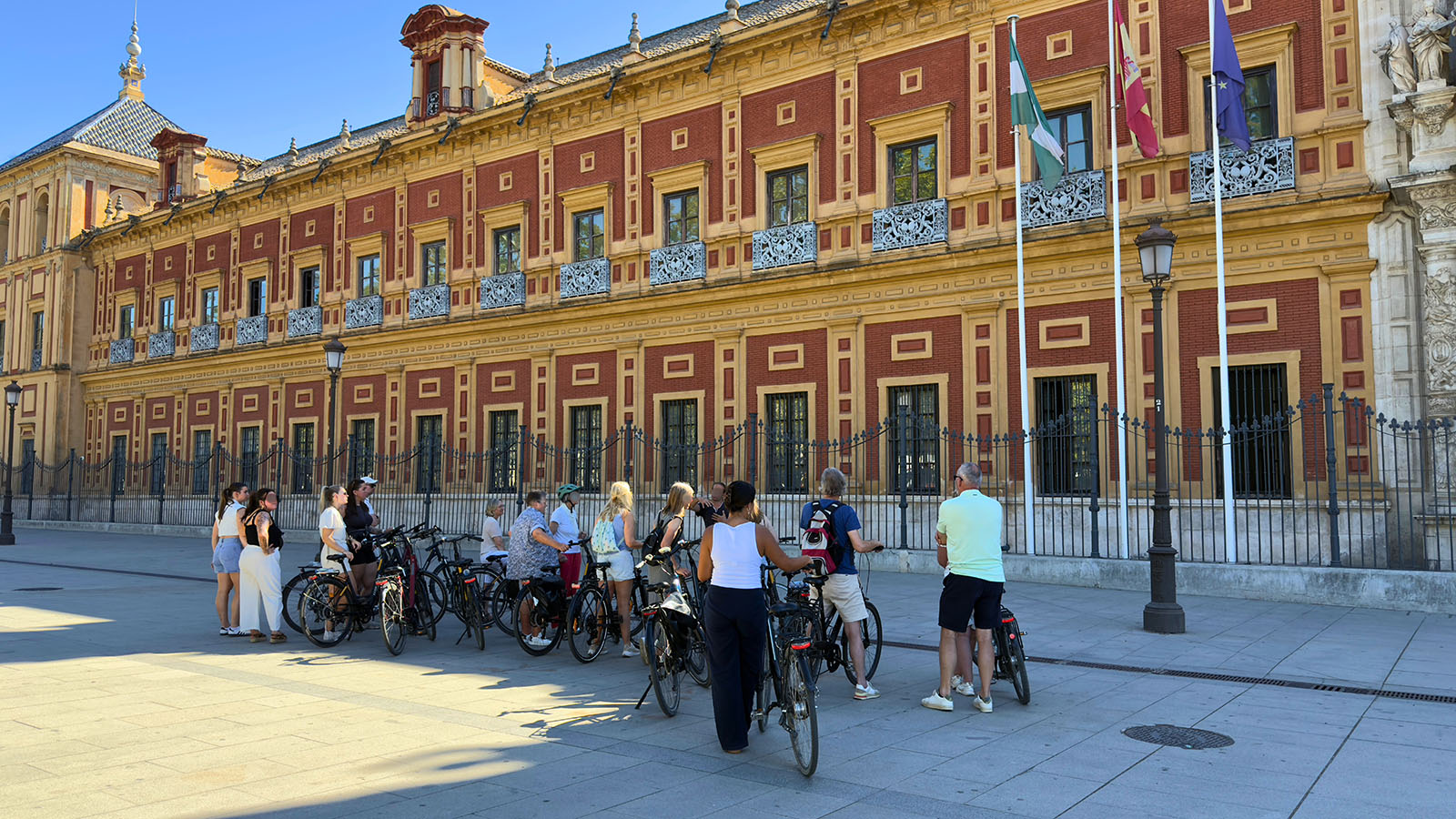
Although the northern part of the area (Plaza de España, Parque de María Luisa) is perfect for walking, the distances between the park and the southern part (Villamarín Stadium, Heliópolis) are significant. Cycling (SEVICI) is highly recommended, especially since the avenues (Av. de la Palmera, Av. de las Razas) are wide and have cycle paths.
Use the metro (Plaza de España station) to access the heart of the park from the rest of the city. It's the fastest and coolest way.
Immerse yourself in the local atmosphere
When passing through the Old Tobacco Factory area and the Bami district (universities, hospital), be discreet. These areas are focused on university work and hospital services. As it's a predominantly student area, stop at a typical bar for an authentic tapas.
If you're heading to the Benito Villamarín Stadium (Heliópolis) on a Real Betis Balompié match day, be prepared for an electric and very crowded atmosphere. Access is often congested with the green and white-clad fans several hours before kickoff.
Top experiences
Caminito del Rey: a complete guide for an unusual experience in Andalusia