- Home page
- Top experiences
- Culture and Heritage
- The 7 must-see museums in Seville
- Culture and Heritage
- Top experiences
The 7 must-see museums in Seville
Seville. The very name evokes the click of heels, the warmth of the Andalusian sun, and the majesty of the Alcázar. But while the capital's iconic monuments may take your breath away, it's in its museums that the true soul of the city resides.
Forget simply visiting galleries. We offer you an initiatory journey. A trip where you will literally walk on Roman ruins under a futuristic parasol, where you will find yourself facing the fervor of the Spanish Golden Age, and where you will feel the history of the New World vibrate in your hands. Do you see?
Whether you're passionate about archaeology, a fan of the great masters of the Baroque, or curious about popular Sevillian traditions, your adventure begins here.
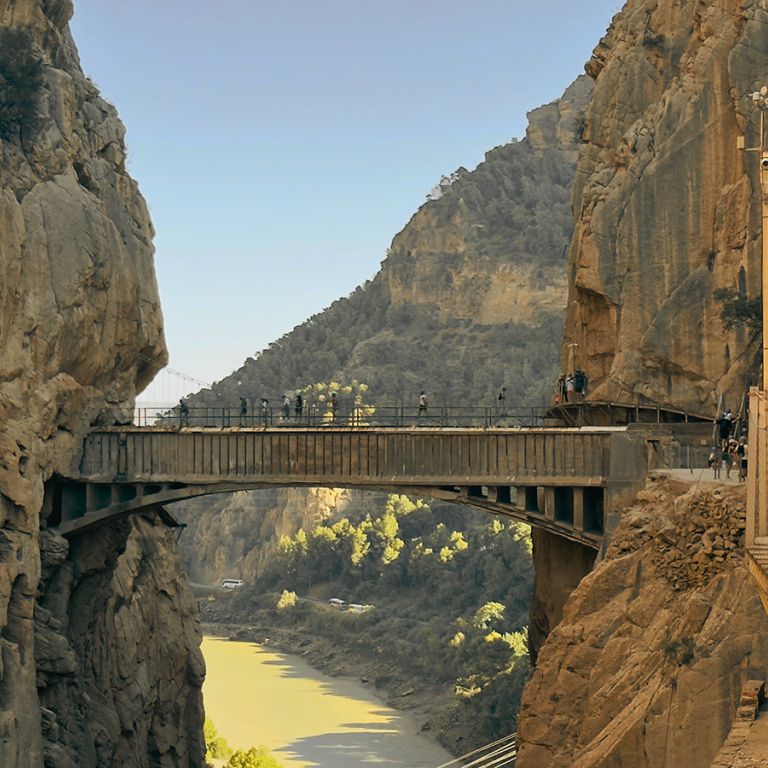
Cover photo: Museo de Bellas Artes.
Top 7 museums not to miss in Seville
A Dive into History and Archaeology
These museums are essential for anyone wishing to travel back in time and understand the foundations of the different civilizations that have shaped Seville.
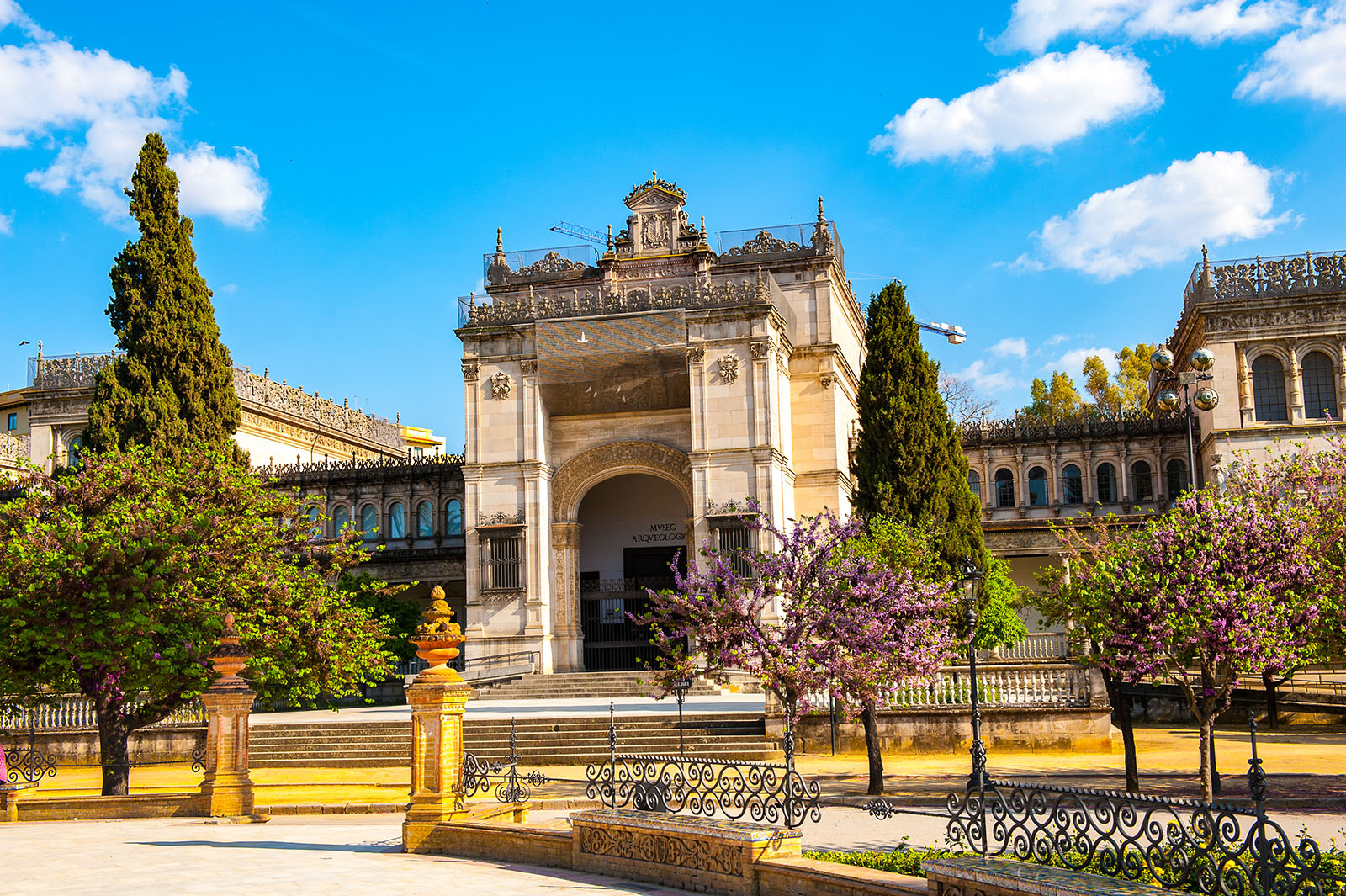
1. The Archaeological Museum of Seville (Museo Arqueológico)
Located in the Fine Arts Pavilion of the 1929 Ibero-American Exposition, the Archaeological Museum is a treasure trove of artifacts. It traces the history of the province of Seville, from prehistory to the Roman and Muslim periods. It is the ideal place to understand the importance of the ancient city of Italica.
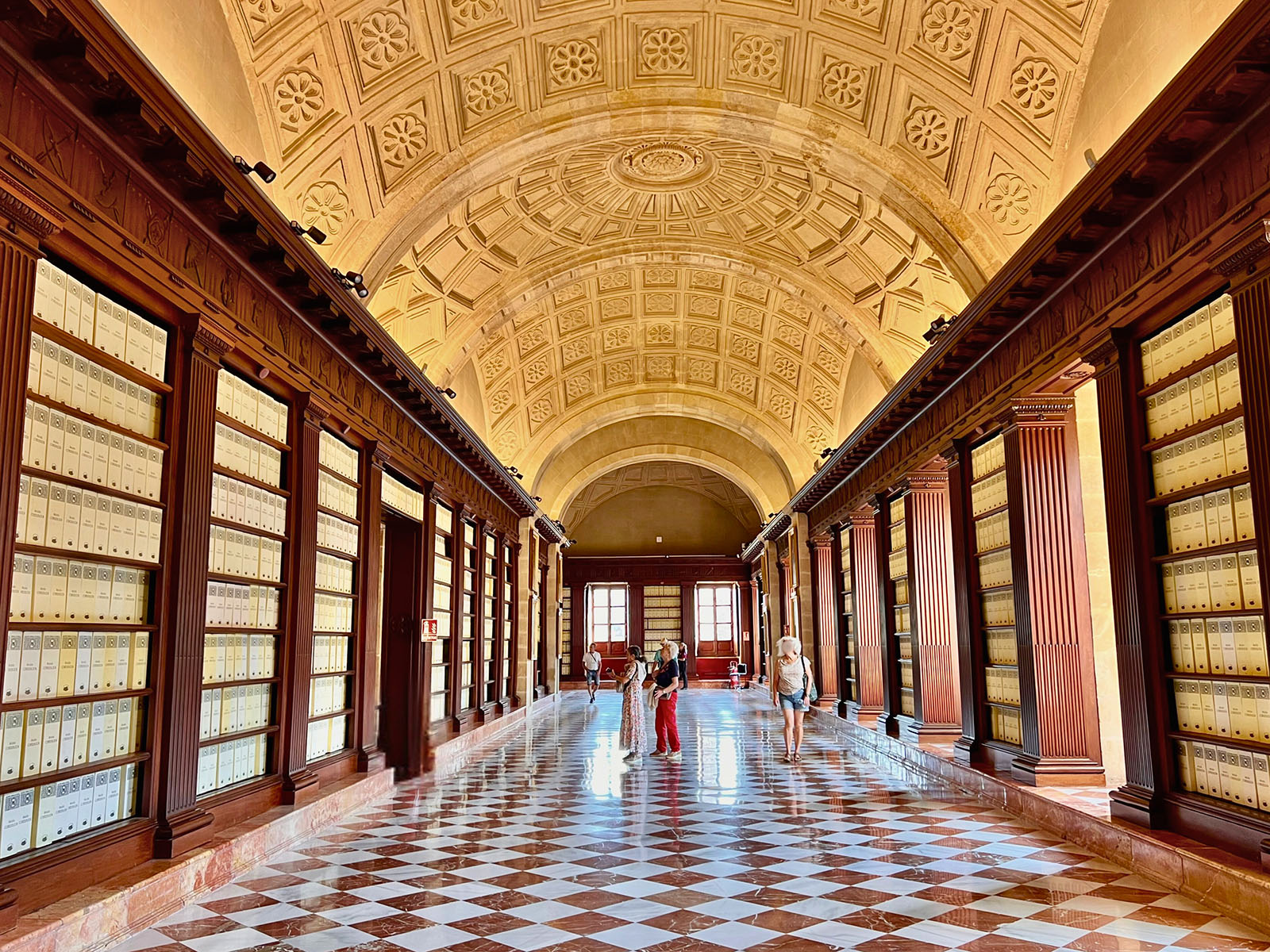
2. The General Archive of the Indies (Archivo General de Indias)
More than a museum, it is the written memory of the Spanish Empire. The General Archive of the Indies, a UNESCO World Heritage Site, is housed in a magnificent former Stock Exchange. The site preserves millions of documents related to the discovery and administration of the American colonies, including original writings by Christopher Columbus and Magellan.
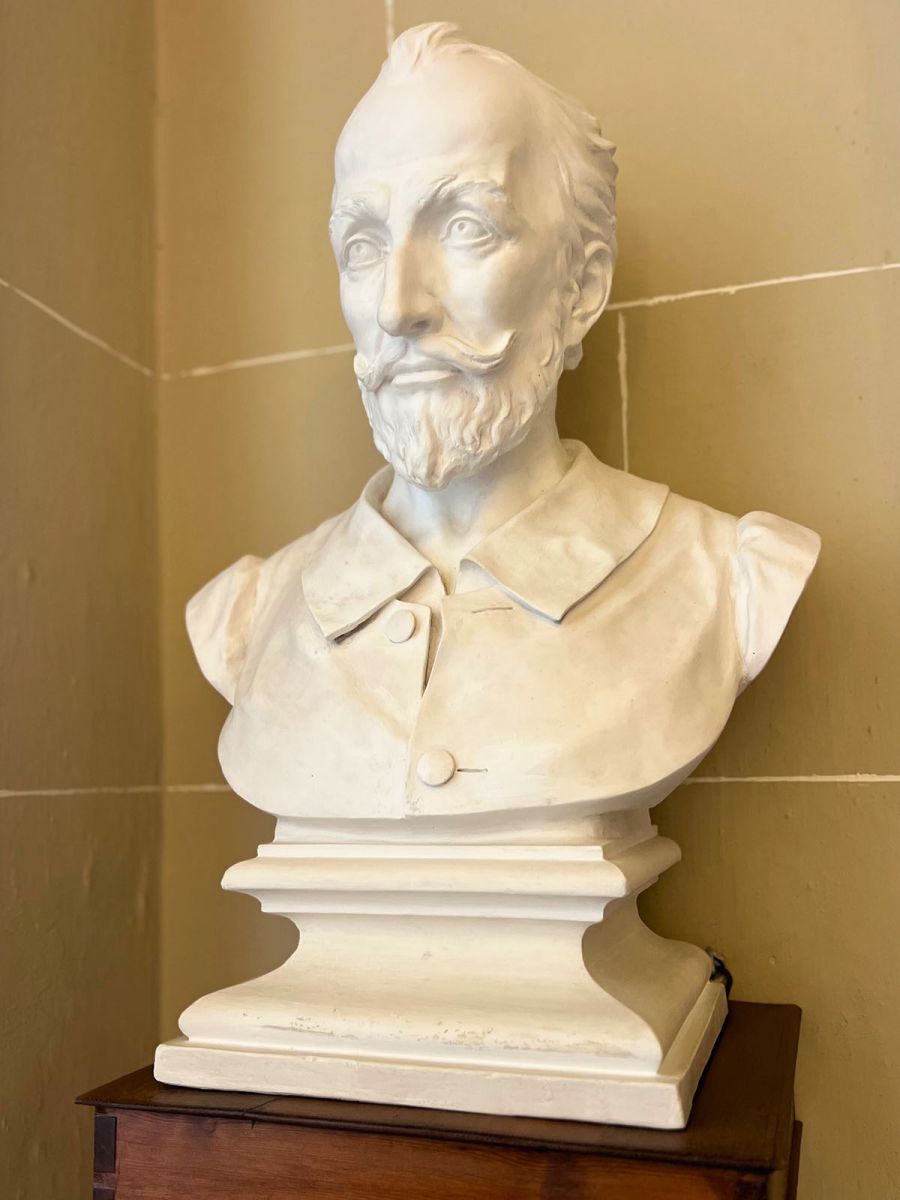
3. The Antiquarium of Seville
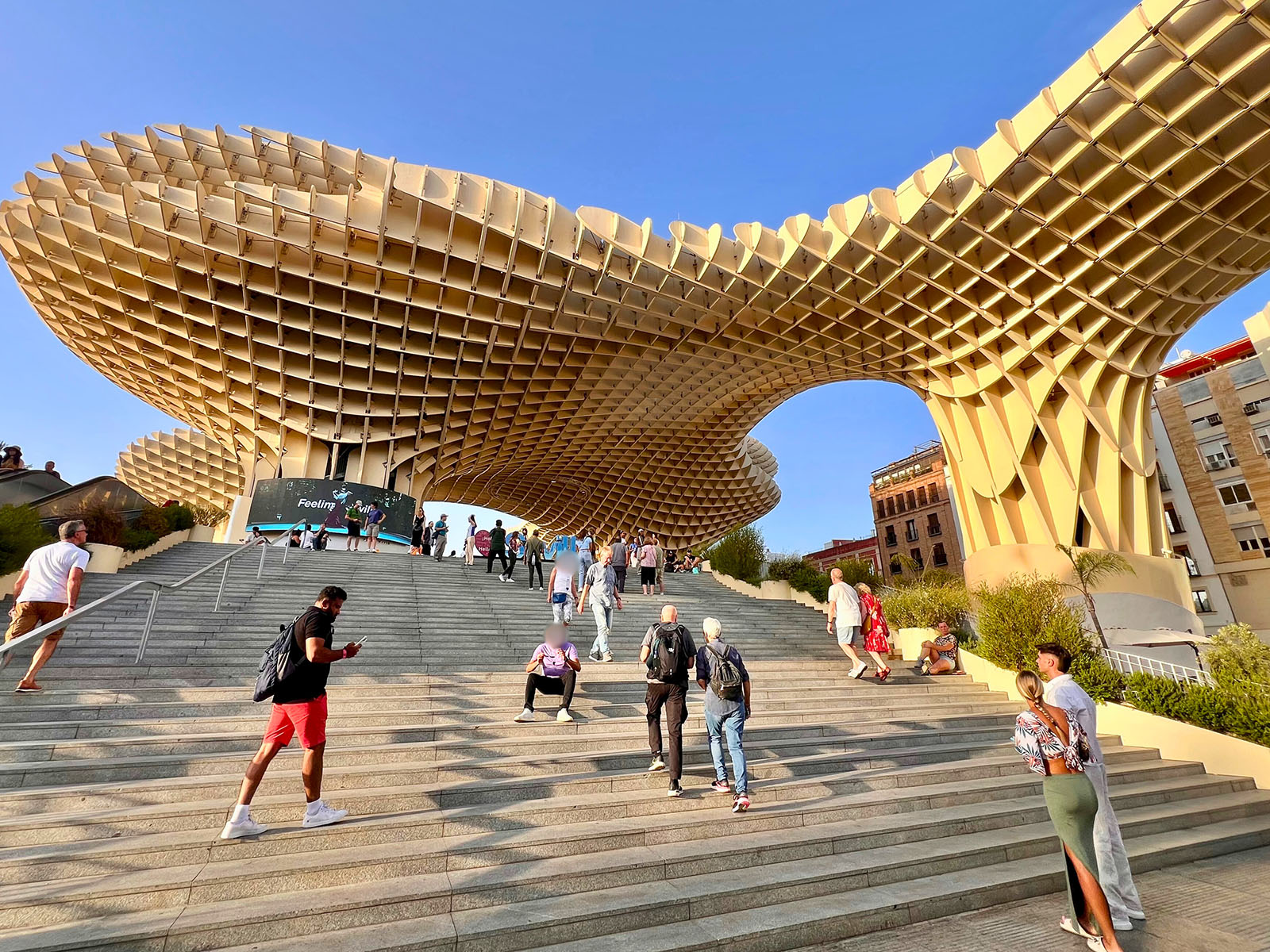
The Antiquarium is an archaeological museum distinguished by its spectacular location: beneath the modern and futuristic structure of the Metropol Parasol (the Setas). It allows visitors to literally walk among Roman (houses, mosaics) and Muslim remains, revealed during the site's excavations.
Art museums
These institutions are dedicated to the arts, with a particular emphasis on the extraordinary output of the Sevillian School.
4. The Museum of Fine Arts of Seville (Museo de Bellas Artes)
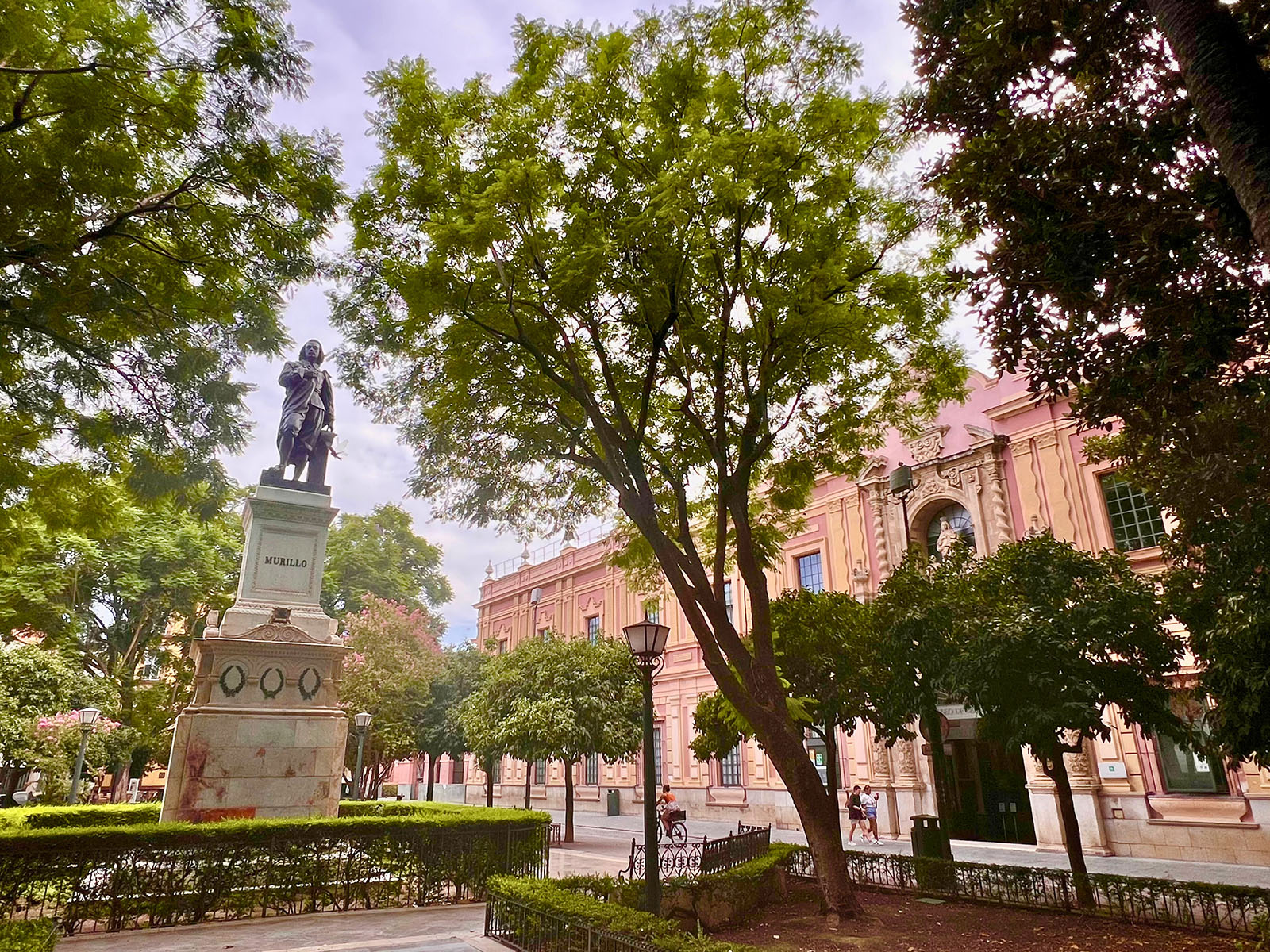
Considered the second most important art gallery in Spain, the Museum of Fine Arts of Seville is a temple to the Spanish Golden Age and the Sevillian School. Housed in the former Convent of La Merced, it displays masterpieces by masters such as Murillo, Zurbarán, and Valdés Leal. Its cloisters and patios invite contemplation.
5. The Andalusian Centre for Contemporary Art (CAAC)
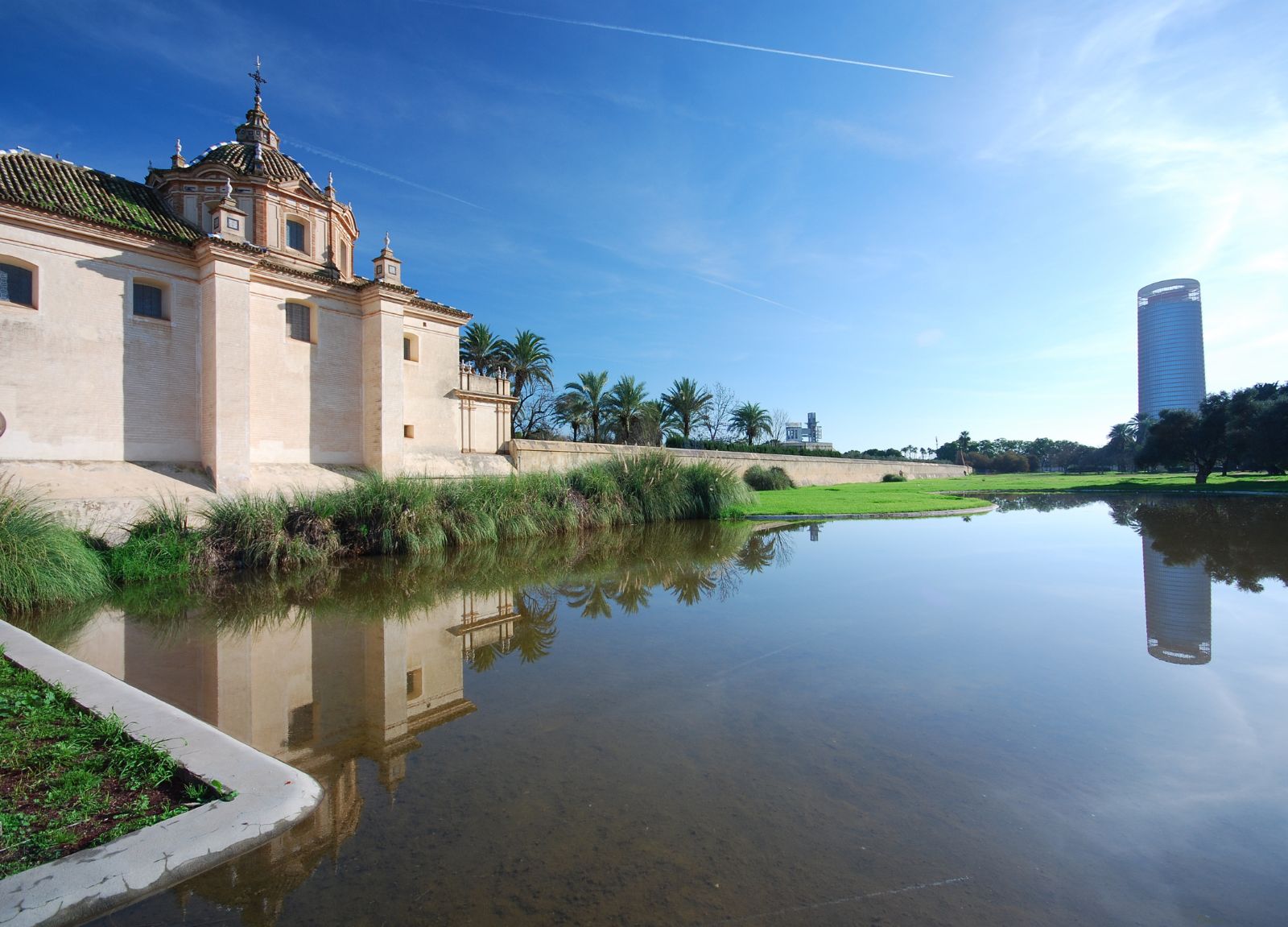
For lovers of modern and contemporary art, the CAAC is a must-see. It is housed in the former Cartuja Monastery, whose history dates back to the 15th century. The contrast between the historic religious architecture and the modern art installations is striking.
Traditions and popular culture: museums not to be missed
These museums focus on Andalusian identity, its living arts and ancestral know-how.
6. The Flamenco Dance Museum (museo del Baile Flamenco)
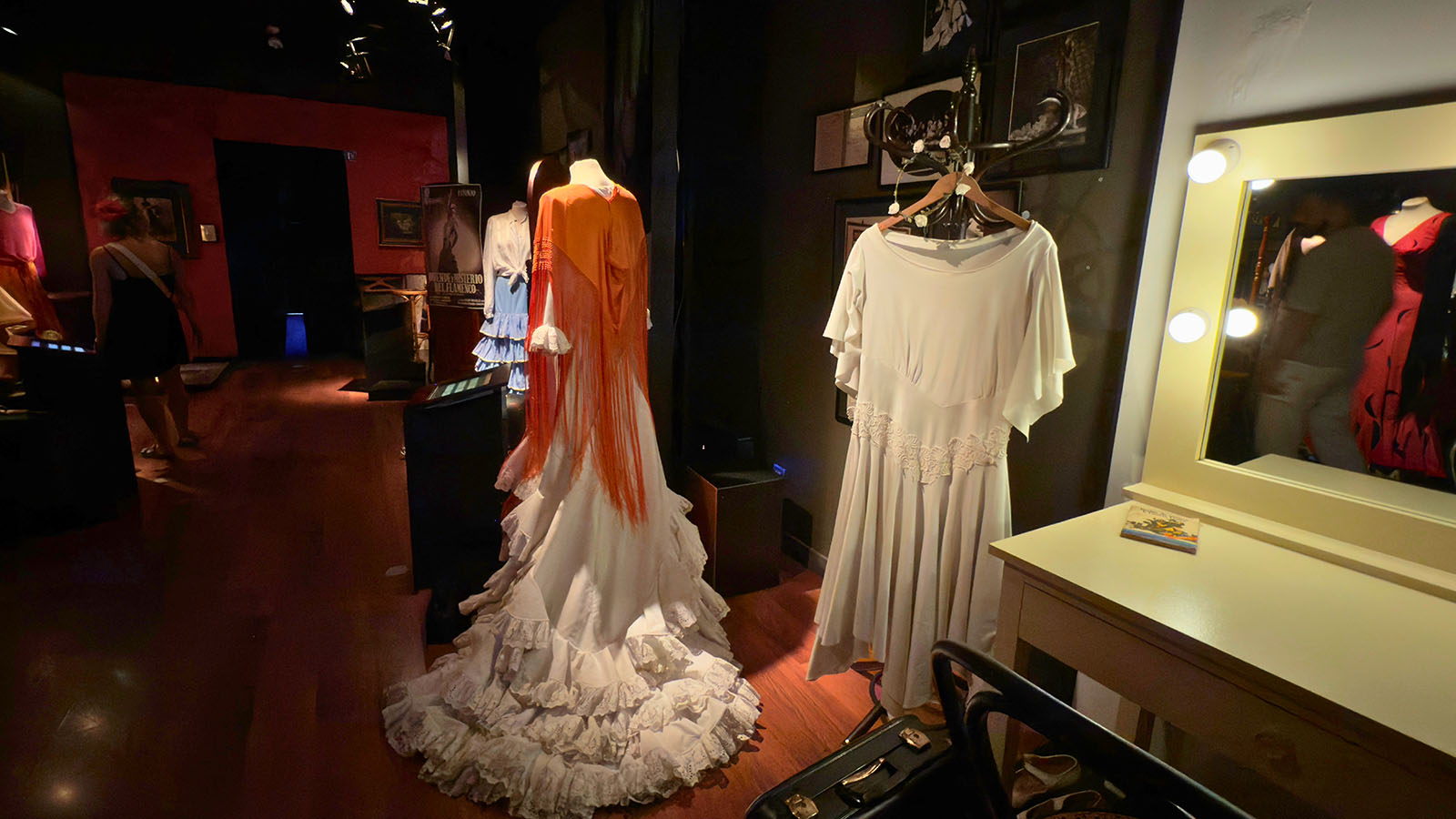
Unique in its kind, the Flamenco Dance Museum is the first in the world entirely dedicated to the art of Flamenco. Founded by dancer Cristina Hoyos, it offers an interactive experience (history, costumes, instruments) and the opportunity to attend daily high-quality performances in its magnificent interior patio.
7. The Triana ceramic center (centro cerámica Triana)
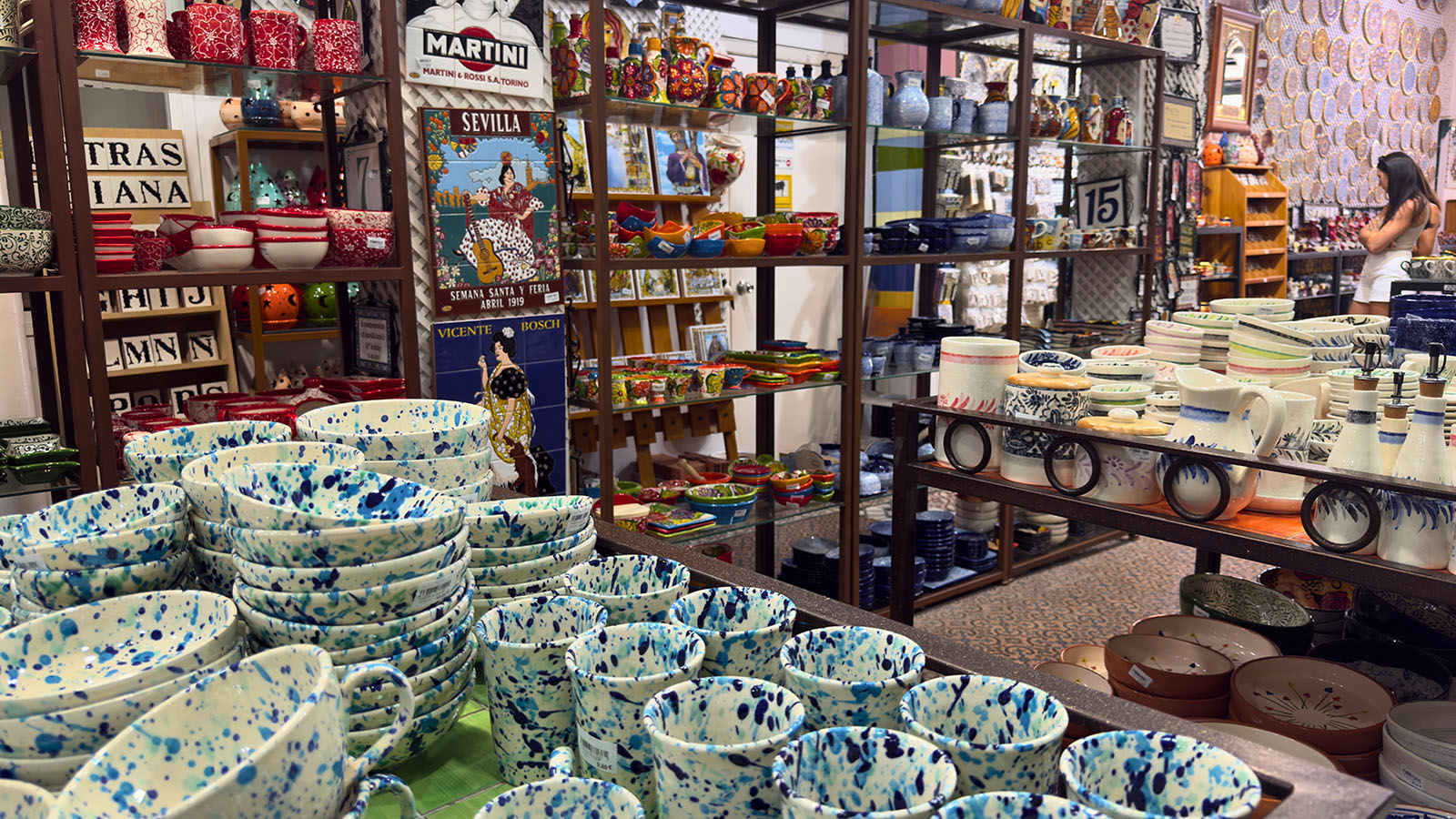
Located in the historic Triana district, the cradle of Sevillian pottery, the Ceramics Centre is housed in a former ceramics factory. It presents the history of this major art form, from the production of clay to the famous azulejos (glazed tiles) that adorn the city.
Our practical tips for your visits
To fully enjoy your cultural immersion, we give you our tips.
- A helpful tip : most state or regional museums (Archaeological Museum, Museum of Fine Arts, General Archive of the Indies) are free for EU citizens (upon presentation of an ID). A great way to save money!
- Please note that some museums reduce their opening hours in the afternoon during the summer months (July-August). Always check before you travel.
- If you wish to attend the Museo del Baile Flamenco show, it is strongly recommended to book online in advance, as places are limited.
- To reach the Italica archaeological site, you can easily take a bus or a short taxi ride. Organized excursions are also available in Seville.
Did you like our article? Find more on the Seville City Guide blog.
We also have a Facebook page for the Seville City Guide and an Instagram account @seville_city_guide
Top experiences
Caminito del Rey: a complete guide for an unusual experience in Andalusia