- Home page
- Tourism
- Discover Séville
- Neighborhood by neighborhood
- Macarena & Northern District
- Neighborhood by neighborhood
- Discover Séville
- Tourism
Macarena & Northern District
Automatic translation
Rooted in popular tradition and daily life, this area is dominated by the historic district of La Macarena, the true beating heart of Seville's religious fervor. Far from the crowds of the city center, La Macarena offers an authentic atmosphere, famous for its Holy Week processions.
Further north, the neighborhoods of the Northern District reveal a more contemporary and residential Seville, with large green spaces and recreational areas, contrasting with the narrow streets of the south. Together, these districts offer a glimpse into the city's vibrant soul and living history.
Top 10 unmissable adventures
- To marvel at the Virgin of Hope Macarena.
- Take a walk along the old city walls.
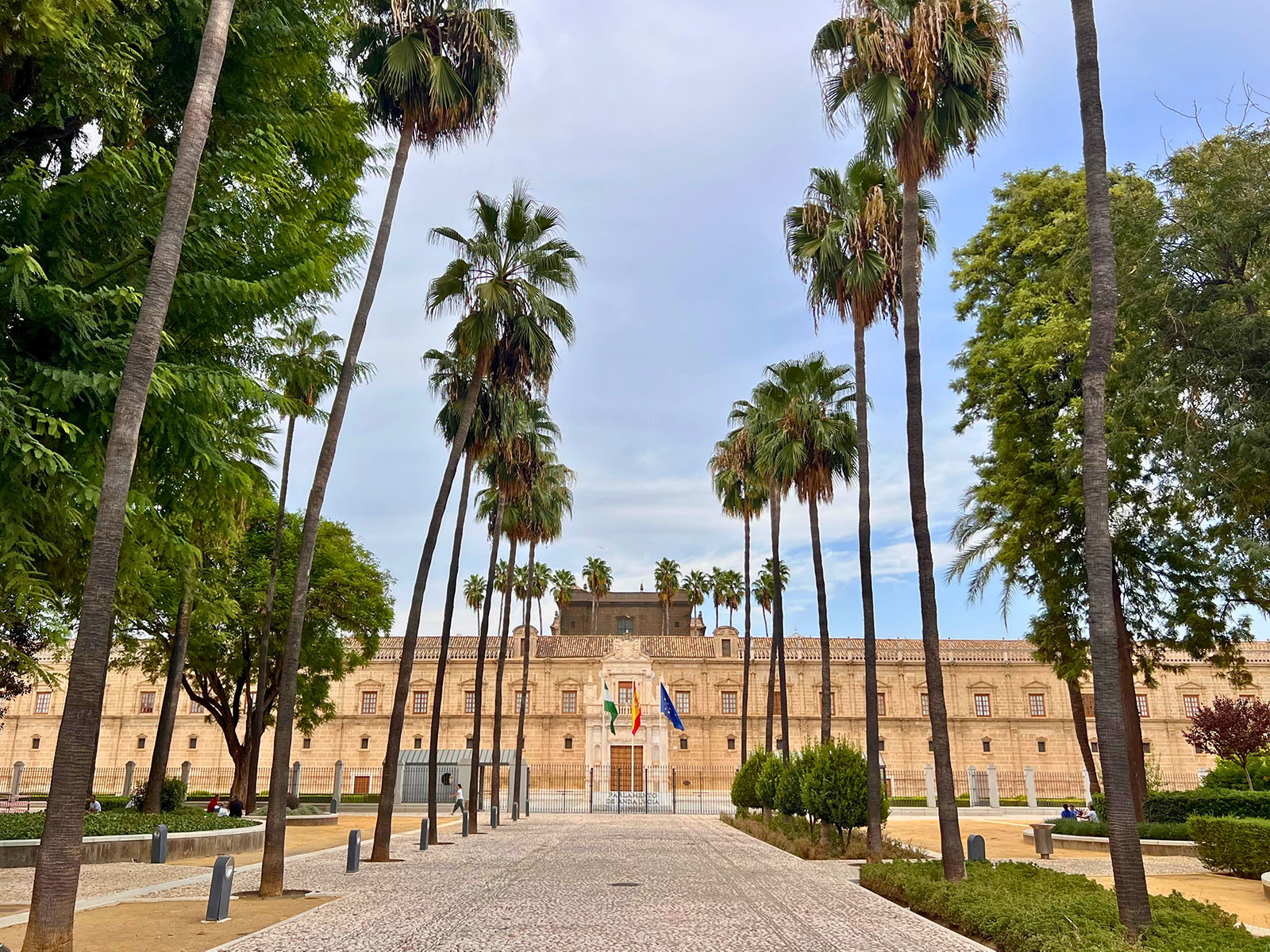
- Admire the impressive building of the Parliament of Andalusia.
- Enjoy Miraflores Park.
- Cross the Arc de la Macarena (Puerta de la Macarena).
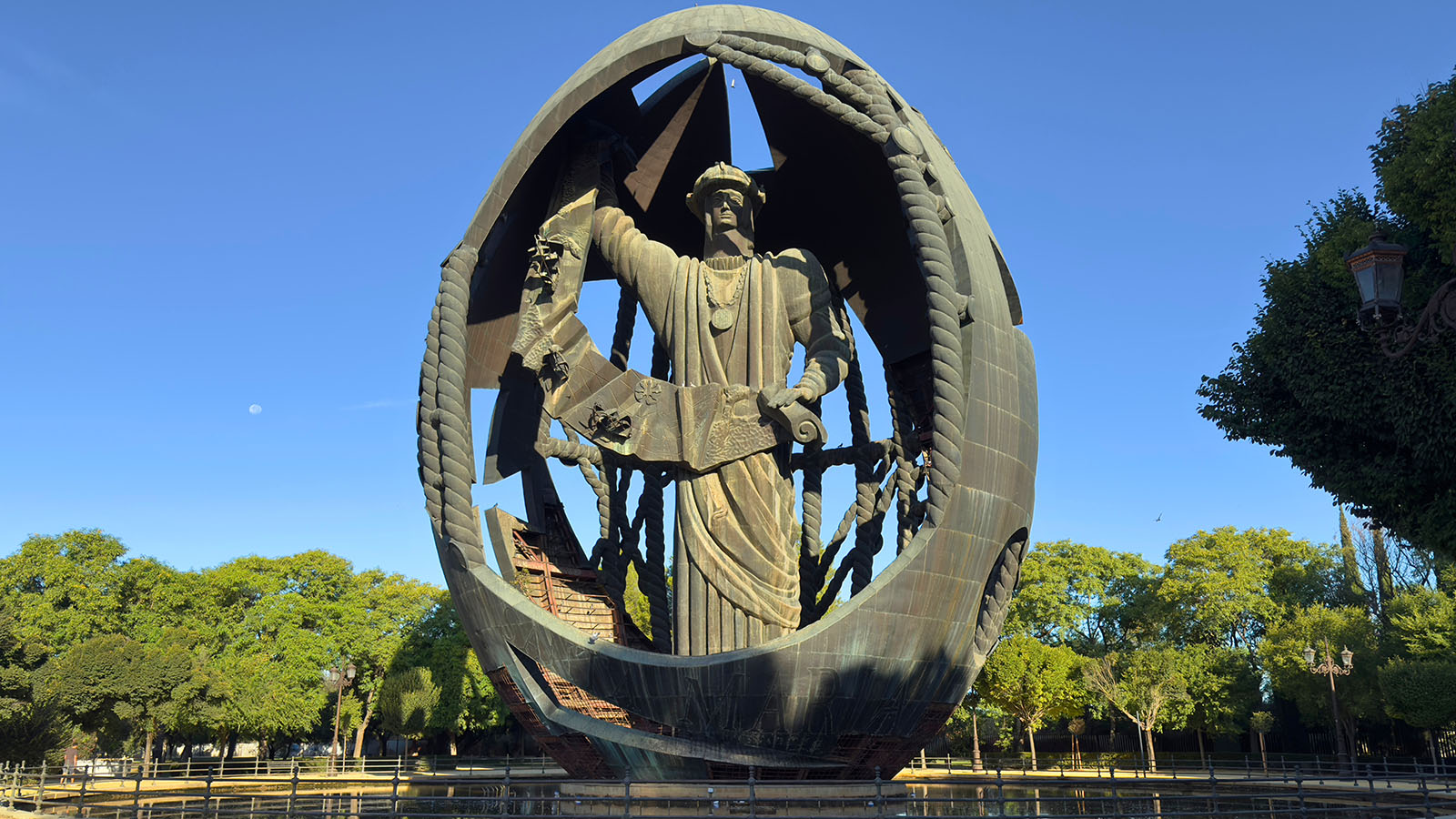
- Feel very small in front of the Huevo de Colón (Columbus Egg) Monument.
- Enjoy the "papas aliñás" in a ventorrillo.
- Relax in the peace and quiet of San Jerónimo Park.
- Attend a concert at Pandora Sevilla.
- Strolling between the Glorieta Olímpica and the Alamillo bridge.
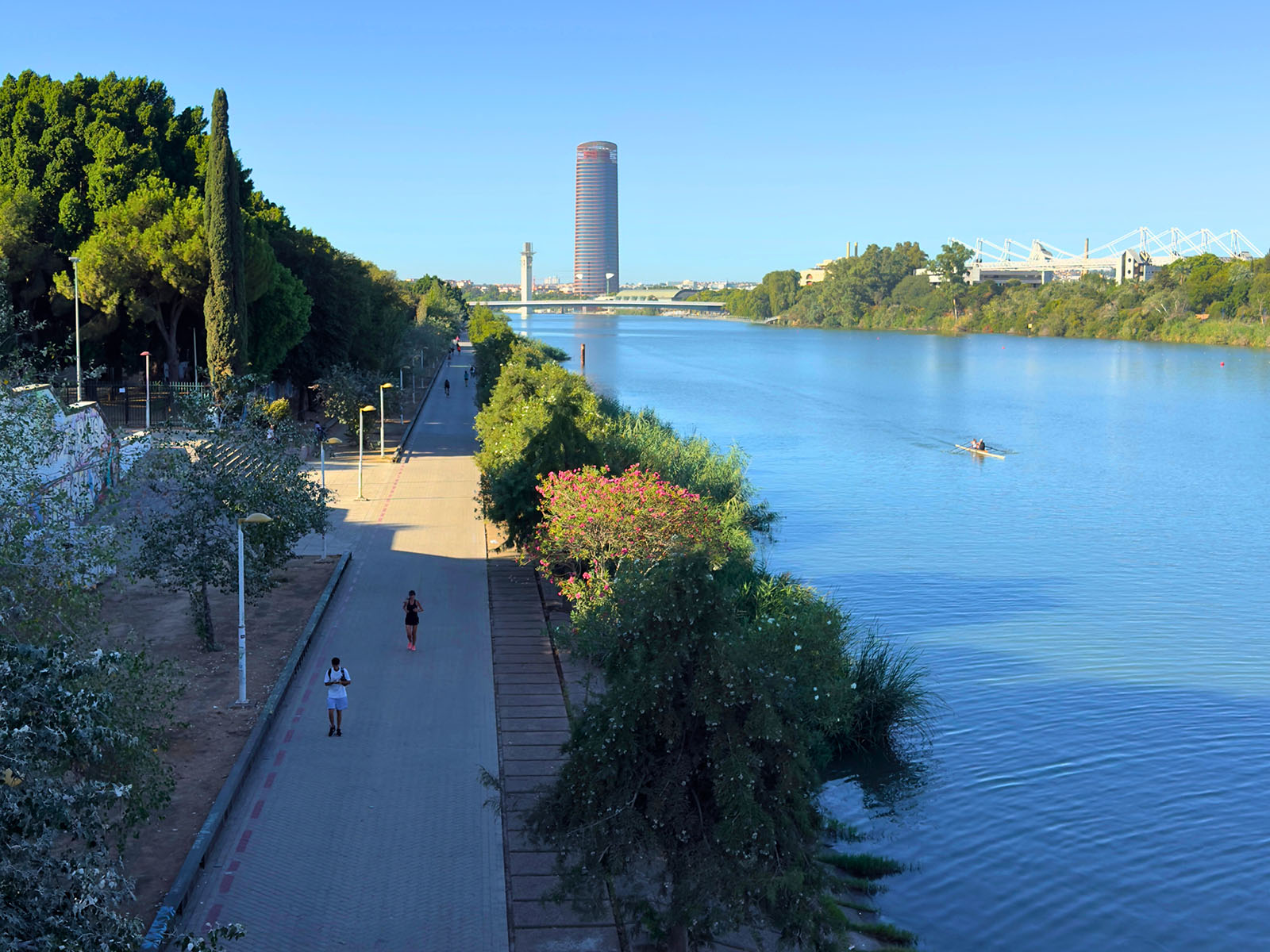
Suggested walking route: the Macarena fervor and North District circuit
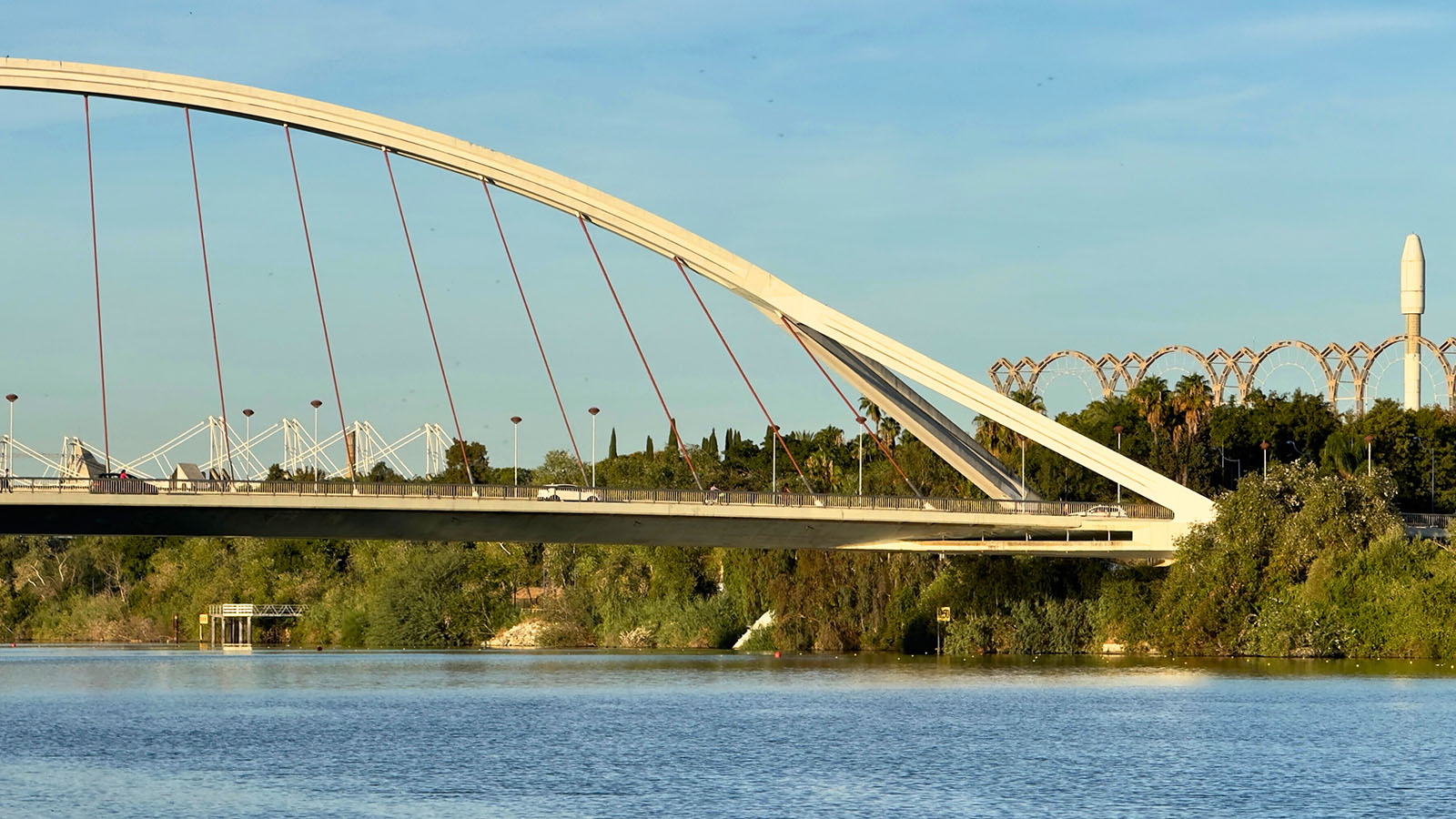
📍 Step 1: The Barqueta Bridge
Begin your walk at the Barqueta Bridge, built for the 1992 Universal Exposition. This low-arched bridge is a masterpiece of elegance. It was one of the main access points to Expo 92 and to the island of La Cartuja.
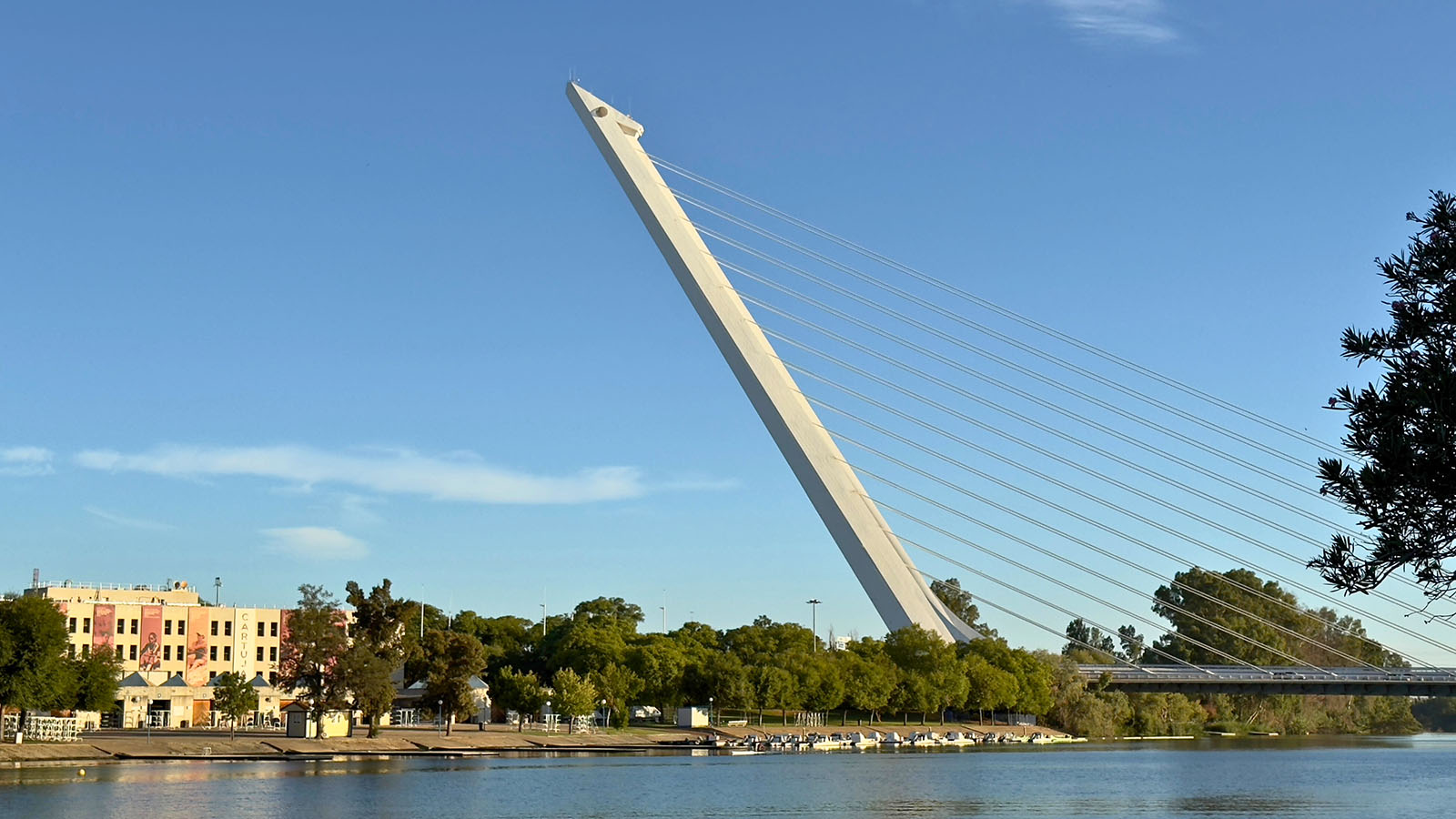
📍 Stage 2: Glorieta Olímpica and Alamillo Bridge
After walking along the river, head north to the Glorieta Olímpica roundabout to admire the Alamillo Bridge. The Glorieta Olímpica commemorates Seville's ambition to host the Olympic Games (ultimately unsuccessful) and leads to the spectacular Alamillo Bridge.
📍 Step 3: San Jerónimo Park
Enter San Jerónimo Park, a large green space on the right bank of the river. It's ideal for relaxation and observing river wildlife. It takes its name from the old monastery located in the adjacent neighborhood.
📍 Step 4: The Huevo de Colón (Columbus Egg) Monument
At the northernmost point of the park and the San Jerónimo district, you'll find this monumental statue. The Monument to the Egg of Columbus (Huevo de Colón), created by the Russian artist Zurab Tsereteli, is an immense metal column adorned with caravel heads. It symbolizes Christopher Columbus's departure for America, with Seville serving as the port of departure and return for his expeditions.
📍 Step 5: Walk along the Guadalquivir
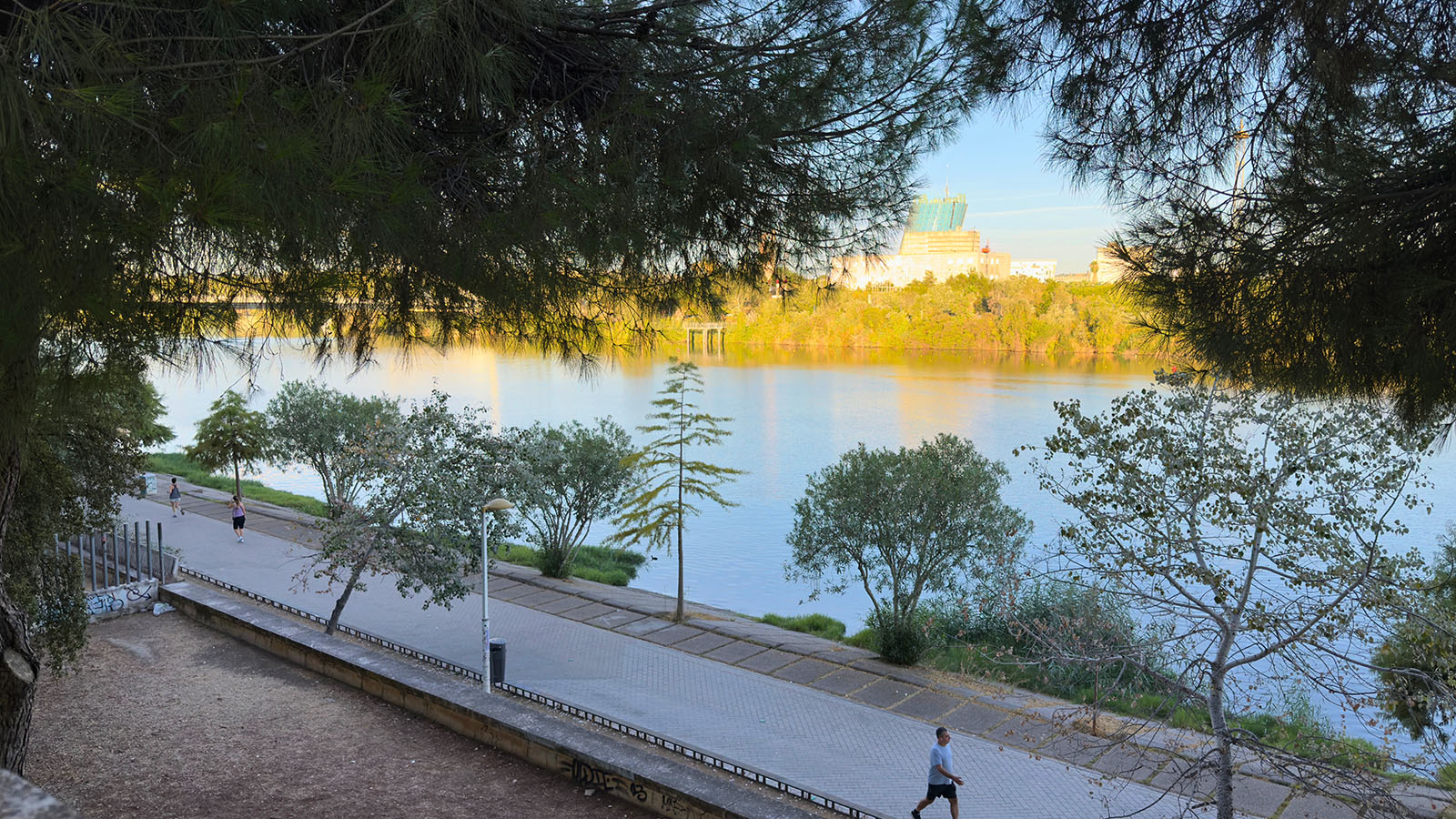
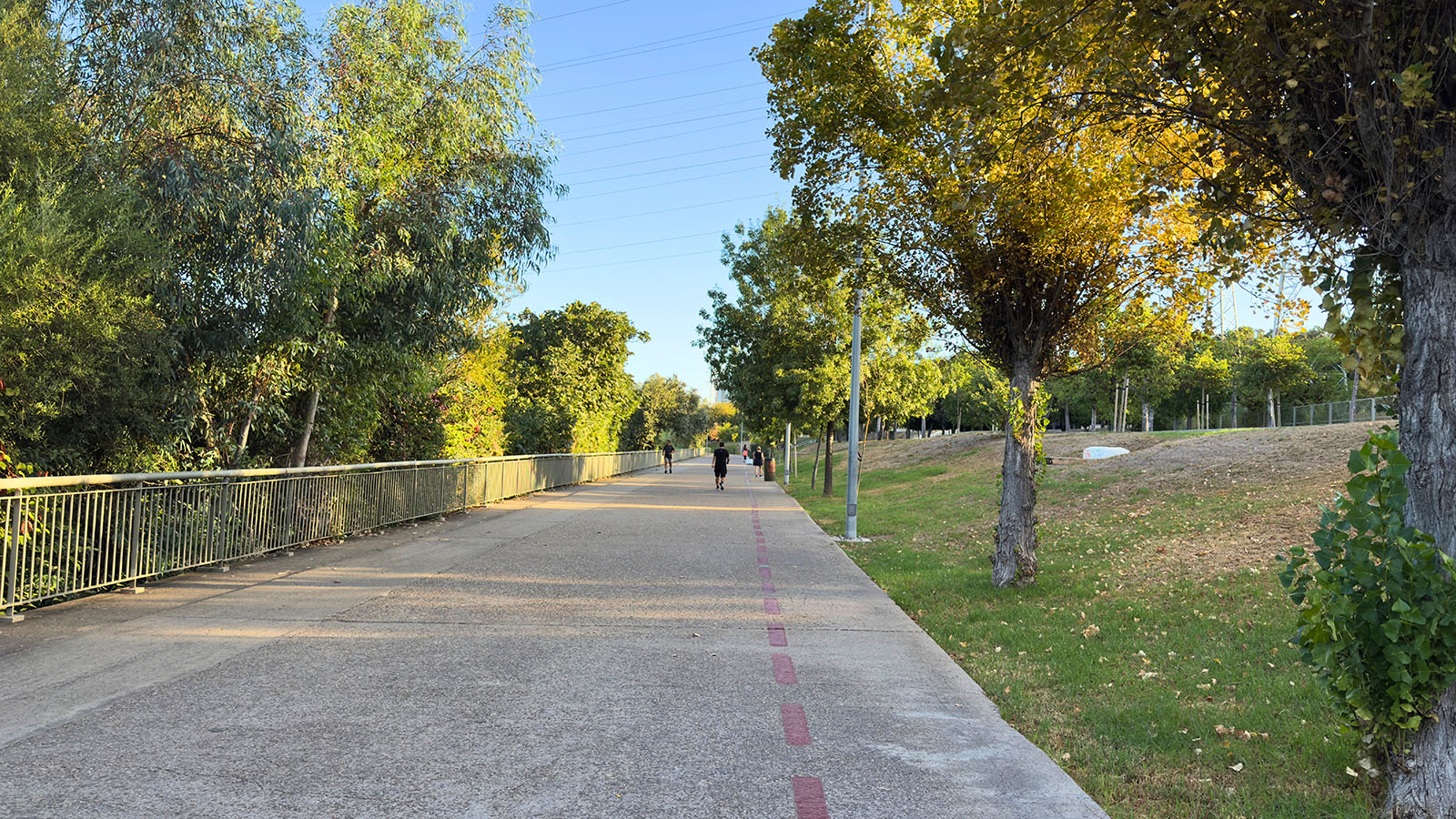
For your return to the historic center, take the time to walk or play sports along the riverbanks. This stroll is the best way to grasp the scale of the city's modern development.
📍 Step 6: The Parliament of Andalusia and the Colon Monument
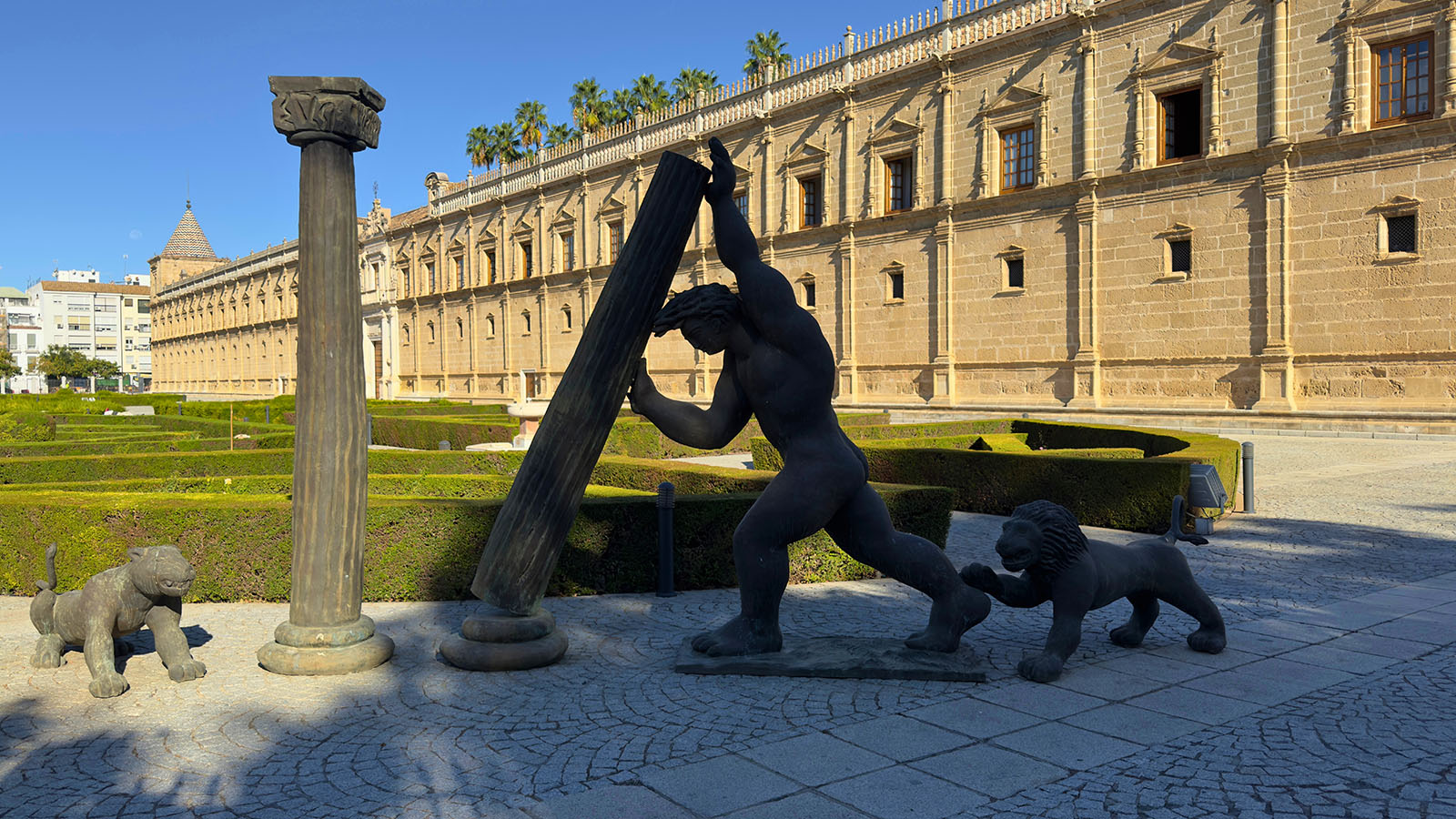
Leave the riverbank and head towards the heart of La Macarena to reach the former Cinco Llagas Hospital. This Renaissance building is now the seat of the Parliament of Andalusia. Its impressive façade, with its large inner courtyard, makes it an architectural masterpiece.
📍 Step 7: Basilica of the Macarena and Arch of the Macarena
Complete your historical and popular pilgrimage by reaching the two ultimate symbols of the neighborhood.
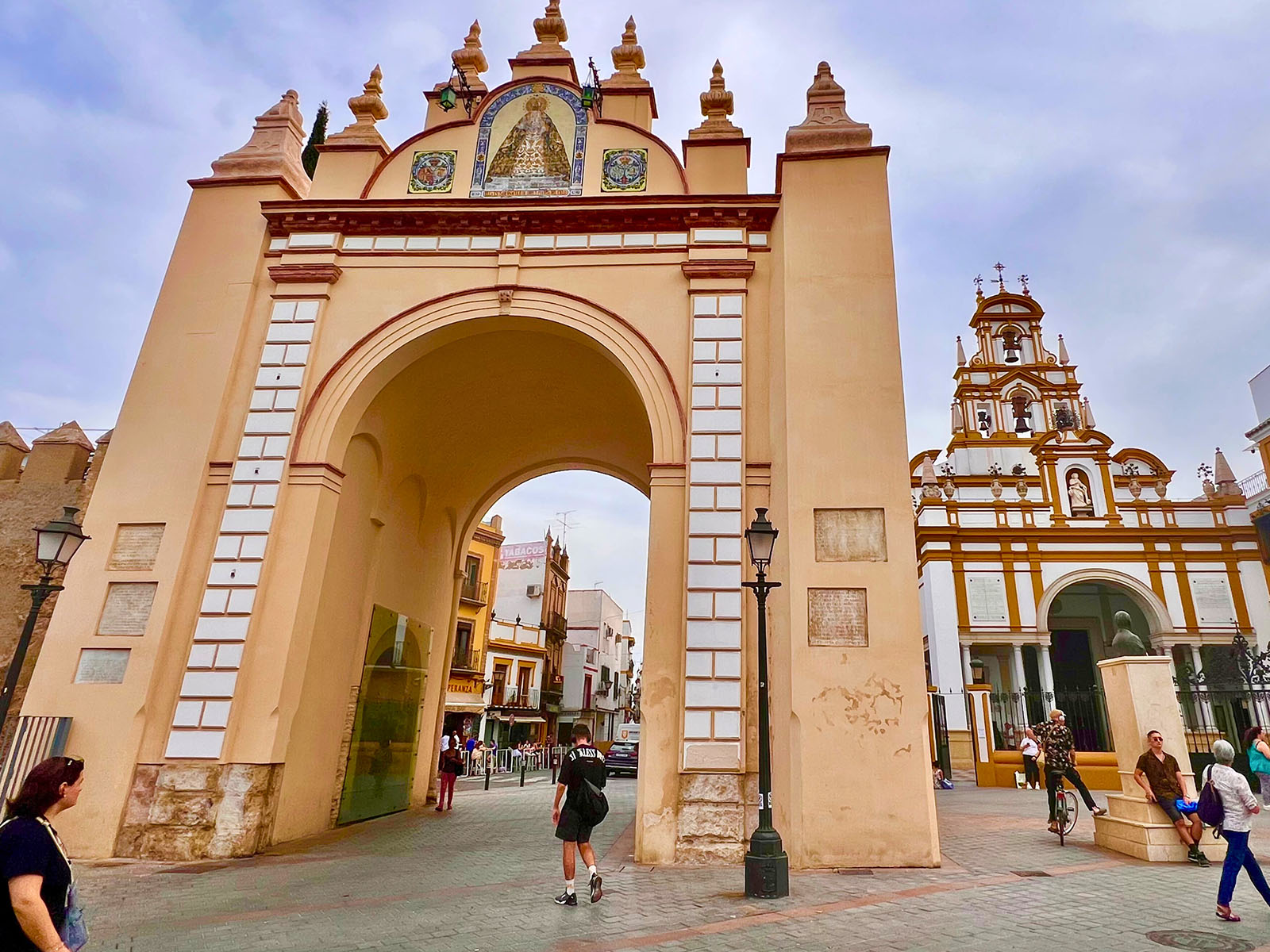
The Basilica of La Macarena houses the Virgin of Hope, Seville's most venerated icon, famous for its procession during the Madrugá of Holy Week. Right next to it is the Arco de la Macarena, the city's former northern gate.
Practical tips for visiting La Macarena and the Northern District
This area requires adopting a different mindset, far removed from the tourist postcard, to appreciate its deeply local, spiritual and expansive character.
The spiritual experience and respect for the place
- The Basilica of La Macarena is not just another monument; it is the living heart of Sevillian devotion. Even outside of Holy Week, be aware that it is an active pilgrimage site. Dress appropriately (shoulders and knees covered) and maintain a quiet demeanor, especially near the Virgin.
- Unlike the walls of the Alcázar, the walls of the Macarena are integrated into the urban architecture. They are a fragile testament to the medieval past. Take the time to observe them, often through the railings, without climbing them.
A local culinary immersion
La Macarena and the surrounding neighborhoods are the perfect place to eat local food. Look for small ventorrillos or unpretentious bars. They're often recognizable by their zinc counters and tiled floors, and serve simple but tasty stews (guisos) and tapas. The atmosphere is often lively, but the quality of the popular cuisine is guaranteed.
The logistics of reaching these neighborhoods
- Anticipating distances in northern Seville : the Northern District is a residential and functional area. The journeys between El Huevo de Colón and Miraflores Park are long and can become monotonous on foot. Use the bicycle (SEVICI) or the bus (lines 1, 2, C1, C2). These modes of transport are essential for connecting the riverfront area to the park zone.
- The walk along the Guadalquivir River is a natural delight. However, there is little shade, so it's best to visit at dawn or dusk.
Top experiences
Caminito del Rey: a complete guide for an unusual experience in Andalusia