- Home page
- Top experiences
- Culture and Heritage
- Plaza de Toros de la Maestranza: a visit and exploration of the Seville bullring
- Culture and Heritage
- Top experiences
Plaza de Toros de la Maestranza: a visit and exploration of the Seville bullring
When you think of Spain, you inevitably think of bullrings! The Seville City Guide loves bullfighting, so what better way to experience the city than by visiting the bullring during your trip to Andalusia? Even if bullfighting isn't on your list of activities, the Plaza de Toros de la Real Maestranza de Caballería de Sevilla is a landmark that every visitor should explore. Much more than just a bullring, it's a symbol of Andalusian architecture and culture. A place where history, art, and tradition converge in an explosion of ochre and gold.
The Maestranza occupies a central place in the hearts of Sevillians, contributing to centuries of equestrian and bullfighting traditions. It is a silent witness to the moments of glory, dramas, and passions that have marked the city.
Let's go behind the scenes at the Maestranza together for a visit that will appeal to both young and old!
What you will find in this article
The Maestranza in Sevillian culture
The Plaza de Toros de la Maestranza is the stage for Seville's most important social and cultural event: the Feria de Abril (April Fair). During this week, the bullring becomes the city's nerve center. Whether you approve of bullfighting or not, this place embodies a fundamental part of Andalusian identity, made up of history, tradition, art, and a certain sense of tragedy.
An architectural and historical masterpiece
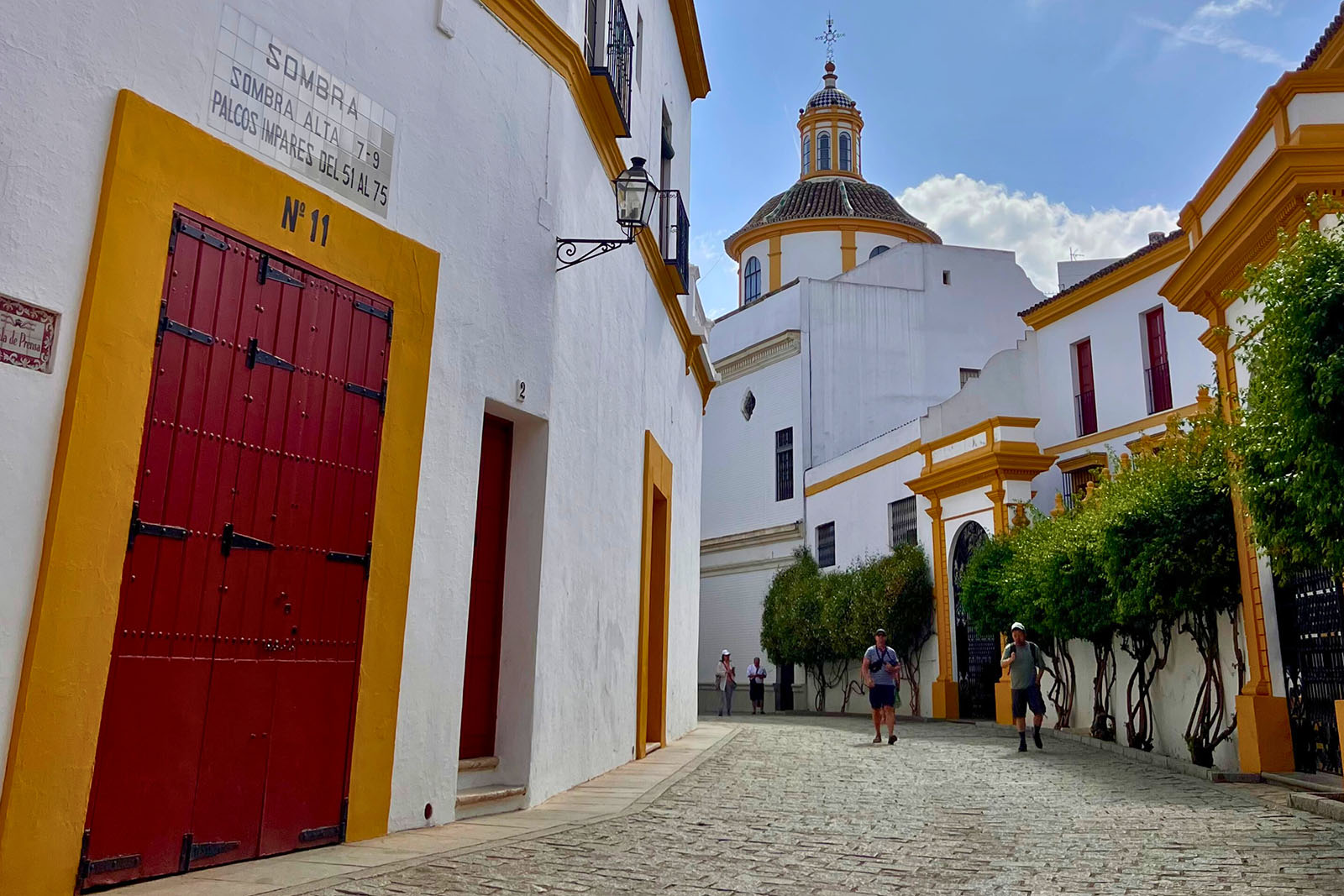
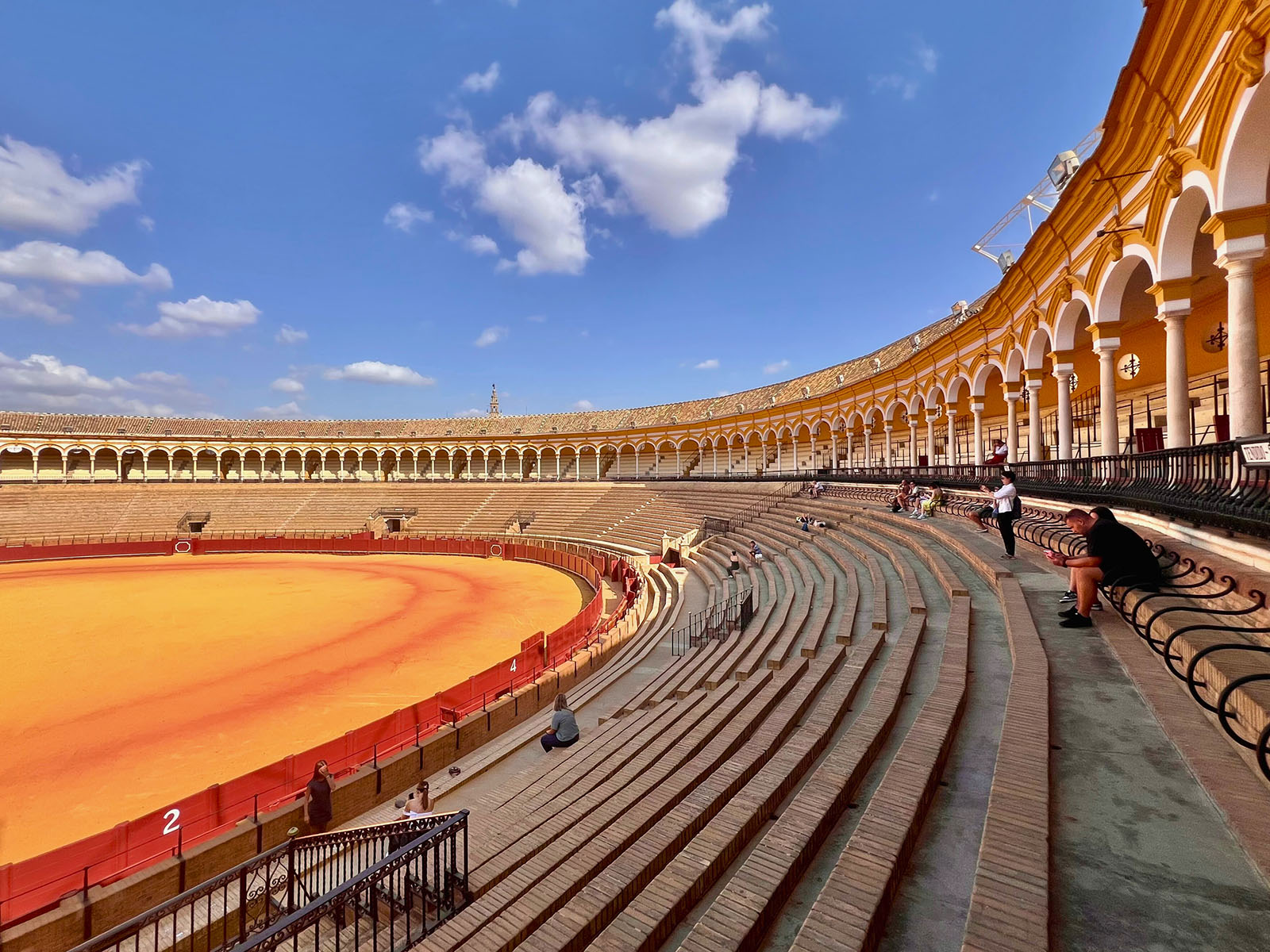
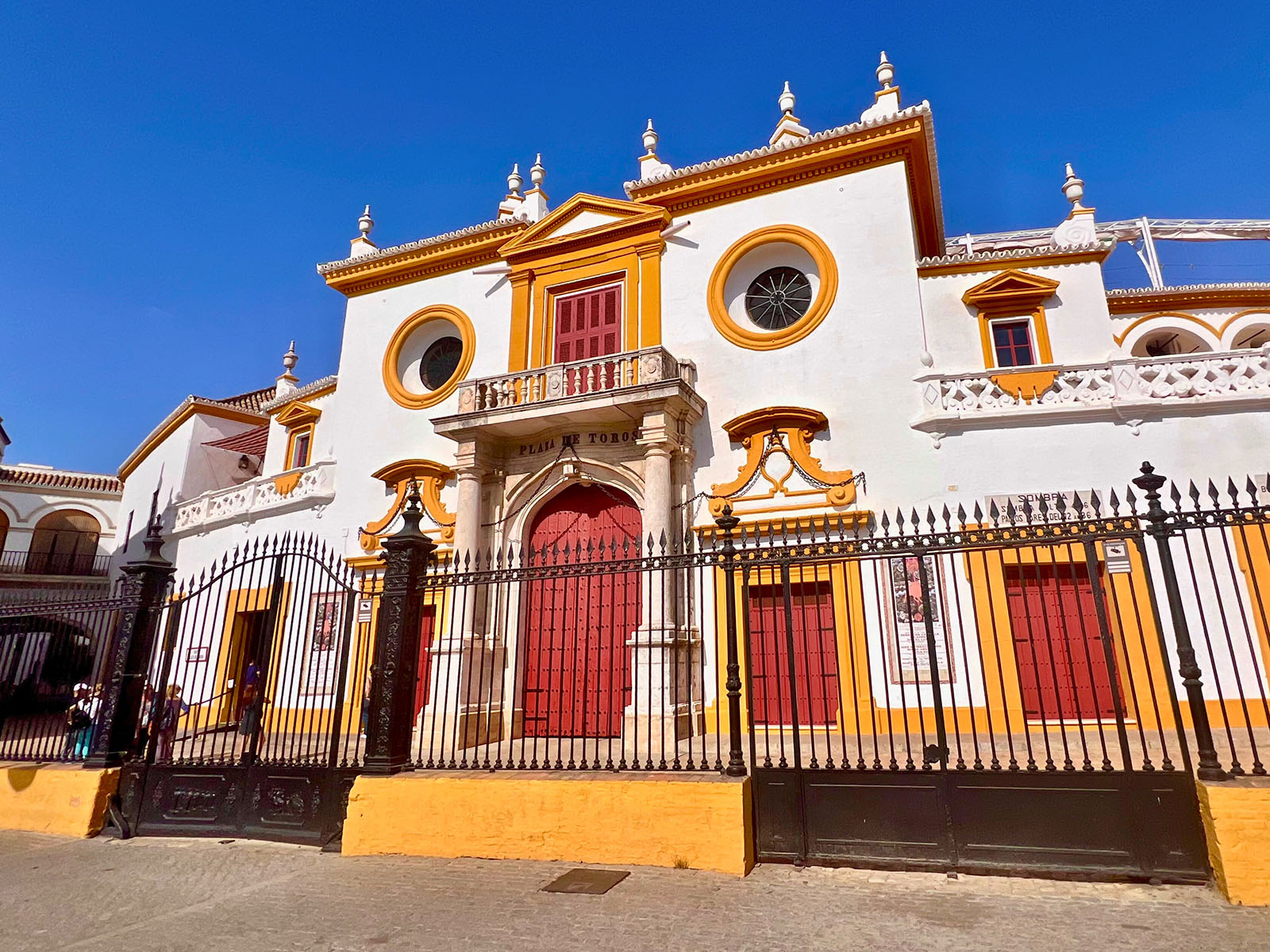
Even before entering, the exterior is breathtaking. The Maestranza stands out with its slightly elliptical shape, contrasting with most perfectly round bullrings. This unique feature gives it a distinctive visual appeal.
The colors of tradition
Admire the interplay of colors: the pristine white of the walls enhanced by the intense ochre and the albero yellow of the arches. These warm hues under the Andalusian sun are a true signature. Looking up, you will discover the Prince's Gate (Puerta del Príncipe). This iconic gate is only opened on two occasions:
- For the royal entrance ;
- Even more glorious was the triumphant exit of a bullfighter who had won both ears and the tail. It was the apotheosis of a career.
A journey through time
The history of the Maestranza is almost as long as that of the city itself. Its construction began in 1760 and, thanks to numerous interruptions, spanned nearly a century. The bullring is managed by the Real Maestranza de Caballería, a Sevillian order of chivalry whose influence and historical ties to the Spanish Crown guarantee the preservation of equestrian and bullfighting traditions.
A behind-the-scenes look at the Seville bullring
The guided tour invites you to leave the sunlight and enter the heart of the arena, where history and legends come to life.
The bullfighting museum
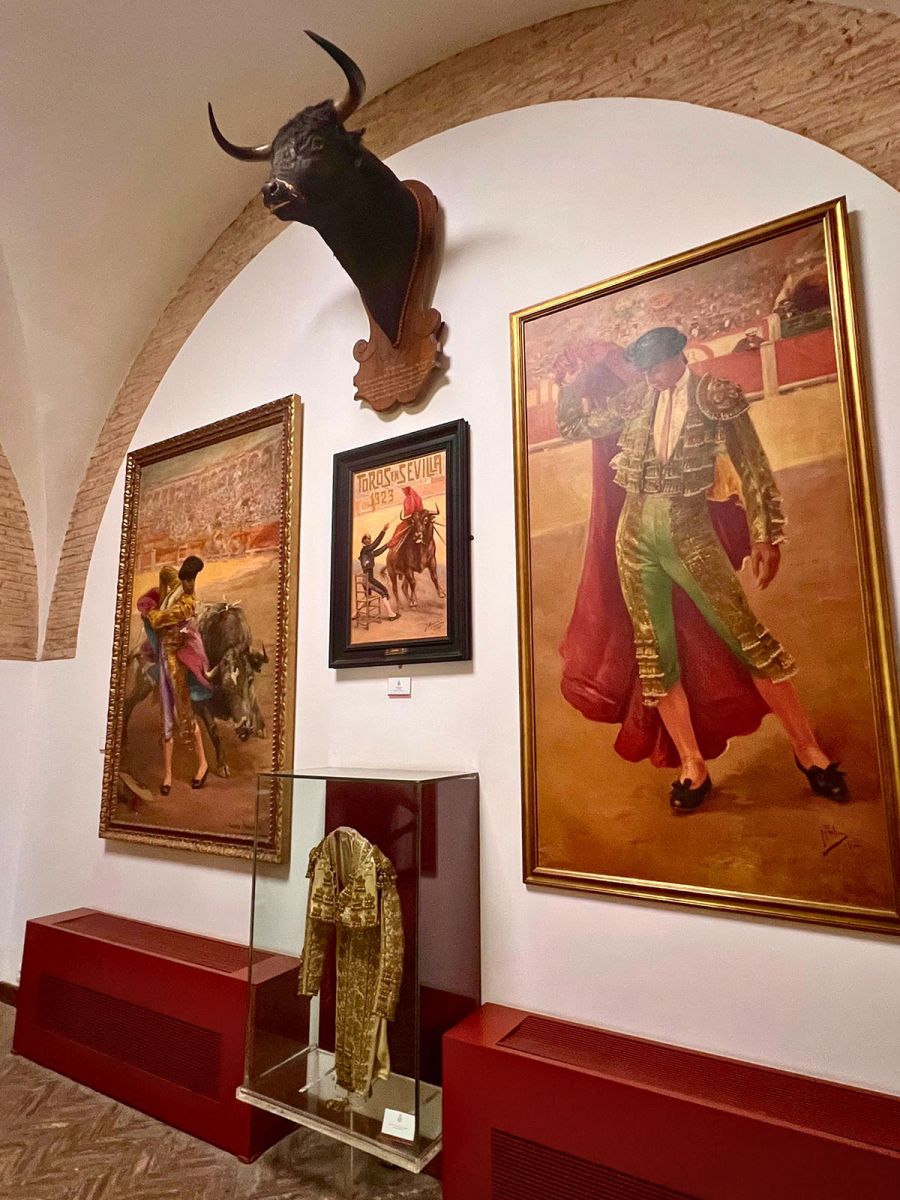
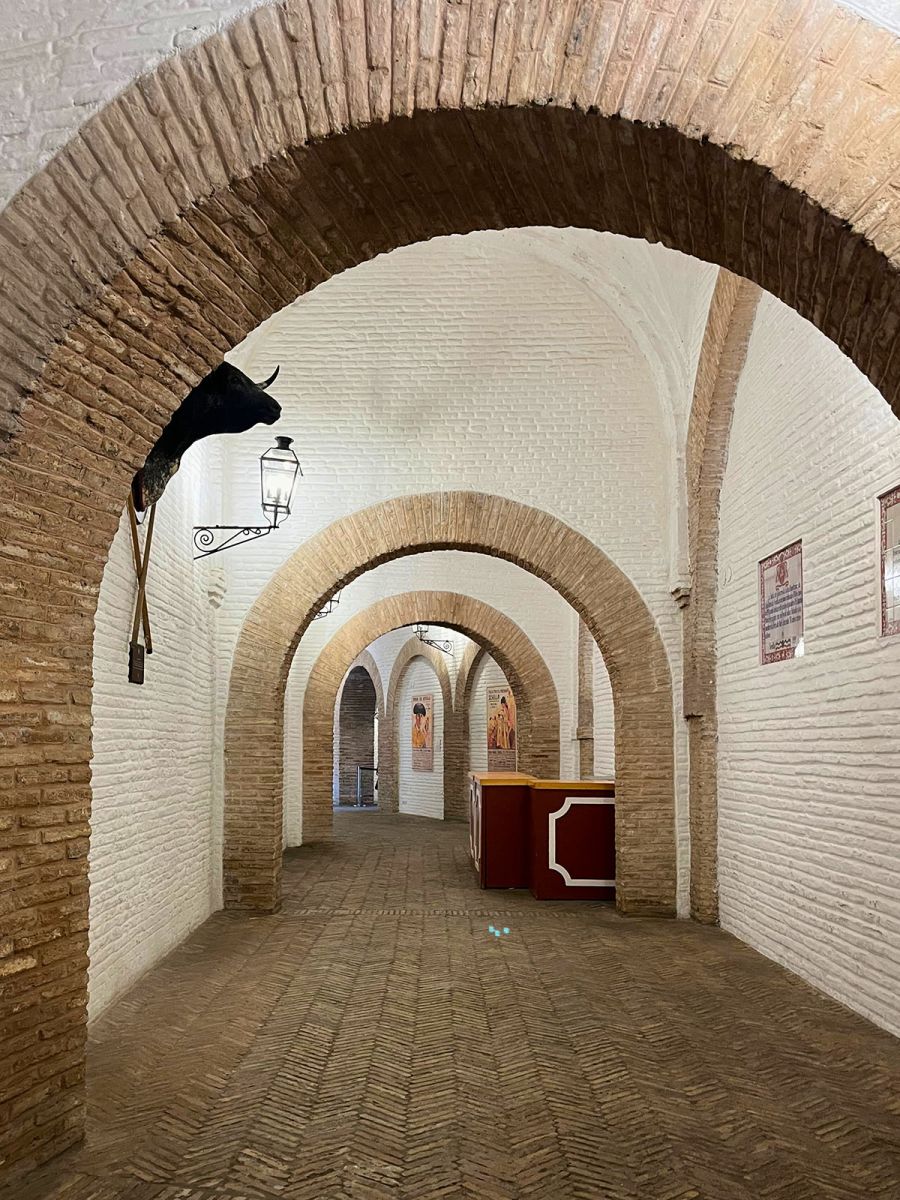
The tour begins in the museum galleries, an explosion of colors and emotions under remarkably preserved vaults:
- The costume collection : here you will see up close the magnificent "trajes de luces" (costumes of light). These outfits, embroidered with gold and silver, weigh several kilos and testify to the richness and theatrical aspect of bullfighting art.
- Famous heads : the walls display the heads of legendary bulls. Each head tells the story of a mythical fight or the tragic end of a matador. It's a direct immersion into Sevillian mythology.
- Historical artifacts : discover posters dating from the late 19th century alongside the capes (capotes and muletas) of the greatest matadors. These objects are the memory of the Sevillian legends that brought glory to the Maestranza.
The silence of the preparations
As you progress, you find yourself in more intimate and solemn places behind the scenes, those where man prepares for battle.
- The Chapel (Capilla de los Toreros): a moving place. Just before entering the ring, the bullfighters withdraw here for a final moment of reflection and prayer. The silence is absolute, heavy with the tension of the matadors.
- The stables (Caballerizas): you will also see the magnificent stables, which house the horses used by the picadors. These animals are a reminder of the historical role of the Maestranza and the Real Maestranza de Caballería in equestrian tradition.
Entering the arena
The highlight of the visit is access to the heart of the arena.
First, go through the Corrales (the enclosures). Imagine the darkness and the narrow path taken by the bulls before they are released into the blinding light of the ruedo.
Then comes the moment to step onto the sand: El Ruedo. Once in the ring, pause for a moment to take in the immensity of the place. The contrast between the complete silence of your visit and the tumult of a delirious crowd is striking. Stand in the center, look down at the stands, and grasp the scale of the event and the torero's solitude in the face of the bull and the crowd.
If you look up, you'll see the Palco del Príncipe (the Prince's Box). Majestic and richly decorated, this box is reserved for members of the Real Maestranza de Caballería and distinguished guests. It offers a spectacular panoramic view of the entire arena.
Practical tips from the Seville City Guide
Where are the bullrings of Seville located?
La Maestranza is located in the El Arenal district, right next to the Guadalquivir river and the Torre del Oro.
How do I visit the site?
It is highly recommended to book your tickets online to avoid long queues, especially from April to September. Check the schedules online, as they vary depending on the bullfighting day.
How long does the Plaza de Toros tour last?
Allow between 45 minutes and 1 hour to complete the visit independently (a QR code allows you to download an audio guide).
When to visit?
Visit early in the morning to enjoy the light that floods the ruedo or in the late afternoon to avoid the peak of the heat.
Mercado El Postigo
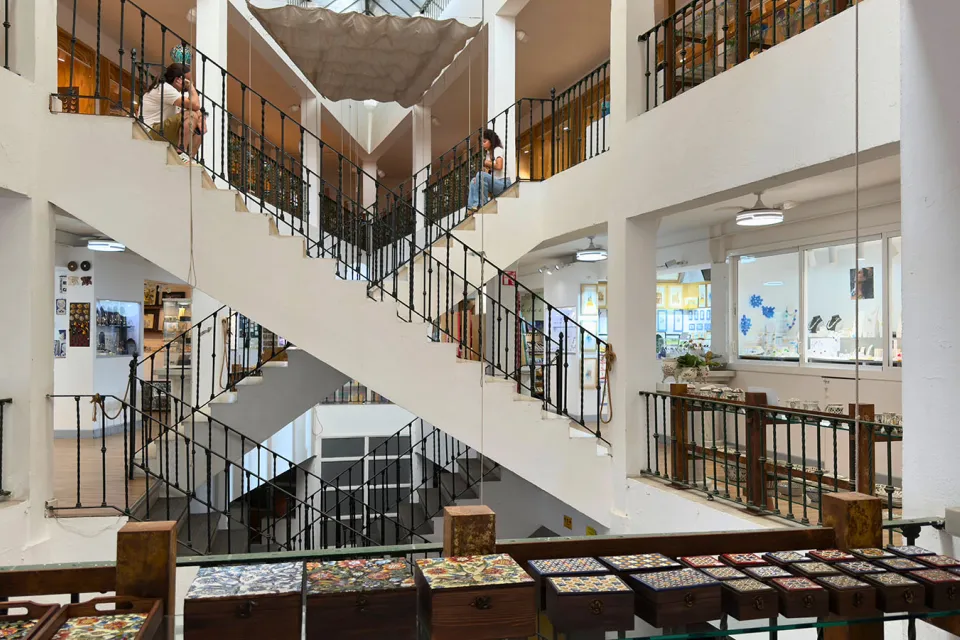
Know-how and tradition in Seville
507 m
Magic Island
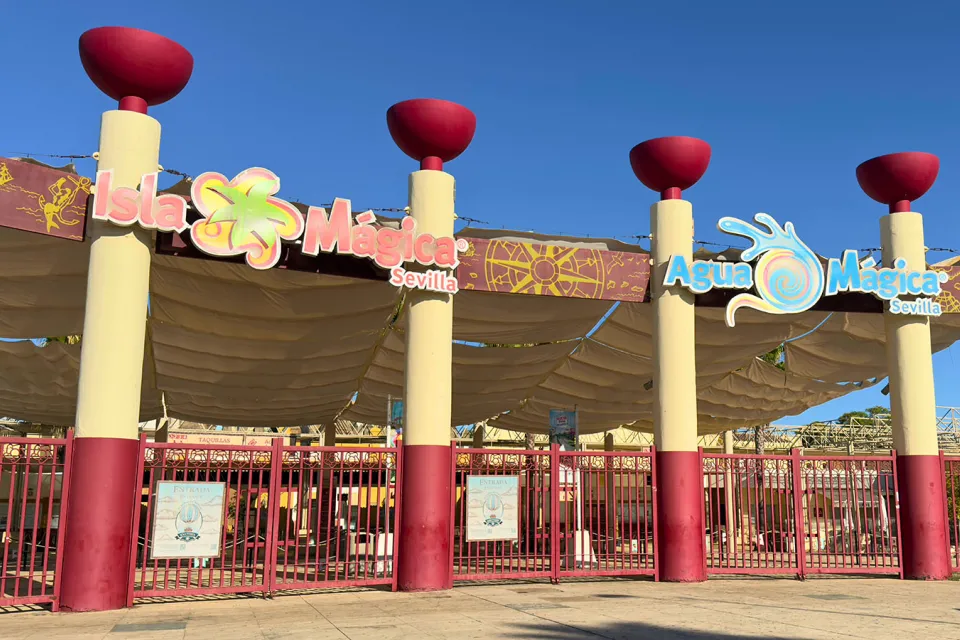
Entertainment in Seville
1,8 km
Ramón Sánchez-Pizjuán Stadium
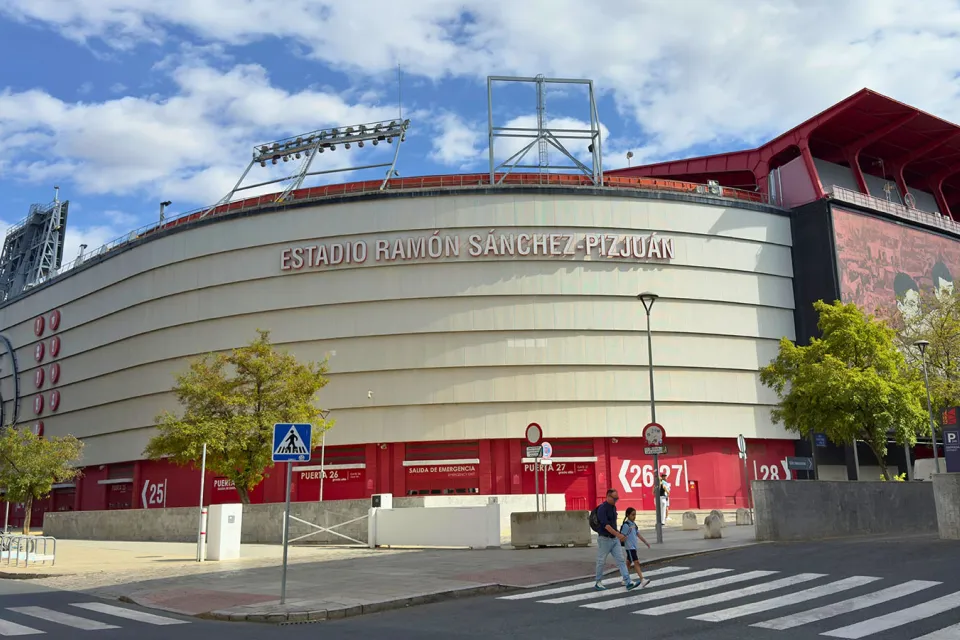
Temple of Sevilla FC
2,1 km
Did you like our article? Find more on the Seville City Guide blog.
We also have a Facebook page for the Seville City Guide and an Instagram account @seville_city_guide
You will also like
An unmissable experience at the Real Alcázar of Seville
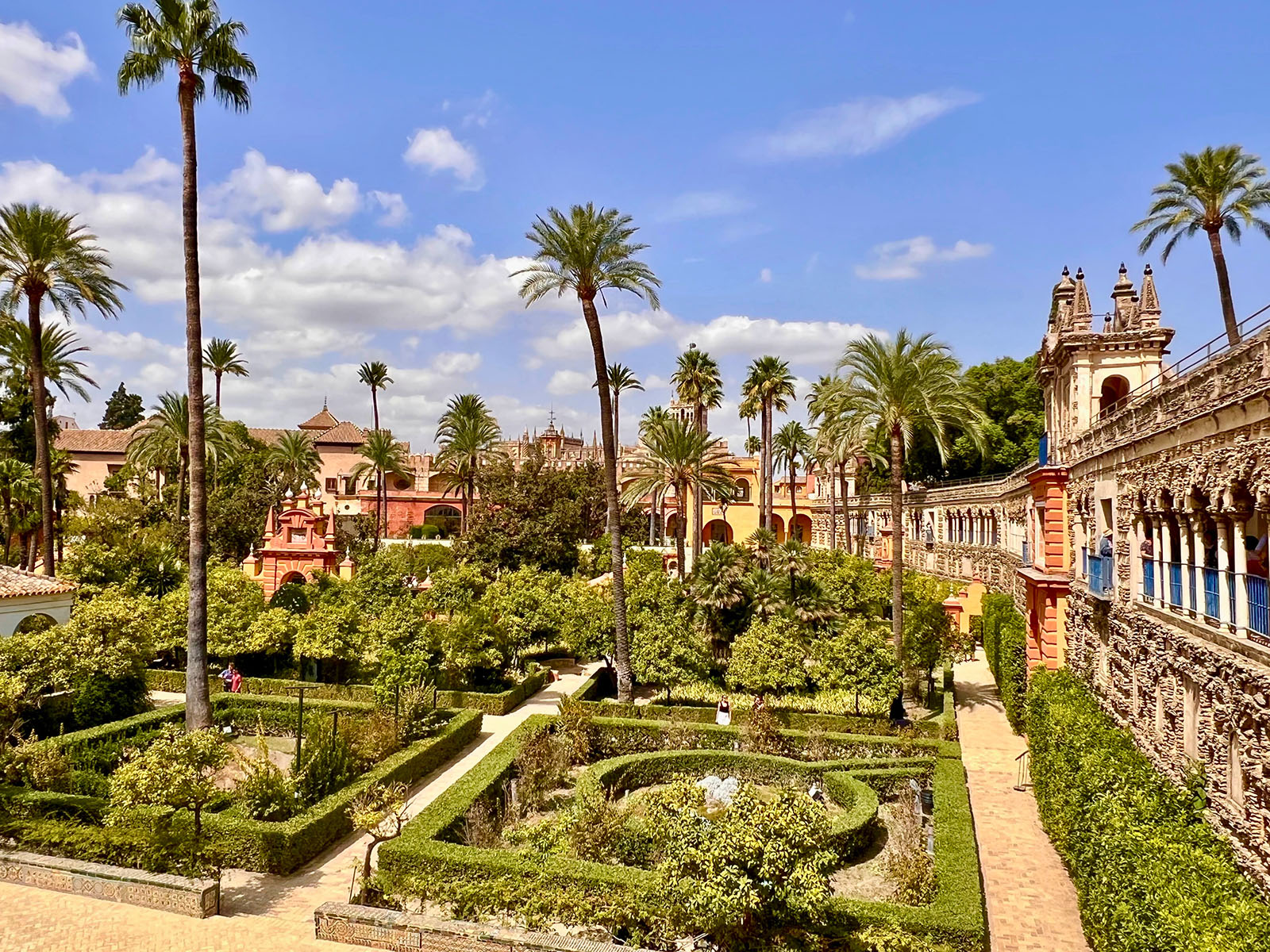
The most beautiful viewpoints of Seville
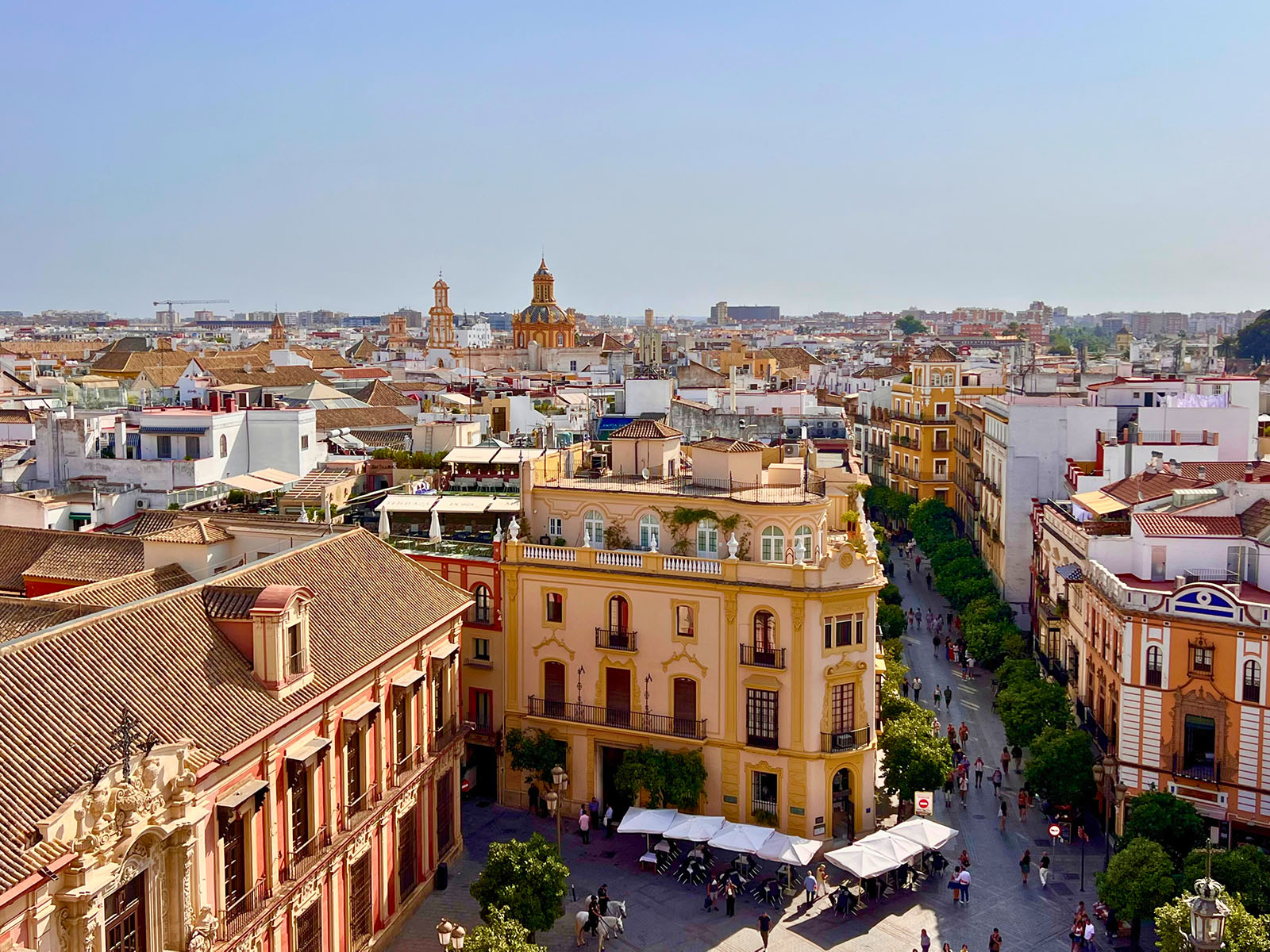
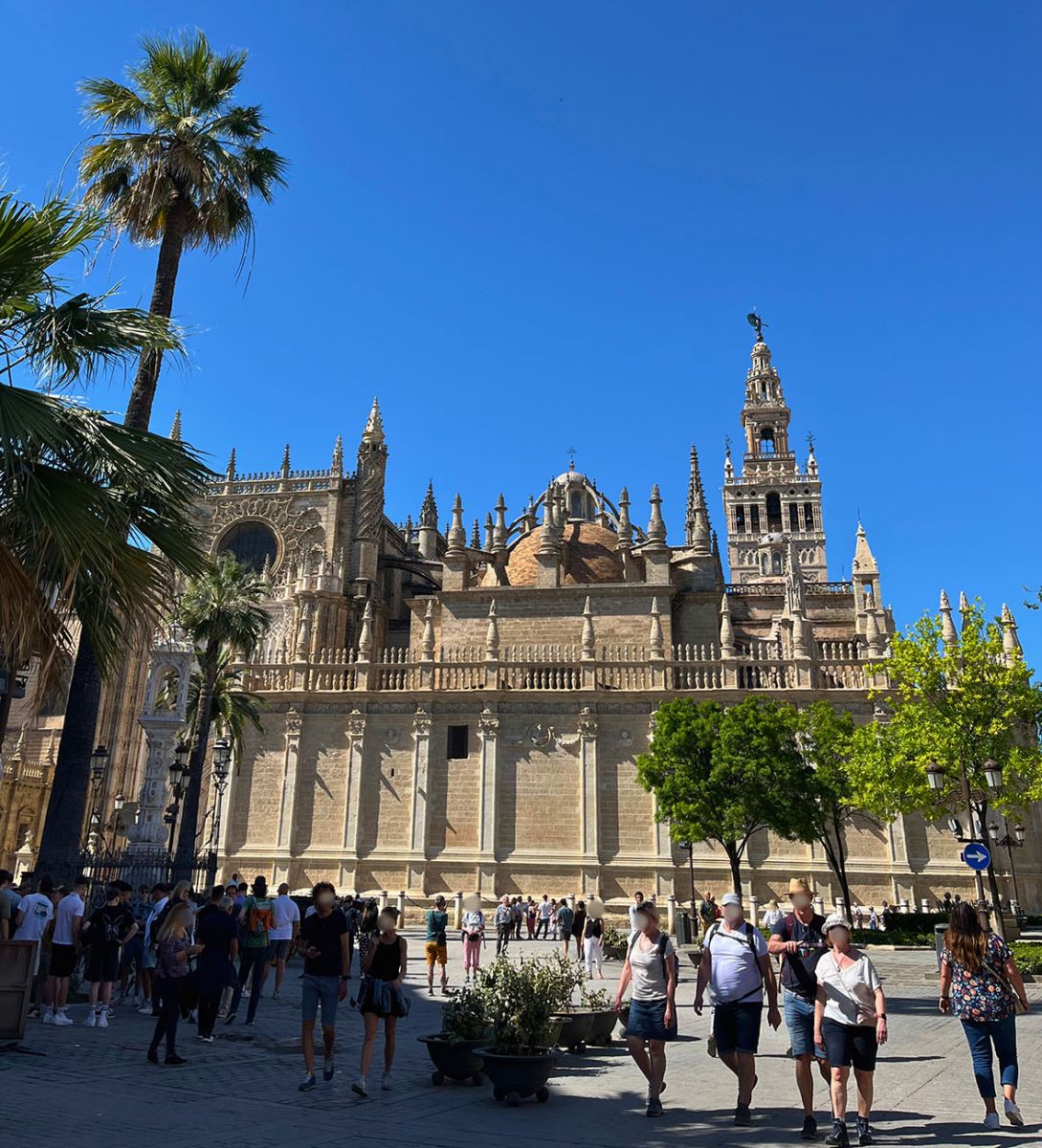
Discovering Seville Cathedral: history, treasures and practical information
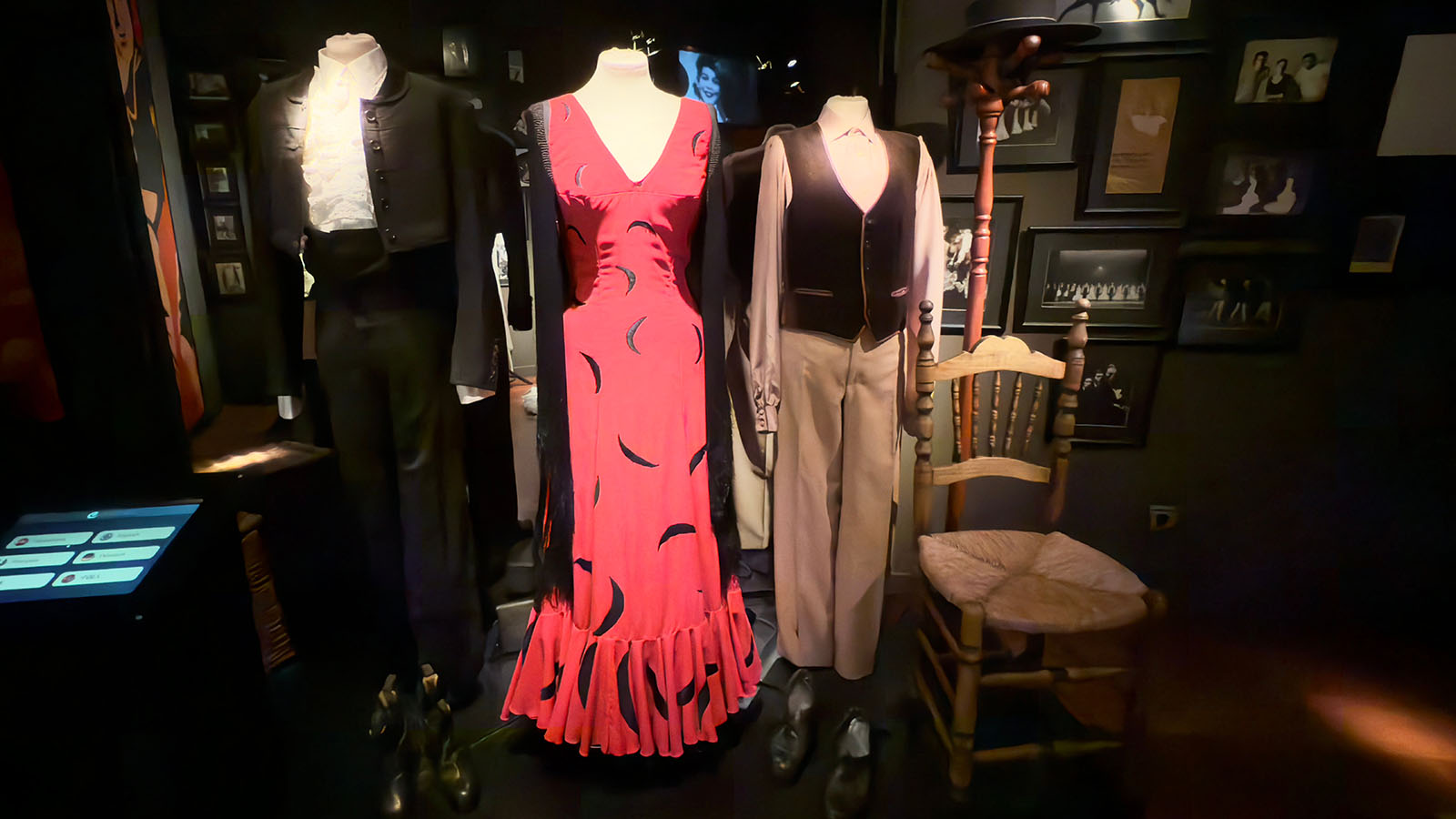
Flamenco in Seville: from the museum to the tablao, it's just a short step
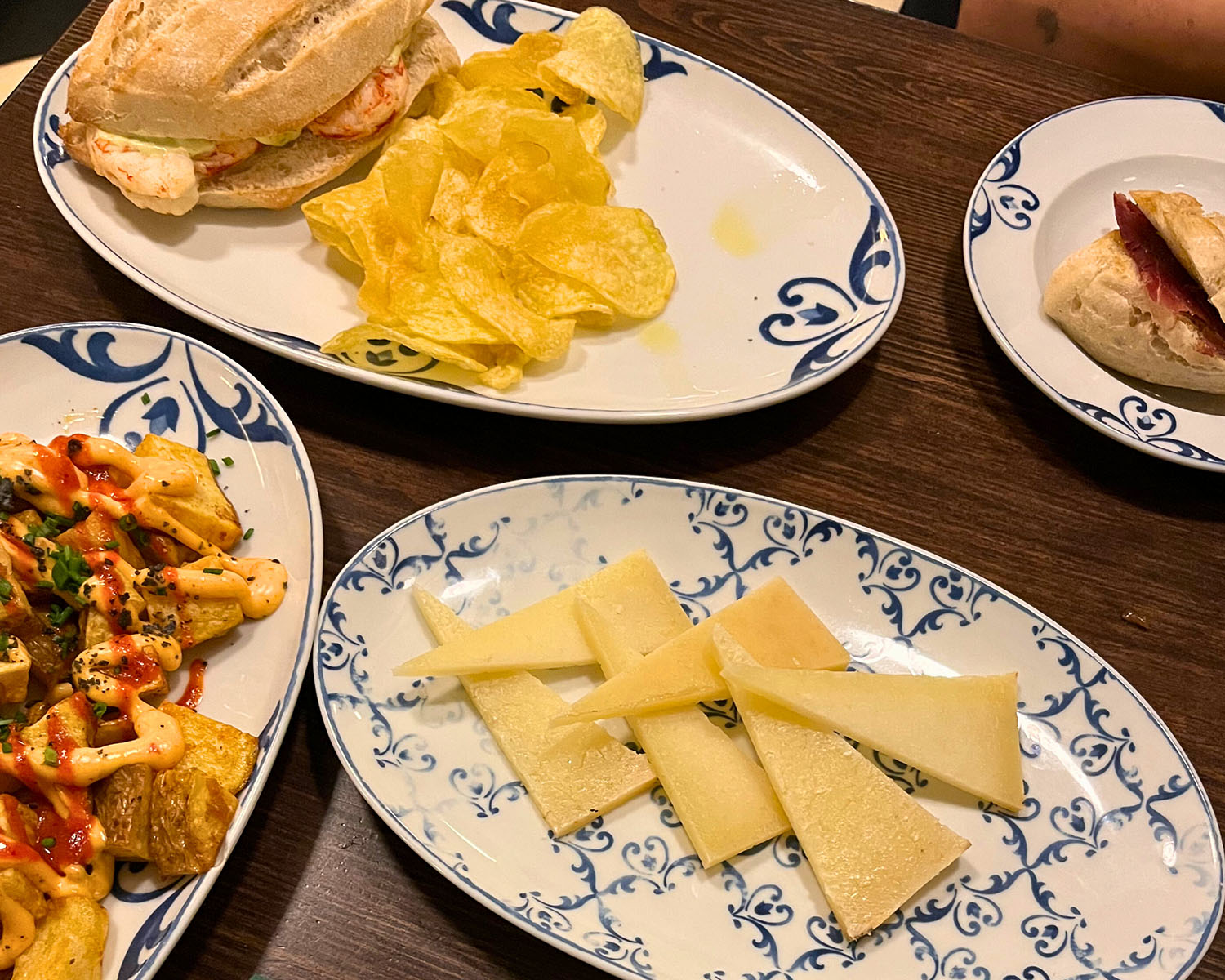
The best tapas bars in Seville
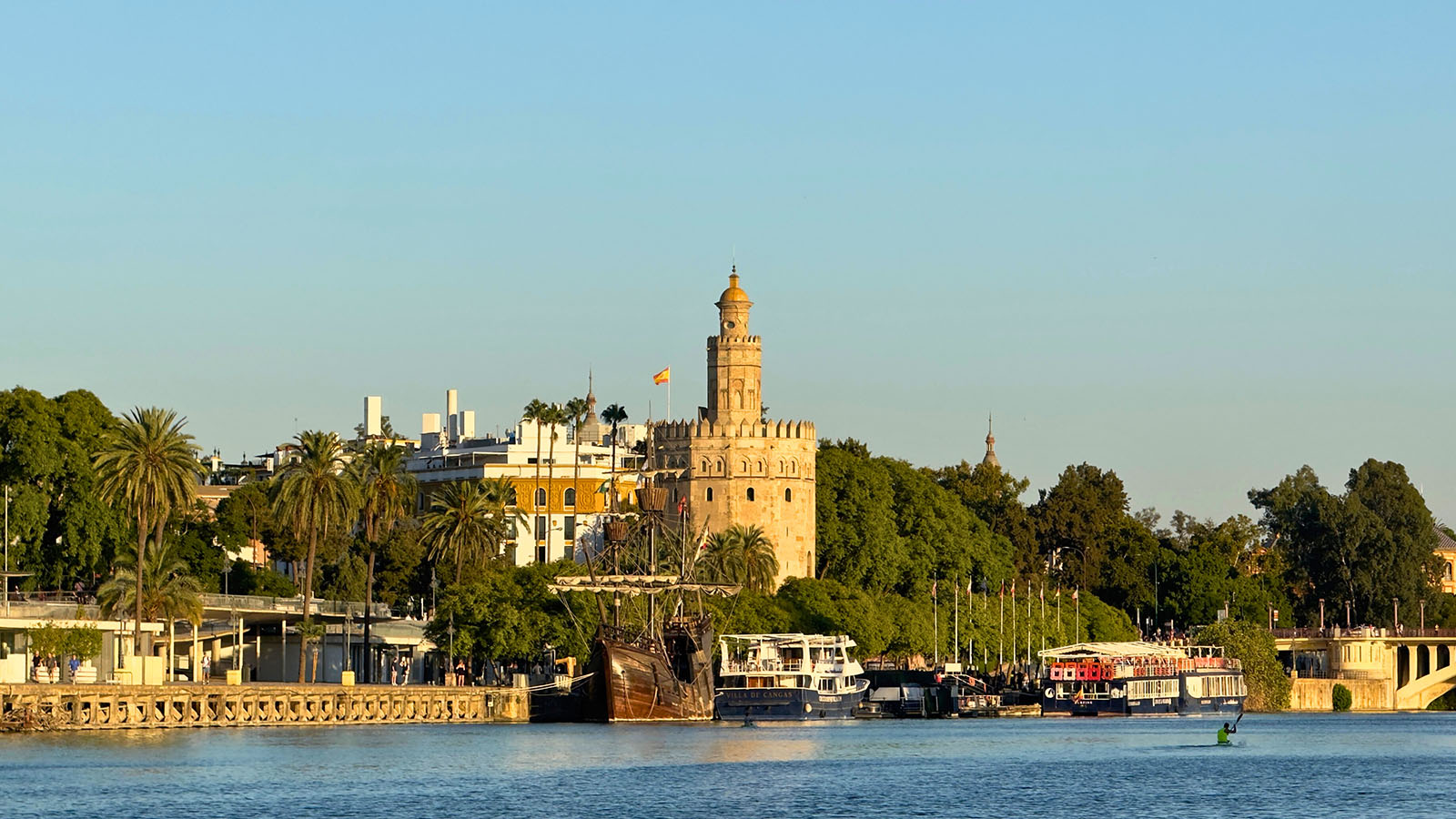
Take an eco-cruise in Seville on the Guadalquivir
The Triana market, a gourmet and authentic immersion in the heart of Seville
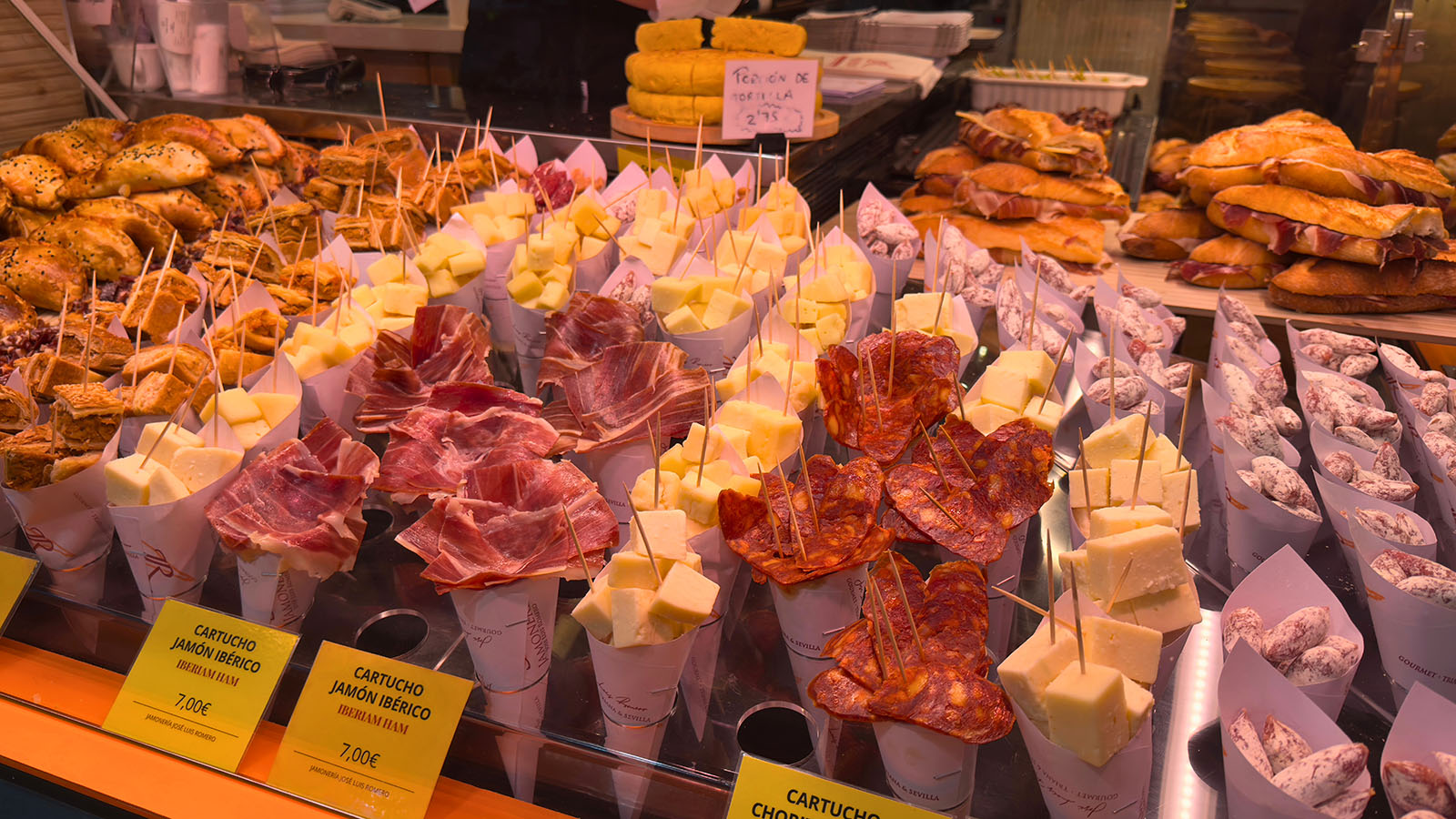
1,9 km
Take a trip around the world at the Seville Aquarium
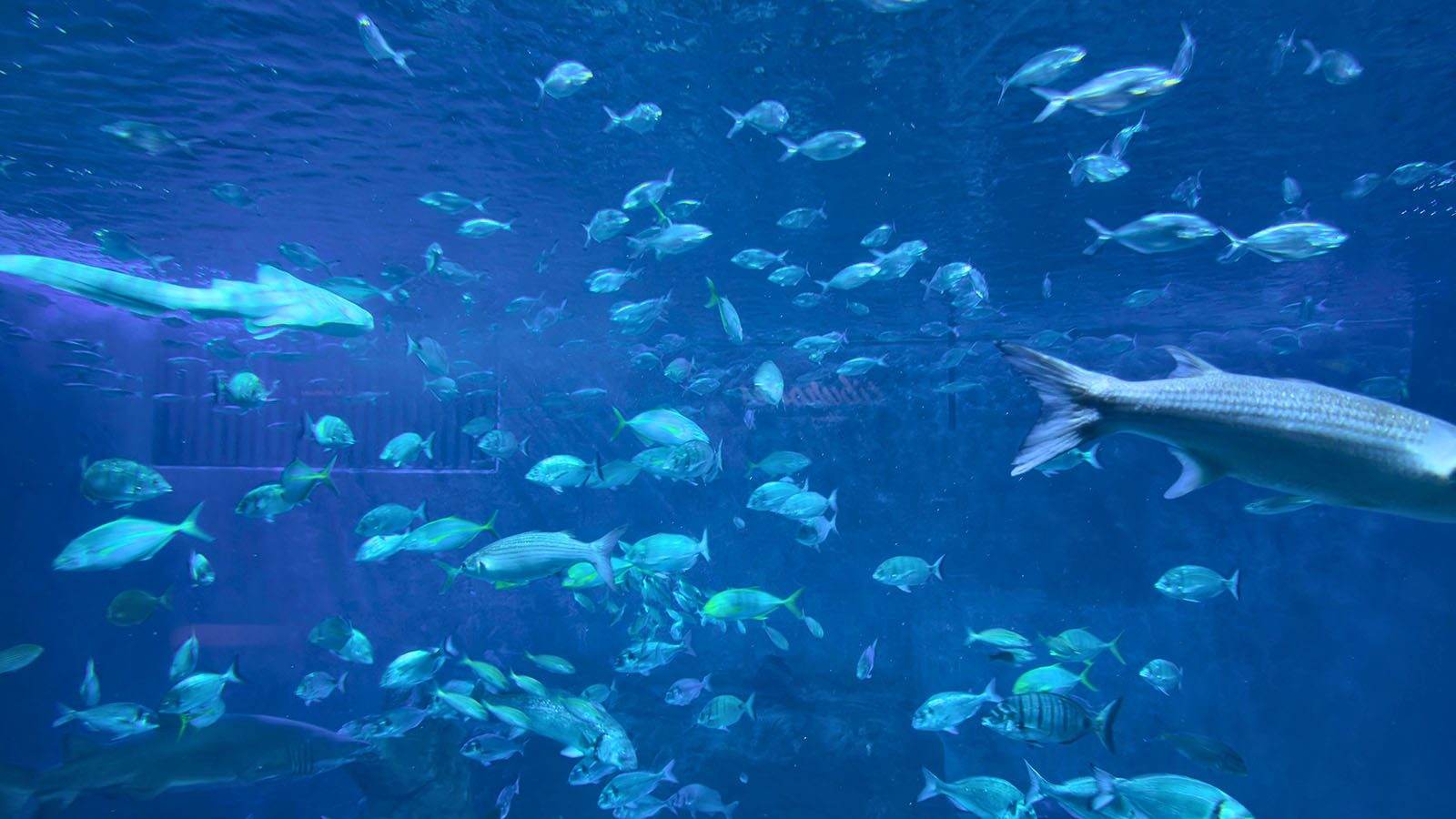
3,5 km
To discover around