- Home page
- Top experiences
- Family Time
- Take a trip around the world at the Seville Aquarium
- Family Time
- Top experiences
Take a trip around the world at the Seville Aquarium
Seville is known for its history and flamenco, but it is on its docks that another fascinating story begins: that of the first circumnavigation of the globe. In 1519, Ferdinand Magellan left the port of Seville for an adventure that would change the face of the world. Today, the Seville Aquarium, located on the Muelle de las Delicias, offers the chance to relive this epic journey, not through the history of the men, but amidst the marine ecosystems he traversed.
The concept is simple and brilliant: each basin represents a stage of this three-year journey, guiding us from the Guadalquivir River to the distant Pacific Ocean. The Seville City Guide suggests you dive into this immersive experience, a blend of history, biology, and wonder.
WHAT YOU WILL FIND IN THIS ARTICLE
The departure and the Atlantic crossing
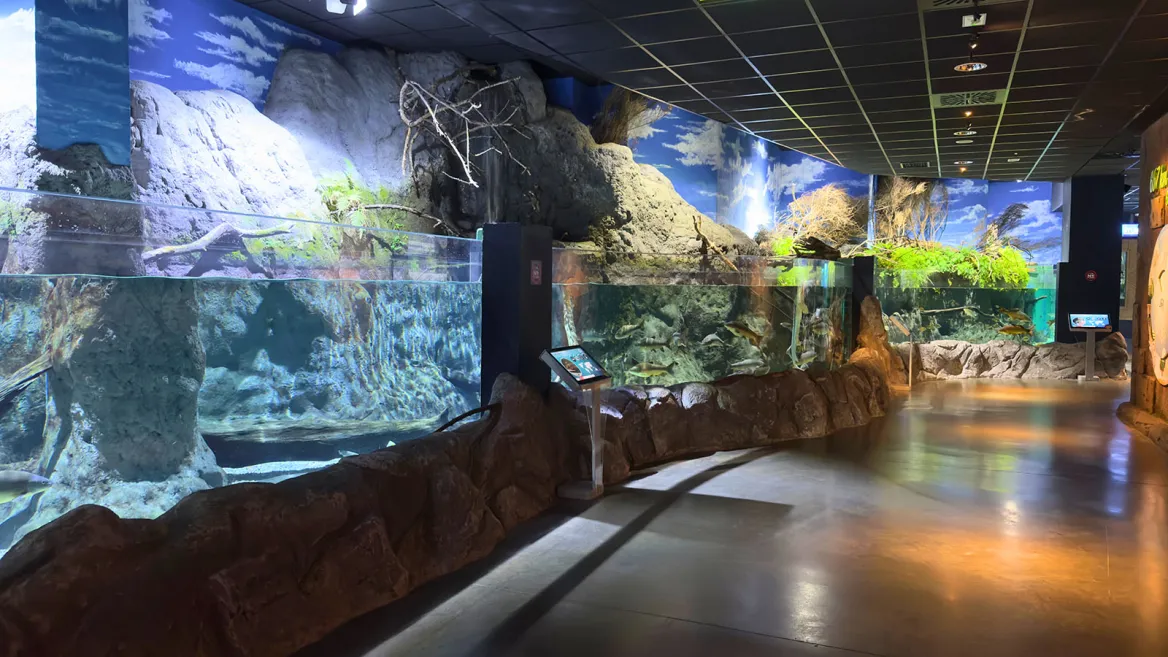
Our journey logically begins in the waters that gave birth to the expedition: the Guadalquivir basin. This first contact anchors us in the reality of Seville with its local freshwater species, a pleasant transition before facing the immensity of the ocean.
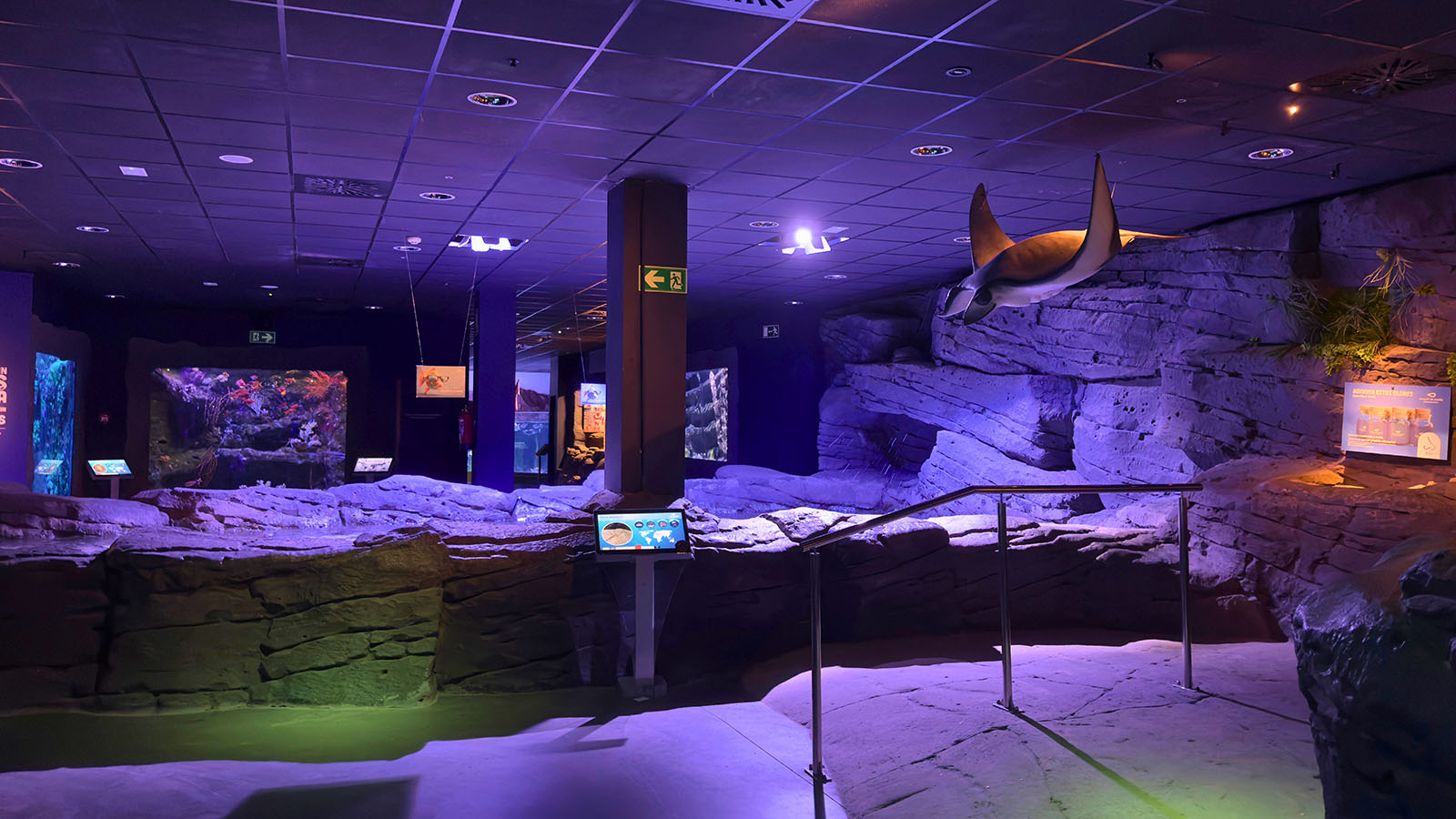
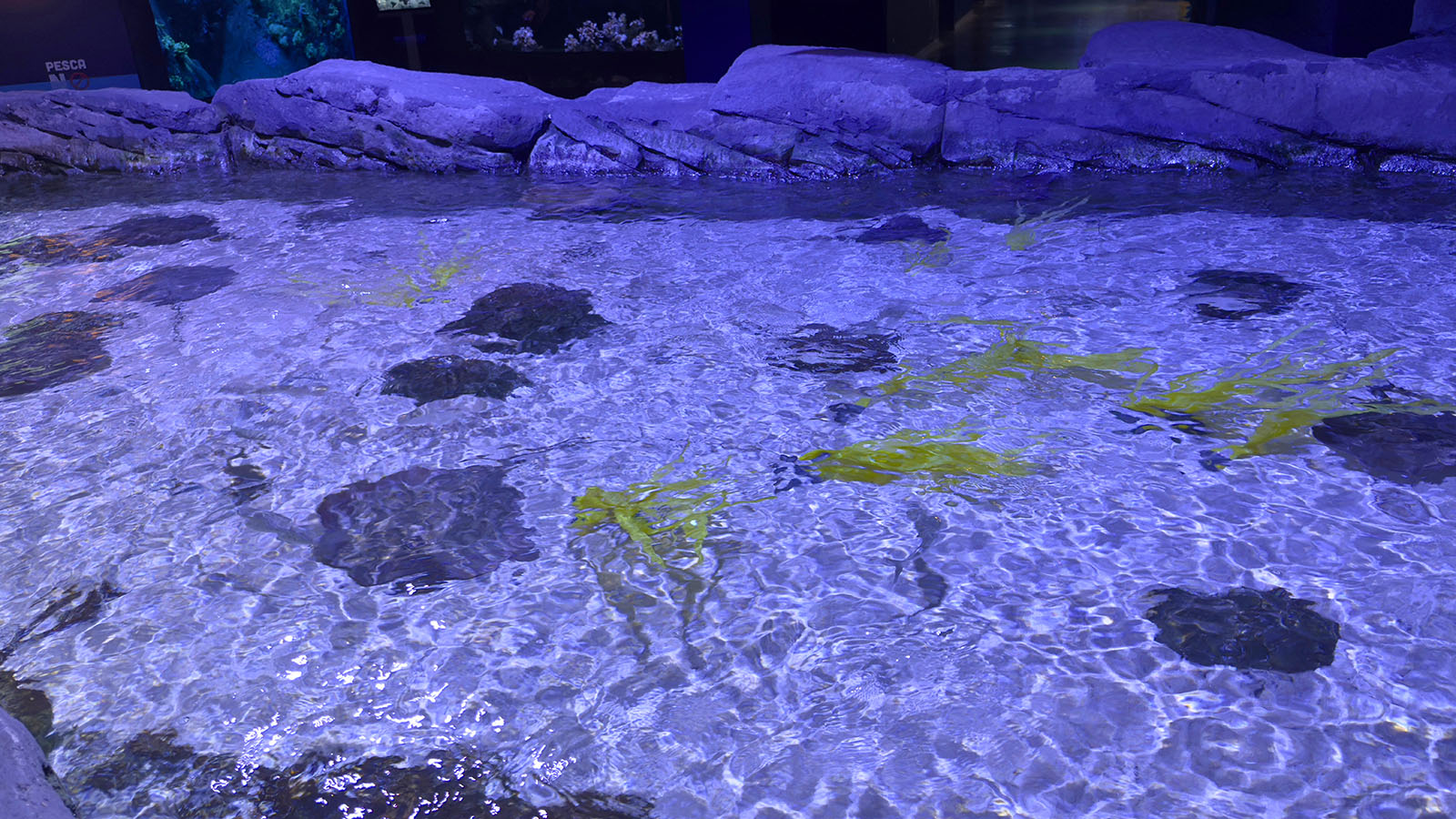
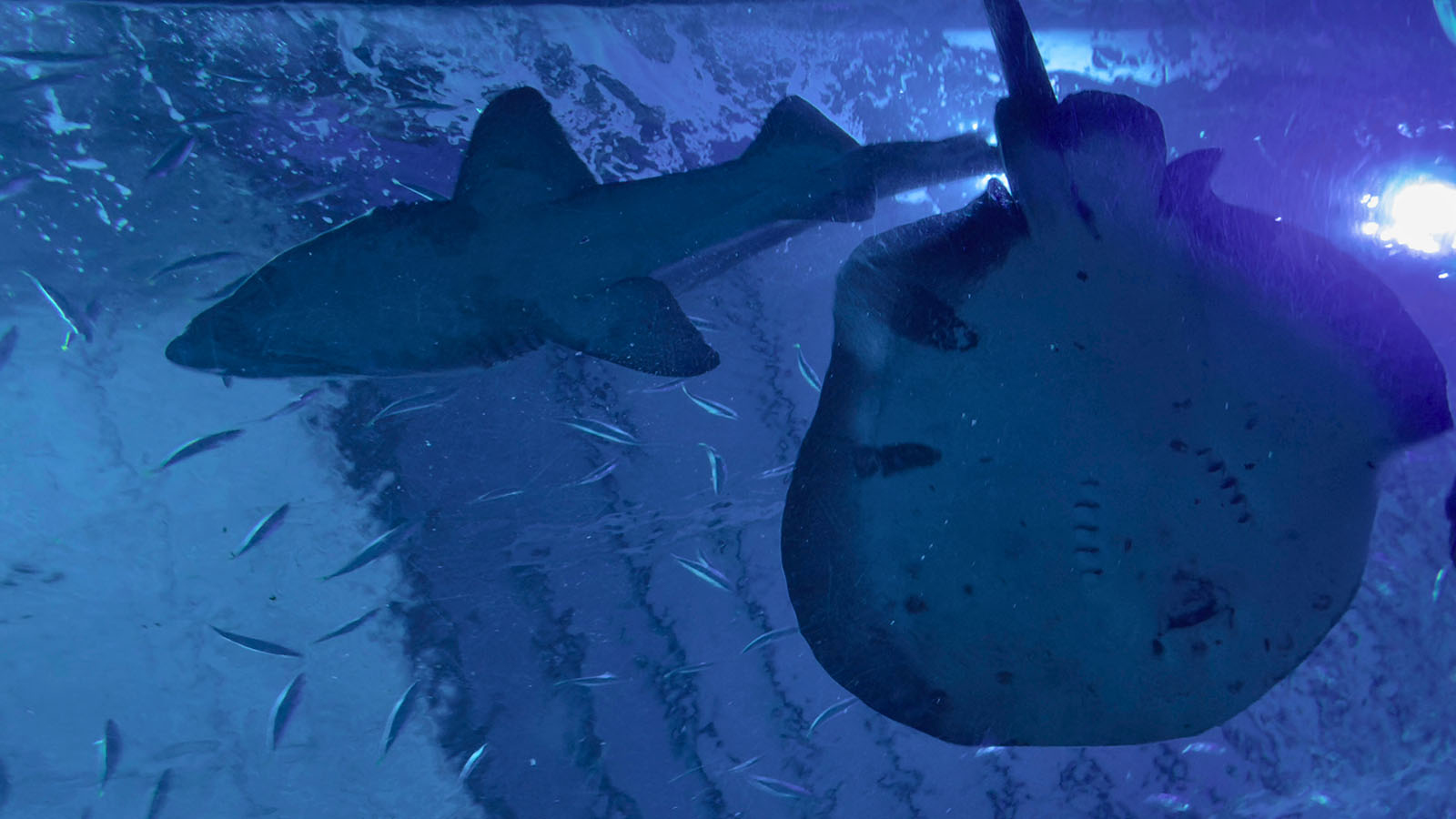
Next, we set course for the Atlantic Ocean. The atmosphere becomes darker, deeper, and the first saltwater species from the Spanish and Portuguese coasts appear. It is here that we discover one of the first striking pools: the astonishing ray pool. It is the first time we have the opportunity to see these elegant creatures flying underwater. Their hypnotic calm is the perfect preparation before tackling the more turbulent areas of the journey. We can already feel the power of the currents that carried Magellan's ships southward.
Equatorial and terrestrial ecosystems
Magellan's expedition was not just a maritime odyssey. It was marked by crucial stopovers. The Seville Aquarium honors these uncharted territories. We first enter a vibrant recreation of the Rainforest, evoking the shores of Brazil and the Amazon. The humidity is palpable, and we observe more exotic freshwater species such as piranhas and crocodiles amidst dense, lush vegetation.
The route also leads us to fascinating terrariums, showcasing species from the African savannah and reptiles such as chameleons and snakes. These spaces remind us that exploring the world involved discovering fauna and flora entirely new to 16th-century Europe, offering a welcome terrestrial respite in our aquatic journey.
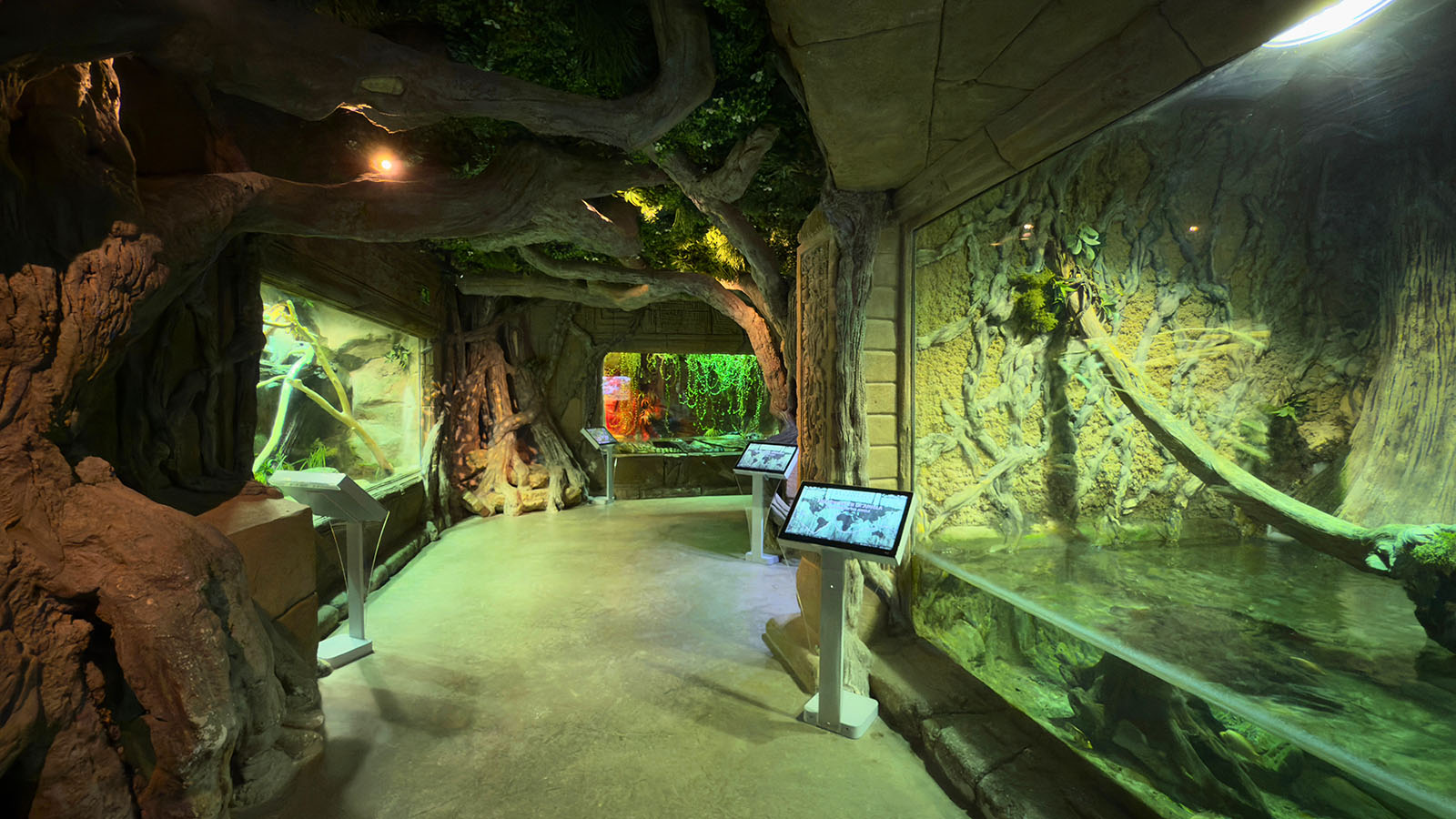
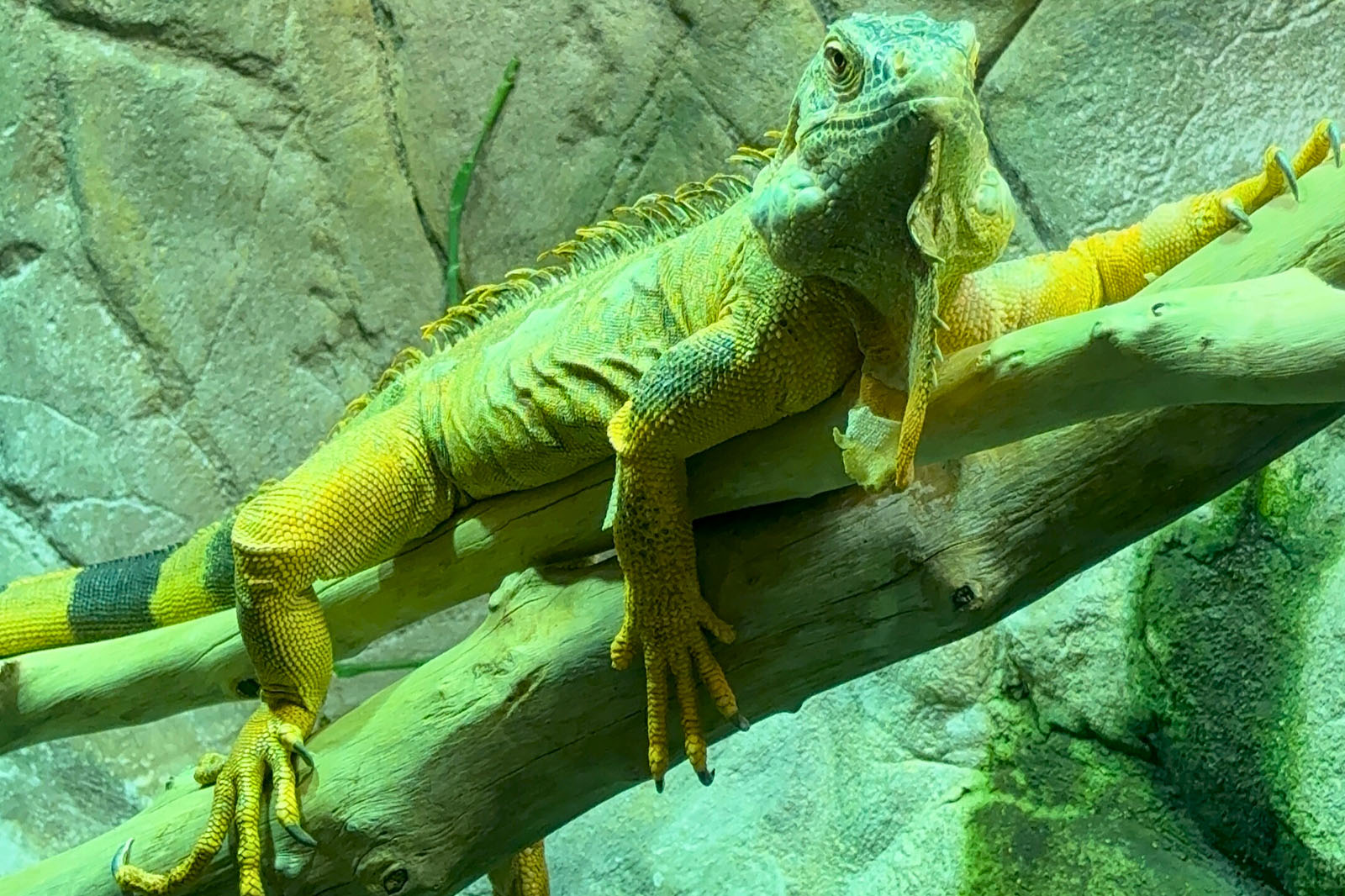
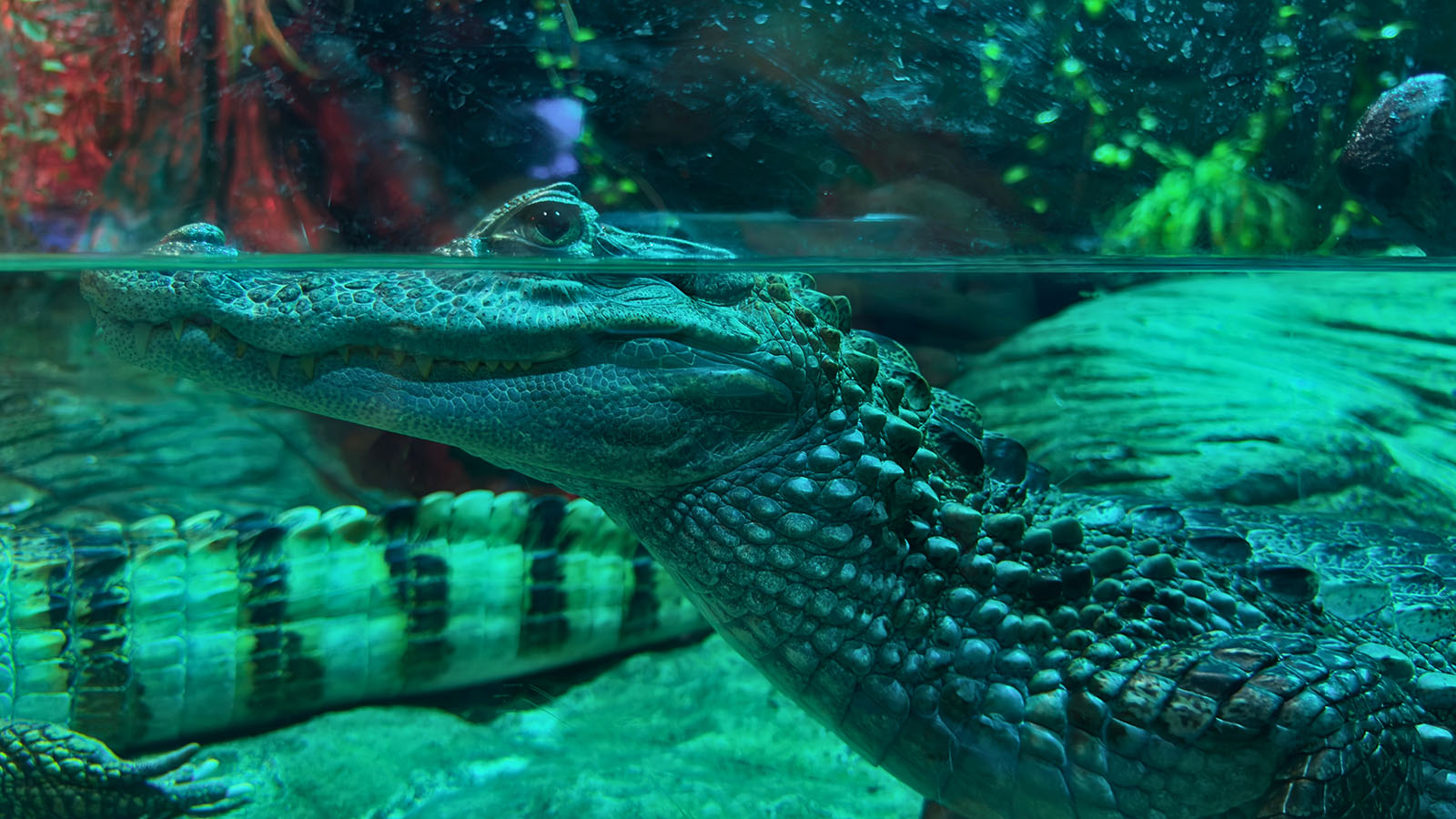
The Oceanarium and the Depths
The beating heart of the Aquarium is undoubtedly its Oceanarium, a representation of the vastness and depth of the ocean. It is the highlight of the visit. Access is via a seabed corridor that gives the exhilarating sensation of being surrounded by the deep blue.
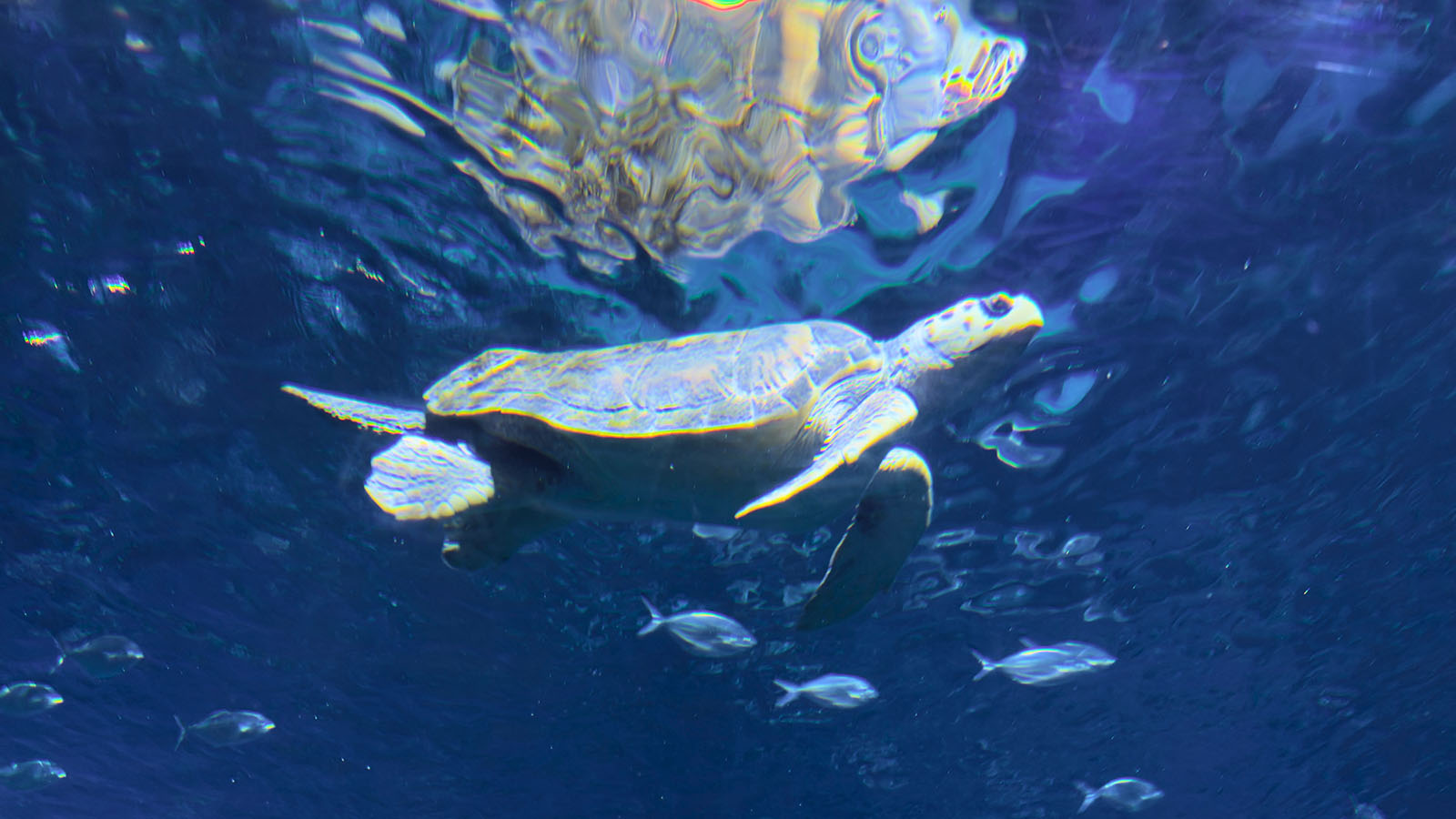
The Oceanarium is a realm of giants. Sharks (often sand tiger sharks) move with impressive, quiet strength, sharing the space with majestic sea turtles. The architecture of this large tank was designed for admiration. There are designated areas where you can sit and observe the ballet of sharks and schools of fish for extended periods, a truly serene experience.
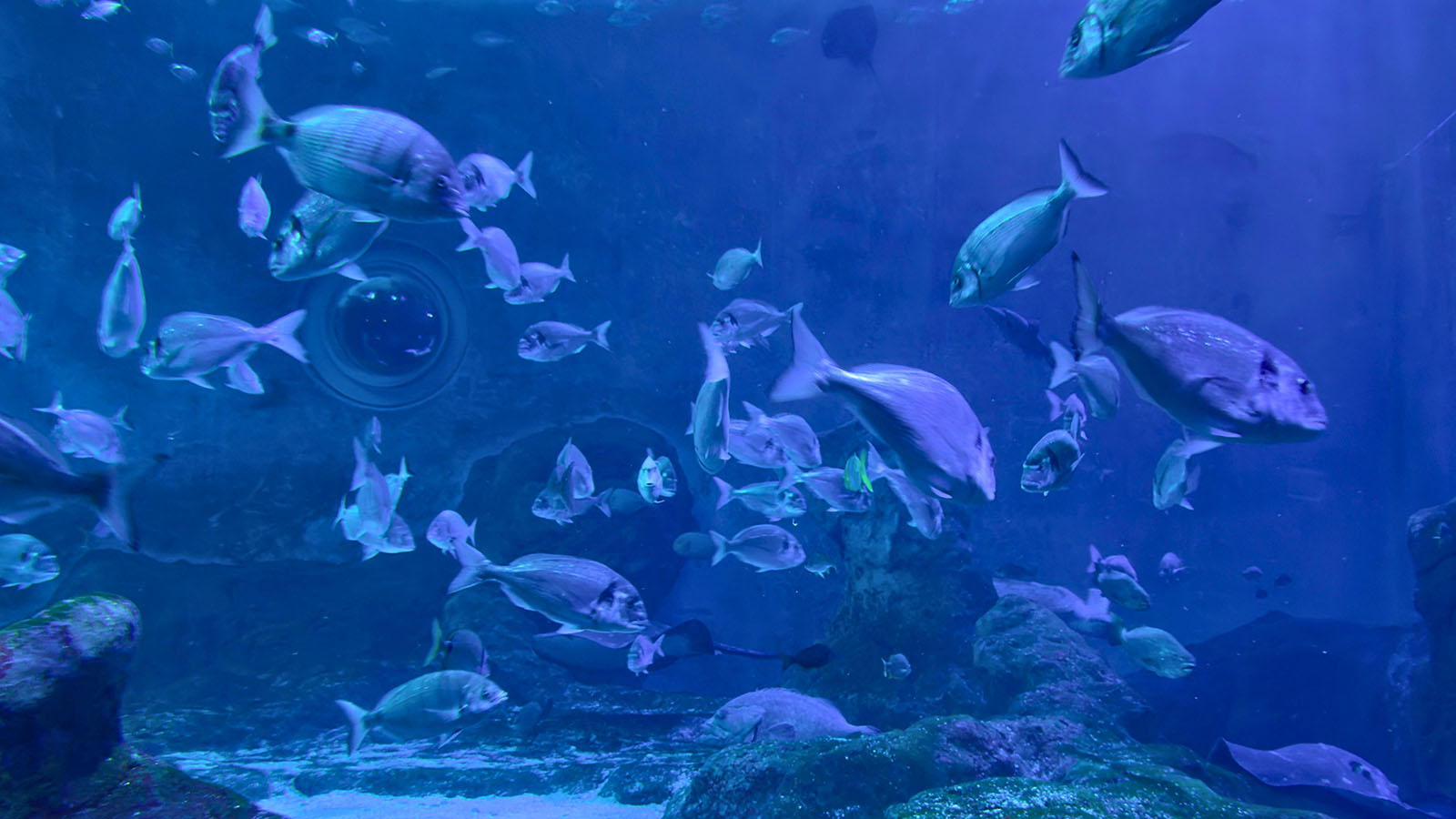
The distant seas: Pacific and Indian
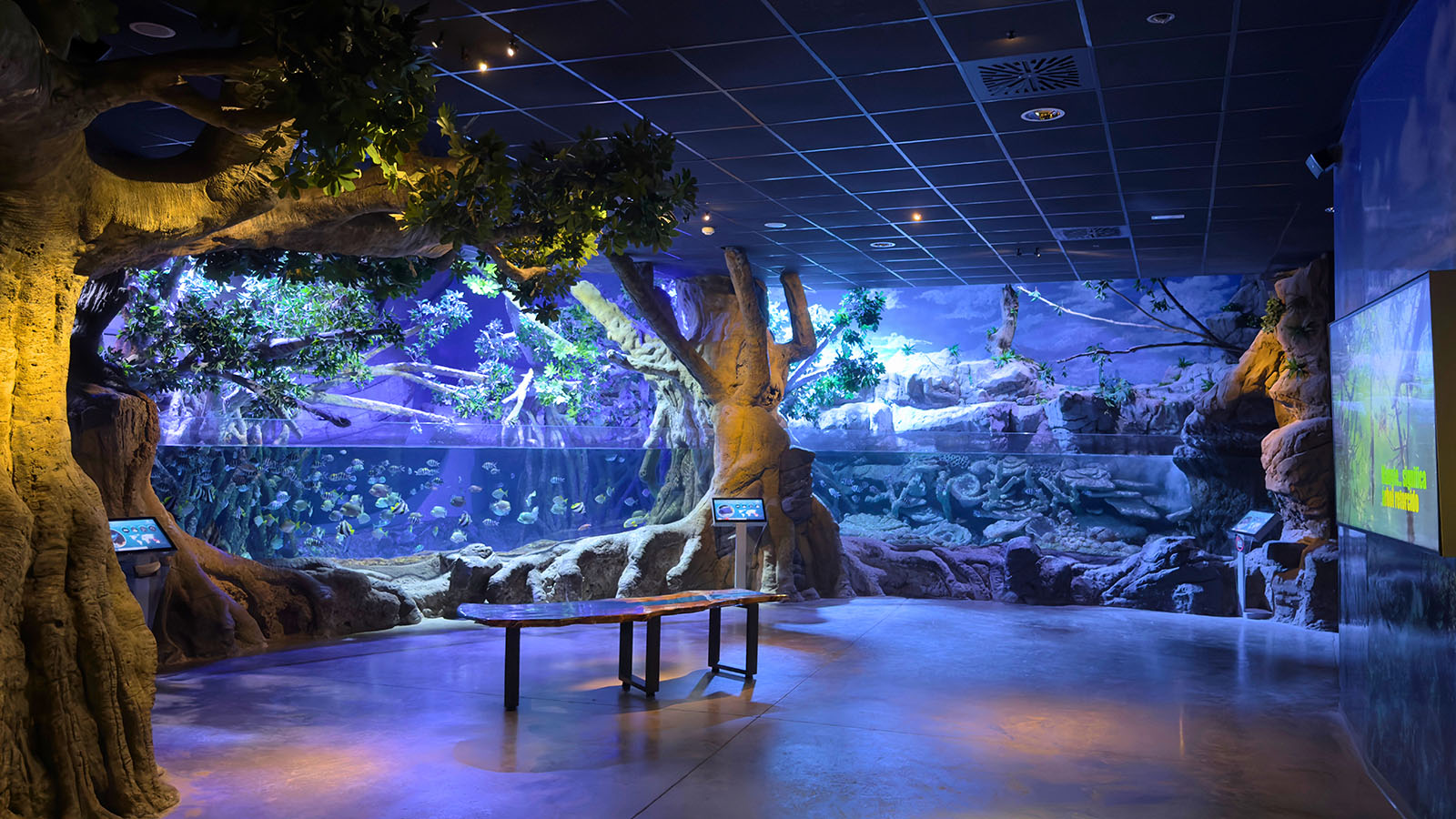
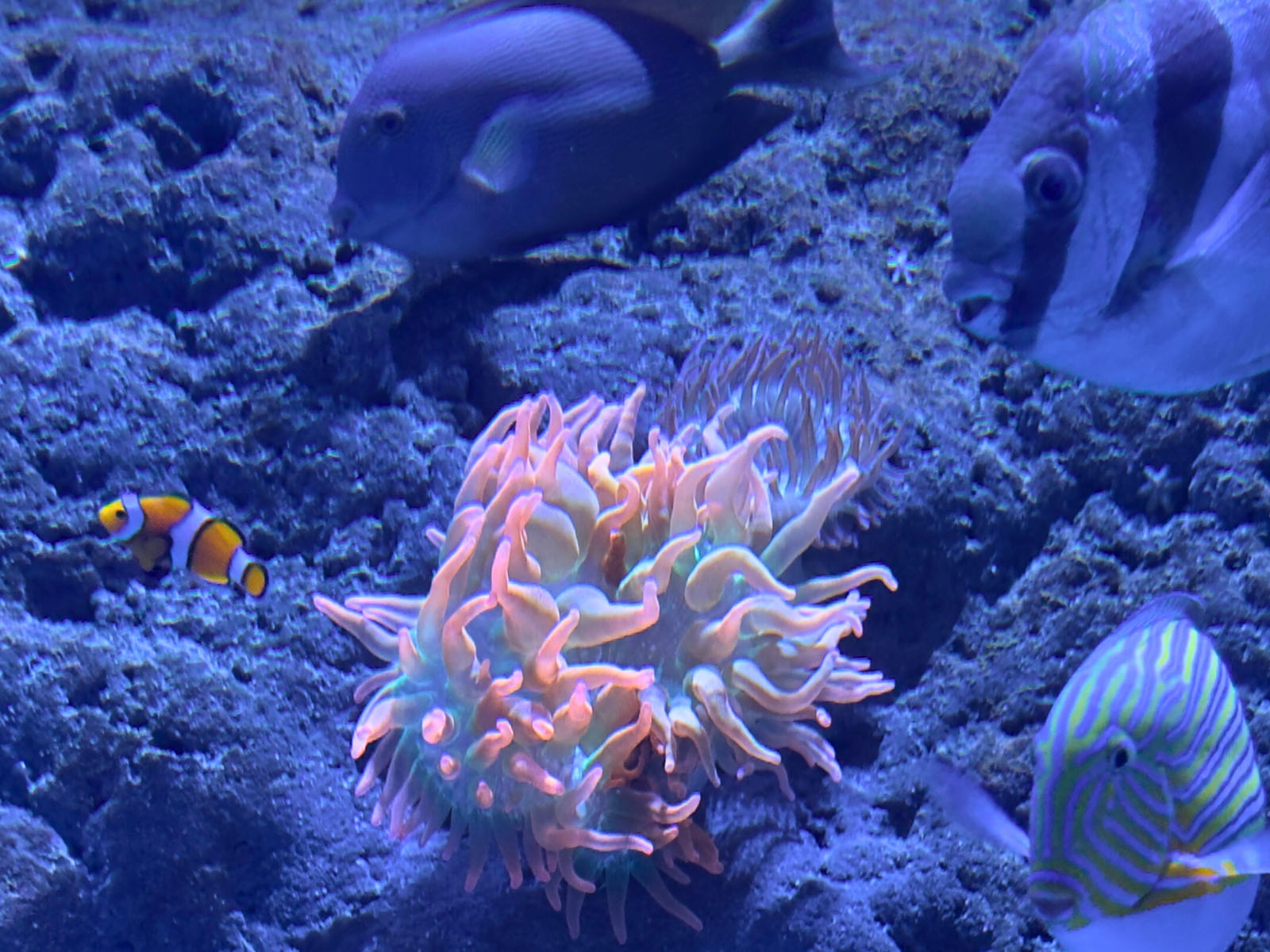
Leaving the Oceanarium, we enter the section dedicated to the oceans crossed by the expedition after passing through the strait, notably the Pacific and Indian Oceans. It's an explosion of light and color. The coral reefs are a living mosaic, where clownfish, surgeonfish, and other tropical species jostle each other in astonishing biodiversity.
However, the magic lies in the details. The Fascinating and Unexpected Species section reveals creatures of fragile beauty. The illuminated jellyfish tanks offer a hypnotic and poetic spectacle. But the real treasure is invisible at first glance: the laboratory and the baby seahorse tank. Here, one can witness the aquarium's conservation efforts by closely observing these tiny creatures, often born at the facility, symbols of the fragility of marine life.
This route is complemented by an educational aspect, with panels that not only name the species, but also highlight the threats (overfishing, pollution) that weigh on these ecosystems.
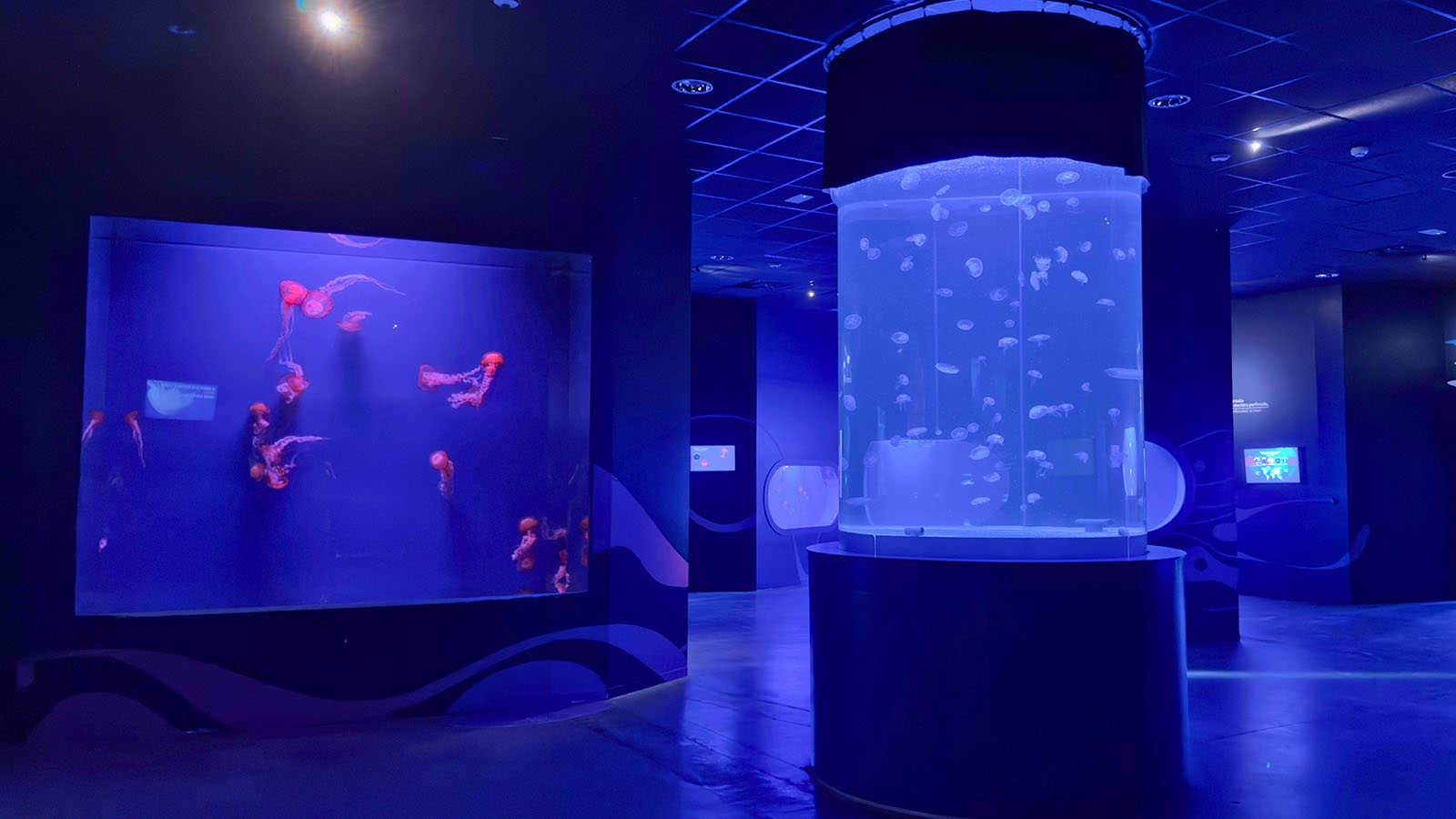
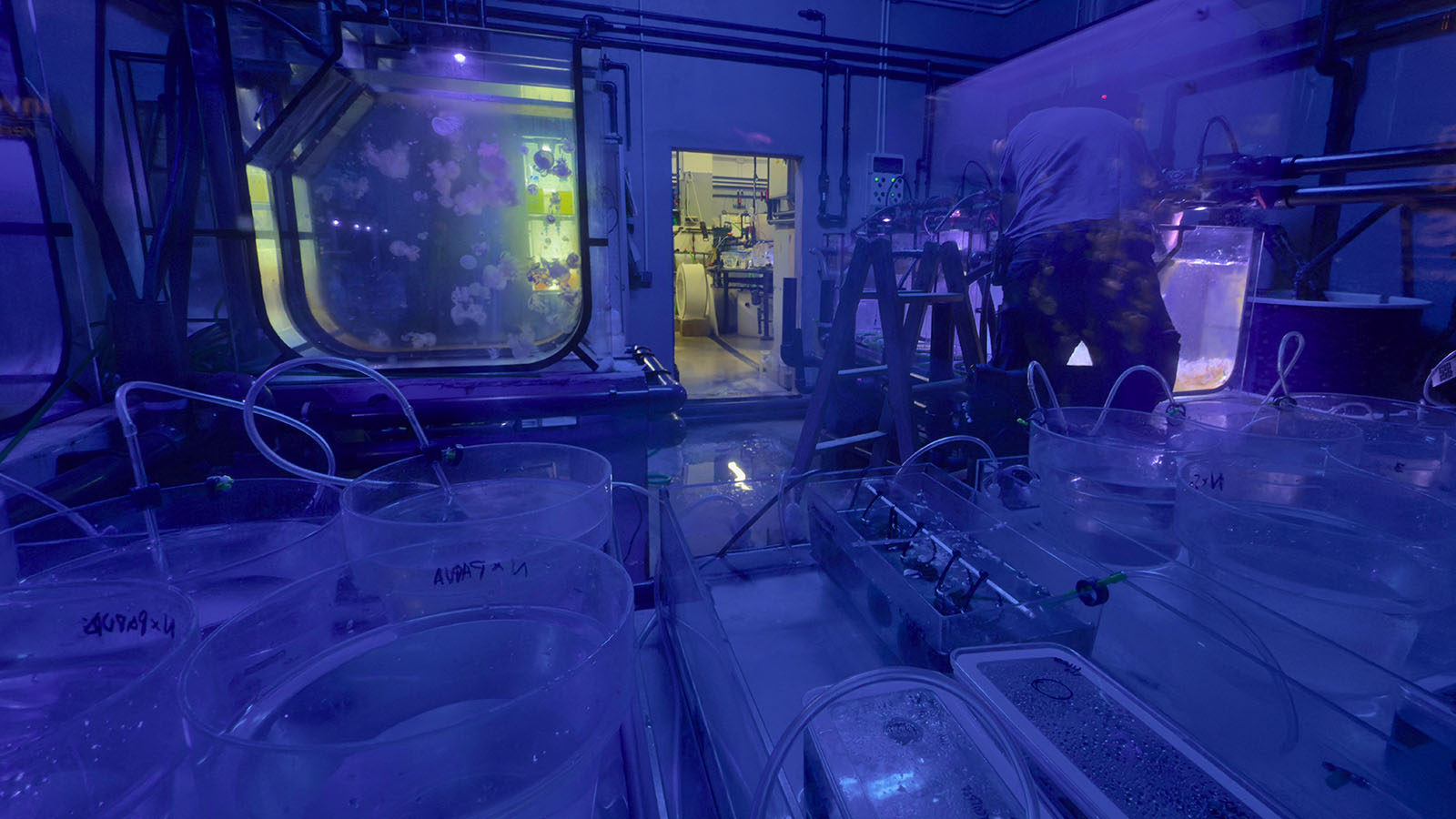
Right next door, the playful aspect takes over again with the famous interactive wave, a device that allows visitors to understand the power of tides and ocean currents through play.
Back to port and reality
The Seville Aquarium is much more than just an aquatic exhibit. It's a natural history lesson that uses Magellan's adventure as a powerful pretext to raise awareness of the beauty and vulnerability of the oceans. The blend of historical immersion and biological discovery is unique.
Whether you are a family looking for a fun activity, a history buff or a curious visitor to Seville, this aquarium is a must-see.
Upon leaving, we no longer look at the Guadalquivir River in the same way. We leave with the wonder of the coral reefs in our minds and the feeling that we, too, have taken a small step in our understanding of the world.
Frequently Asked Questions (FAQ)
To help you plan your own expedition, here are the answers to the most frequently asked questions about visiting the Seville Aquarium.
Where is the Seville Aquarium located?
The aquarium is ideally located on the Muelle de las Delicias, right next to the Guadalquivir River, opposite the María Luisa Park and the Plaza de España. It is a central and easily accessible location.
Ramón Sánchez-Pizjuán Stadium

Temple of Sevilla FC
2,0 km
Mercado El Postigo
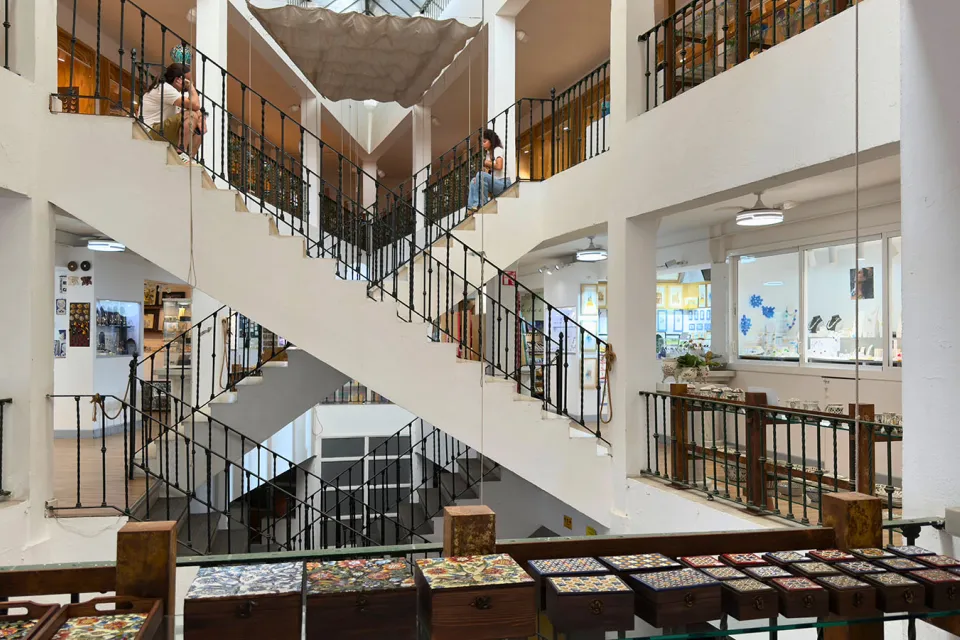
Know-how and tradition in Seville
3,3 km
Magic Island
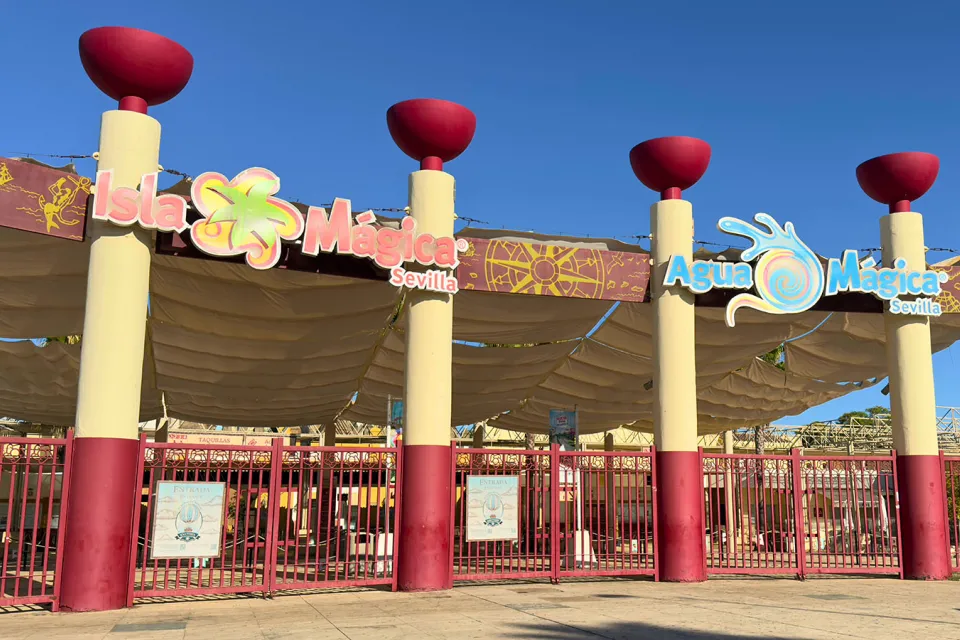
Entertainment in Seville
5,2 km
What is the recommended visit duration?
To fully enjoy the route, the explanatory panels and the contemplation areas (especially the Oceanarium), it is advisable to allow between 2 and 3 hours for the visit.
Where can I buy entrance tickets?
Tickets can be purchased directly at the aquarium ticket office. However, it is strongly recommended to buy them online in advance on their official website. This often allows you to benefit from reduced rates and, above all, avoid queues, especially during peak tourist season.
How do I get there?
- On foot : it is easily accessible from the city centre (approximately 15-20 minutes from Torre del Oro).
- By bus : several lines stop nearby (check Tussam lines: 3, 6, 34, A6, C1, C2).
- By metro or tram : the nearest station is Puerta Jerez or Prado de San Sebastián, followed by a short walk.
Is the aquarium accessible to people with reduced mobility?
Yes, the entire route is designed to be accessible. There are ramps and elevators to navigate between the different levels, allowing everyone to enjoy the Magellan experience.
Did you like our article? Find more on the Seville City Guide blog.
We also have a Facebook page for the Seville City Guide and an Instagram account @seville_city_guide
You will also like
Plaza de Toros de la Maestranza: a visit and exploration of the Seville bullring
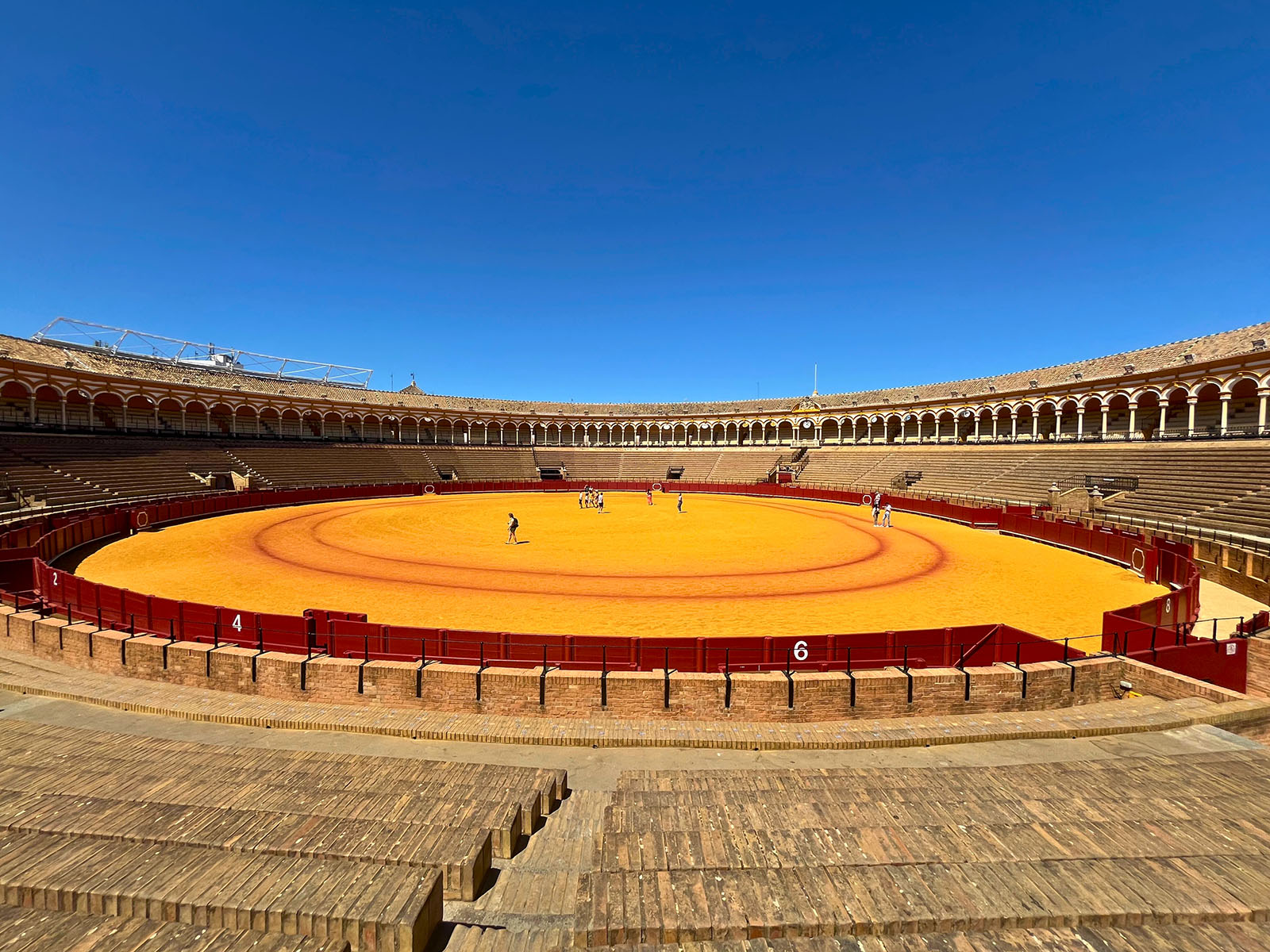
3,5 km
An unmissable experience at the Real Alcázar of Seville
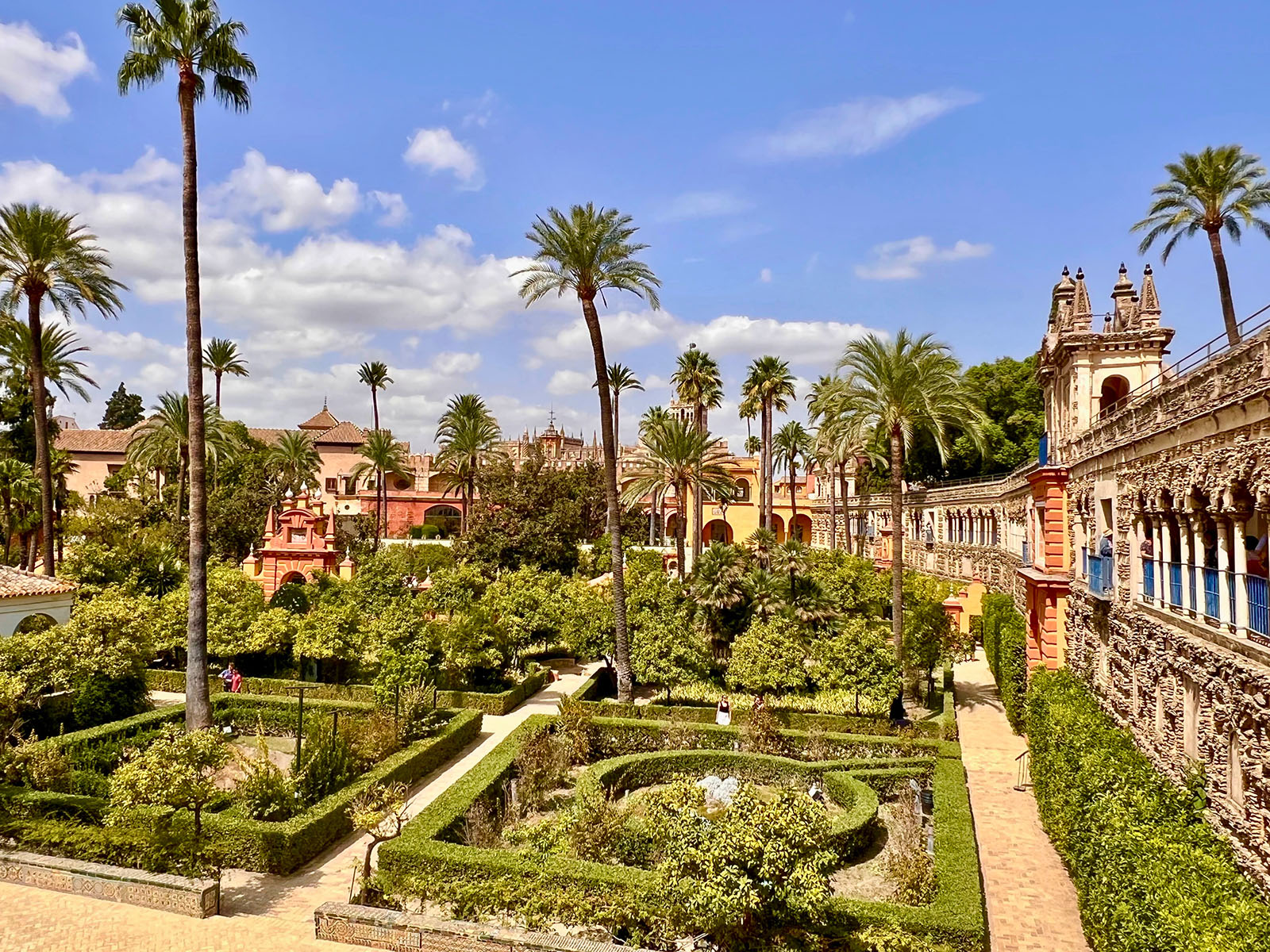
3,5 km
The most beautiful viewpoints of Seville

3,5 km
Discovering Seville Cathedral: history, treasures and practical information
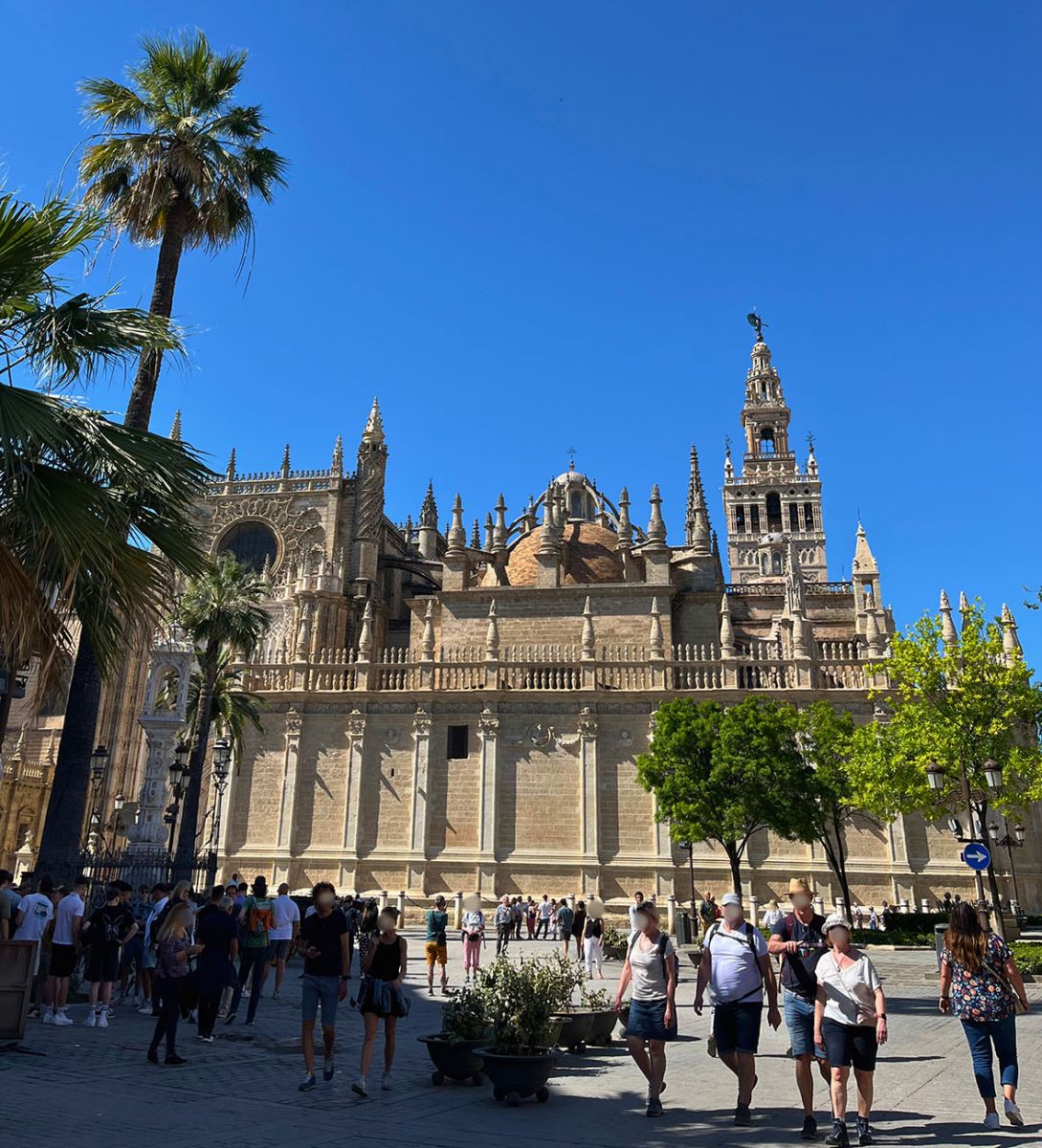
3,5 km
Flamenco in Seville: from the museum to the tablao, it's just a short step
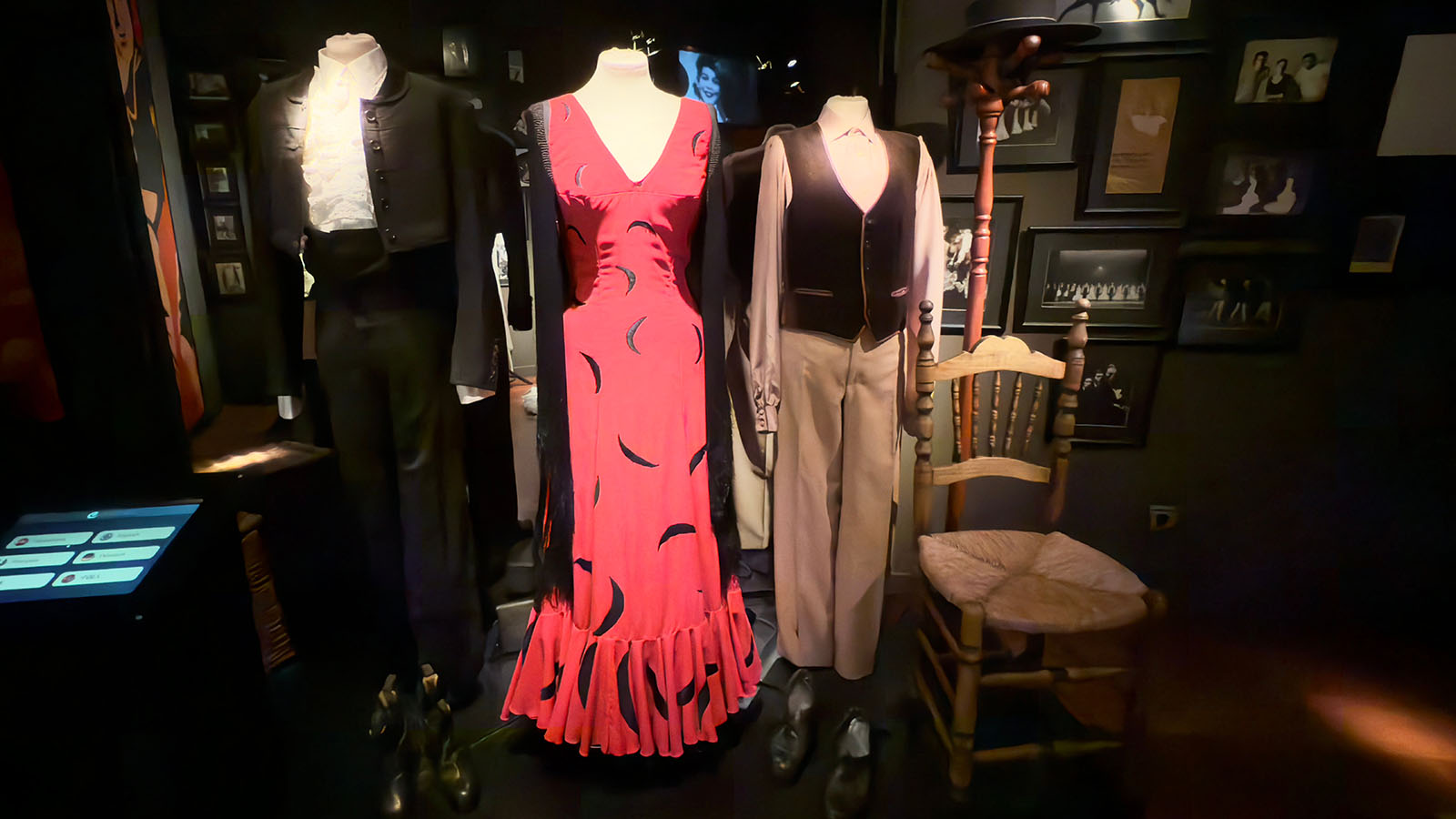
3,5 km
The best tapas bars in Seville

3,5 km
Take an eco-cruise in Seville on the Guadalquivir
3,5 km
The Triana market, a gourmet and authentic immersion in the heart of Seville

4,2 km
To discover around