- Home page
- Top experiences
- Rest and relaxation
- What can you do in Seville when it’s raining?
- Rest and relaxation
- Top experiences
What can you do in Seville when it’s raining?
Seville is one of the sunniest major cities in Europe, but rain showers do occur, especially between autumn and spring. They don't spoil anything: the narrow streets empty, the patios gleam, the air smells of damp earth, and the city reveals places we forget under the sun. So, don't panic if it rains during your next stay in Seville ! We've thought of everything so your adventure doesn't have to be confined to your accommodation, but rather explore the treasures of Andalusia!
Cover photo: Alcázar Palace in the rain.
10 ideas for activities to do when it rains in Seville
- Visit San Luis de los Franceses ;
- Discover Semana Santa all year round at the Basílica de la Macarena ;
- Buy sweets in the convents of Seville ;
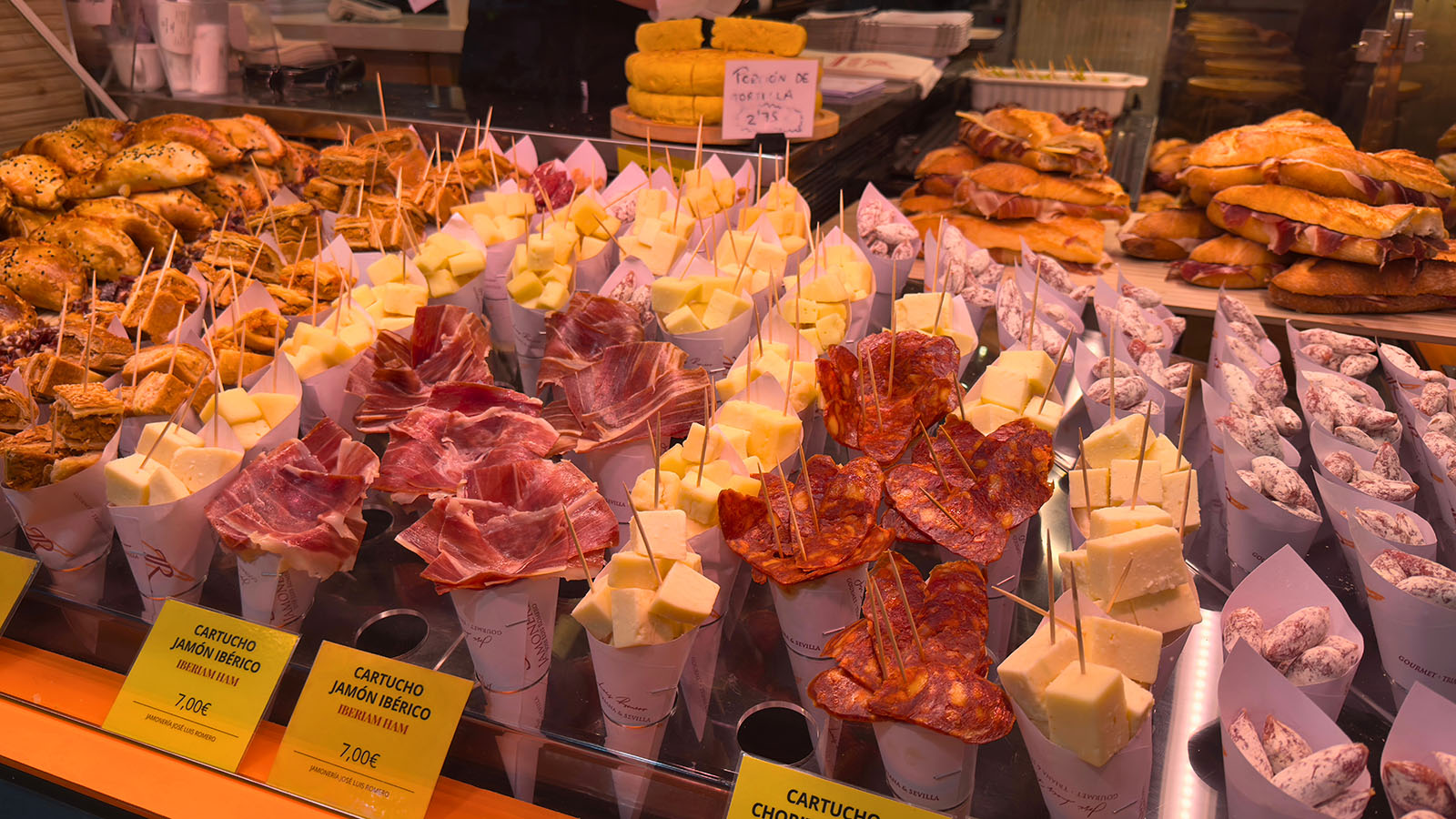
- Lunch at the Lonja del Barranco gourmet market ;
- Enjoying a hot chocolate with churros ;
- Participate in an Andalusian cooking workshop ;
- Painting your own azulejo in a Triana workshop ;
- Explore the Seville Aquarium ;
- Explore the museums of Seville ;
- End the evening at the opera, at the Teatro de la Maestranza.
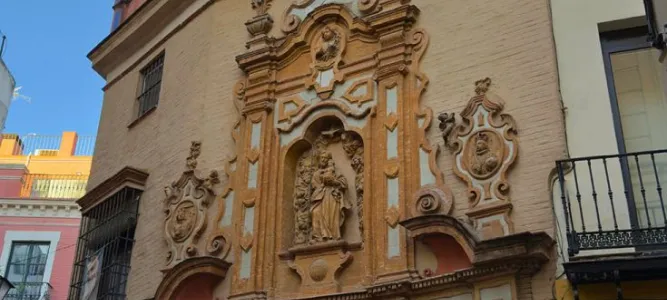
1. Take refuge in the baroque setting of San Luis de los Franceses
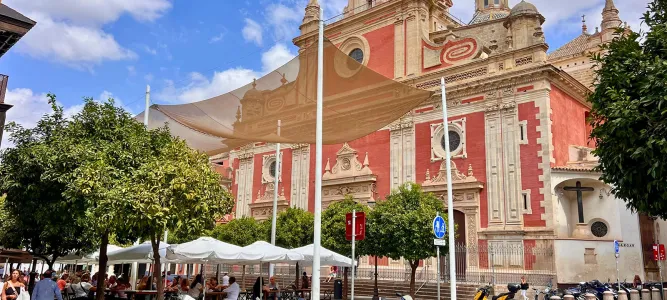
Formerly a Jesuit novitiate, this early 18th-century complex is one of the finest examples of Sevillian Baroque, yet one of the least known. Now managed by the Diputación de Sevilla (Sevillian Provincial Council), San Luis de los Franceses can be visited on a rainy day, offering a timeless respite.
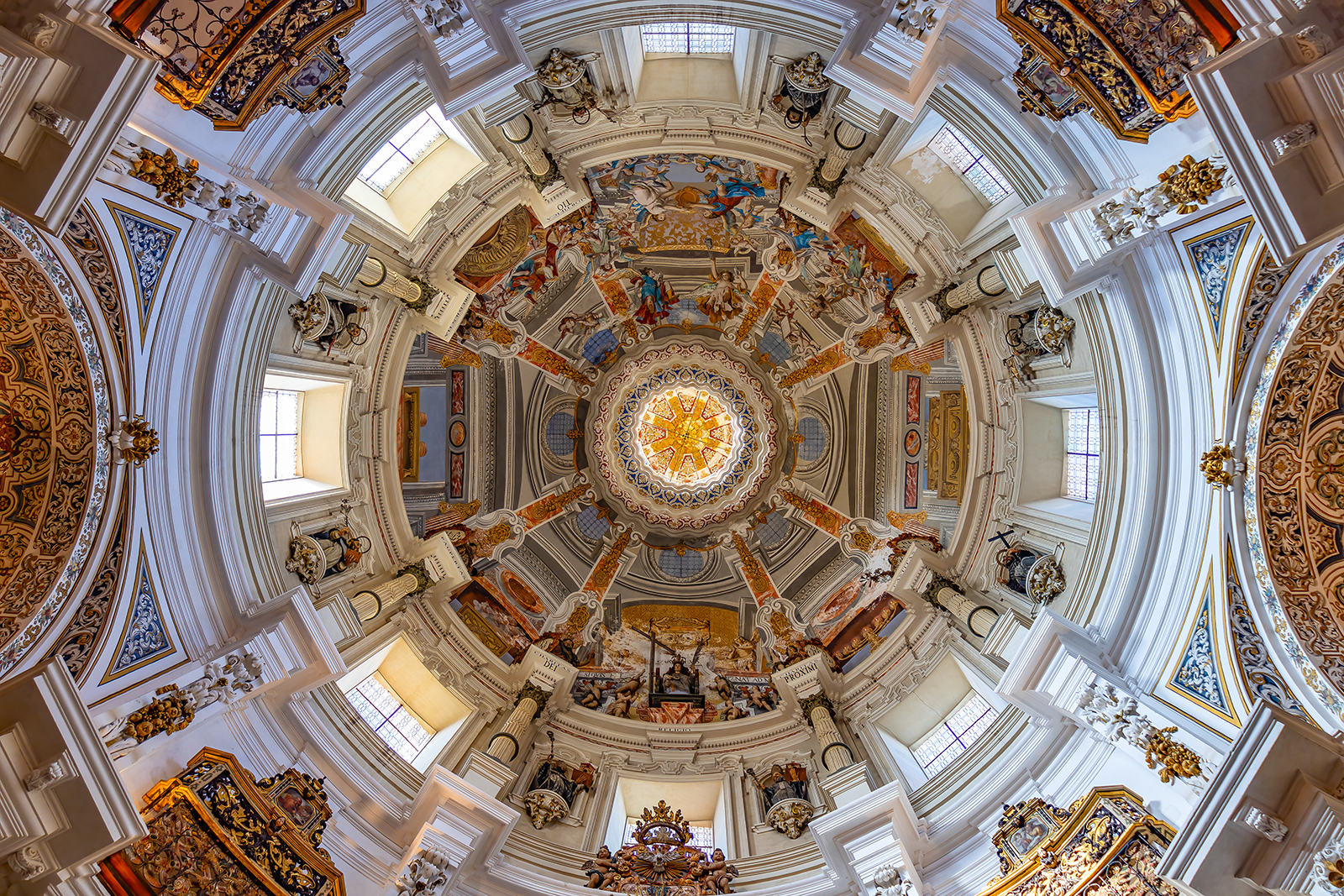
The 3 key advantages of the visit:
- An exuberant baroque setting, very photogenic, often far from the crowds.
- Three spaces in a single route : the church, the domestic chapel of the novices and the crypt, linked by an underground passage.
- A vibrant place, which also hosts exhibitions, concerts and theatrical tours on certain evenings.
Neighborhood: Historic Center, North · Duration: 1 to 1.5 hours · Ideal for heritage enthusiasts.
2. Discover Semana Santa all year round at the Basílica de la Macarena
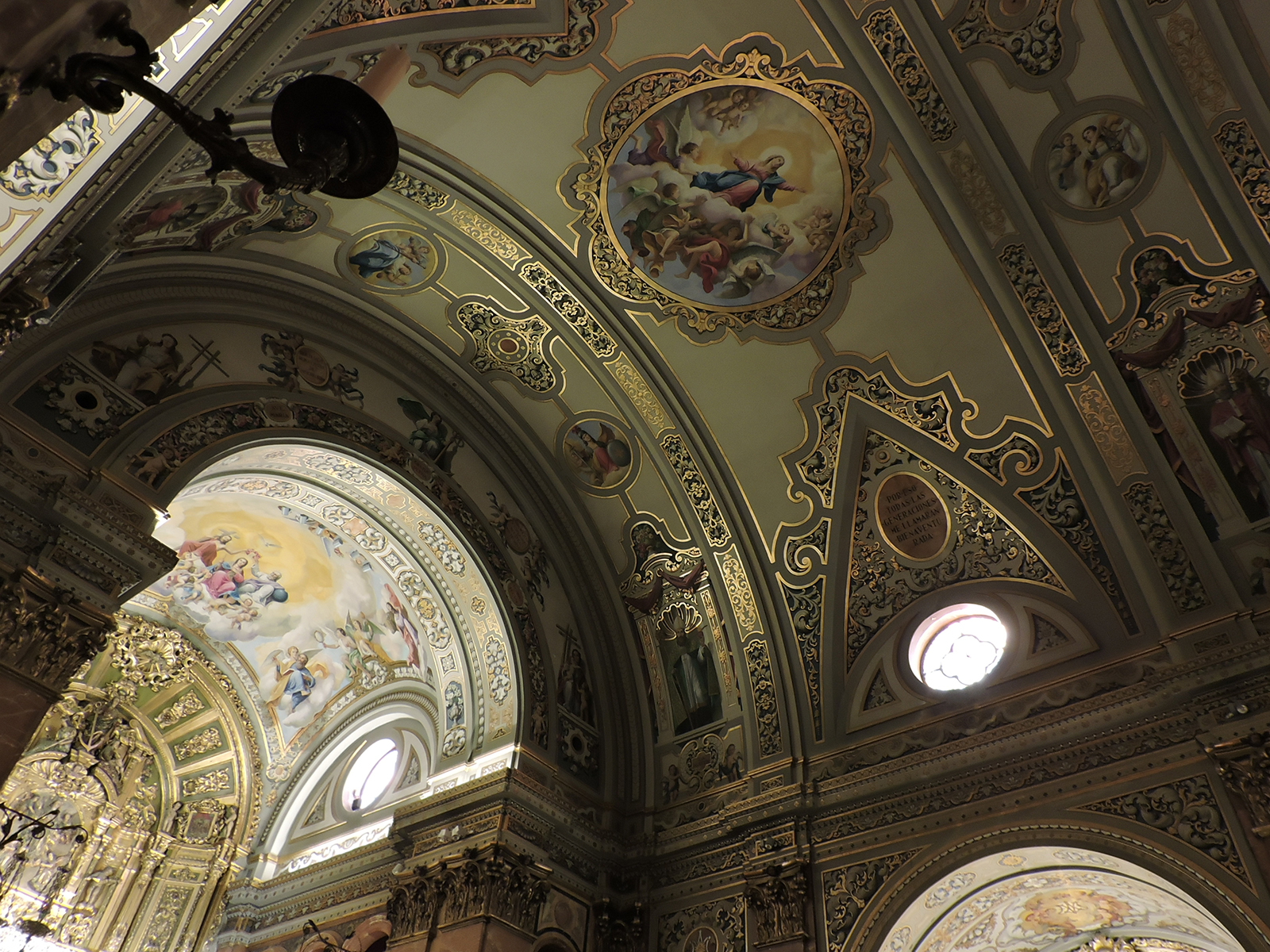
North of the center, the basilica houses the Virgen de la Esperanza Macarena, one of the most venerated images of Holy Week. The adjoining museum offers a glimpse behind the scenes of Holy Week.
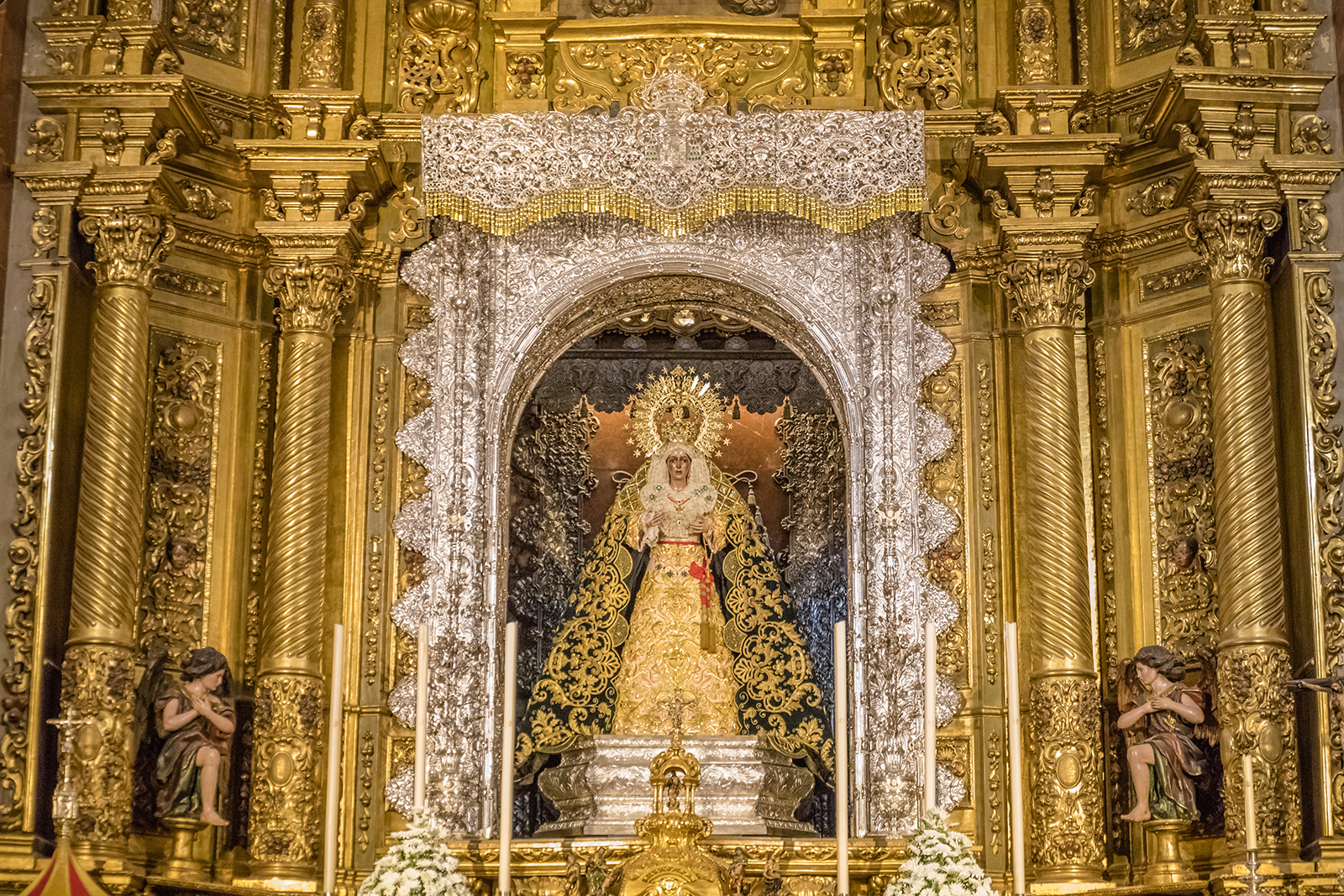
The 3 key advantages of the visit:
- The Virgin of Hope Macarena, at the heart of Sevillian fervor.
- The museum, with its processional sleigh rides, gold-embroidered cloaks, and jewels.
- A way to experience Semana Santa all year round, without the crowds.
Neighborhood: Macarena · Duration: 45 min to 1 hour · Ideal for discovering Semana Santa.
3. Buy convent sweets in Seville
It's one of Seville's most cherished traditions. Several convents of cloistered nuns sell their pastries through the torno, a wooden turnstile that allows customers to buy without seeing the nuns. Opening hours are limited and vary, so it's best to check them before going.
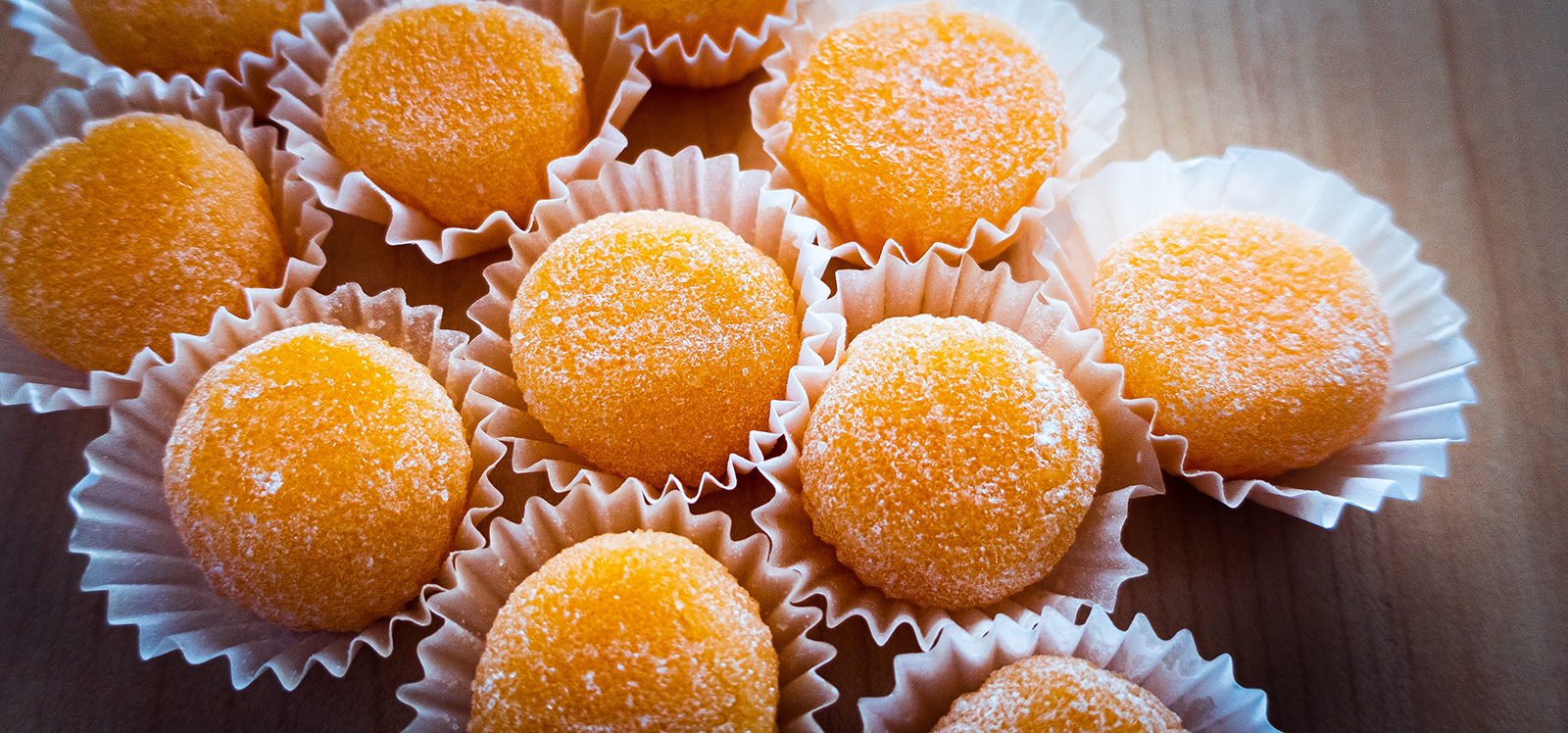
- Convento de San Leandro (plaza de San Ildefonso, 1): the Augustinian nuns sell their famous yemas there, small sweets made from egg yolk, sugar and lemon.
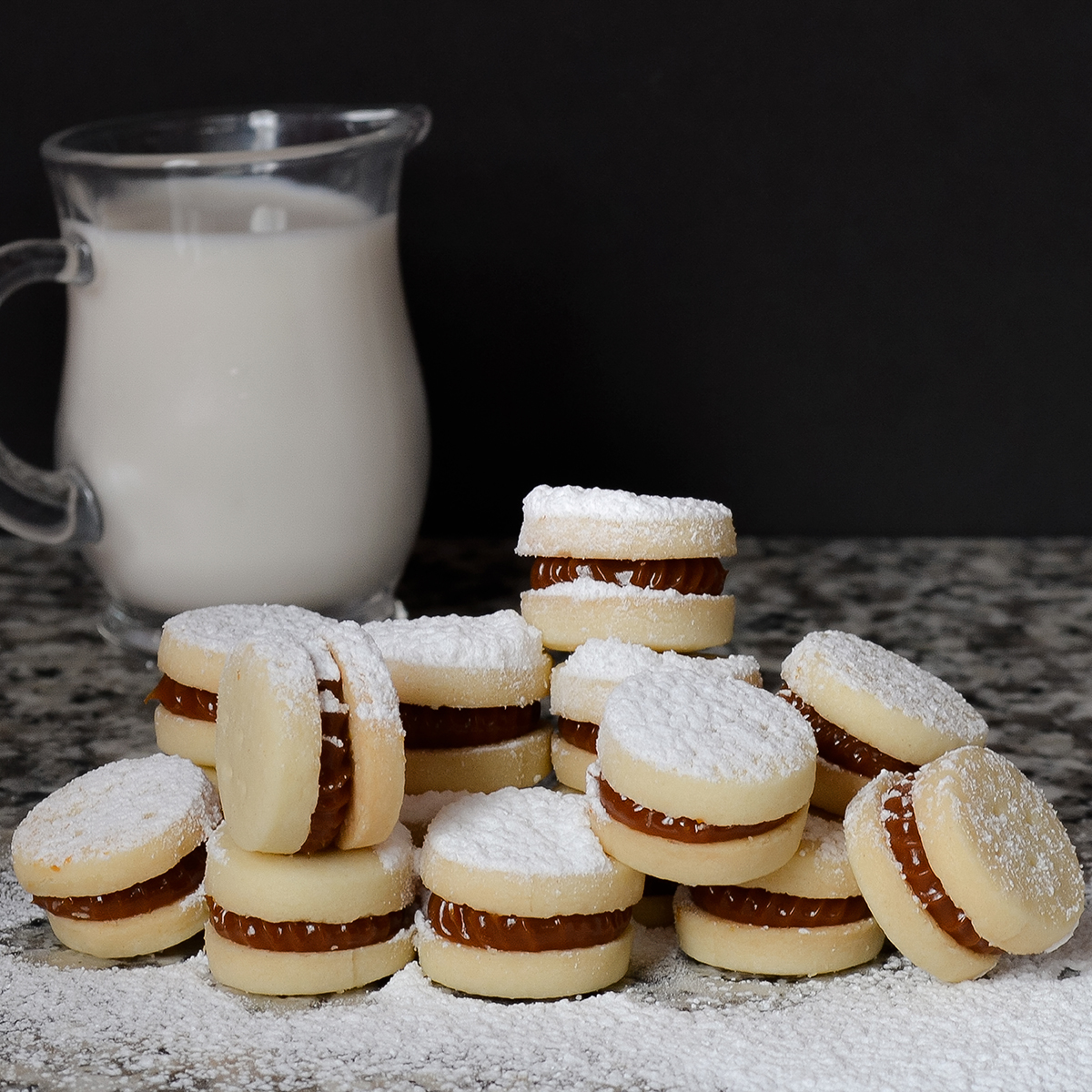
- Convento de Santa Paula (calle Santa Paula, 11): The Jeronimites offer jams, quince, Mozarabic alfajores, and turrón de piedra. The convent also houses a museum.
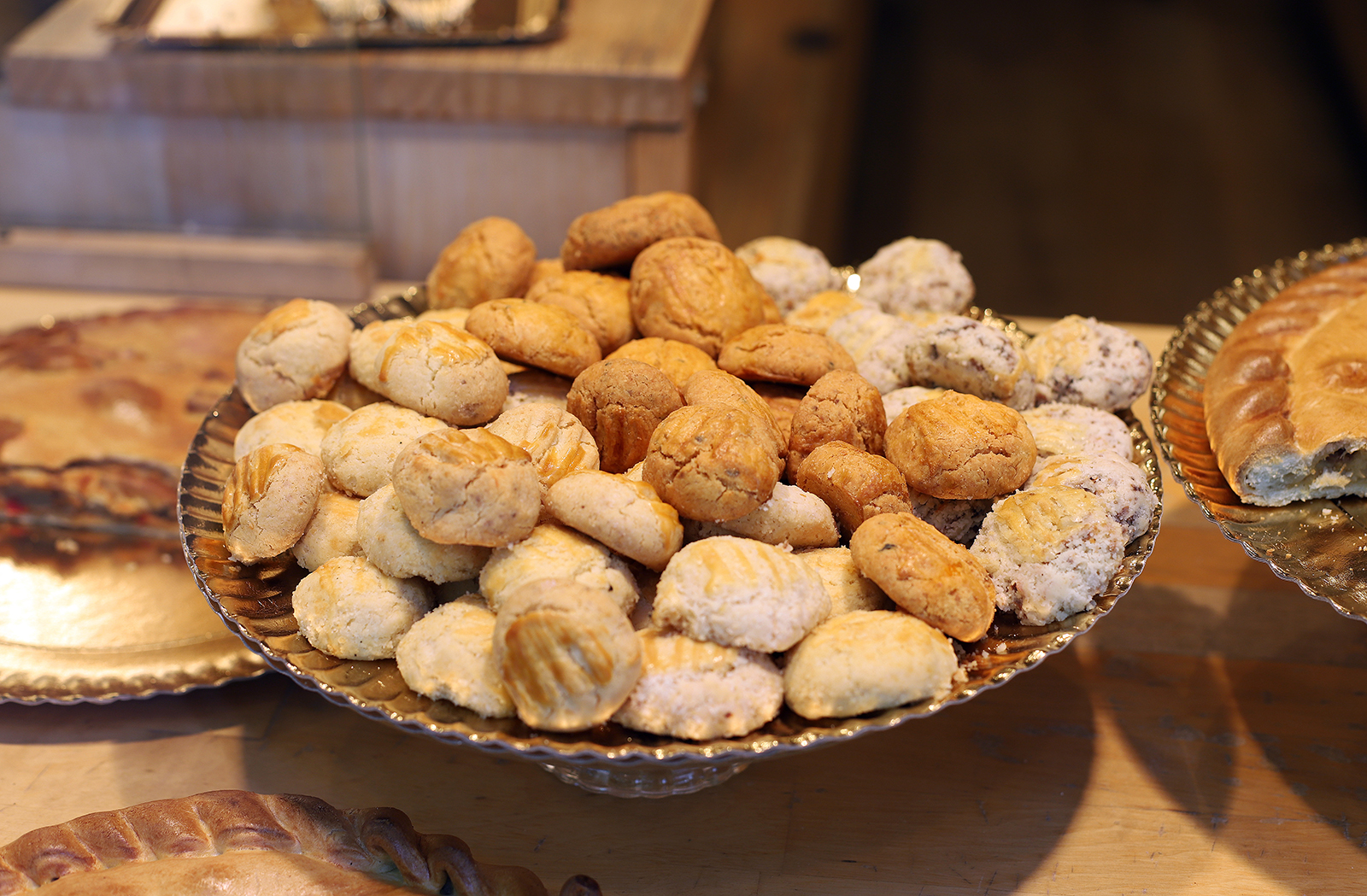
- Convento de Santa Ana : the Carmelites sell truffles and mantecados, small melt-in-your-mouth shortbread cookies.
Neighborhood: Historic center · Duration: 15 to 30 min per convent · Ideal for food lovers and bringing back souvenirs from Seville.
4. Lunch under cover at the Lonja del Barranco gourmet market
At the foot of the Triana Bridge, the Lonja del Barranco, a former 19th-century fish market whose iron framework is attributed to Gustave Eiffel, has been transformed into a gourmet market. Around twenty stalls share its two floors. Visitors choose, taste, and settle down at a communal table while the rain drums on the glass roof.
To taste or to buy:
- Thinly sliced Iberian ham, and cured meats, cheeses, preserves and pickles.
- Seafood, oysters and pescaíto frito (Andalusian-style fried fish).
- Rice, meats and modern tapas, including original salmorejos.
- Empanadas, sushi, artisanal ice cream and fine pastries.
- Andalusian wines, including Sherries (fino, dry and light, amontillado, with hazelnut notes, or cream, sweeter), but also craft beers and cocktails.
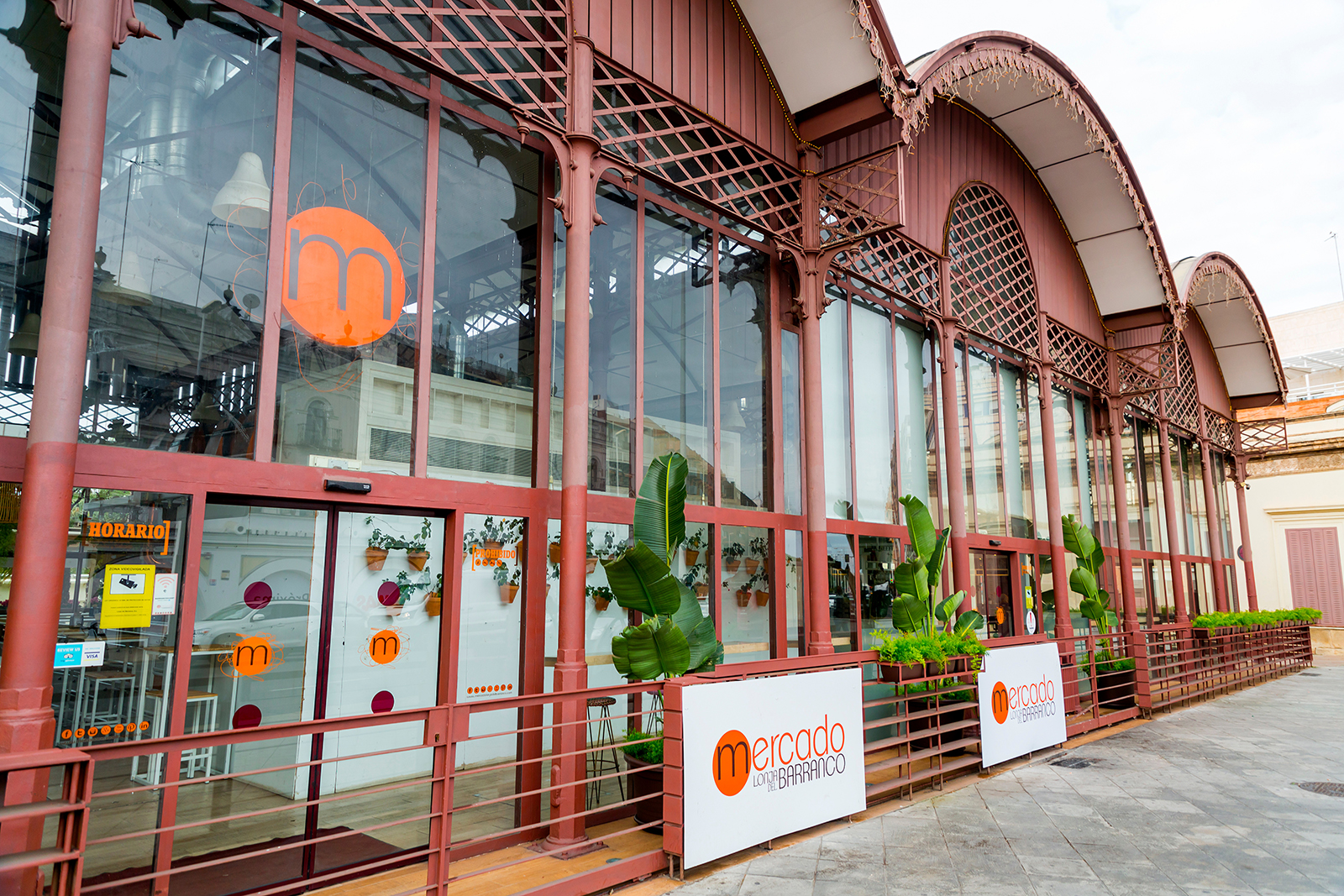
Neighborhood: Riverside, Triana side · Duration: 1 to 1.5 hours · Ideal for lunch with a group.
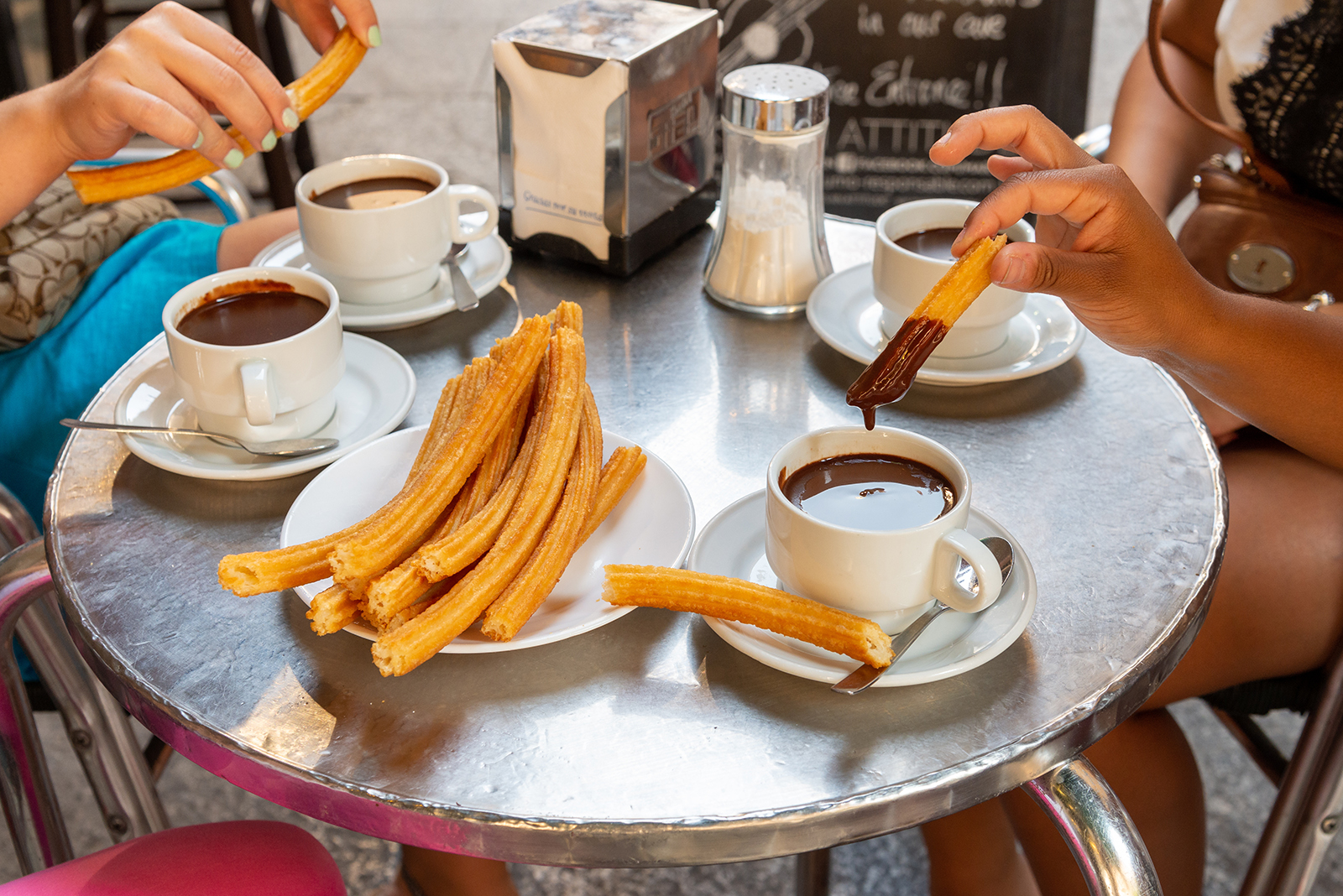
5. Enjoy a hot chocolate with churros
Nothing is more comforting than a plate of churros dipped in thick chocolate when it's raining. Three addresses often cited among the best in the city:
- Bar El Comercio (Calle Lineros): an institution since 1904, renowned for its churros and porras, which are thicker and softer. There's often a wait, but the authentic atmosphere is worth the trip.
- Bar La Centuria (plaza de la Encarnación, 8): a neighborhood address frequented by regulars, a stone's throw from the Setas.
- Chocolatería Virgen de Luján (calle Virgen de Luján, 41, Los Remedios district): a classic a little outside the center, ideal for a snack after a walk towards Triana.
6. Get hands-on during an Andalusian cooking workshop
Many workshops in Seville offer the chance to learn classic recipes in small groups, some including a market visit. Here's what you can cook there:
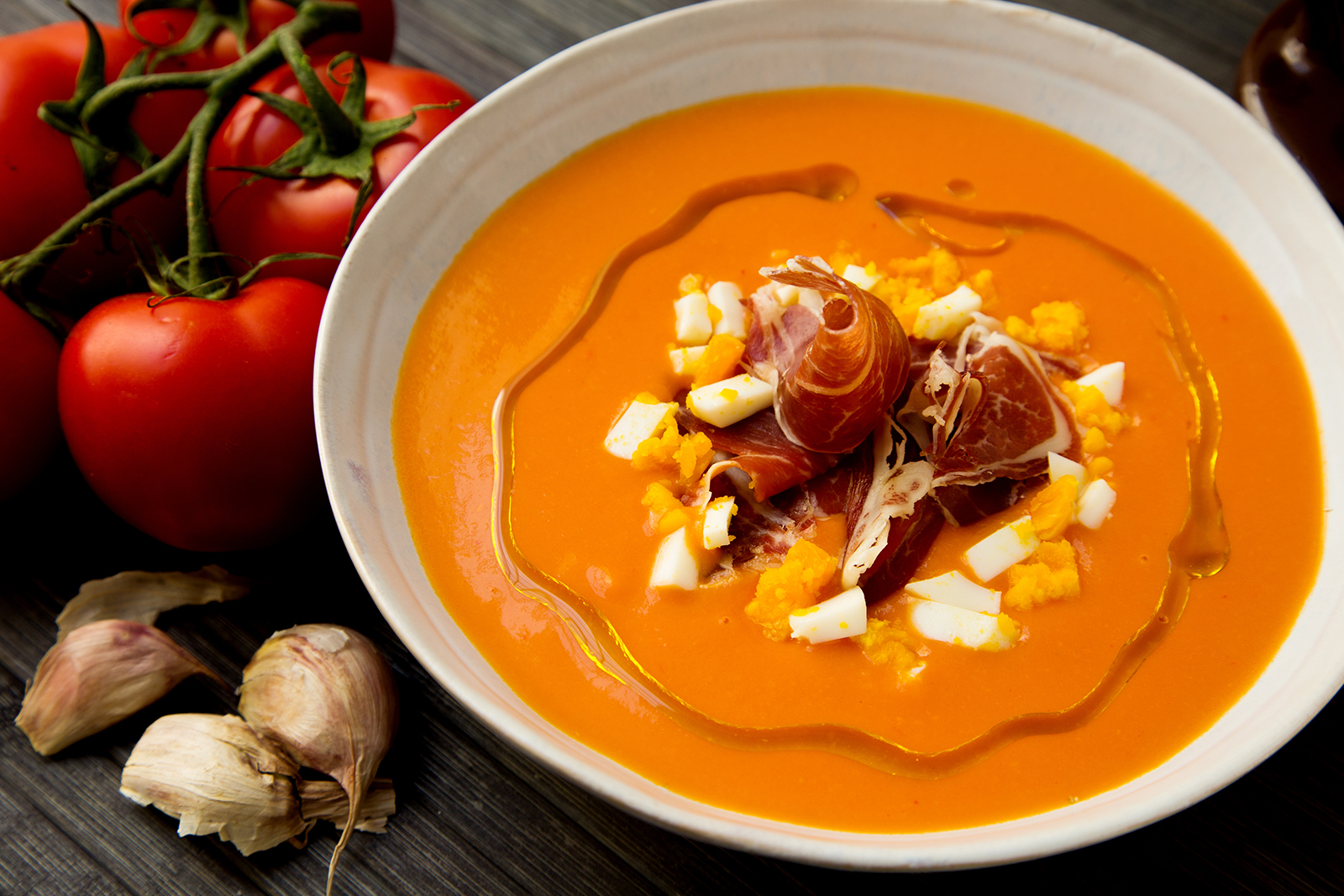
- Salmorejo : a cold, creamy soup originating from Cordoba, made with tomatoes, bread, garlic, and olive oil, often garnished with ham and a hard-boiled egg. The oil must be well emulsified to achieve a silky texture.
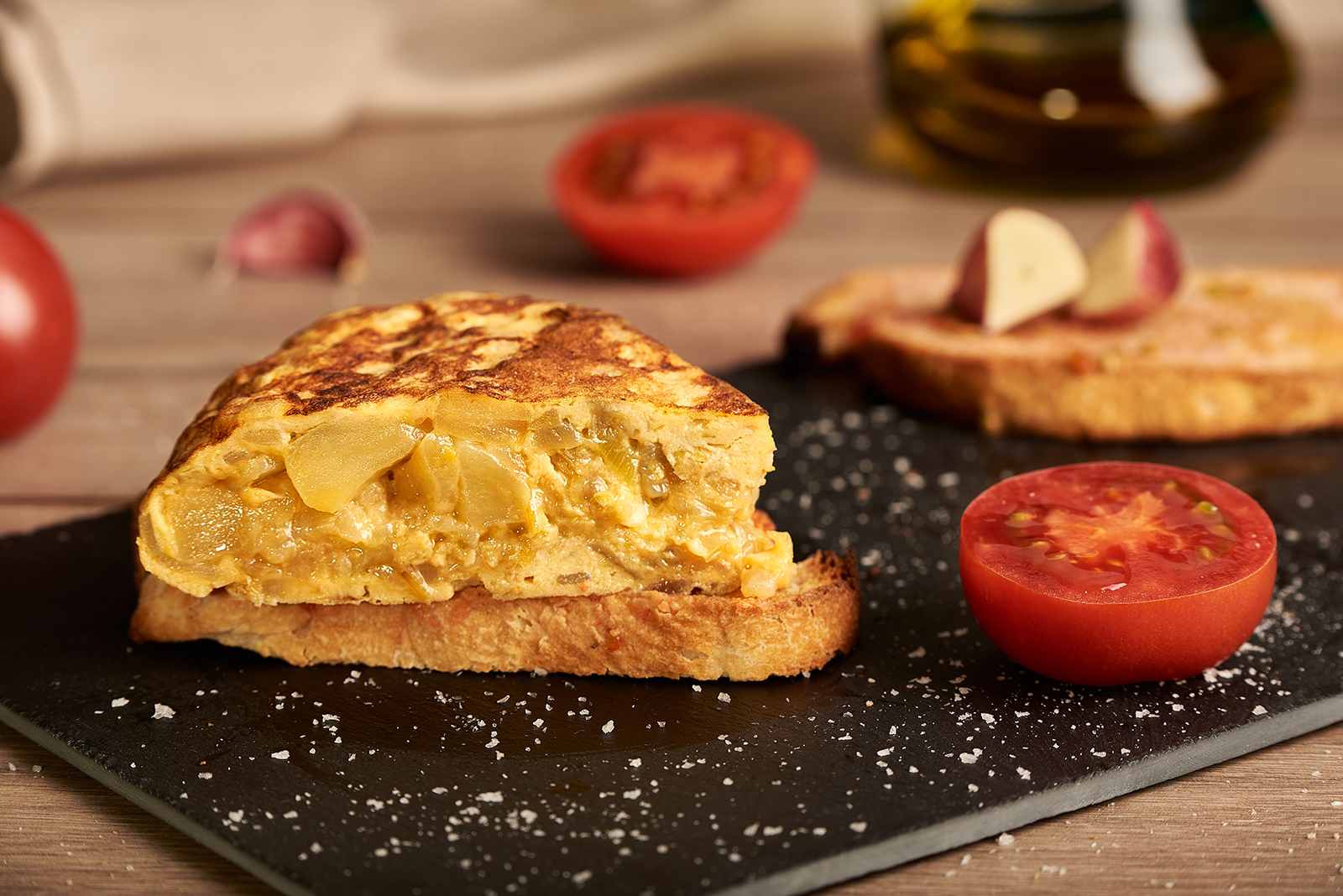
- The tortilla de patatas : the Spanish potato omelet. We learn to gently cook the potatoes in olive oil, then to flip the omelet using a plate.
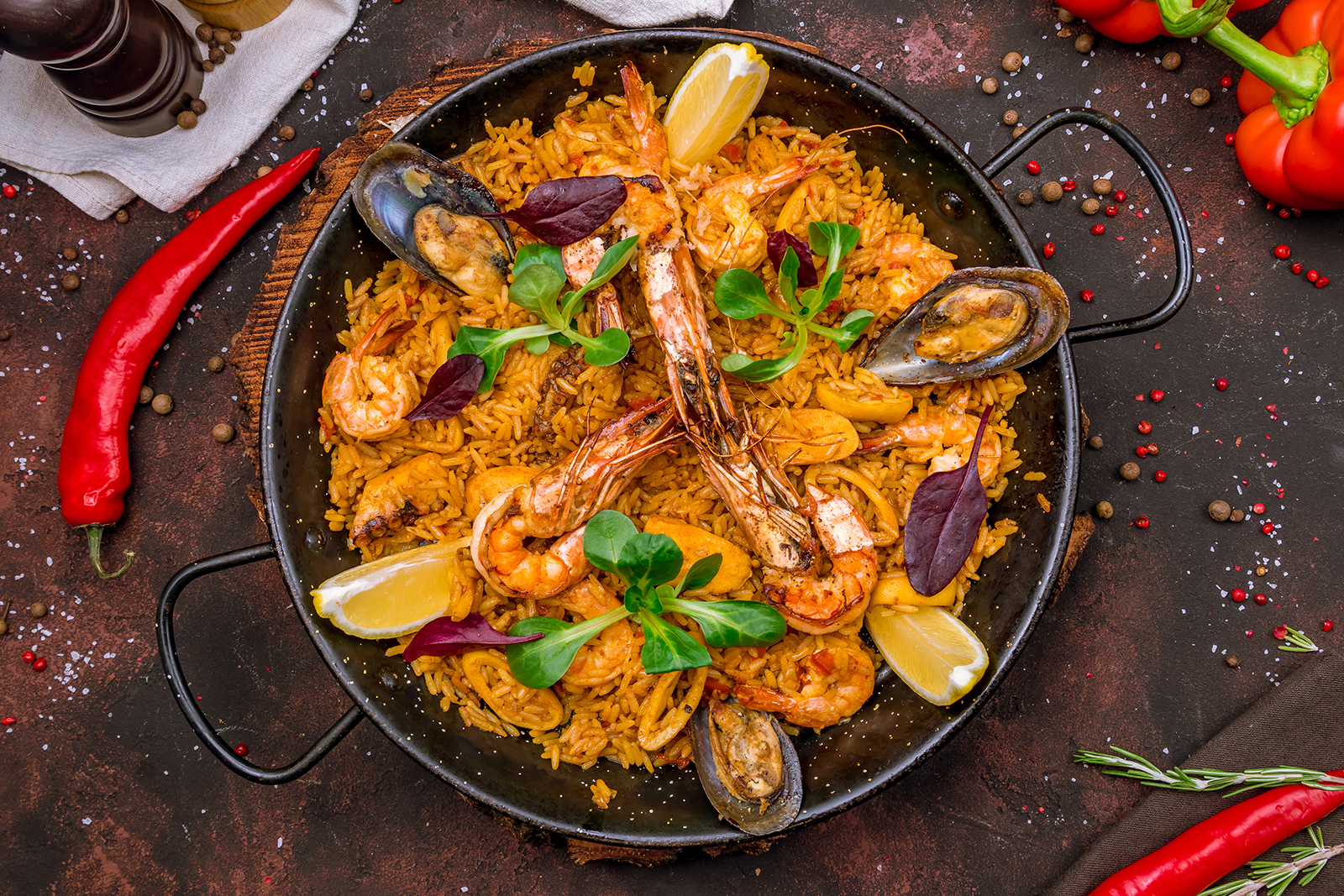
- Paella : rice cooked in a large pan with a sofrito (a base of simmered vegetables) and saffron. The goal is to obtain the socarrat, the thin golden crust at the bottom of the dish.
- The flamenquín : a pork roll filled with ham and sometimes cheese, breaded and then fried.
- Tocino de cielo : a dense and sweet flan made from egg yolks, typical of Andalusia.
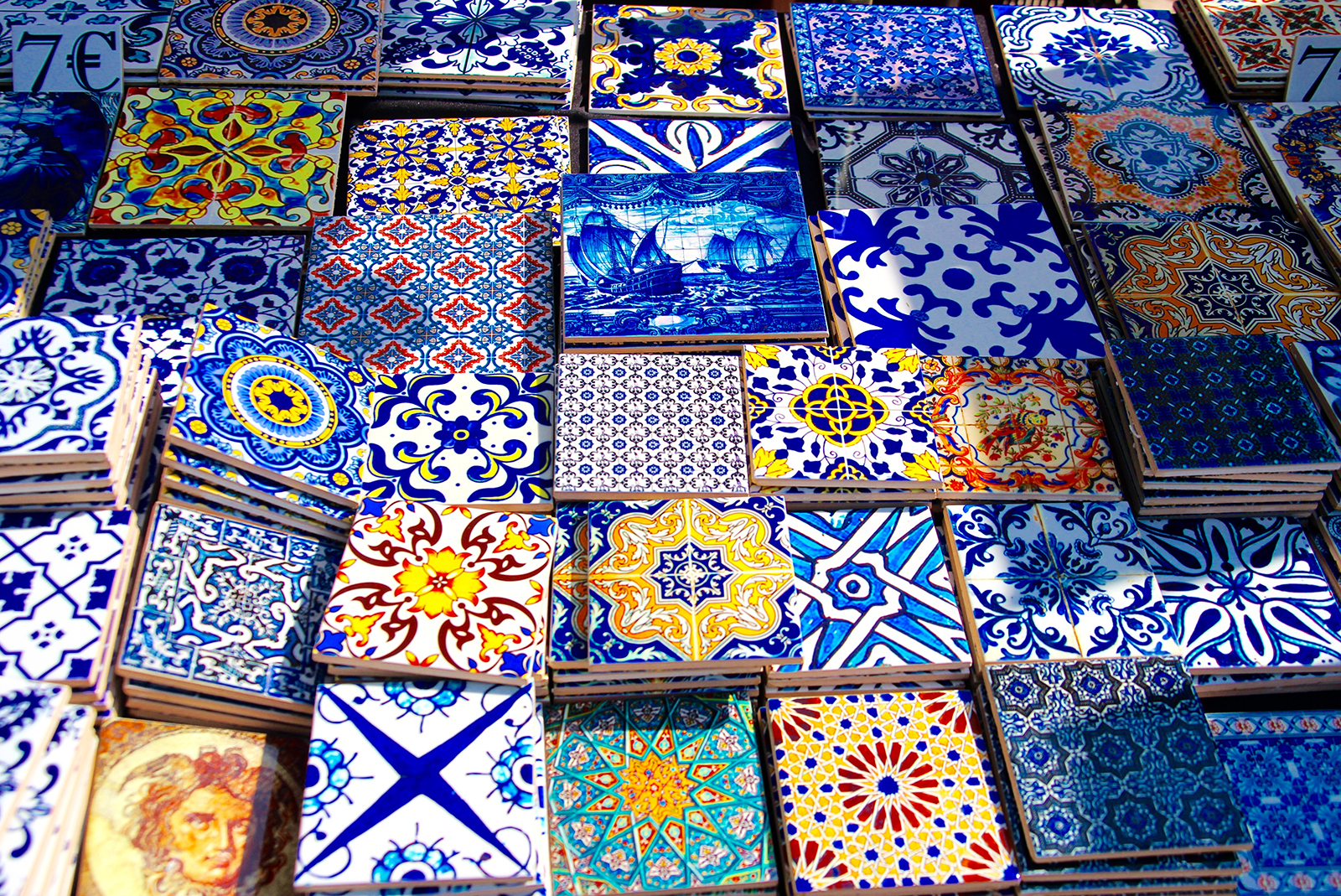
7. Paint your own azulejo in a Triana workshop
The Triana district is the historical capital of azulejos (tiles). Several workshops there offer to decorate a ceramic piece using traditional Sevillian techniques:
- The cuerda seca (“dry rope”): a technique of Mudéjar origin very typical of Seville. The design is drawn with a mixture of manganese and oil, which prevents the glazes from mixing during firing, then each area is filled with color.
- The cuenca or arista : a mold is pressed into the still-soft clay to create fine raised edges. These separate the colors and allow for the exact reproduction of a pattern.
- Brush painting on white enamel : the freest technique, often in blue and white, like the azulejos that decorate the city's patios.
Neighborhood: Triana · Duration: approximately 2 hours · Ideal for creatives, couples, families.
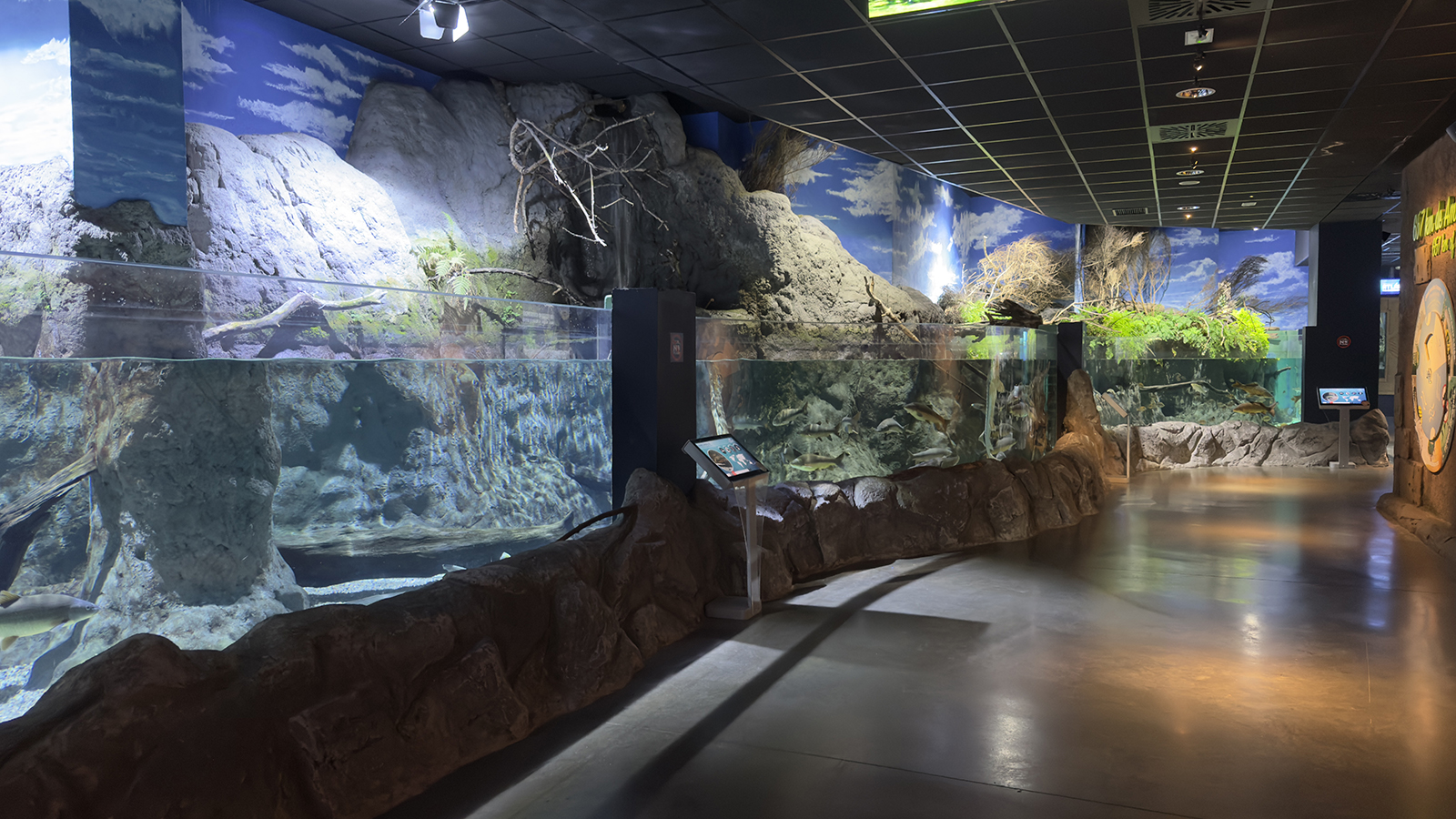
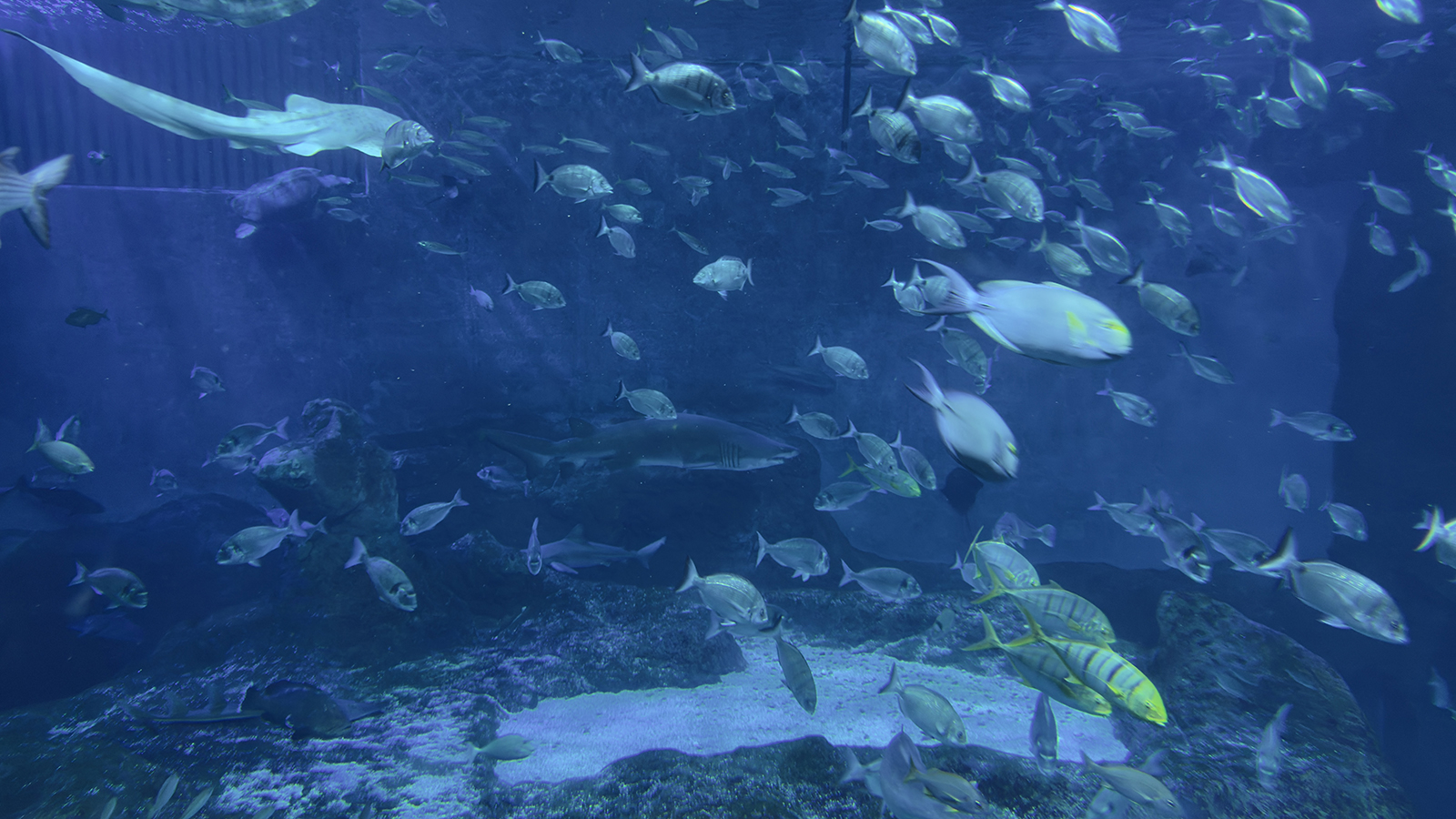
8. Admire the sharks at the Seville Aquarium
Located on the banks of the Guadalquivir River, at Muelle de las Delicias, about a fifteen-minute walk from the city center, the aquarium offers a journey inspired by Magellan 's expedition. More than 400 species and thousands of marine animals are housed there.
Three things you absolutely mustn't miss:
- The oceanarium : a huge tank about nine meters deep, where bull sharks, among others, live.
- The baby seahorse laboratory ;
- The area dedicated to the rainforest, featuring reptiles and wild flora.
Neighborhood: Muelle de las Delicias · Duration: half-day · Ideal for families.
9. Visit Seville's museums, which are often free
Seville boasts some truly beautiful museums, and many are free or nearly free. Most public museums offer free admission to EU citizens upon presentation of an identity document. Others offer free entry times for everyone. Here are three examples:
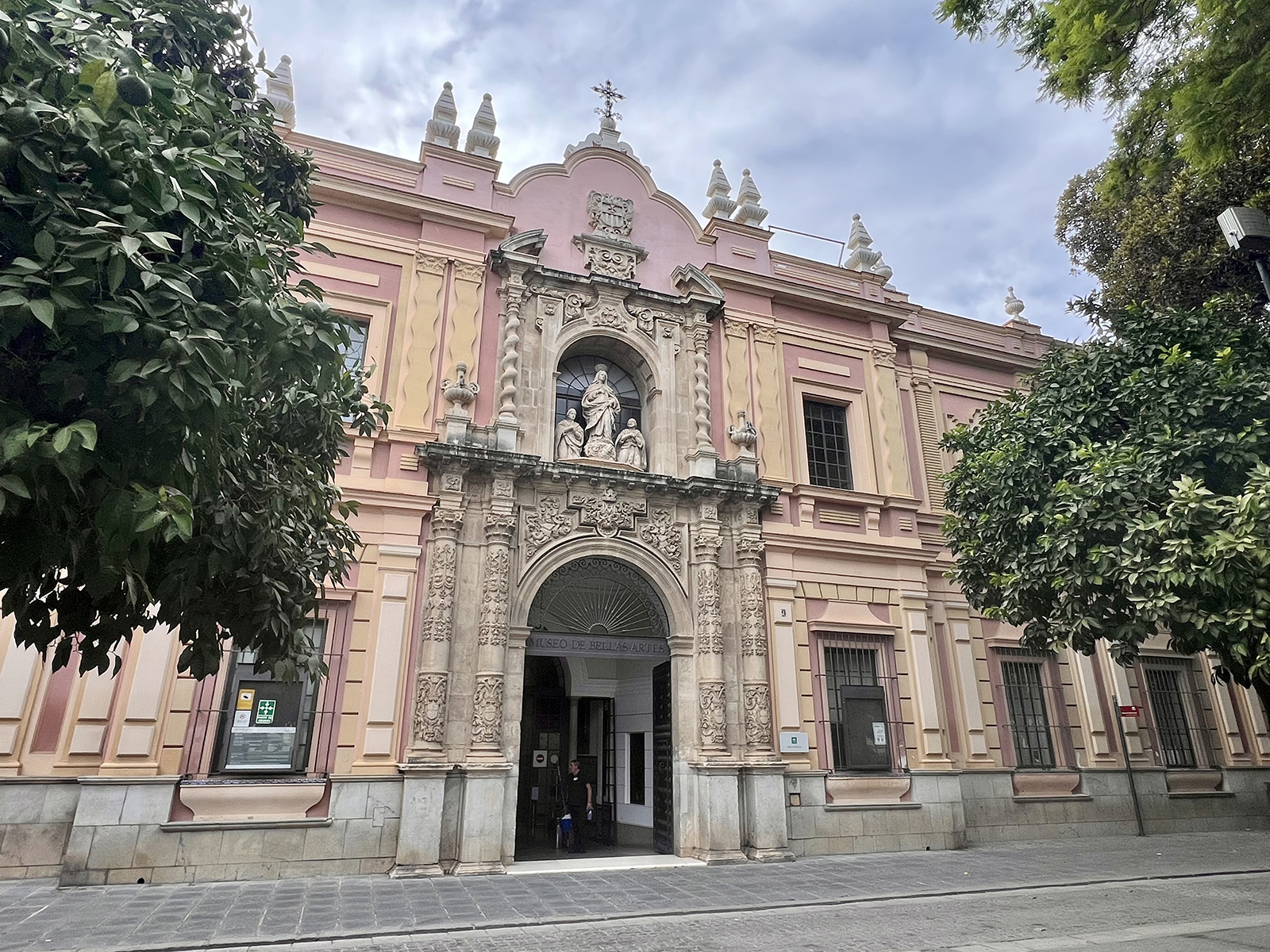
- Museum of Fine Arts : housed in the former convent of La Merced Calzada, it is organized around four cloisters and patios and presents a magnificent journey through Andalusian art, featuring works by Velázquez, Murillo, and Zurbarán. Free for EU citizens.
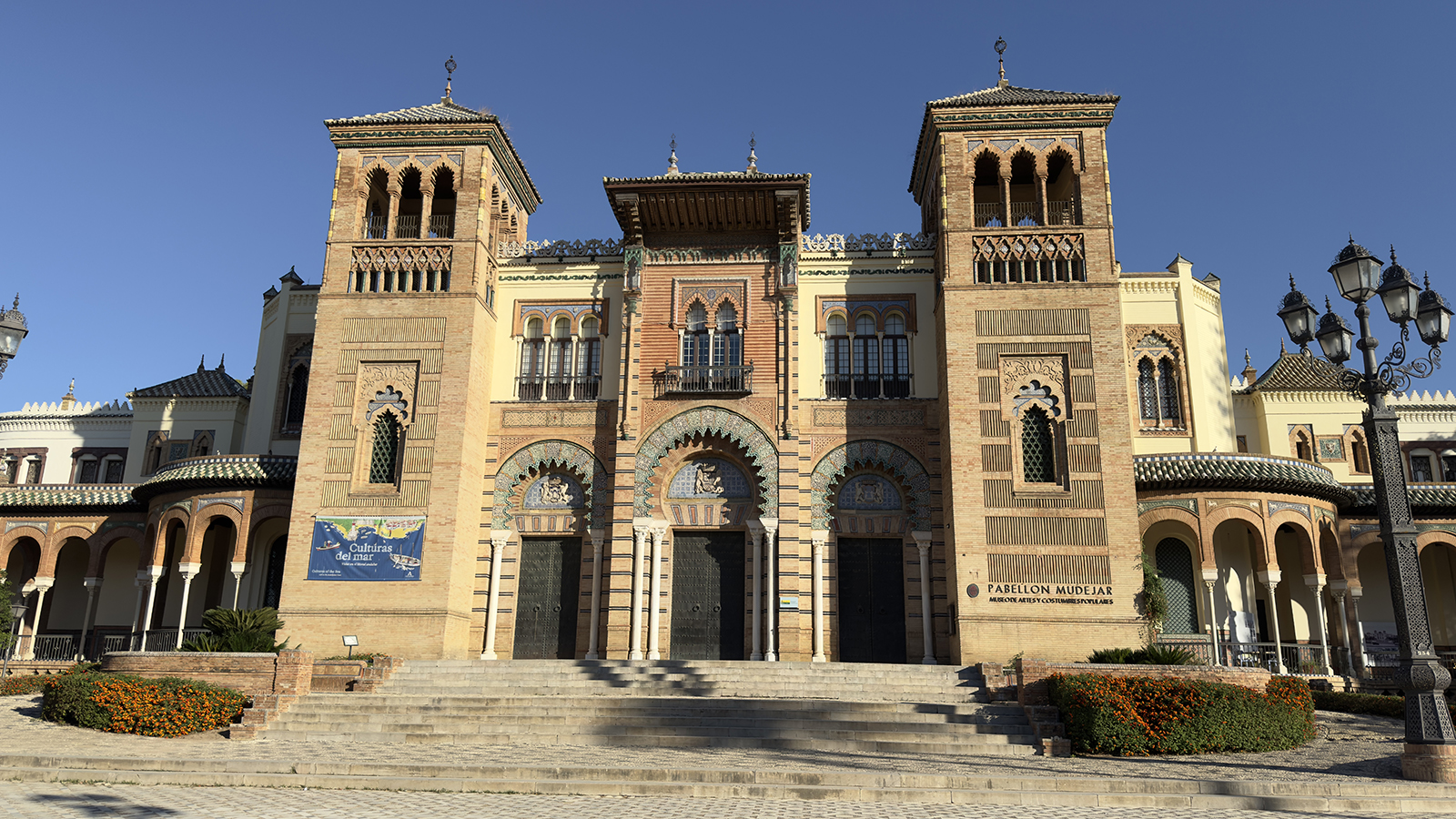
- Museum of Popular Arts and Costumes : located in the Mudéjar pavilion in Plaza de América, in María Luisa Park, it recounts traditional Andalusian life through costumes, goldsmithing, and everyday objects. Free for EU citizens.
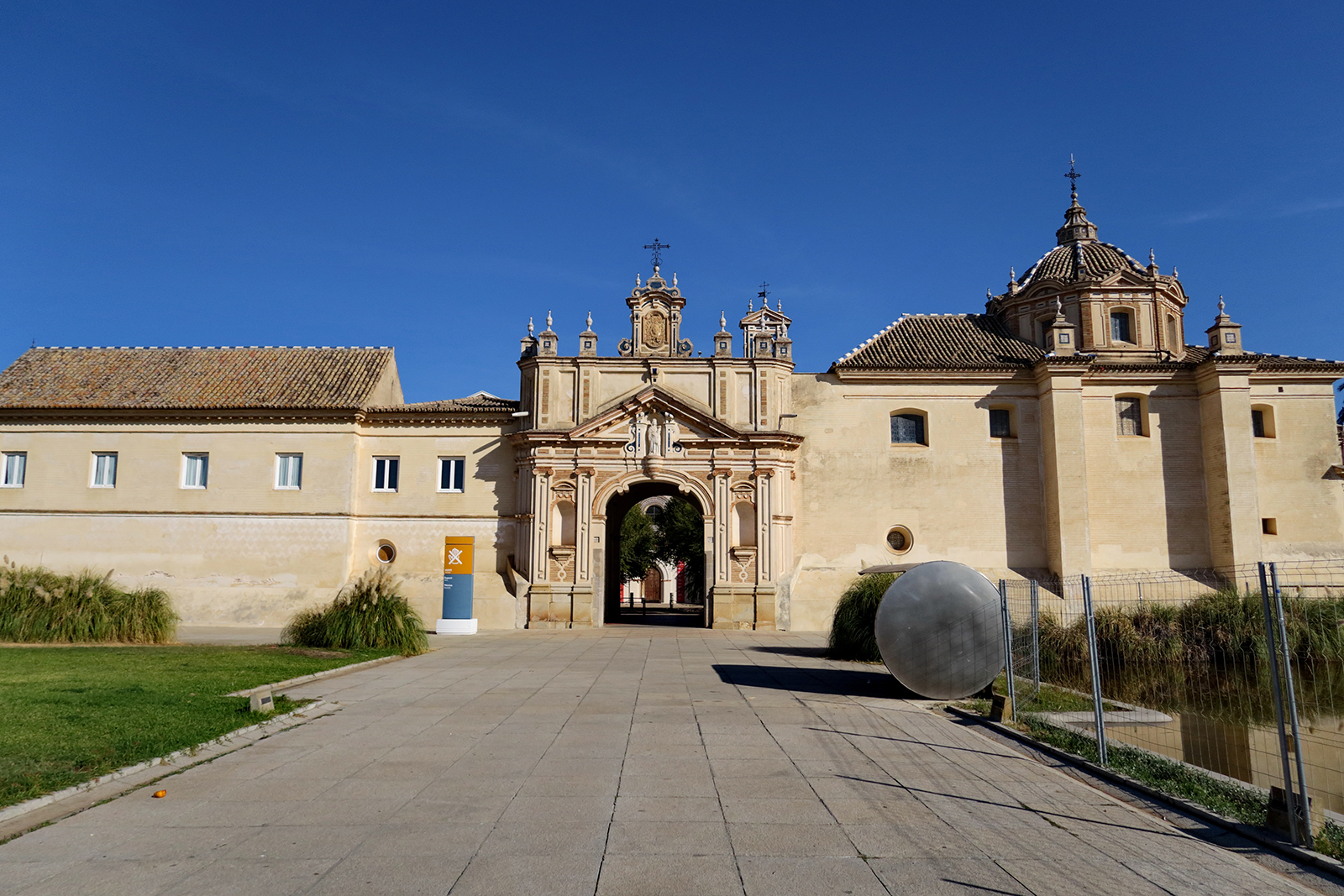
- CAAC (Andalusian Center for Contemporary Art) : housed in the former La Cartuja monastery, it offers contemporary art exhibitions. According to available information, admission is free in the late afternoon on weekdays and on Saturdays ; please check before visiting.
10. End the evening at the opera at the Teatro de la Maestranza
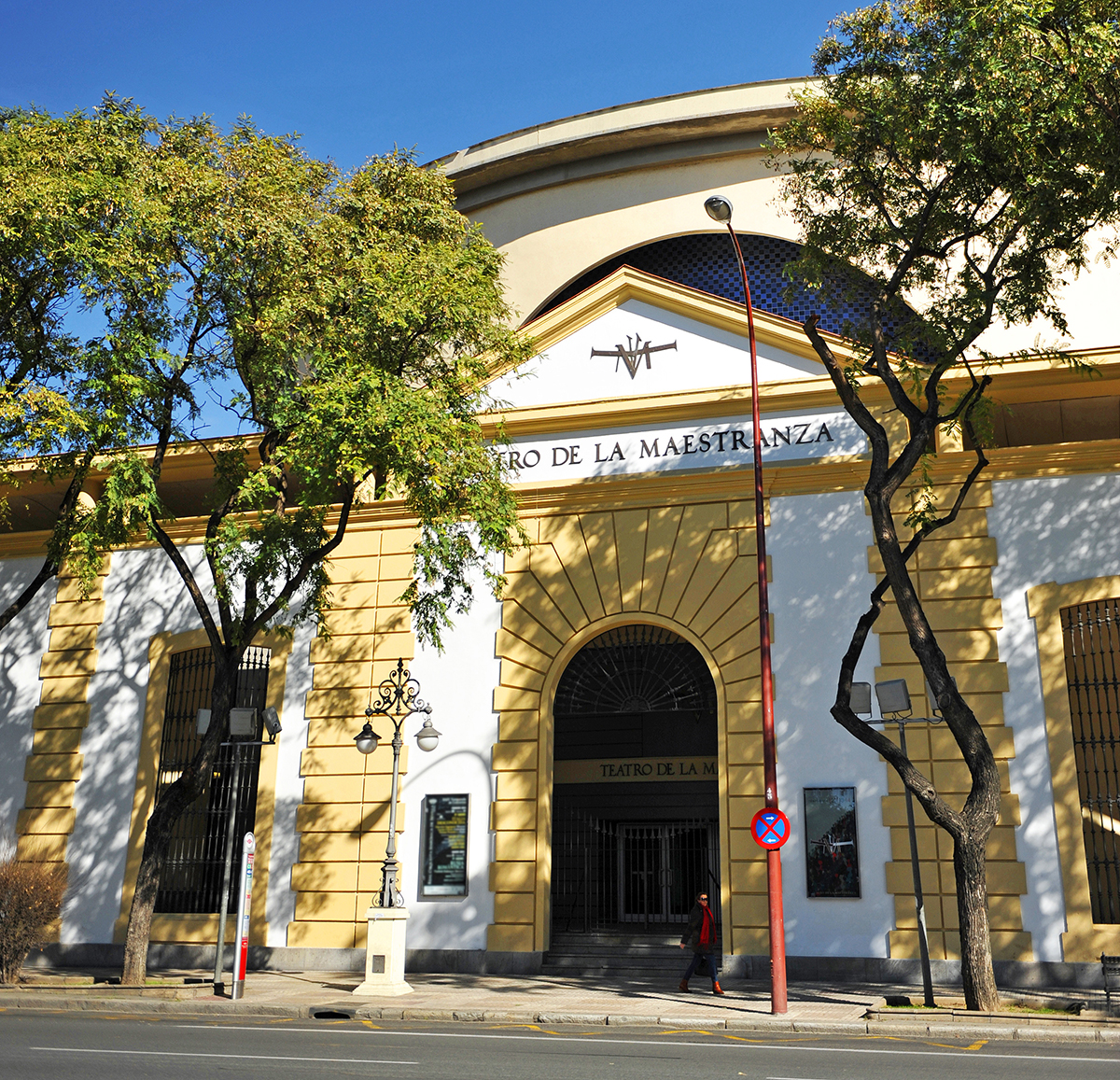
Seville is also the setting for several famous operas : Carmen, The Barber of Seville, Don Giovanni, The Marriage of Figaro. The Teatro de la Maestranza, on the banks of the Guadalquivir, hosts opera, ballet and symphonic concerts.
The 3 highlights of the evening:
- A varied program : opera, ballet and concerts.
- An iconic venue, on the banks of the river.
- An elegant evening, perfect for ending a rainy day in style.
Neighborhood: Arenal · Duration: one evening · Ideal for music and entertainment lovers.
Getting around Seville when it's raining
The historic center is largely explored on foot, which is convenient between rain showers, but the cobblestones can be slippery. To venture further afield, several bus lines serve the aquarium and the Church of San Luis de los Franceses, and the central tram connects several neighborhoods. Taxis and ride-hailing services are a good option for getting to the aquarium or Los Remedios, or in the evening after a show.
3 routes for a rainy day
sacred and secret Seville
- Morning: San Luis de los Franceses church, then purchase of yemas at the Convento de San Leandro.
- Lunch: a quiet tapas bar in the center.
- Afternoon: Basílica de la Macarena and its museum.
- End of day: Convento de Santa Paula, its sweets and its museum.
Seville: Gourmet and Creative
- Morning: Andalusian cooking workshop (ideally with a market).
- Lunch: Lonja del Barranco.
- Afternoon: azulejo workshop in Triana.
- Snack: hot chocolate and churros at Virgen de Luján or at La Encarnación.
Seville's cultural scene and stage
- Morning: Seville Aquarium.
- Lunch: tapas in the centre.
- Early afternoon: Museo de Bellas Artes.
- Late afternoon: CAAC (free slot in the evening, to be checked).
- Evening: show at the Teatro de la Maestranza.
Mercado de Feria

The oldest market in Seville
Marché de Triana

The gourmet soul of Triana
Marché de la Encarnación

Sevillian products at your fingertips
People Also Ask
- Does it rain often in Seville? Showers are rare, concentrated between autumn and spring. They are often short, but can be intense.
- Are monuments and museums open when it rains? Yes, rain doesn't affect opening hours. However, indoor venues fill up faster: arrive early.
- Are there any free museums in Seville? Yes. Most public museums are free for EU citizens, and some, like the CAAC, offer free entry slots for everyone.
- Do you need to book in advance? It's recommended for workshops, the opera, and small group tours. Everything else can often be visited at the last minute.
- What to do in Seville in the rain with children? The aquarium is a sure bet, complemented by an azulejo or cooking workshop, then a hot chocolate with churros for a snack.
- How to get around Seville when it rains? On foot in the centre, by bus or tram for longer journeys, and by taxi or ride-hailing service in the evening or to outlying areas.
Did you like our article? Find more in the Top Experiences section.
We also have a Facebook page for the Seville City Guide and an Instagram account @seville_city_guide
You will also like
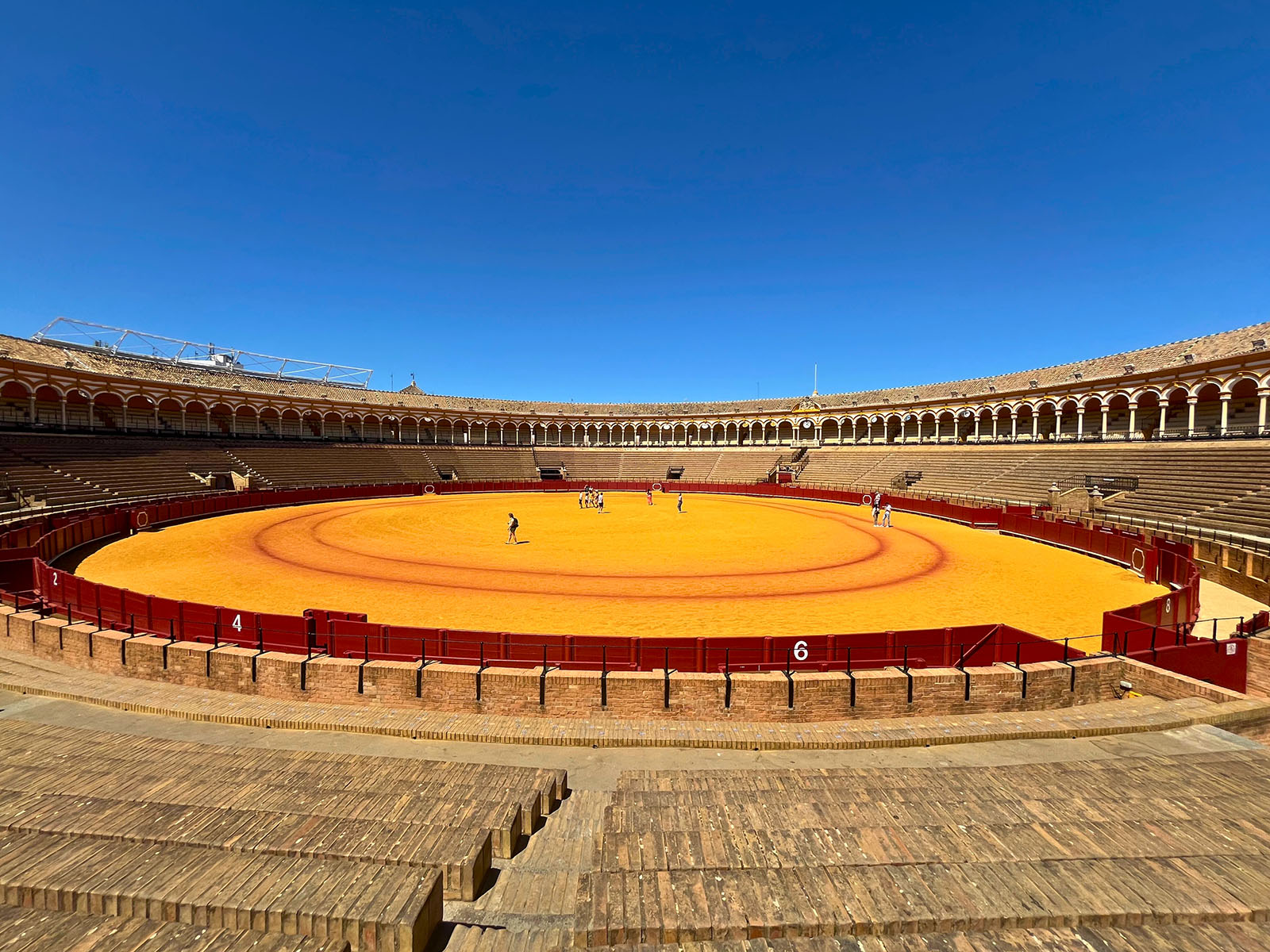
Plaza de Toros de la Maestranza: a visit and exploration of the Seville bullring
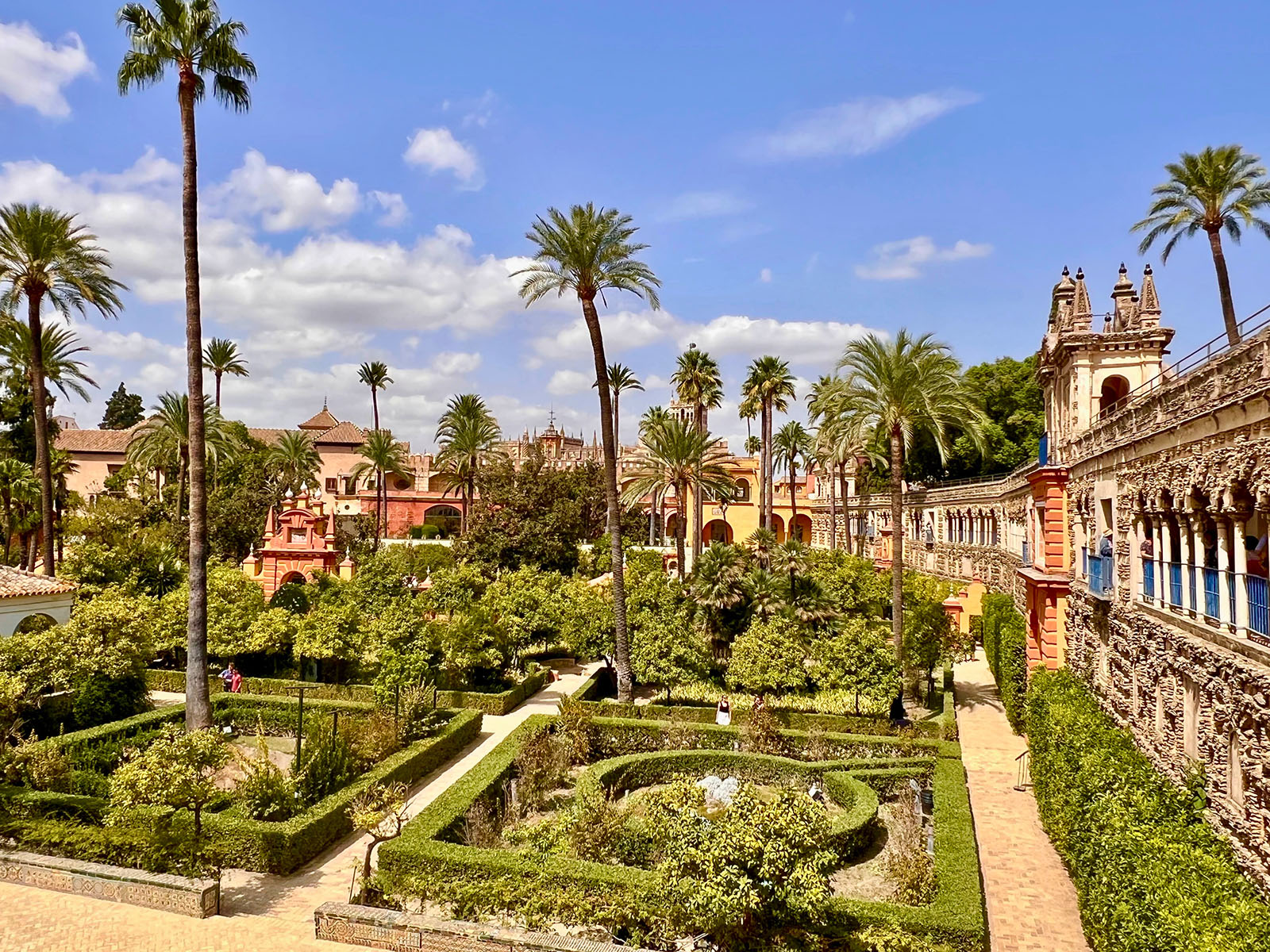
An unmissable experience at the Real Alcázar of Seville
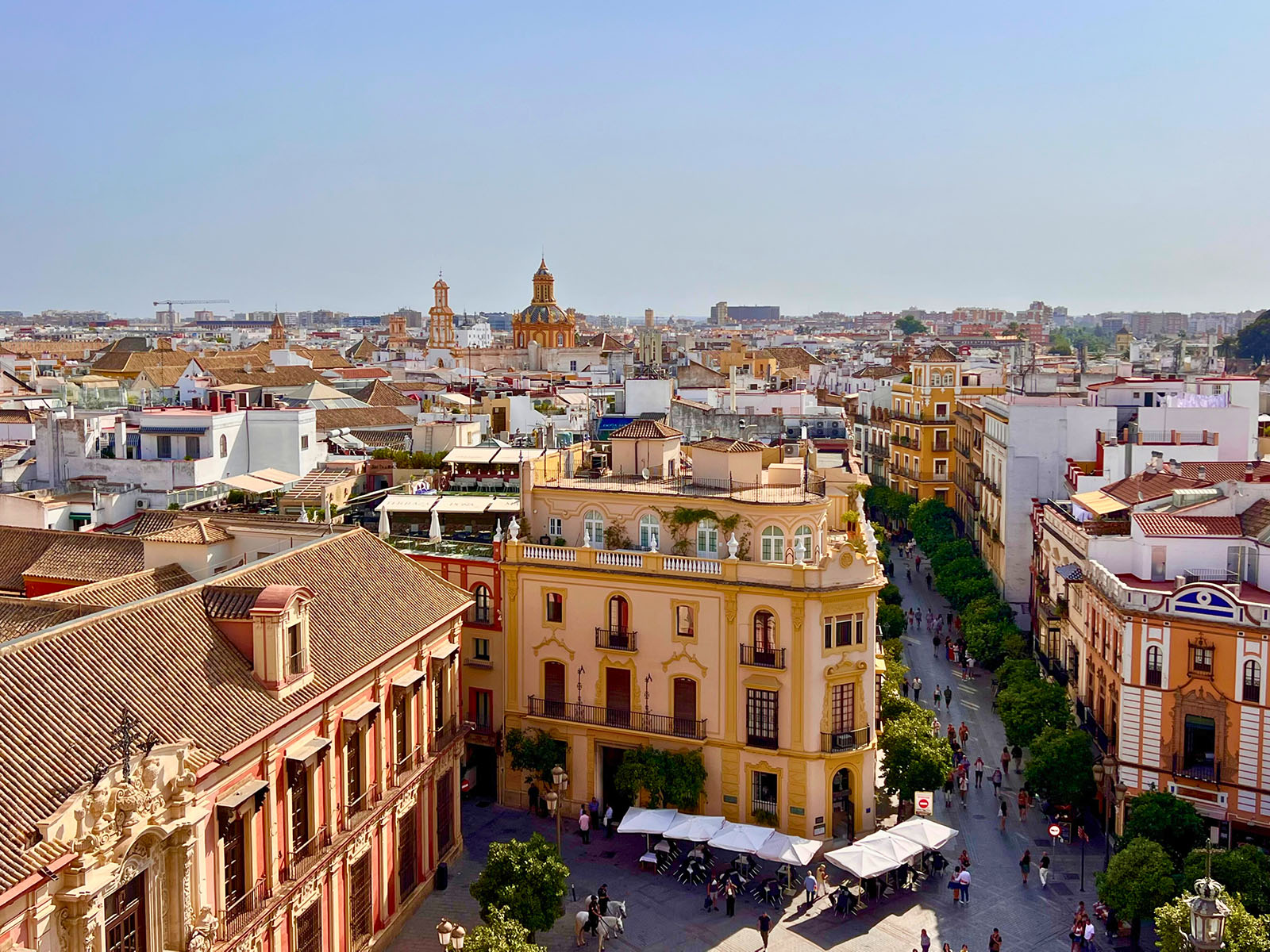
The most beautiful viewpoints of Seville
Discovering Seville Cathedral: history, treasures and practical information
Flamenco in Seville: from the museum to the tablao, it's just a short step
The best tapas bars in Seville
Take an eco-cruise in Seville on the Guadalquivir
The Triana market, a gourmet and authentic immersion in the heart of Seville
1,9 km
To discover around