- Home page
- Top experiences
- Not to be missed
- 20 unmissable experiences in and around Seville
- Not to be missed
- Top experiences
20 unmissable experiences in and around Seville
Seville unfolds in two parts. First, the city itself : its Andalusian patios, tapas shared at the bar, and its river ablaze with color at sunset. Then, all around, an Andalusia of a thousand faces : caliphate cities, perched white villages, breathtaking trails, and wetlands where the Iberian lynx roams. To help you plan your stay, the Seville City Guide has compiled 20 unmissable experiences to enjoy in the Andalusian capital and its surrounding areas.
We can assure you, you won't be bored!
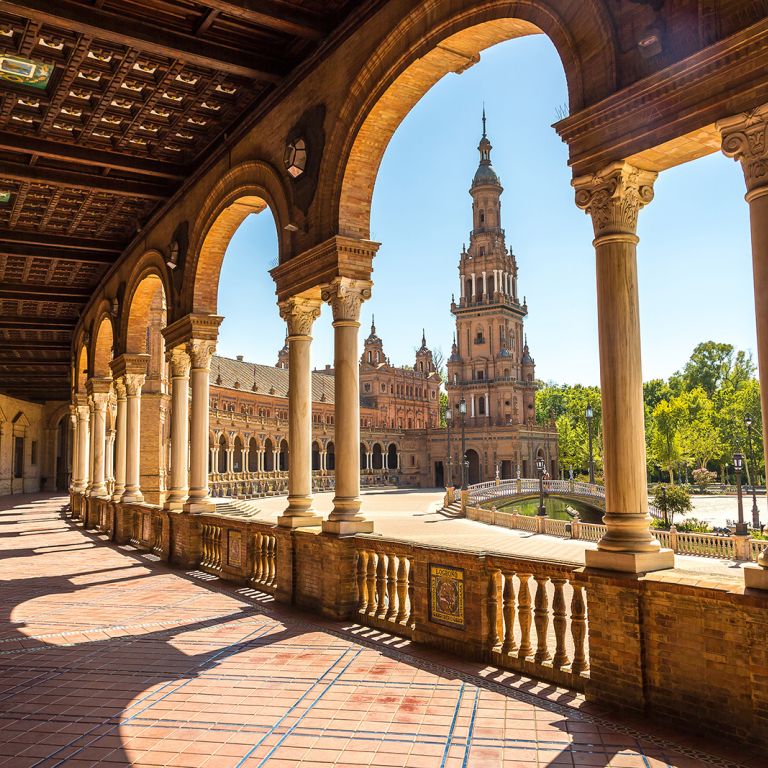
Cover photo: Plaza de España.
Top 20 things to do in and around Seville
13 must-see attractions in Seville
1. The Real Alcázar
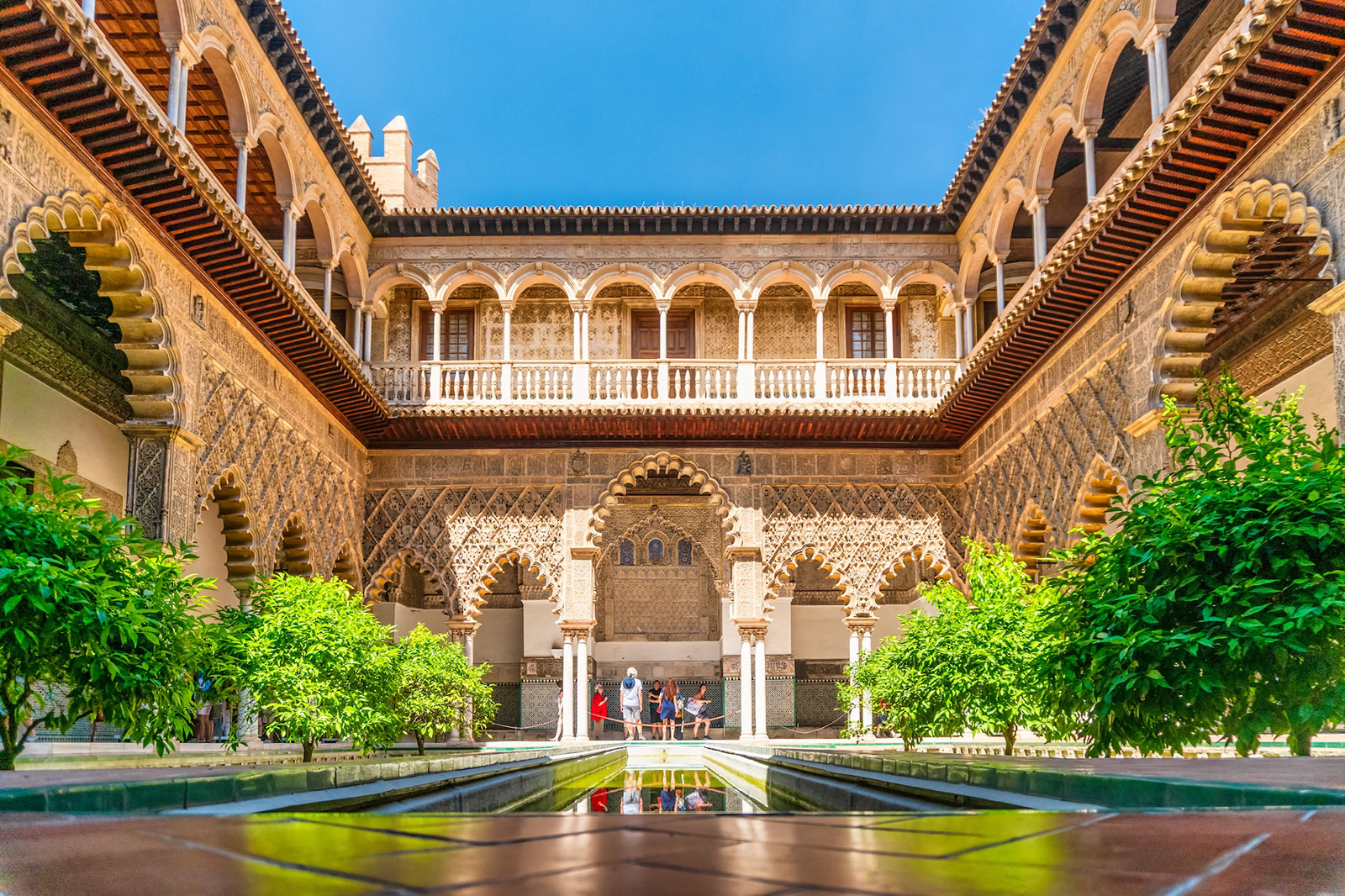
It is impossible to miss the Real Alcázar, a Mudéjar royal palace, one of the oldest royal palaces still in use in Europe, since part of it, the Cuartos Reales Altos, still serves as a residence for the Spanish royal family.
A UNESCO World Heritage Site, it boasts intricately carved patios, gardens fragrant with orange and myrtle trees, and ancient pools fed by an irrigation system inherited from the Almohads. It was here that Game of Thrones set up its cameras to portray the Water Gardens of Dorne and the residence of House Martell.
2. The Cathedral and the Giralda
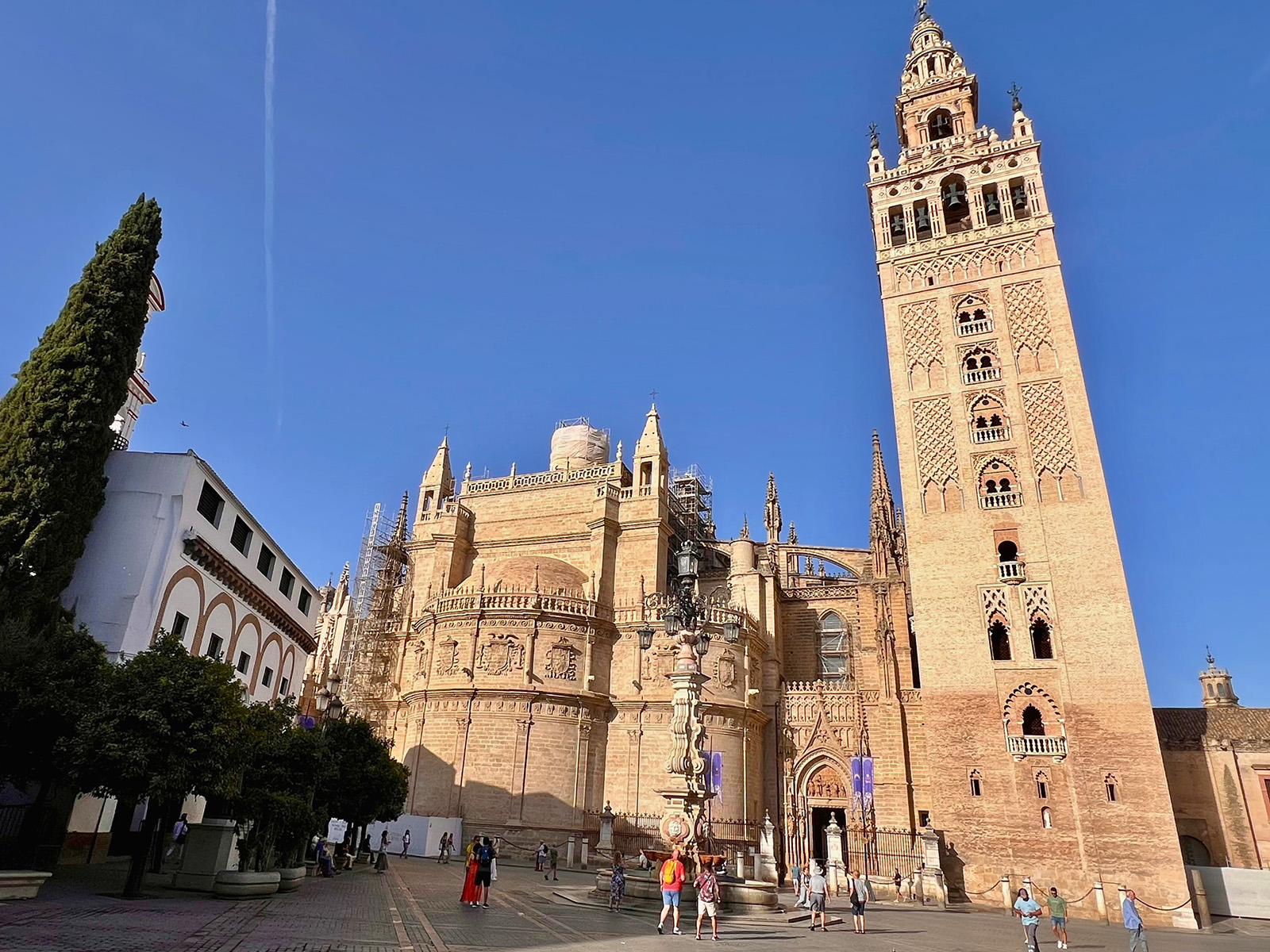
The world's largest Gothic cathedral was built on the site of the former Almohad Great Mosque, of which two major remnants remain: the Giralda, a former minaret converted into a bell tower, and the Patio de los Naranjos ( Courtyard of the Orange Trees). Inside Seville Cathedral lies the presumed tomb of Christopher Columbus, a catafalque carried by four bronze heralds symbolizing the medieval kingdoms of Spain.
The Giralda is not climbed by steps, but by 35 inclined ramps, originally designed so that the muezzin could climb on horseback : the ascent, several tens of meters long, is rewarded by a 360° view of the red roofs of the city and the nearby Alcázar.
3. Plaza de España and María Luisa Park
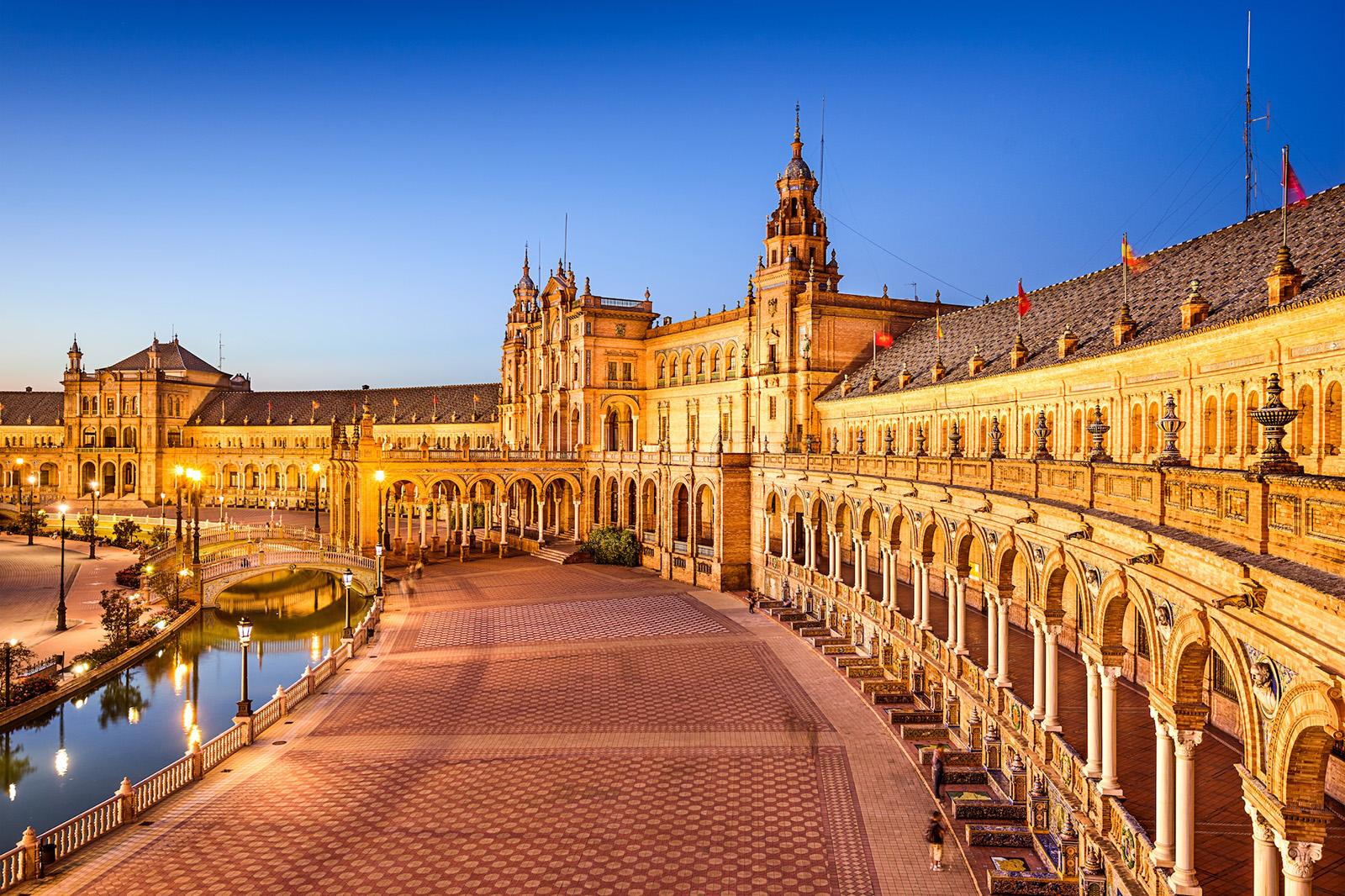
The Plaza de España is a monumental semicircle, built for the 1929 Ibero-American Exposition, surrounded by a canal navigable by boat and adorned with 48 azulejo benches, each representing one of the Spanish provinces. It notably served as a filming location for Star Wars : Episode II.
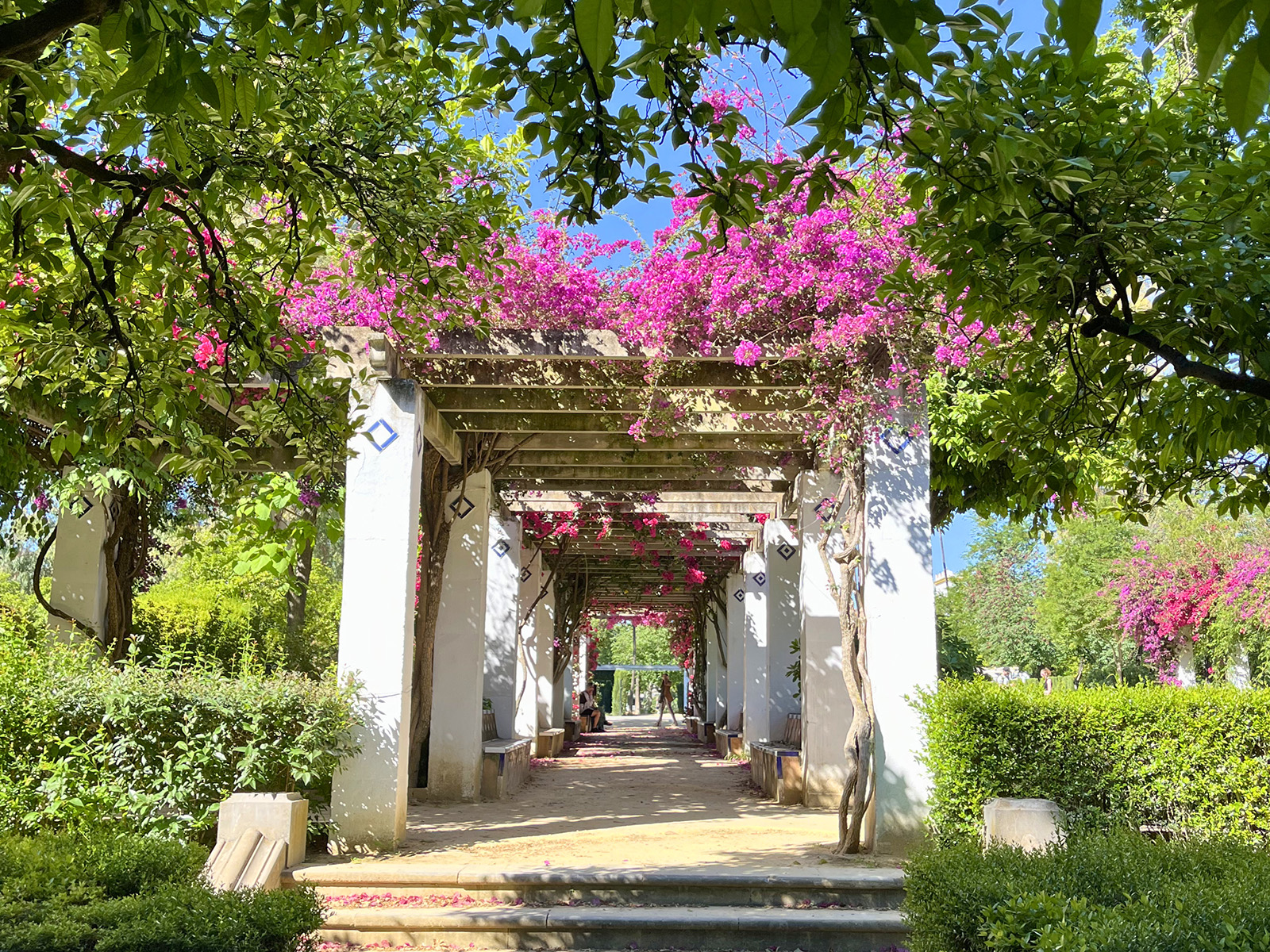
Right next door, the María Luisa Park, gifted to the city by María Luisa de Borbón and later redesigned by the French landscape architect Jean-Claude Nicolas Forestier, boasts Moorish fountains, ponds teeming with ducks and swans, and avenues lined with orange and palm trees. It's the perfect place for a stroll, a bike ride, or a horse-drawn carriage ride, away from the hustle and bustle of the historic center, and for observing Sevillians in their daily lives.
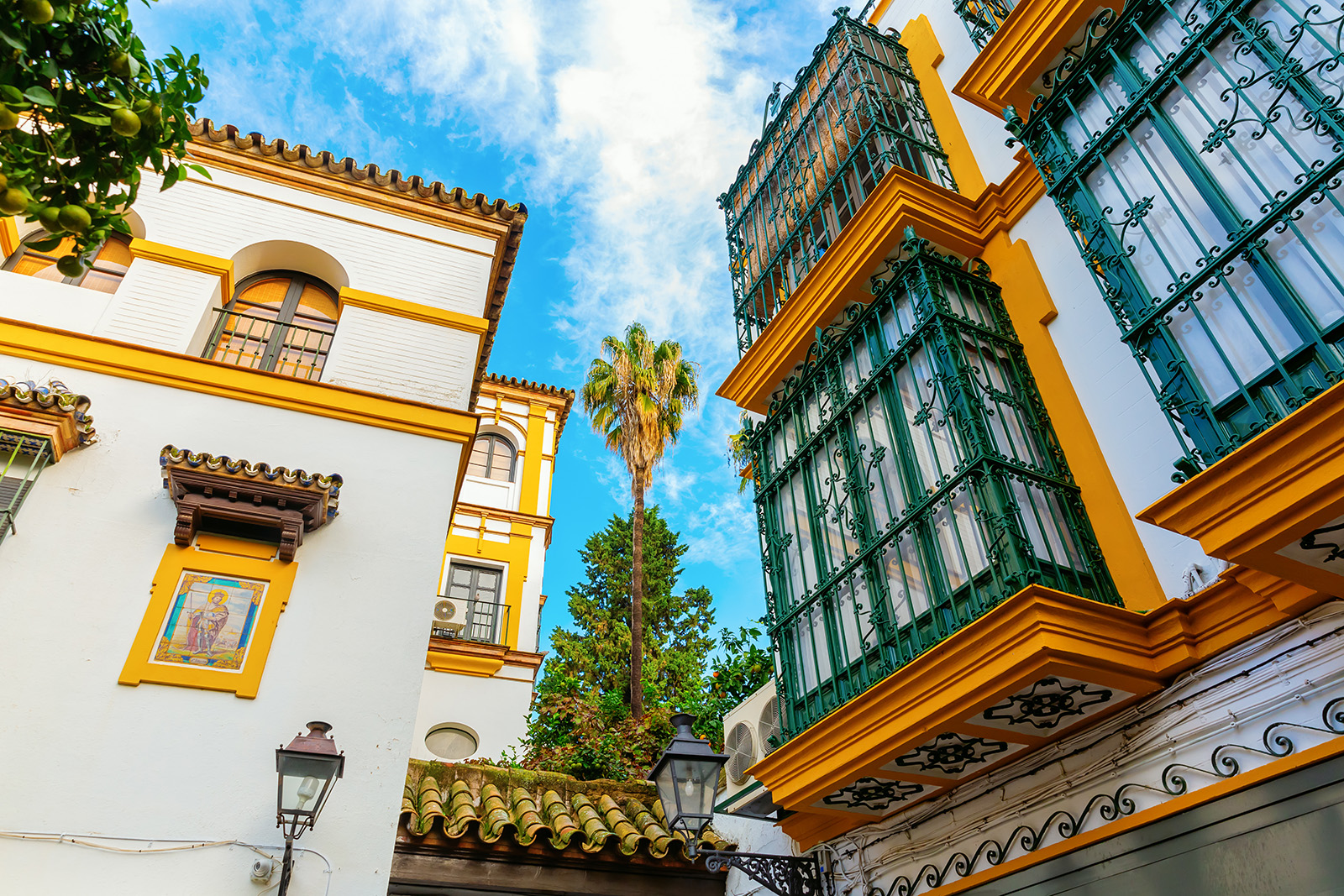
4. The Santa Cruz Barrio
The old Jewish quarter of Seville, the Santa Cruz district, laid out after the Reconquista in the 13th century, forms a maze of alleyways so narrow that the balconies seem to touch from one facade to the next. Flowery patios, vaulted passageways, and shaded squares, like the Plaza de Doña Elvira, create an intimate and romantic atmosphere, a world away from the hustle and bustle of the main avenues.
It is also here that Rosina's Balcony is hidden, on the Plaza de Alfaro, where legend places the scene imagined by Beaumarchais for The Barber of Seville.
Getting lost without a specific route, wandering aimlessly through the alleyways, remains the best way to feel the soul of this neighborhood.
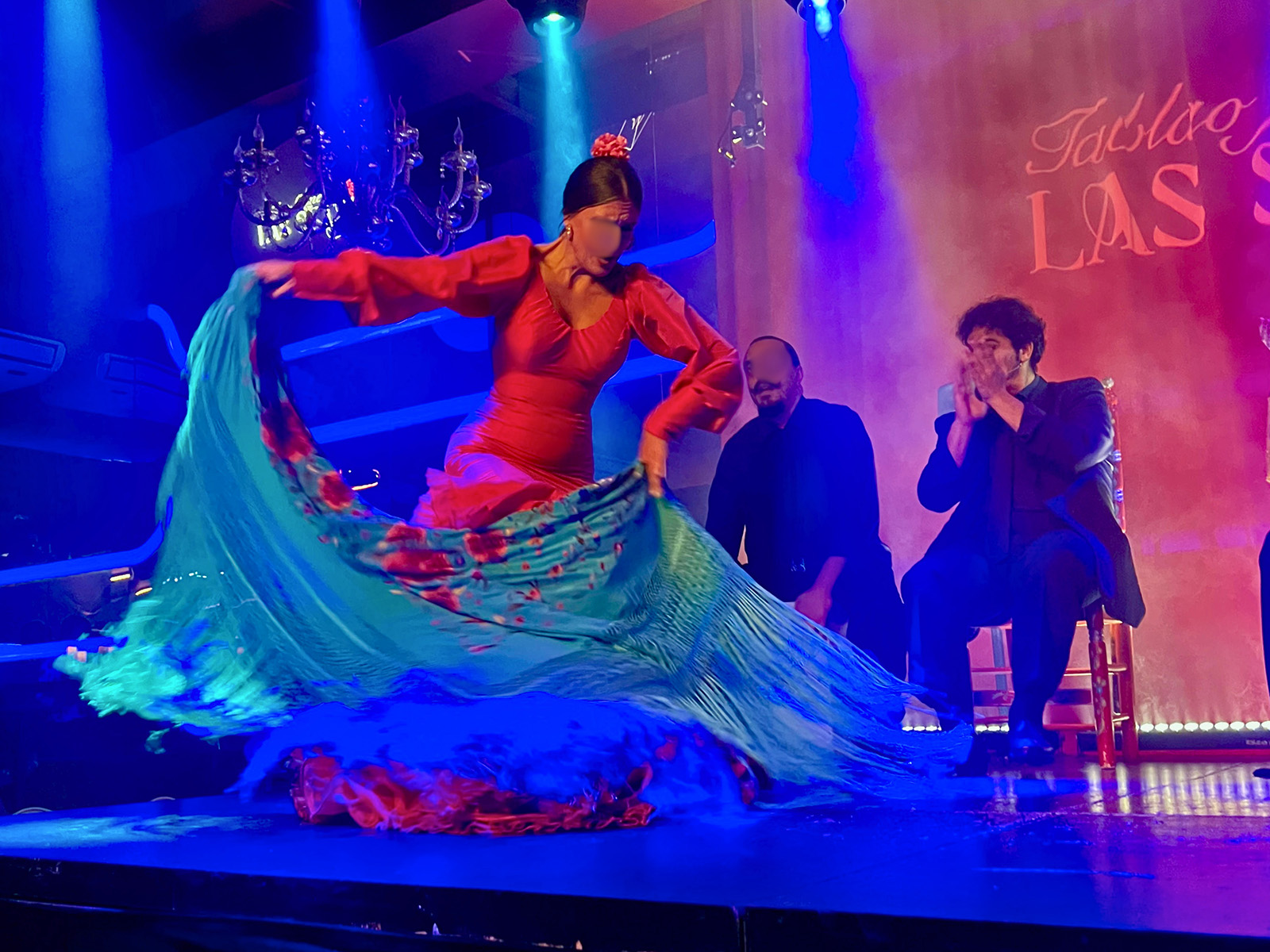
5. A flamenco show
Sevillian flamenco is best experienced by combining a visit to the Museo del Baile Flamenco, in the Santa Cruz district, with a performance at a tablao. The museum, spread across several rooms, traces the origins of this art form, the seven main palos (styles), and the evolution of the dance through costumes and eras. This contextualization radically changes the perception of the performance that follows: one then understands what joy, pain, or solitude conveys in each arm movement, each zapateado. In an intimate tablao, without microphones, the proximity to the artists makes the experience almost physical —Sevillians speak of " duende," this raw emotional force unique to flamenco experienced live.
6. A tapas bar tour
Seville claims to be the world capital of tapas, and moving from bar to bar is an integral part of the experience: you order a drink and one or two tapas, standing at the counter, before moving on to the next place.
Among the must-try culinary delights :
- Salmorejo, a cold soup made with bread, tomato and garlic, is often cited as the best in the city in some historic bars.
- Pringá, shredded stewed meat;
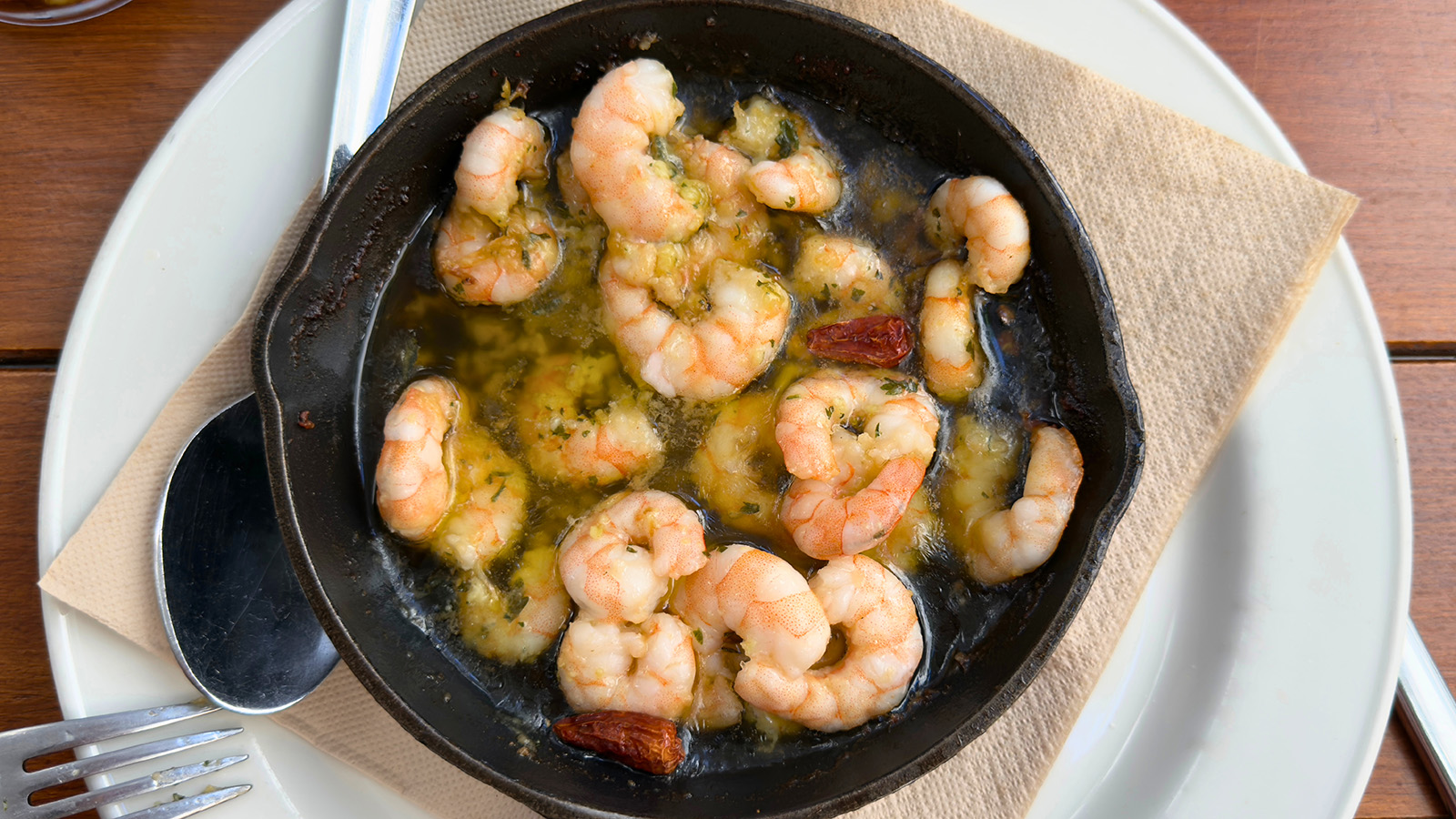
- Prawns with garlic.
The Triana and Santa Cruz districts concentrate the most typical addresses, while other more contemporary bars, near the Metropol Parasol, offer revisited and more creative cuisine.

7. The Triana Market
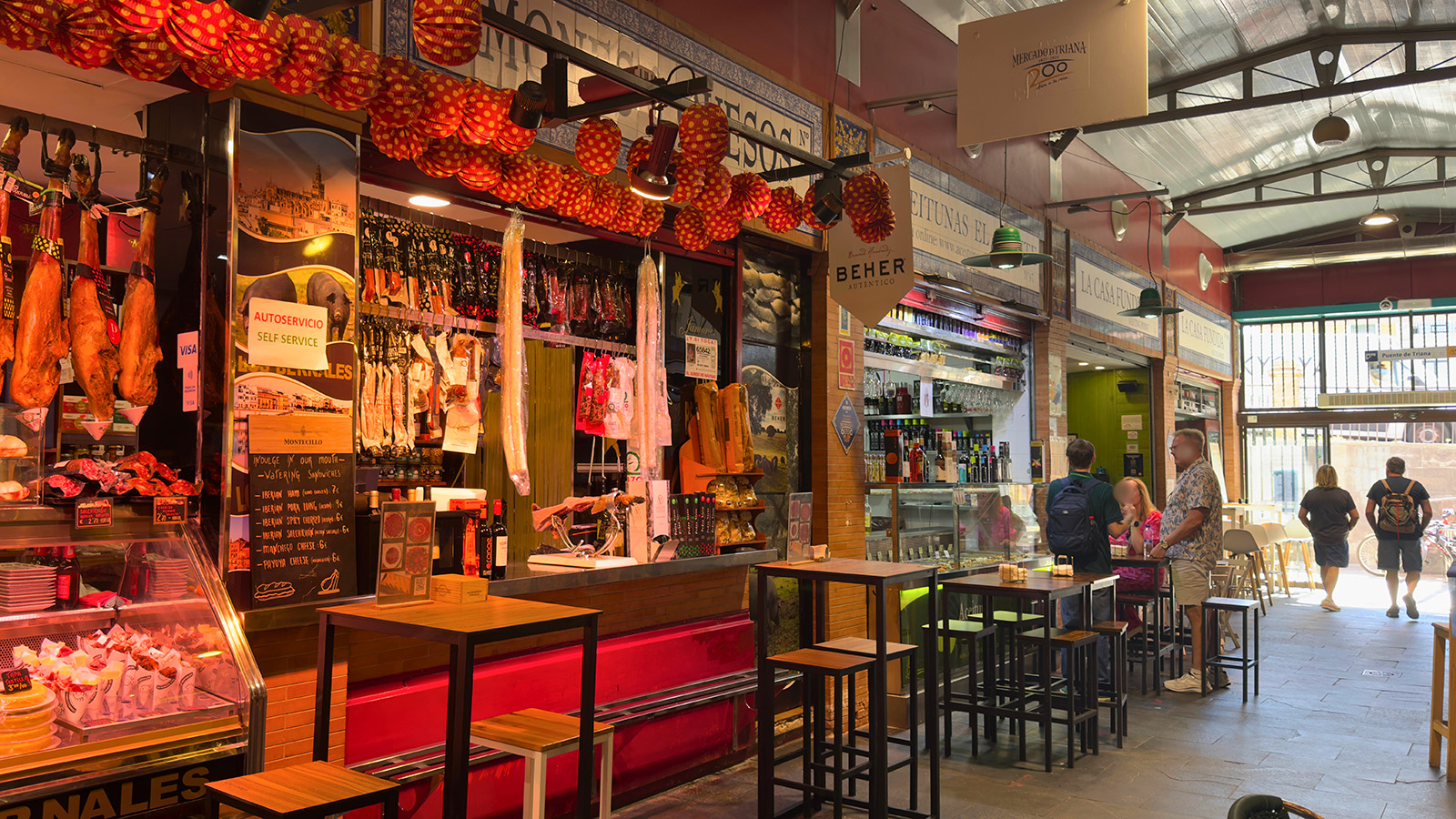
Built on the ruins of San Jorge Castle, the seat of the infamous Spanish Inquisition from 1481 to 1785 (a small, free exhibition beneath the market recounts its history), the Triana Market is much more than just a place to shop. Seasonal fruits and vegetables, impeccably fresh fish and seafood, hand-carved Iberian ham: each stall reflects the vibrant spirit of the Triana neighborhood, the birthplace of flamenco and Sevillian ceramics. Small bars integrated into the market offer a place to sit and enjoy montaditos and patatas bravas in a convivial atmosphere.
8. The Setas of Seville
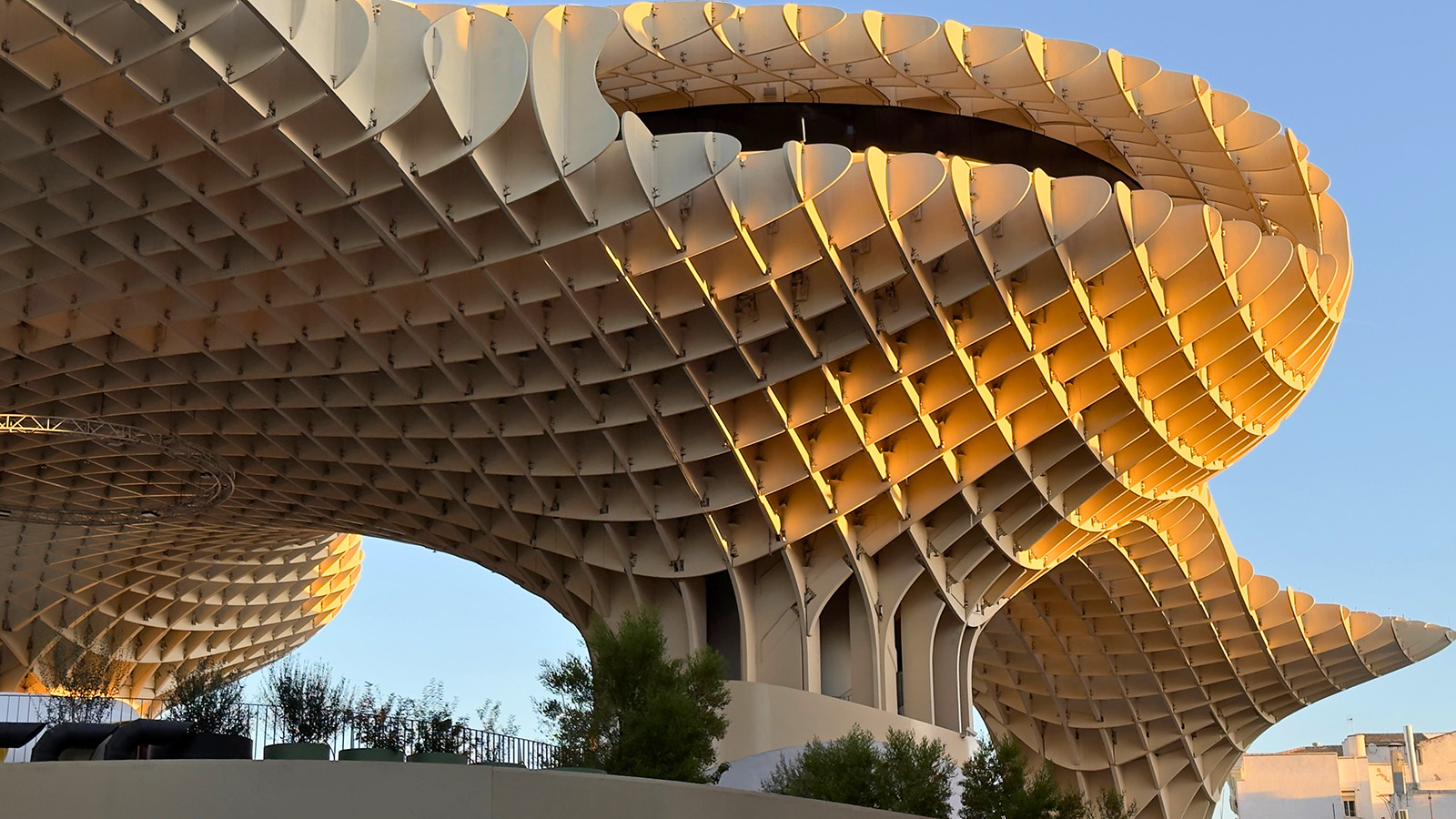
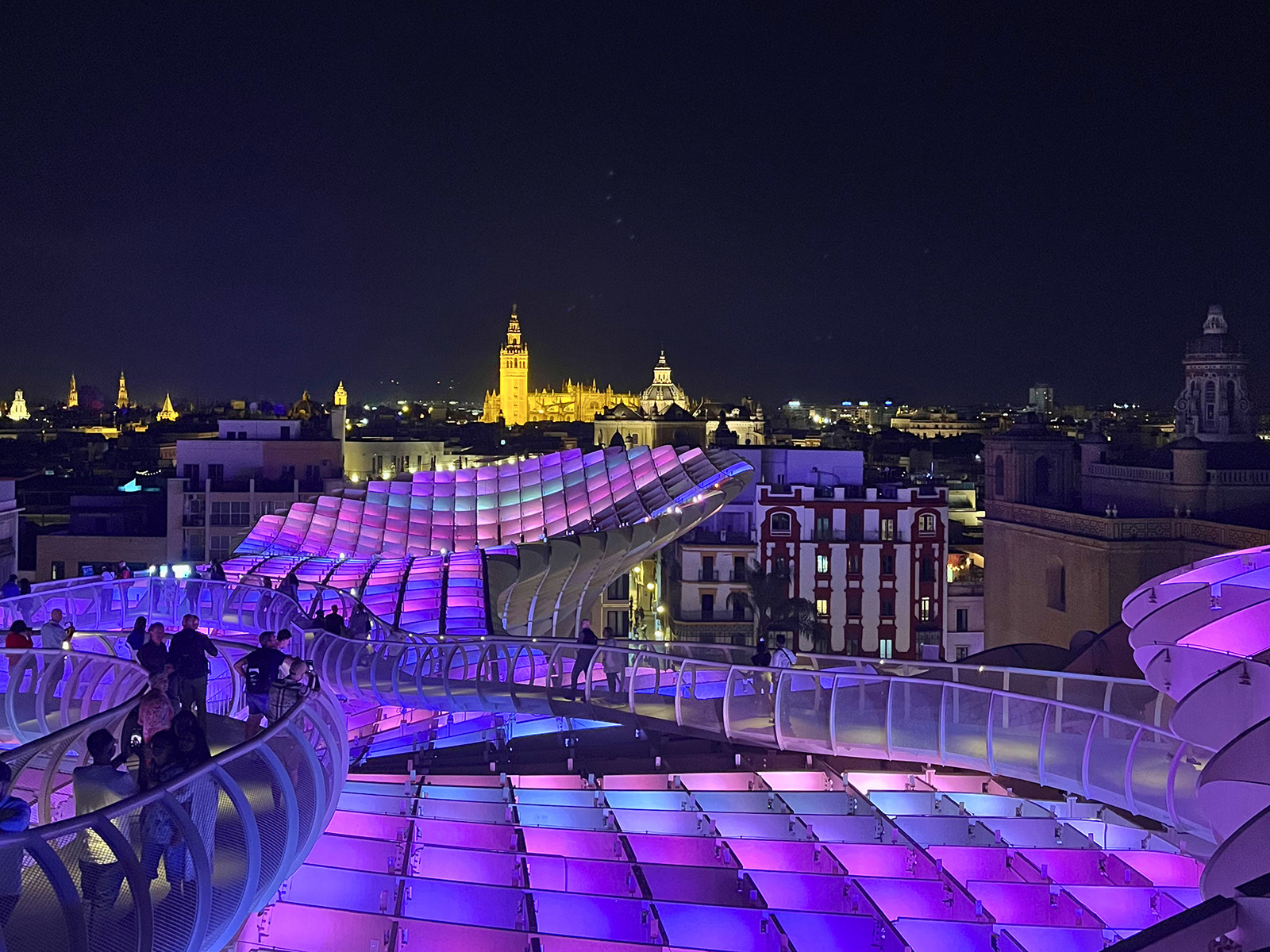
Nicknamed "Las Setas" (the mushrooms) because of its distinctive silhouette, the Metropol Parasol is the world's largest wooden structure and dominates the Plaza de la Encarnación with its futuristic curves. A winding walkway allows visitors to stroll high above the rooftops of the historic center, offering a unique panoramic view of the city.
9. Must-see museums
Seville boasts a wealth of museum offerings, often accessible without breaking the bank.
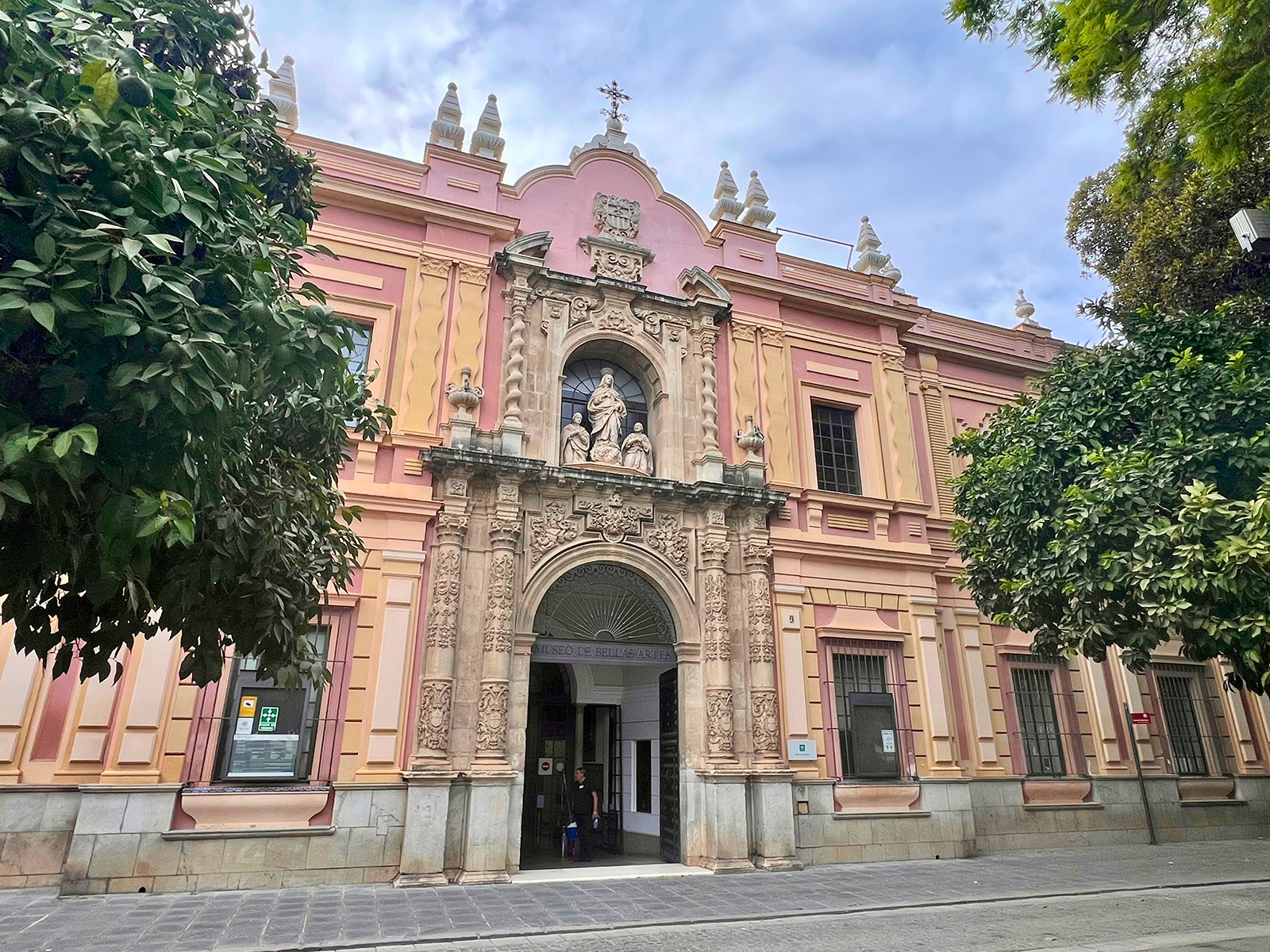
- The Museum of Fine Arts, the second largest art gallery in Spain after the Prado, housed in a former convent, presents an exceptional collection of Sevillian Baroque paintings by Murillo, Zurbarán and Valdés Leal.
- The Antiquarium, an underground archaeological museum nestled beneath the Metropol Parasol, unveils Roman and Moorish remains discovered during the construction of the building.
- The Centro Andaluz de Arte Contemporáneo, housed in the former Cartuja monastery where Christopher Columbus stayed, offers a striking contrast between historical architecture and contemporary art. Most of these museums are free for citizens of the European Union.
10. An eco-cruise on the Guadalquivir
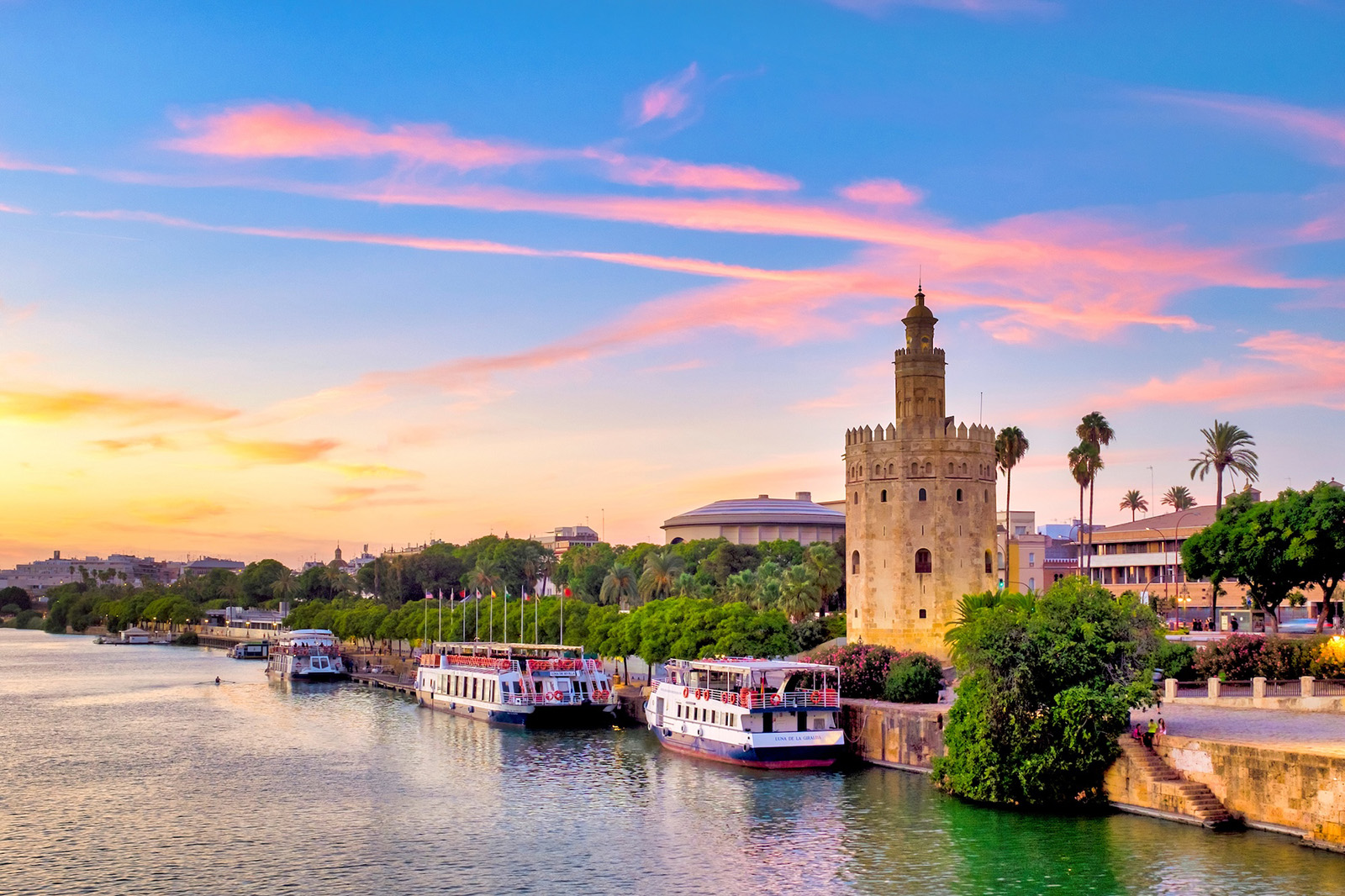
Embarking at the Muelle de Nueva York dock, not far from the Torre del Oro, for an hour's sailing on a silent and environmentally friendly boat provides a unique perspective on the city.
The boat glides past the Real Maestranza bullring, passes close to the Nao Victoria and Exploraterra, while the Giralda comes into view in the distance. Audio commentary, usually available in French, Spanish, and English, recounts the history of the Guadalquivir River and its vital role in trade with the Americas. This cruise is particularly recommended at the end of the day: the sunset, which gradually paints the sky yellow, orange, and then purple, transforms the trip into a truly magical experience.
11. The Bullring Square of the Maestranza
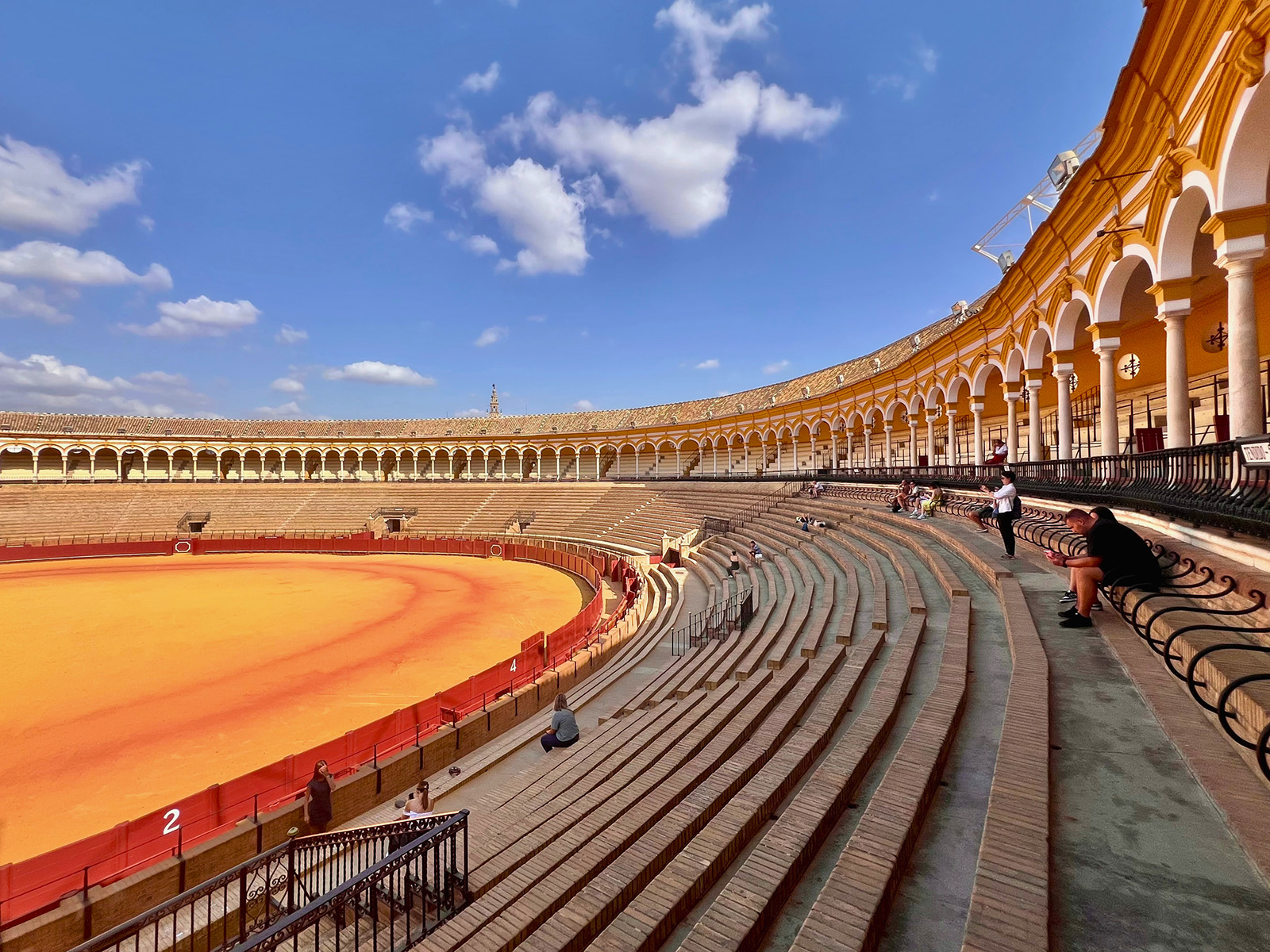
The Plaza de Toros, a Baroque bullring painted in ochre and white, was begun in 1761 and its construction, which spanned over 120 years due to numerous interruptions, is among the oldest and most famous in Spain. Its slightly oval shape distinguishes it from other bullrings in the country. Beyond the bullfights, particularly those of the Feria de Abril, a visit includes a museum that traces the history of Andalusian bullfighting through costumes, posters, and historical artifacts. It's a cultural experience that allows visitors to understand this tradition without necessarily attending a performance.
12. The Seville Aquarium
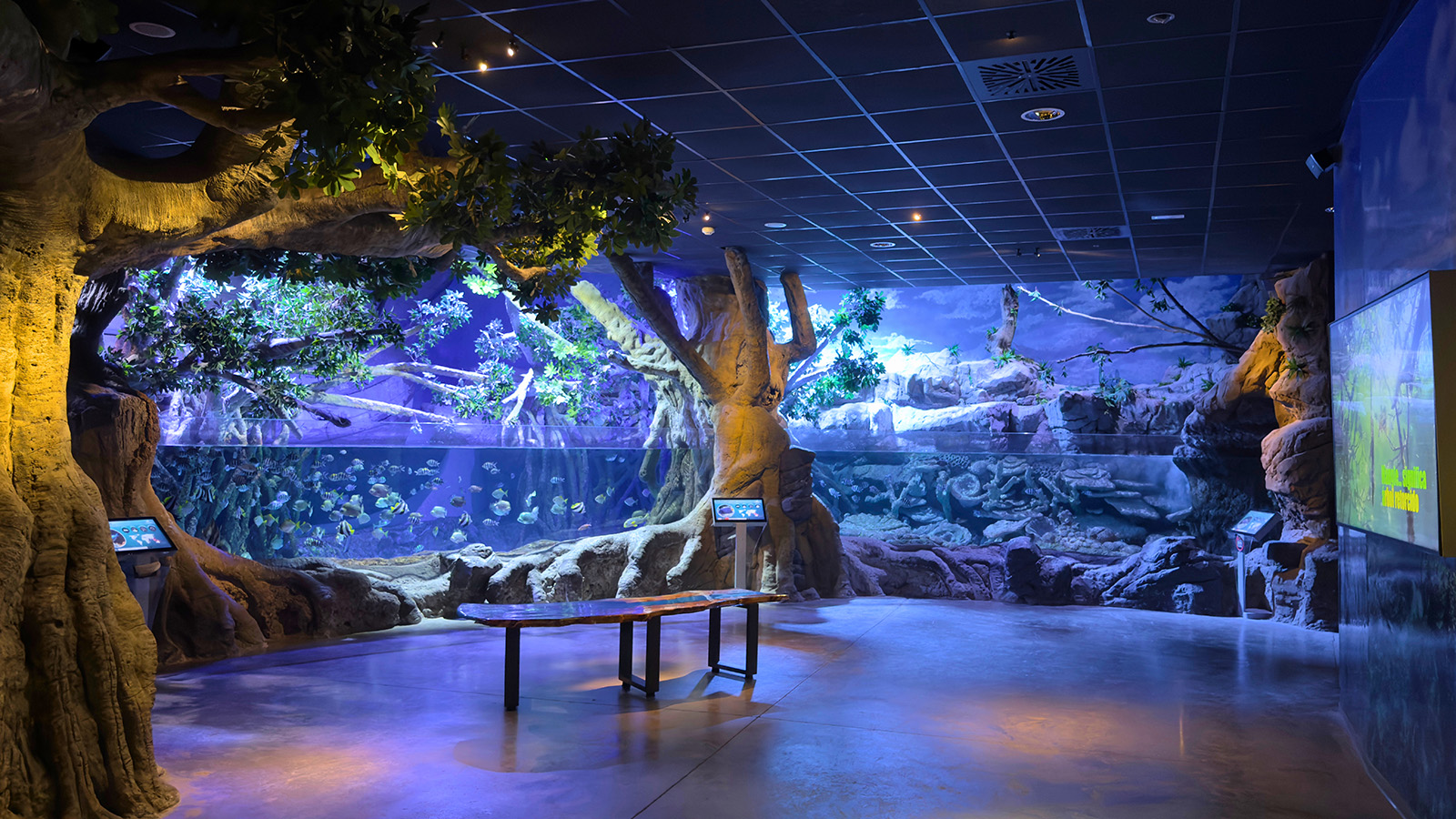
Following in the footsteps of explorer Magellan, the Seville Aquarium offers an hour-long visit through the various marine ecosystems the navigator encountered during his circumnavigation of the globe. With a suspended whale skeleton, tropical fish, sharks, and rays, it's a refreshing break, especially appreciated by families and on the hottest days when outdoor activities become difficult. The aquarium is located in the southern district of the city, slightly removed from the historic center, making it easy to combine the visit with a stroll through the surrounding neighborhood.
13. Shopping on Calle Sierpes and Calle Tetuán
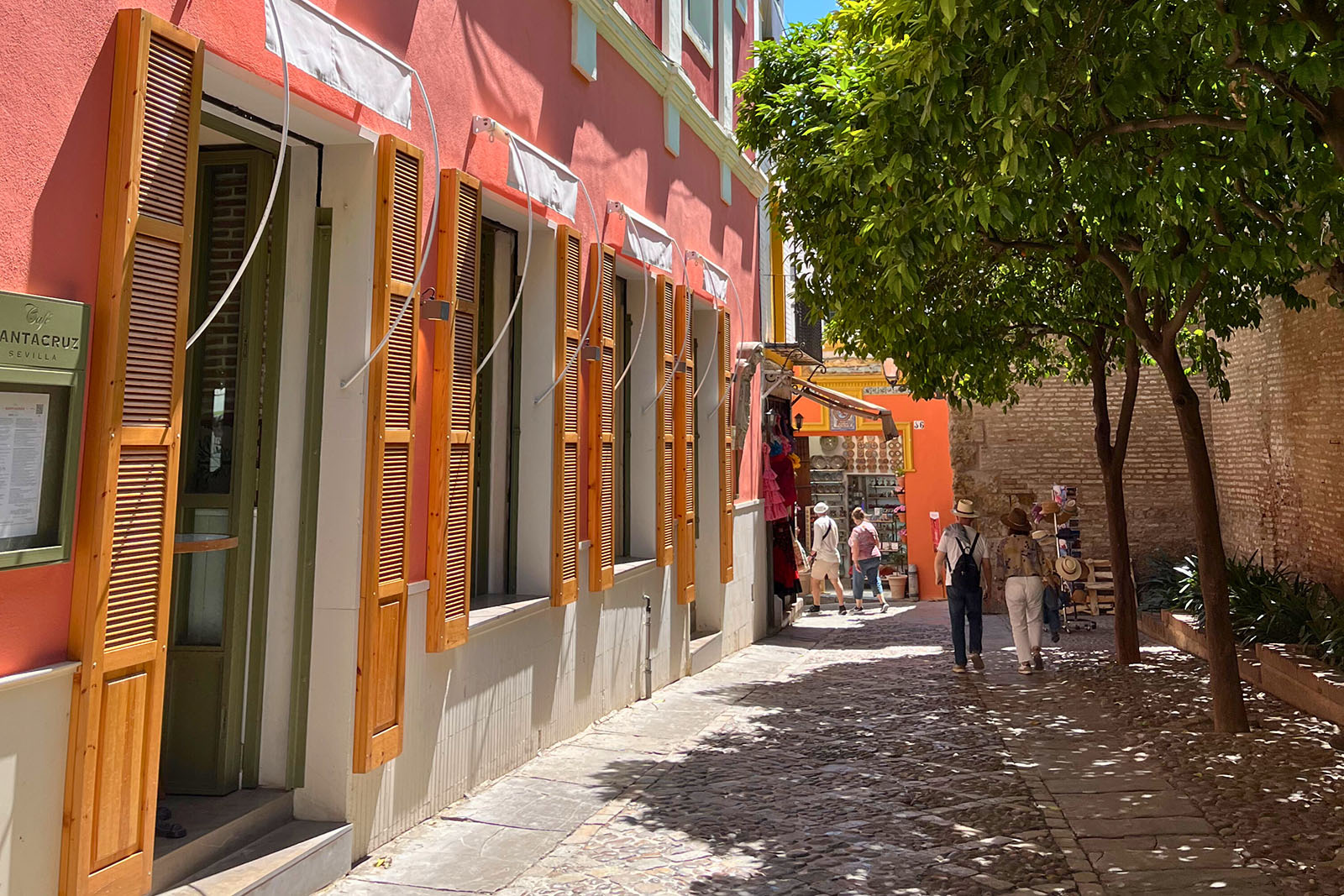
These two parallel pedestrian streets, which run from Plaza Nueva to Plaza del Duque via Plaza de la Magdalena, concentrate the heart of Seville's shopping : local and international fashion boutiques, ceramic workshops, and shops specializing in flamenco costumes and accessories (dresses, fans, high heels). El Corte Inglés, the iconic Spanish department store, has a must-visit location here for anyone looking for a wide selection under one roof. It's also in this area that you'll find the best places to buy an azulejo tile or a piece of handcrafted ceramic, a quintessential Sevillian souvenir.
Chapel of San José
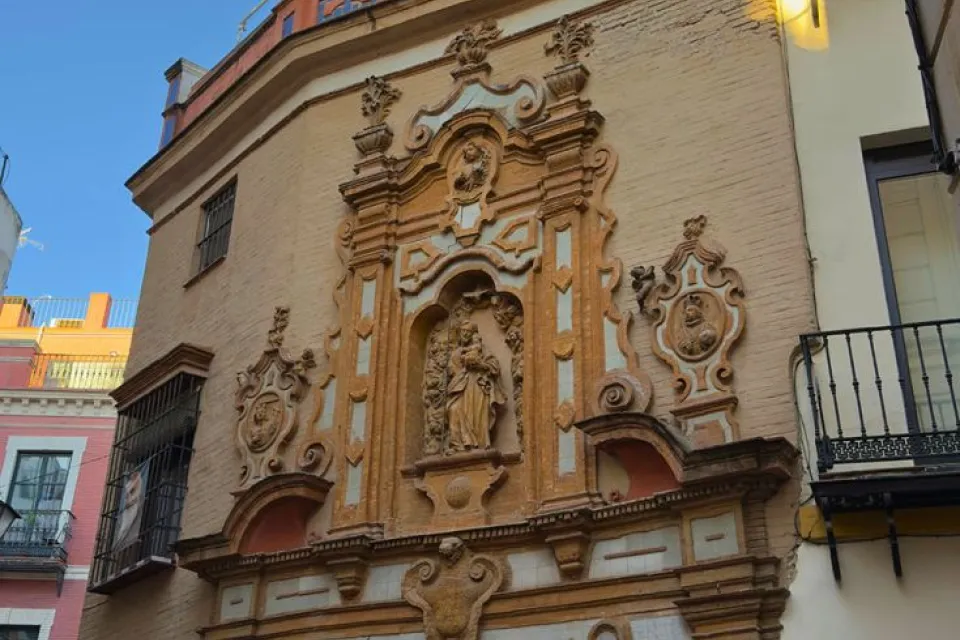
The carpenters' golden treasure chest
65 m
Church of the Divine Savior
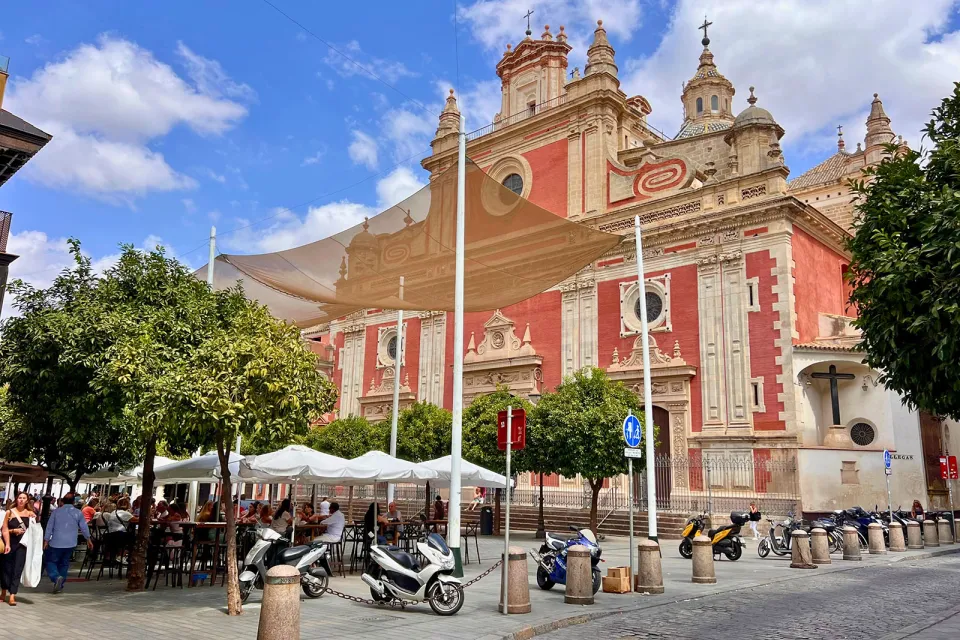
Beating heart of Plaza del Salvador
109 m
Mairie de Séville
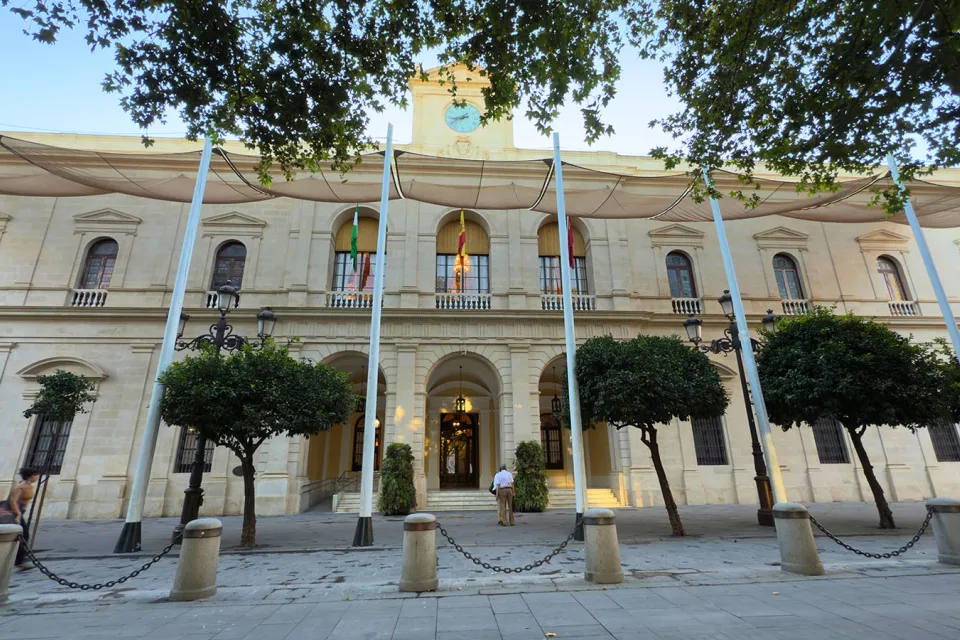
The institutional heart of the city
120 m
Around Seville: 7 unforgettable excursions
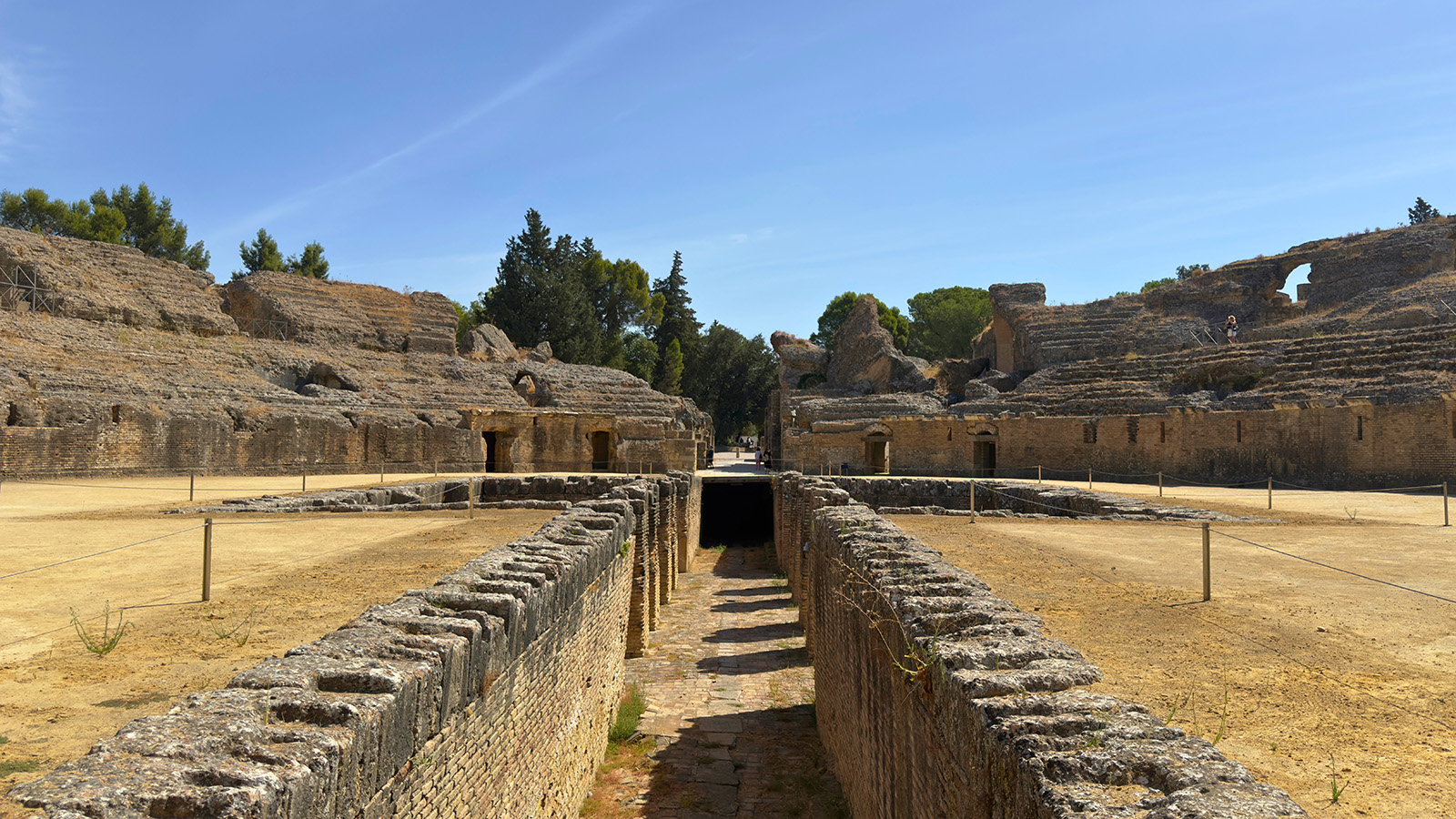
14. Italica, the city of the Roman emperors
Just half an hour from Seville 's city center, in the municipality of Santiponce, lies Italica, the first Roman city founded in Hispania and birthplace of Emperors Trajan and Hadrian. The interpretation center at the site's entrance helps visitors grasp the historical significance of the place through informative panels and a few fragments of statues found on site. But it is the amphitheater, one of the largest in the Roman Empire, that is the highlight of the visit : standing in the arena or climbing onto the stands, one physically feels the weight of history, and immediately recognizes the setting that served as the Dragon Pit in King's Landing during seasons 7 and 8 of Game of Thrones. The contrast with the nearby Monastery of San Isidoro del Campo, silent and contemplative, completes this half-day excursion, making it a truly timeless interlude.
15. Cordoba, between mosque and cathedral
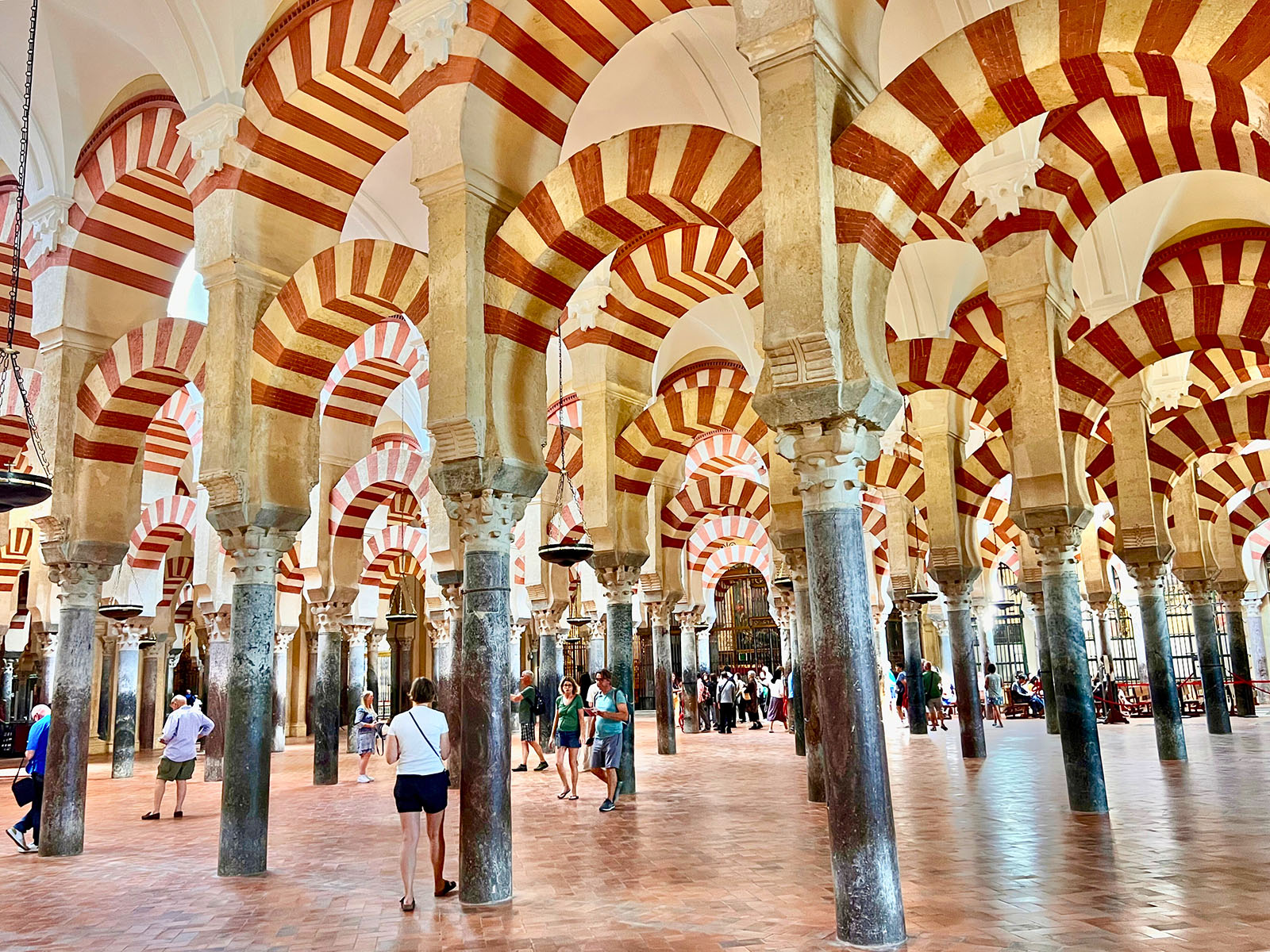
A 45-minute high-speed train ride (AVE or Avant) from Santa Justa station transports you to another era. Entering the Mosque-Cathedral of Cordoba means walking among hundreds of marble and jasper columns topped with double red and white arches, before unexpectedly discovering, around a corner, a Gothic nave at the very heart of the Islamic structure. The coexistence of these two civilizations under one roof is a unique example in the world and leaves a lasting, almost breathtaking impression.
Cordoba has the largest number of UNESCO World Heritage sites in the world for a single city: the historic center, the Mosque-Cathedral, the Alcázar de los Reyes Cristianos and the ancient Moorish city of Madinat al-Zahra.
16. Jerez de la Frontera, between sherry and horses
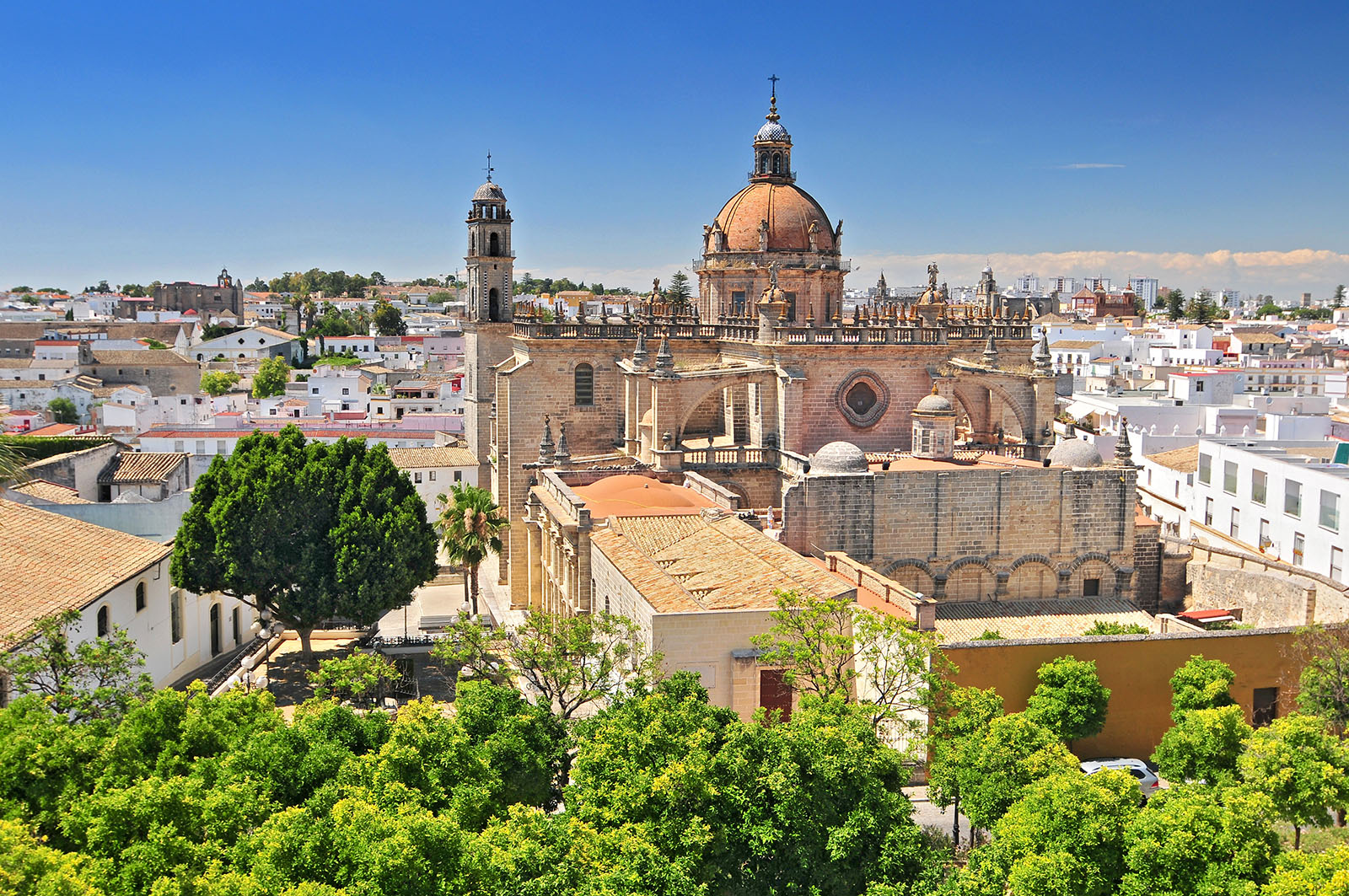
A 1 hour 15 minute train ride from Seville from Santa Justa, or 1 hour 30 minutes by bus from the Prado bus station in San Sebastián, Jerez is best savored at a leisurely pace. Its name, meaning "Jerez of the border," recalls its strategic position between the Christian kingdoms and the Moorish kingdoms of Granada during the Middle Ages.
A visit to a century-old bodega, where you can discover the traditional sherry-making process under cool, dark vaults, usually ends with a tasting. Nearby, an equestrian performance where Andalusian horses perform their routines to the rhythm of a flamenco guitar completes the experience. Here, you also sense a flamenco soul that is more rugged and less touristy than that of Seville, the city itself claiming a unique place in the history of this art form.
17. Ronda and its suspension bridge over the void
Allow approximately 1 hour 35 minutes to 1 hour 40 minutes by road and nearly 2 hours by direct bus from the Plaza de Armas bus station, where there are four daily departures, to reach the hilltop village of Ronda, in the province of Malaga.
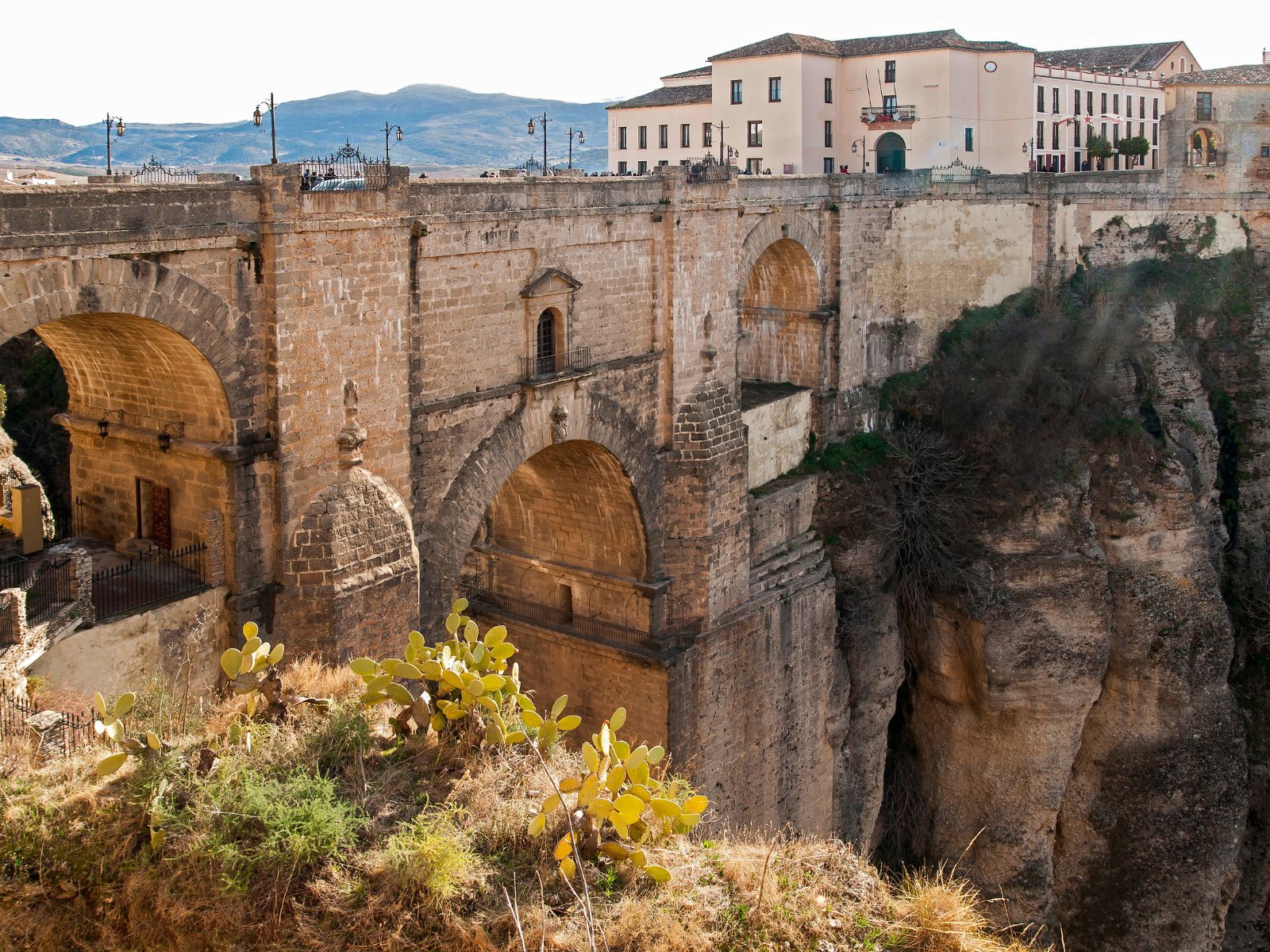
The Puente Nuevo, completed in the 18th century, spans a precipice some 100 meters deep, and crossing it for the first time leaves your legs a little shaky. La Ciudad, Ronda's old town, boasts picturesque alleyways, shops, and the Bandits Museum, dedicated to the history of Andalusian banditry. The late afternoon light, when the golden cliffs glow, is reason enough to make the trip, as is the discovery, along the way, of the rolling landscapes typical of the Andalusian hinterland.
18. Granada and the Alhambra
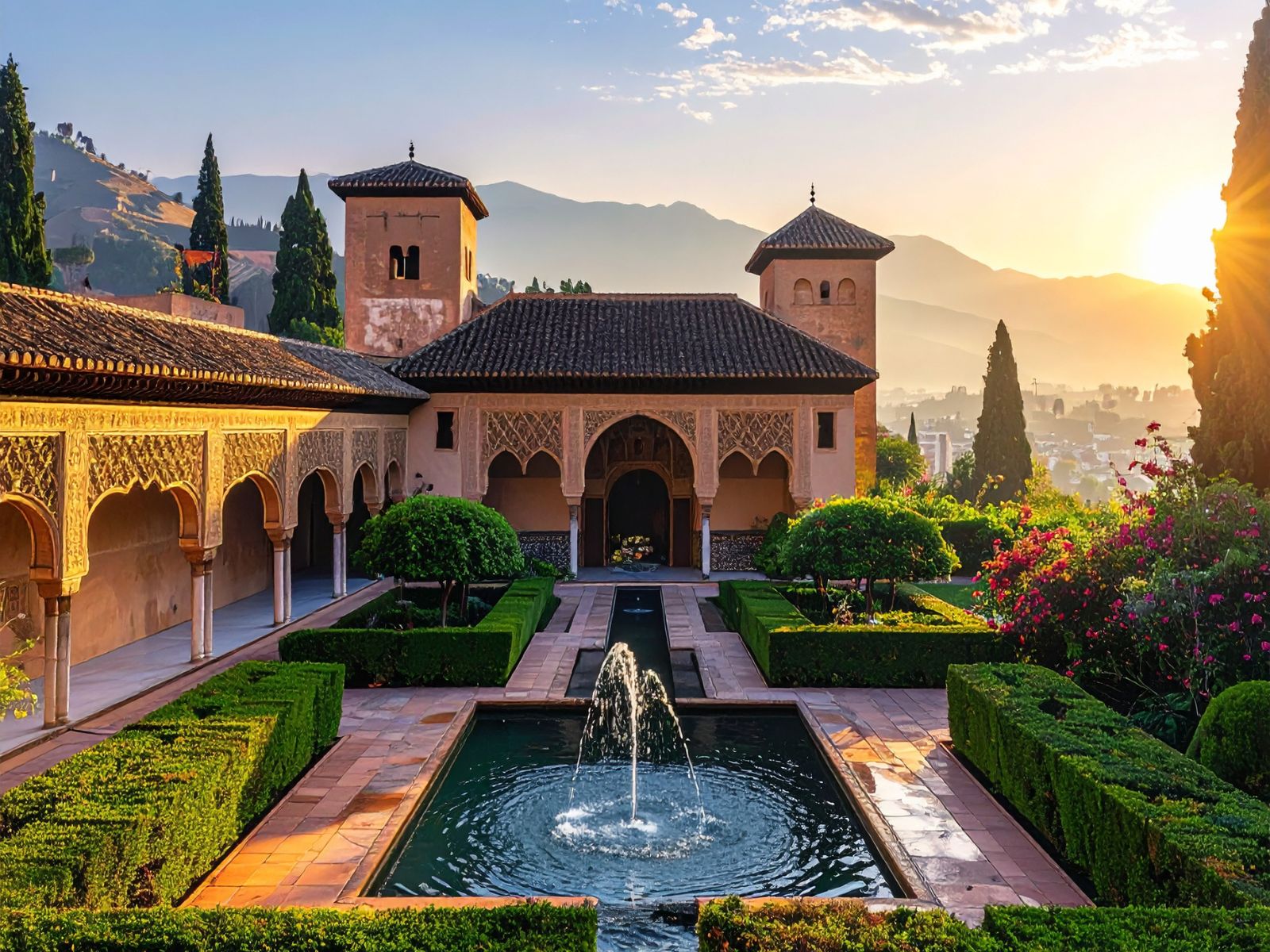
It's about a 2-hour and 45-minute drive from Seville to Granada, a city nestled against the Sierra Nevada mountains and its highest peak, Mulhacén. The Alhambra, a Nasrid fortress and palace built atop the city, requires booking several months in advance due to the limited number of entry slots: an essential detail to consider if this excursion is on your itinerary.
Once there, the succession of rooms with their finely crafted stucco work, the waterways, and the gardens of the Generalife, the adjoining summer palace, offers one of the pinnacles of Islamic architecture in Europe. A stroll through the whitewashed streets of the Albaicín, the city's oldest quarter, facing the illuminated Alhambra at nightfall, perfectly complements the visit and remains one of the most memorable experiences of an Andalusian stay.
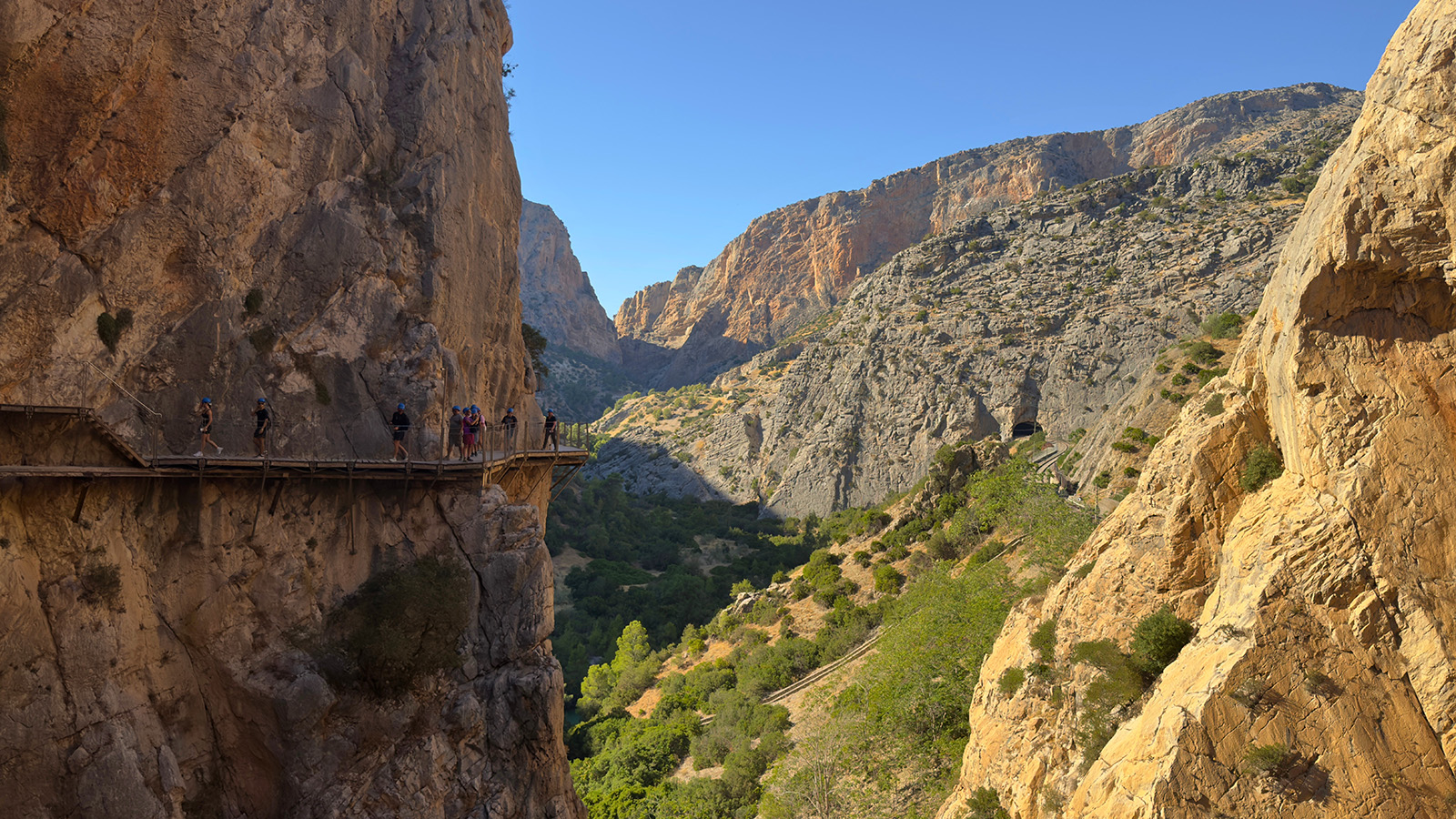
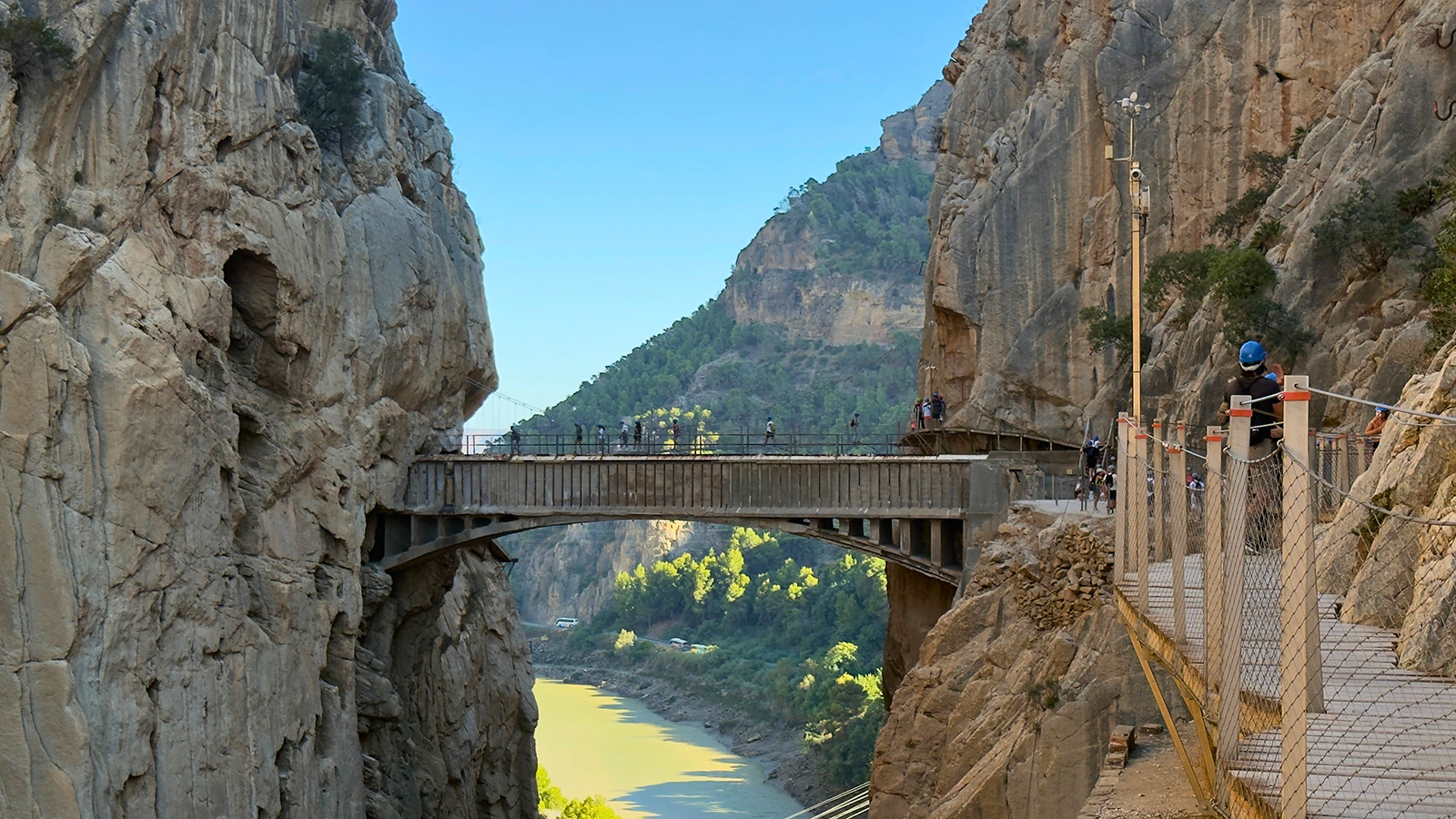
19. The Caminito del Rey, the most vertigo-inducing hike in Andalusia
Located approximately 150 to 160 km from Seville, or a 1 hour 50 minute to 2 hour drive depending on the starting point within the city, the Caminito del Rey is a suspended path about 100 meters above the Gaitanes Gorge. It takes 3 to 4 hours to hike, helmets are mandatory, and hikers can choose to go with or without a guide.
Built in the early 20th century to allow workers at a hydroelectric power station to move between two waterfalls, then closed for years after falling into disrepair, the trail reopened to the public in 2015 after a complete restoration. The most spectacular section remains the footbridge suspended directly on the vertical rock face.
20. Doñana National Park, kingdom of the Iberian lynx
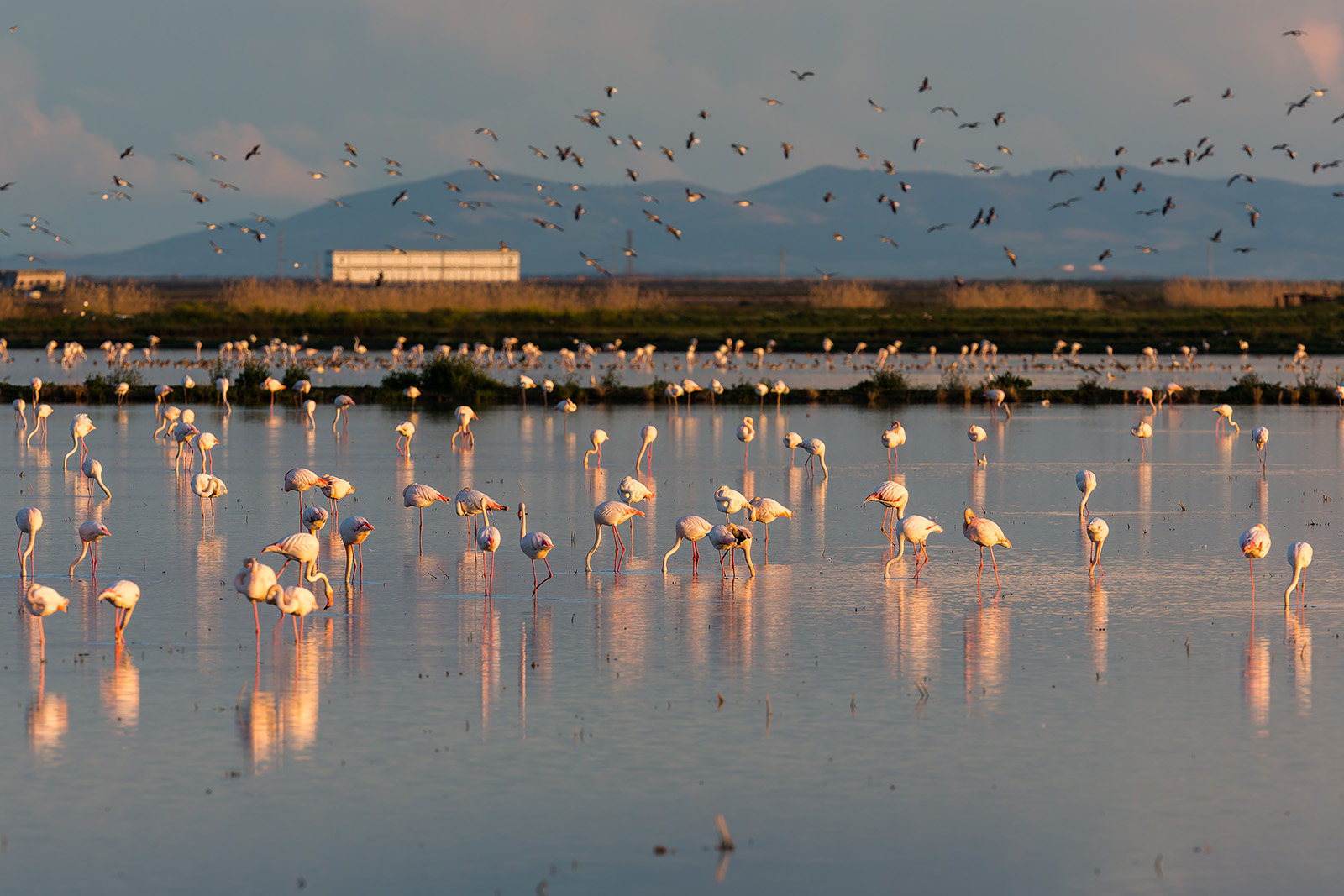
About an hour's drive from Seville, between the provinces of Huelva, Seville, and Cádiz, lies one of Europe's most important nature reserves, a designated biosphere reserve and UNESCO World Heritage Site: marshes, shifting dunes reaching up to 30 meters high, gallery forests, and over 30 kilometers of pristine beach, the longest in Spain. Only a guided 4x4 excursion provides access to the protected areas of Doñana National Park, home to the Spanish imperial eagle and the extremely rare Iberian lynx, as well as the marshes that shelter approximately 200,000 birds of over 300 different species each year, including the largest colony of white storks in Europe.
Passing through the village of El Rocío, with its sandy streets traversed by horses and known for its annual pilgrimage gathering more than a million faithful, as well as a stop at Matalascañas beach for a refreshing swim in season, ideally complete this day in the heart of Andalusian nature.
Did you like our article? Find more in the Top Experiences section.
We also have a Facebook page for the Seville City Guide and an Instagram account @seville_city_guide
Top experiences
20 unmissable experiences in and around Seville