- Home page
- Tourism
- Discover Séville
- Neighborhood by neighborhood
- The historic heart
- Neighborhood by neighborhood
- Discover Séville
- Tourism
Visit the historic heart of Seville
Automatic translation
The suitcases are unpacked, the adventure can begin! And what better place to start than in the historic heart of Seville? It's a treasure trove, a maze of cobbled streets where the influences of past civilizations— Roman, Muslim, Jewish, and Christian— mingle. It is here, in fact, that the heart of the Andalusian capital beats, a place where every stone tells a story and where iconic monuments stand as witnesses to a glorious past.
A UNESCO World Heritage Site, this iconic district (encompassing Santa Cruz, Arenal, and Alfalfa) reflects its central role, first under Islamic rule, then as a commercial gateway to the Spanish Empire after the discovery of the New World. The predominant style is a fascinating blend of Gothic, Renaissance, and especially Mudéjar art, an artistic symbiosis between Muslim and Christian cultures. Among the UNESCO-listed monuments are Seville Cathedral and its Giralda tower, the Alcázar, and the General Archive of the Indies.
The 10 unmissable experiences to have in the historic heart of Seville
- Immerse yourself in the Mudéjar splendor of the Patio de los Demoiselles in the Alcázar Gardens.
- Visit the largest Gothic cathedral in the world: Seville Cathedral.
- Enjoy the panoramic view of Seville from the Giralda.
- Taking a family stroll along the river on electric scooters.
- Setting off to conquer the New World at the General Archives of the Indies.
- Enjoy delicious tapas in the Alfafa district.
- Attend a flamenco show .
- Get lost in the old Jewish quarter and discover its secret patios.
- Crossing the Guadalquivir by electric boat.
- Admire the sunset over the rooftops of Seville.
Exploring the city center on foot: our itineraries so you don't miss a thing
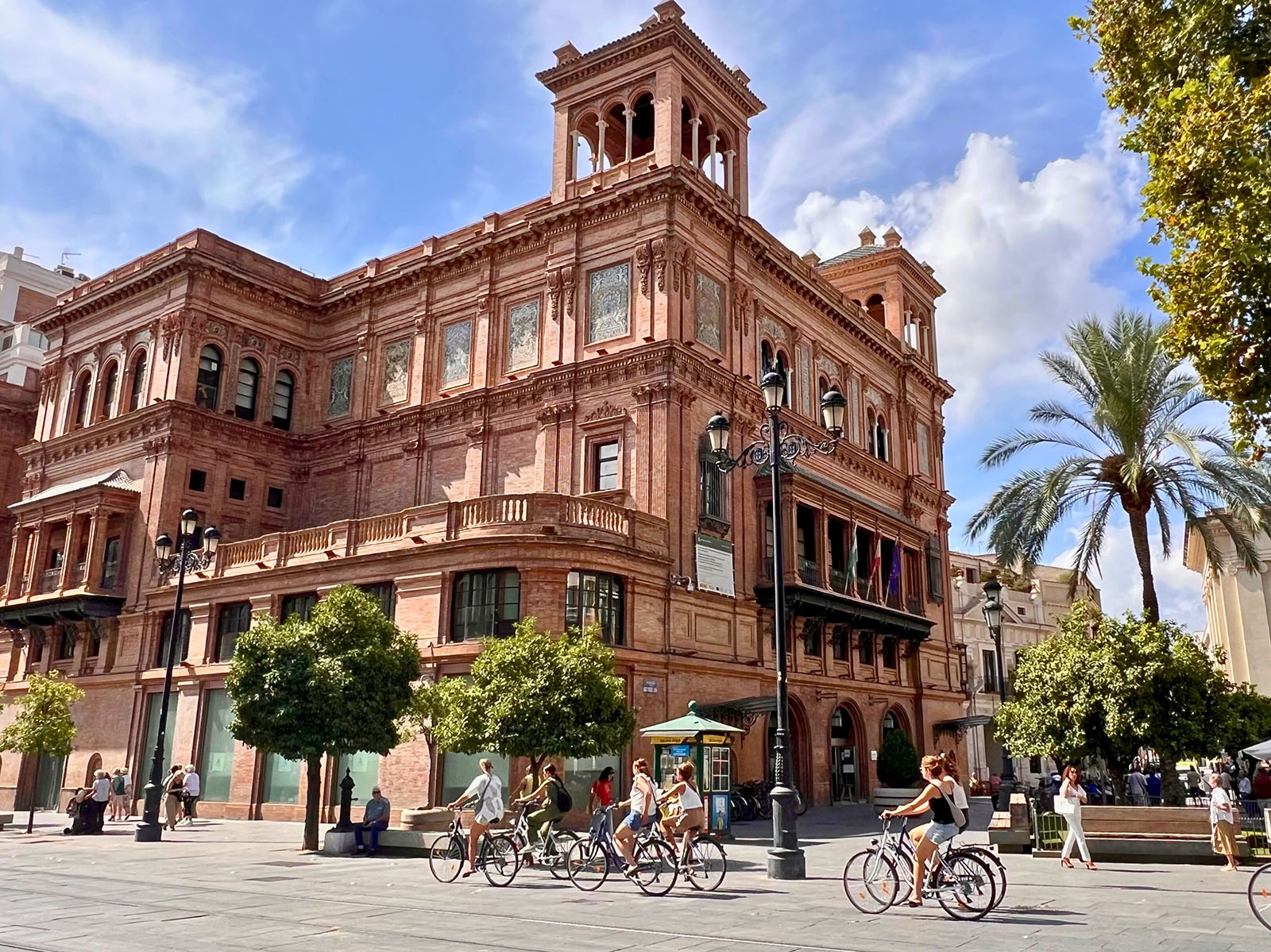
The Seville City Guide has decided to take you along on two unmissable itineraries. As you may already know, walking is the fastest and most convenient way to explore the city. For this reason, we're offering you 100% local itineraries for short explorations of Seville's historic center.
The south of the historic center
📍 Step 1: The Plaza del Triunfo
Start in the beating heart of Seville. This square is framed by three UNESCO World Heritage sites: the Cathedral, the Alcázar, and the General Archive of the Indies. It's the perfect place to soak up the city's historical grandeur.
📍 Step 2: The Patio de Banderas
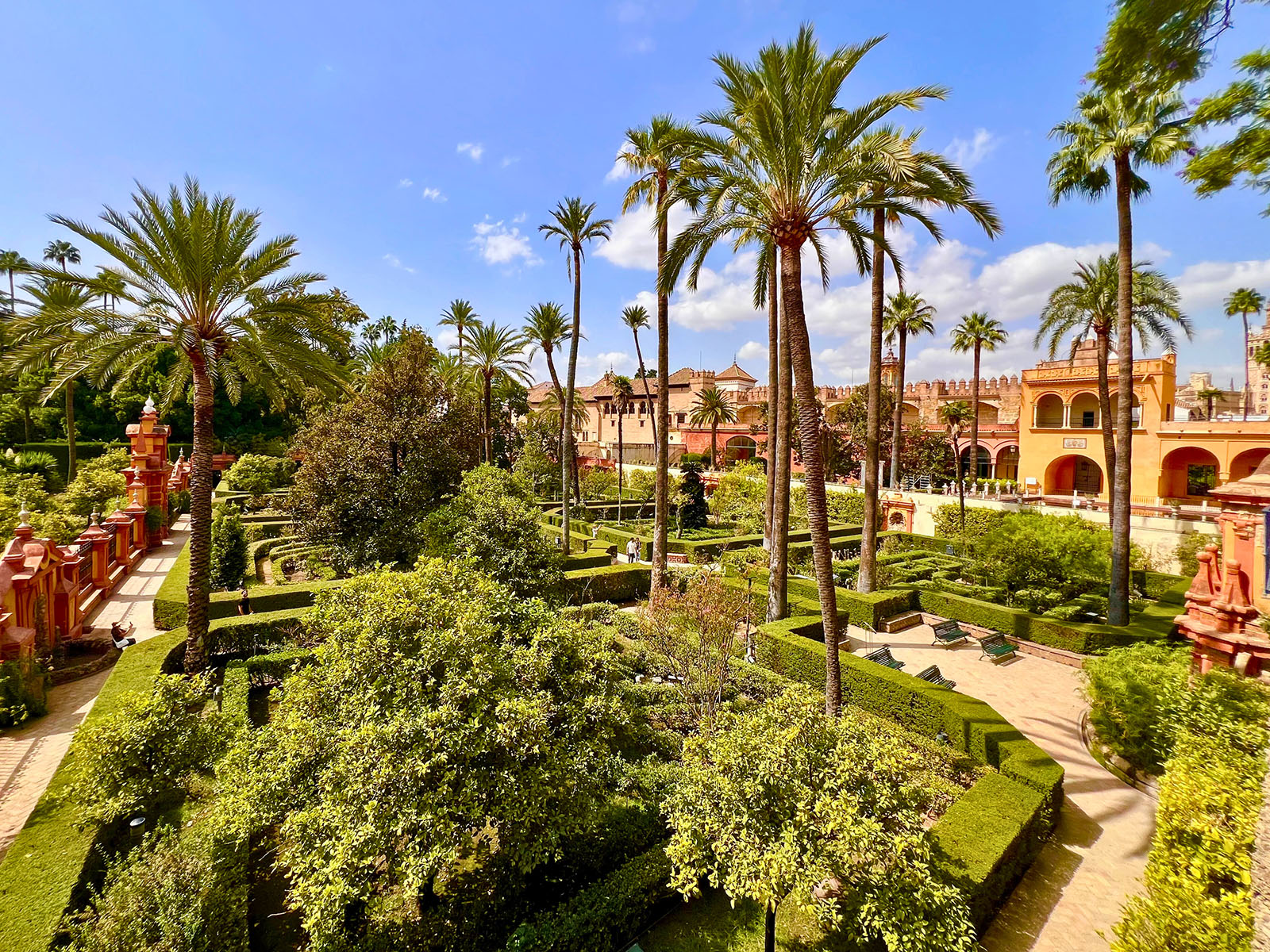
Enter the Patio de Banderas through the gate near the Alcázar. Formerly the courtyard of the Muslim fortress, this square is now public and offers a picture-postcard view of the Giralda and the Cathedral's rooftops, with the palace walls below. It's a viewpoint often overlooked by tourists in a hurry.
Leave the patio and head towards the Santa Cruz neighborhood.
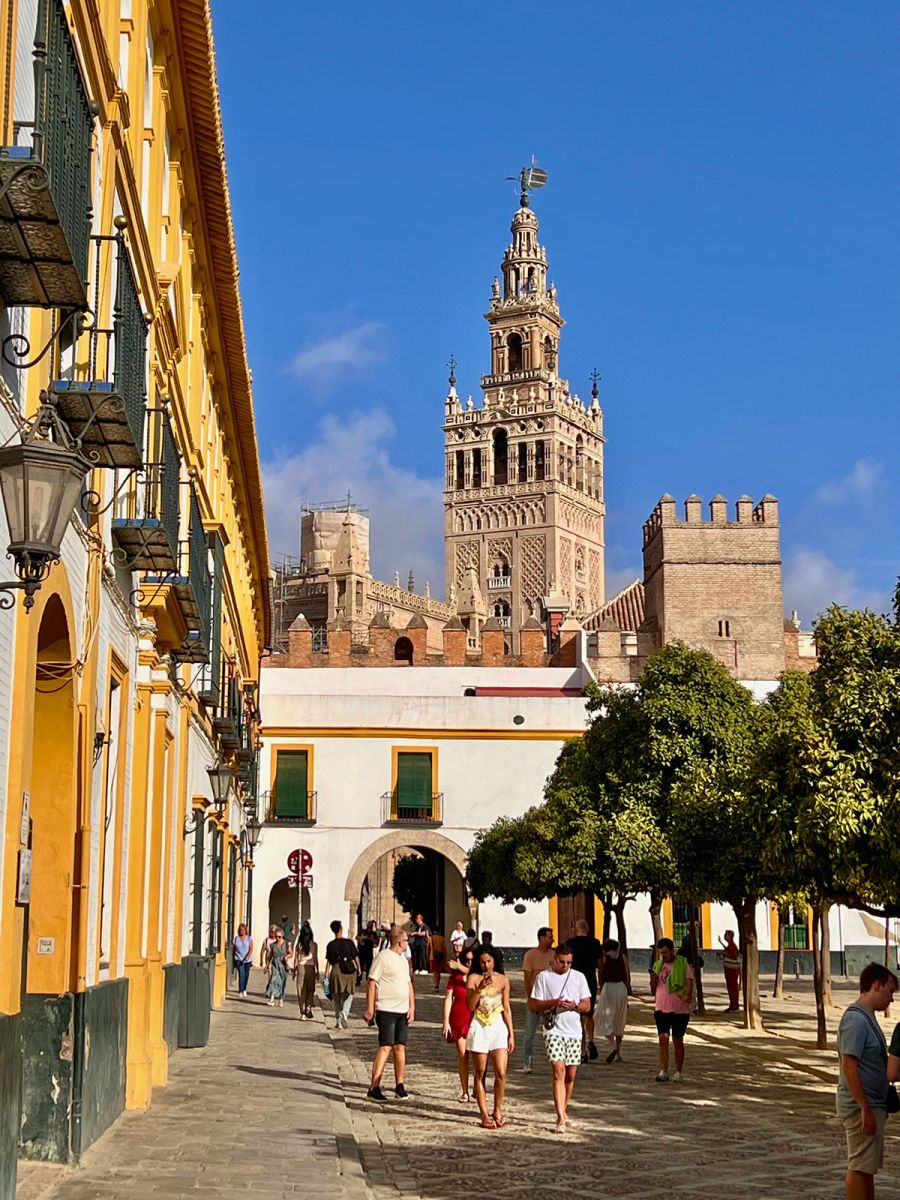
📍 Step 3: The Jewish Quarter's Cooling Tunnel
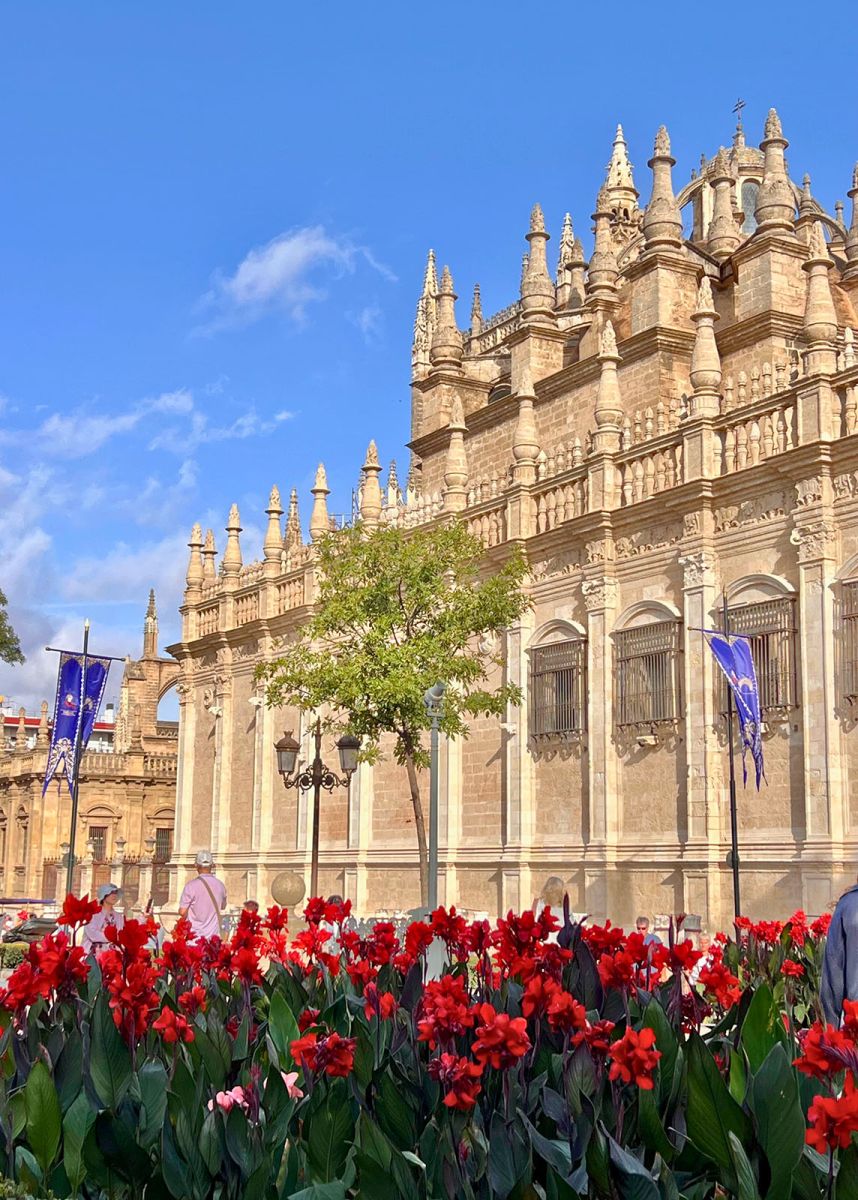
Venture down the narrow, shaded alleyway of Calle Callejón del Agua, which runs alongside the outer wall of the Alcázar gardens. Its name comes from the small (now vanished) aqueduct that once flowed through it. The coolness is palpable, and the walls are adorned with climbing plants and flowers. It's an immediate immersion in the timeless charm of Santa Cruz.
📍 Step 4: A peaceful break in Santa Cruz
After zigzagging through the neighborhood's labyrinthine streets, you arrive at the Plaza de Santa Cruz, lined with orange trees and azulejo-tiled benches. The central point is the wrought-iron cross that gives the neighborhood its name. It's the perfect place to sit for a few moments and listen to the echoes of the narrow streets.
📍 Step 5: The Murillo Gardens
Leaving the Plaza de Santa Cruz, you'll reach the Murillo Gardens, located along the walls of the Alcázar. These former royal gardens were gifted to the city and named after the famous Sevillian painter. This majestic park, with its palm-lined avenues and decorative fountains, offers a peaceful transition between the density of the city center and the open spaces.
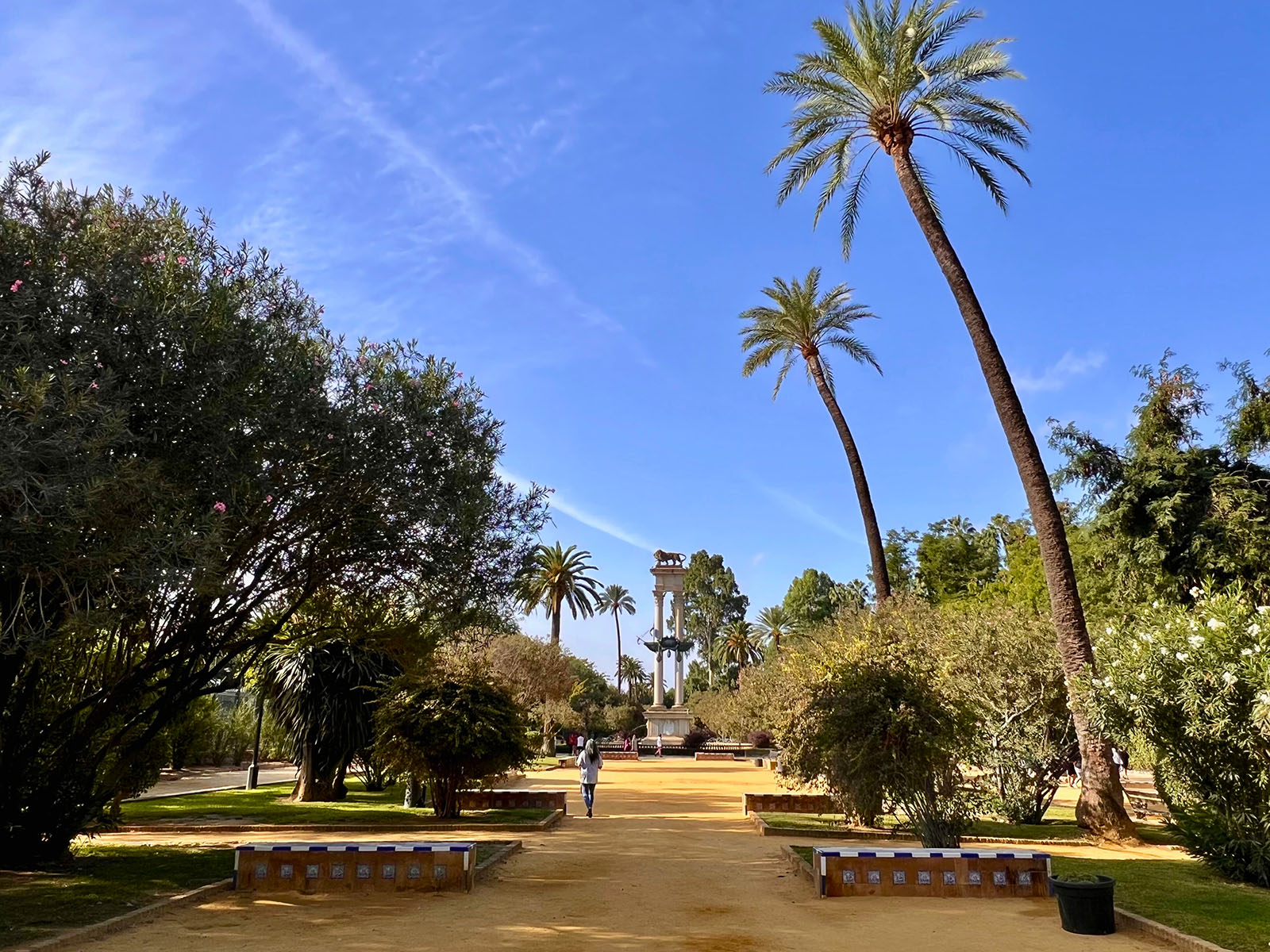
📍 Stage 6: Heading towards the Guadalquivir
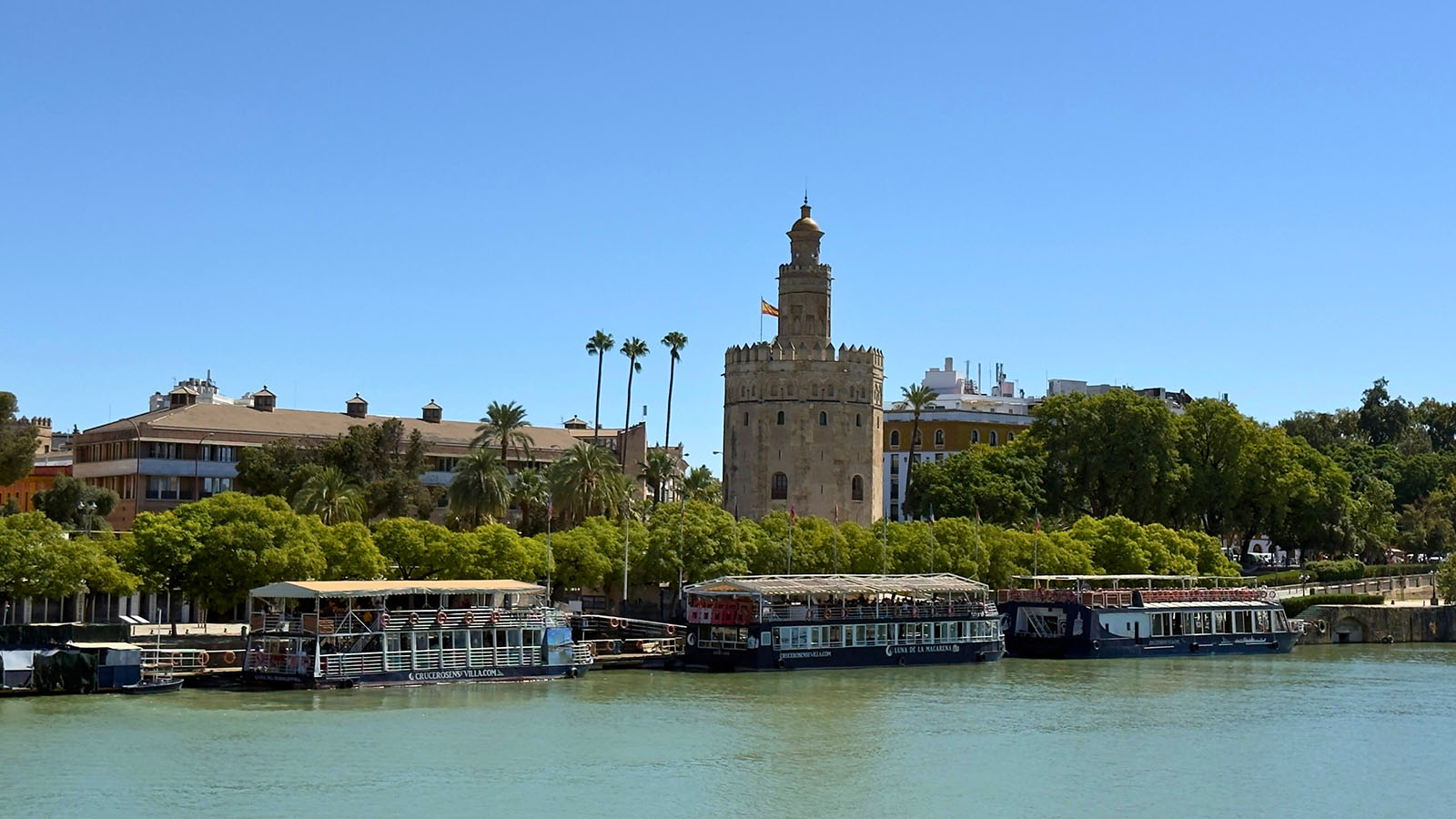
Cross the main avenues and walk towards the Guadalquivir River. The Torre del Oro is a remnant of the Almohad fortifications, recognizable by its light color and strategic position on the water's edge. It symbolizes Seville's commercial past as a unique port in the New World.
📍 Stage 7: The Plaza de Toros de la Maestranza
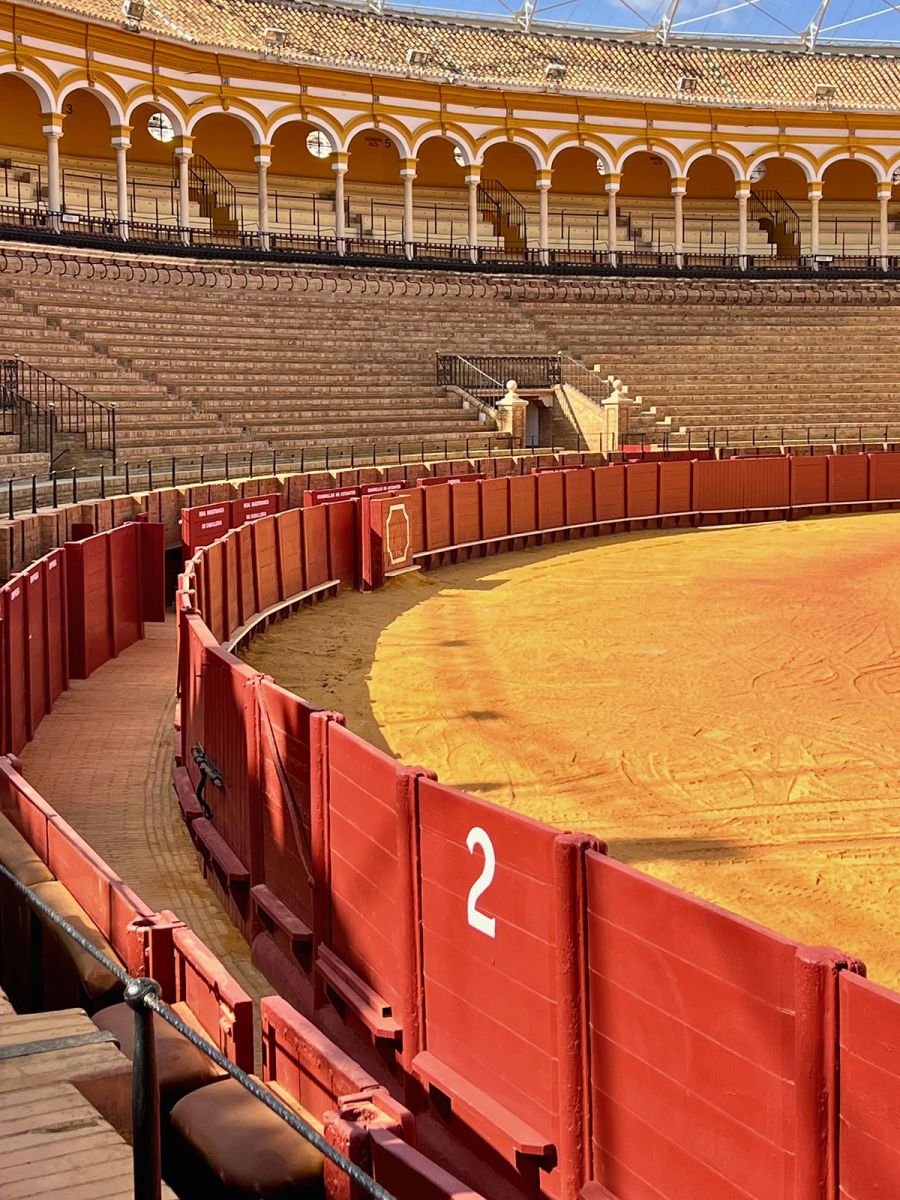
Head north along the river to reach the Plaza de Toros in the Arenal district. This bullring is among the oldest and most important in Spain, a true temple of bullfighting. Even if you don't attend a bullfight, the building's Baroque architecture and a visit to its museum bear witness to a tradition deeply rooted in Andalusia.
This final step places you ideally to experience the most beautiful sunset over the river, looking towards the Triana bridge.
The north of the historic center
The northern part of the city center is a fascinating contrast to Santa Cruz. Here, the atmosphere is more working-class, the churches are Baroque gems, and history can be read in the ancient city walls.
📍 Step 1: Metropol Parasol
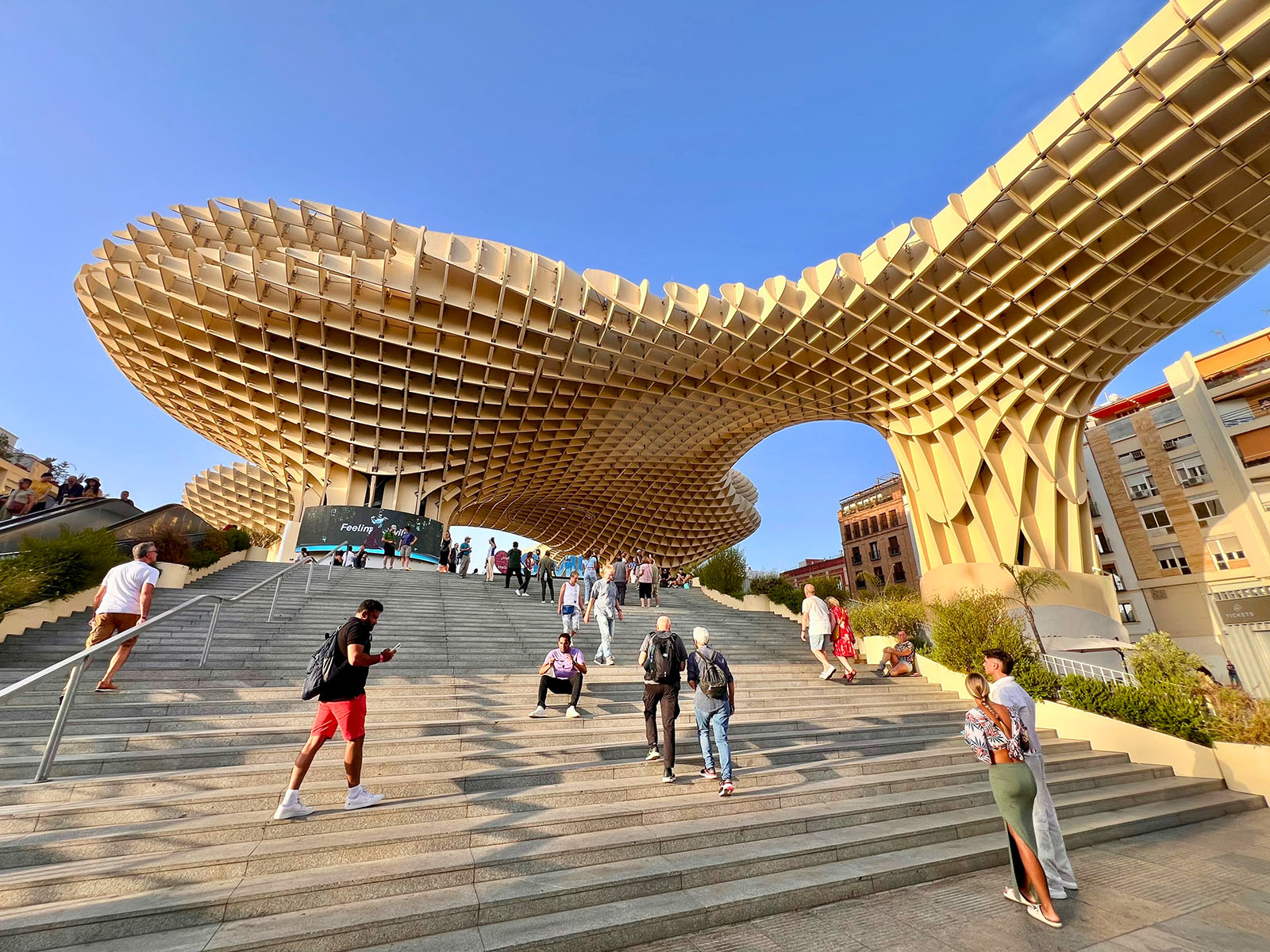
Start under the futuristic wooden structure that resembles a mushroom (“Las Setas” for Sevillians). Go down to the Antiquarium (in the basement) to see the Roman remains discovered during its construction – a striking contrast between ancient history and modern architecture.
📍 Step 2: Palacio de las Dueñas
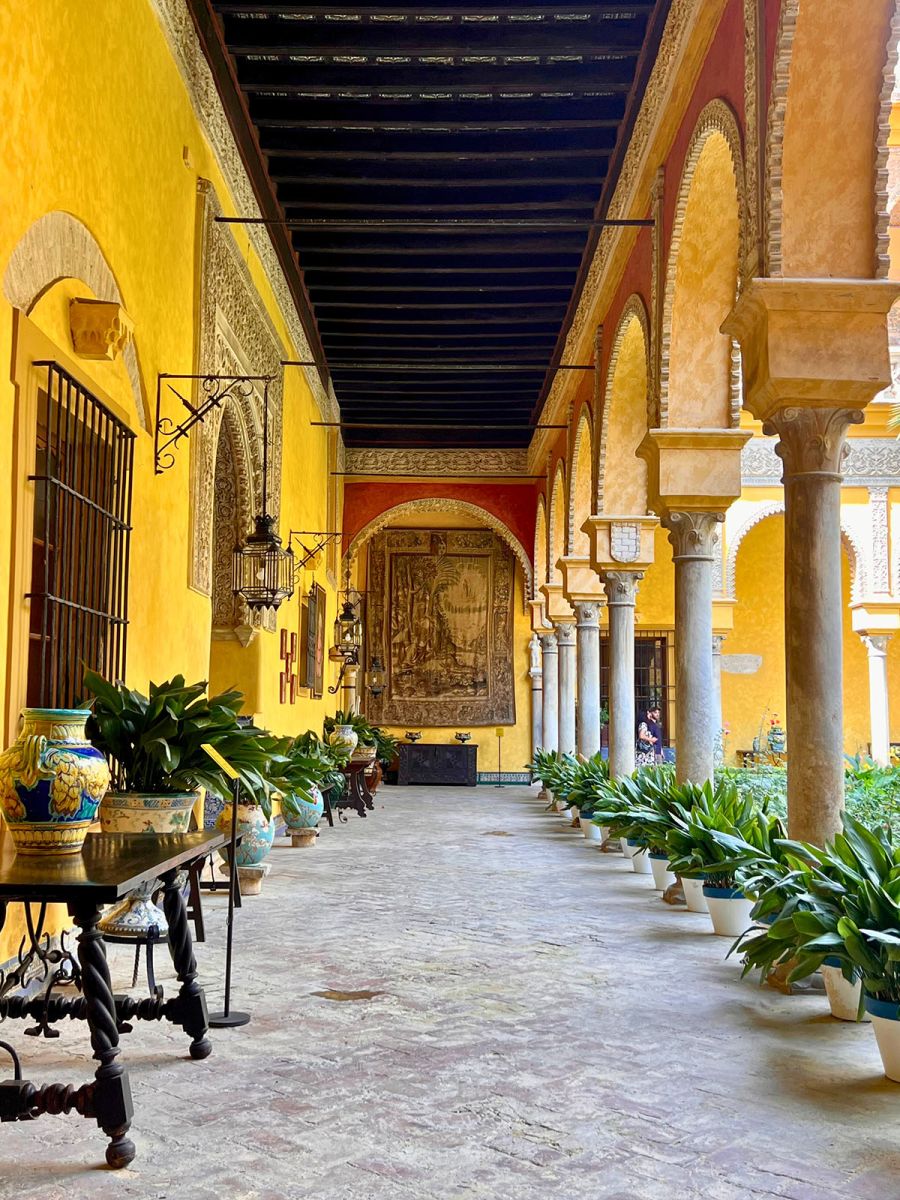
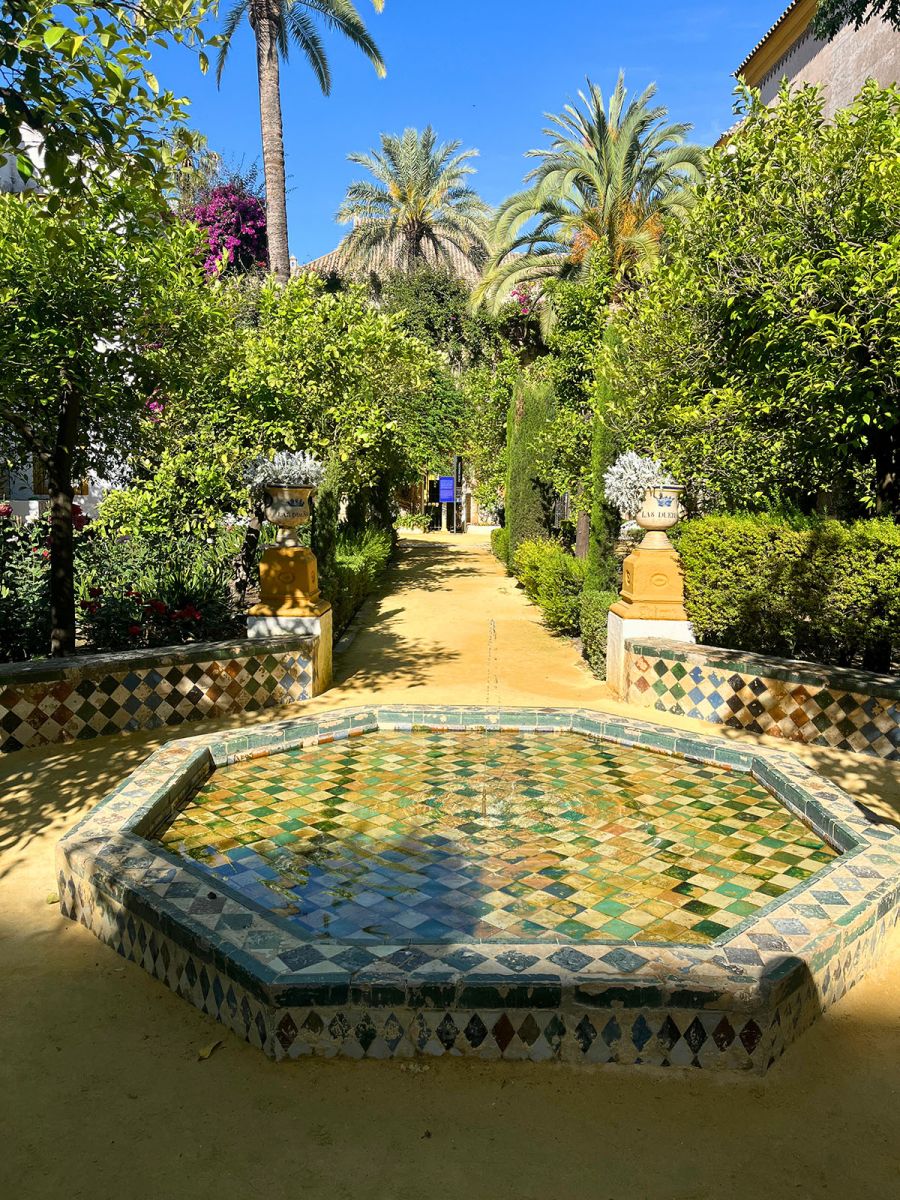
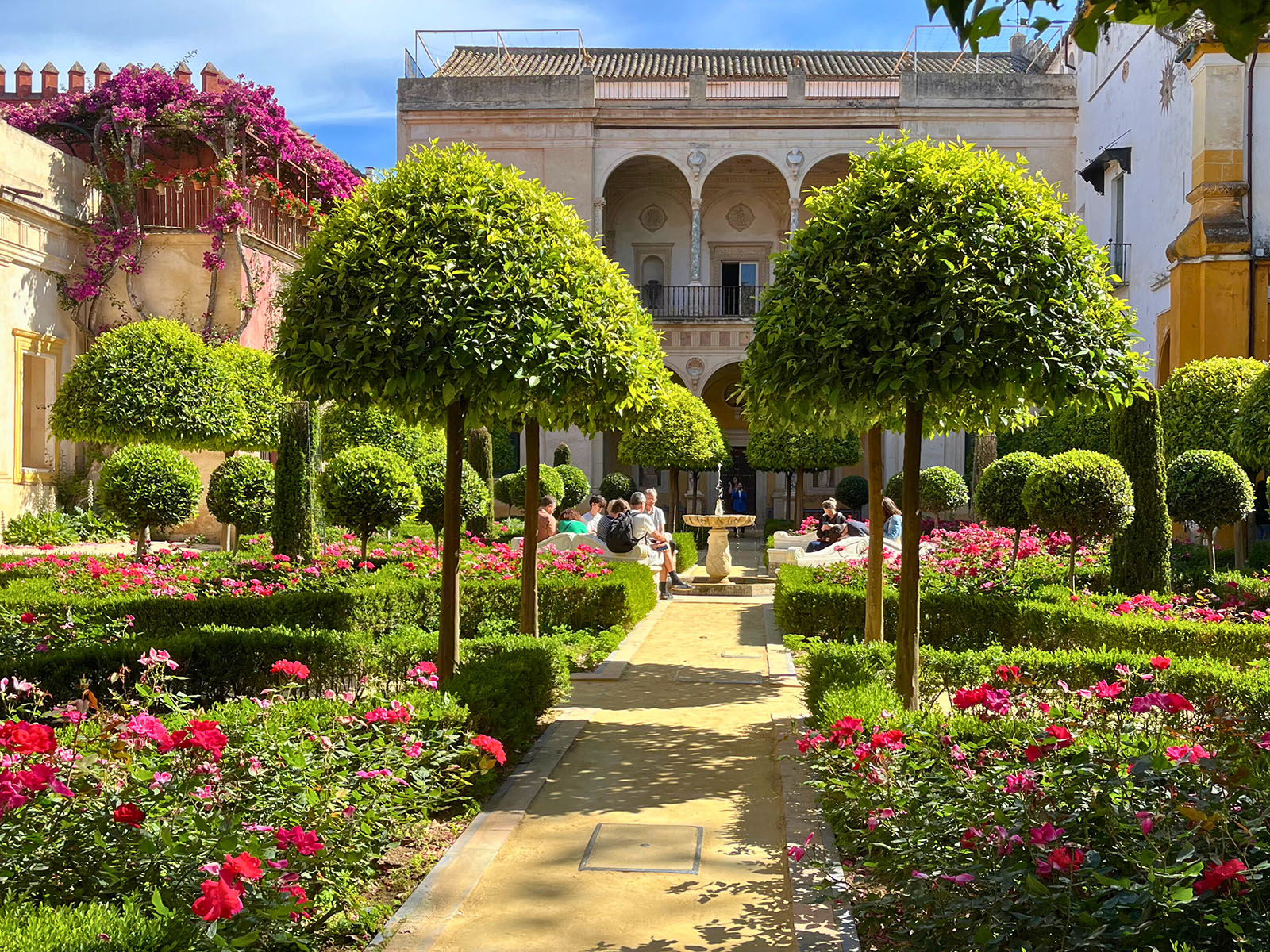
Just a few minutes from Les Setas, the Palacio de las Dueñas is the former residence of the Duchess of Alba and one of Seville's most beautiful palaces. Less visited than the Alcázar, it offers a rare tranquility and beauty with splendid patios and gardens. It represents the richness of the Sevillian Renaissance and Baroque styles.
📍 Step 3: Basilica of Jesus of the Gran Poder
Head towards the heart of the San Lorenzo district. The Basilica of Jesús del Gran Poder houses one of Seville's most important devotional figures: the statue of Jesús del Gran Poder (Jesus of Great Power). This religious icon is a major work of art during Holy Week, and its temple is a place of perpetual pilgrimage, offering a profound immersion into Sevillian religious fervor.
After this visit, walk east to reach the main thoroughfare of the Alameda.
📍 Stage 4: Alameda of Hercules
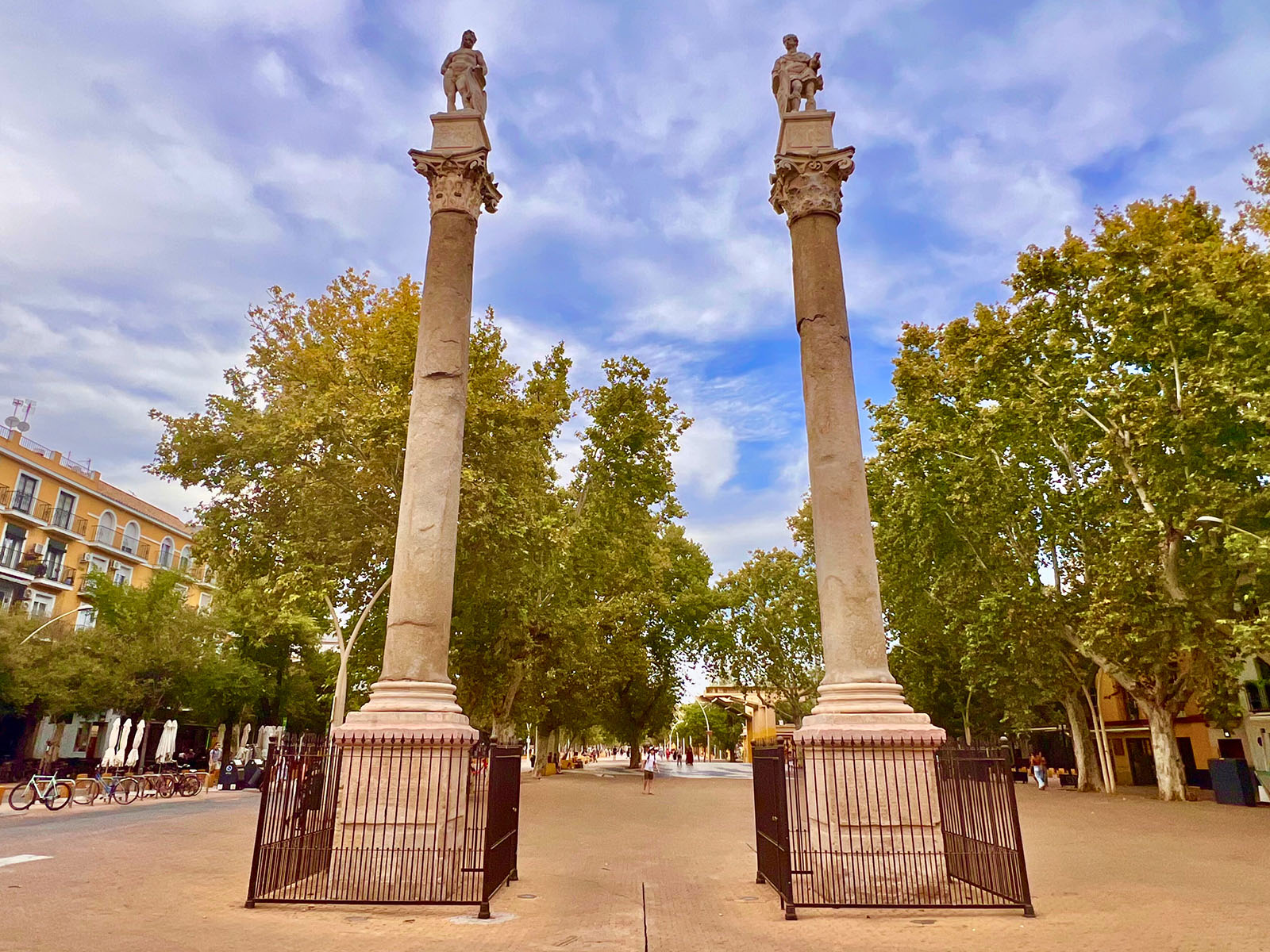
Flanked by two Roman columns and two columns crowned with lions, the Alameda de Hércules has become, in recent years, the symbol of Seville's bohemian and alternative district. If you're looking to party, it's very lively in the evenings with its numerous bars and restaurants.
📍 Step 5: Mercado de Feria
From the Alameda, head down Calle Feria. This covered market is one of the oldest in the city, located next to the Iglesia de Omnium Sanctorum. It offers a lively local atmosphere, ideal for sampling fresh produce or delicious tapas amidst the hustle and bustle of everyday life in Seville.
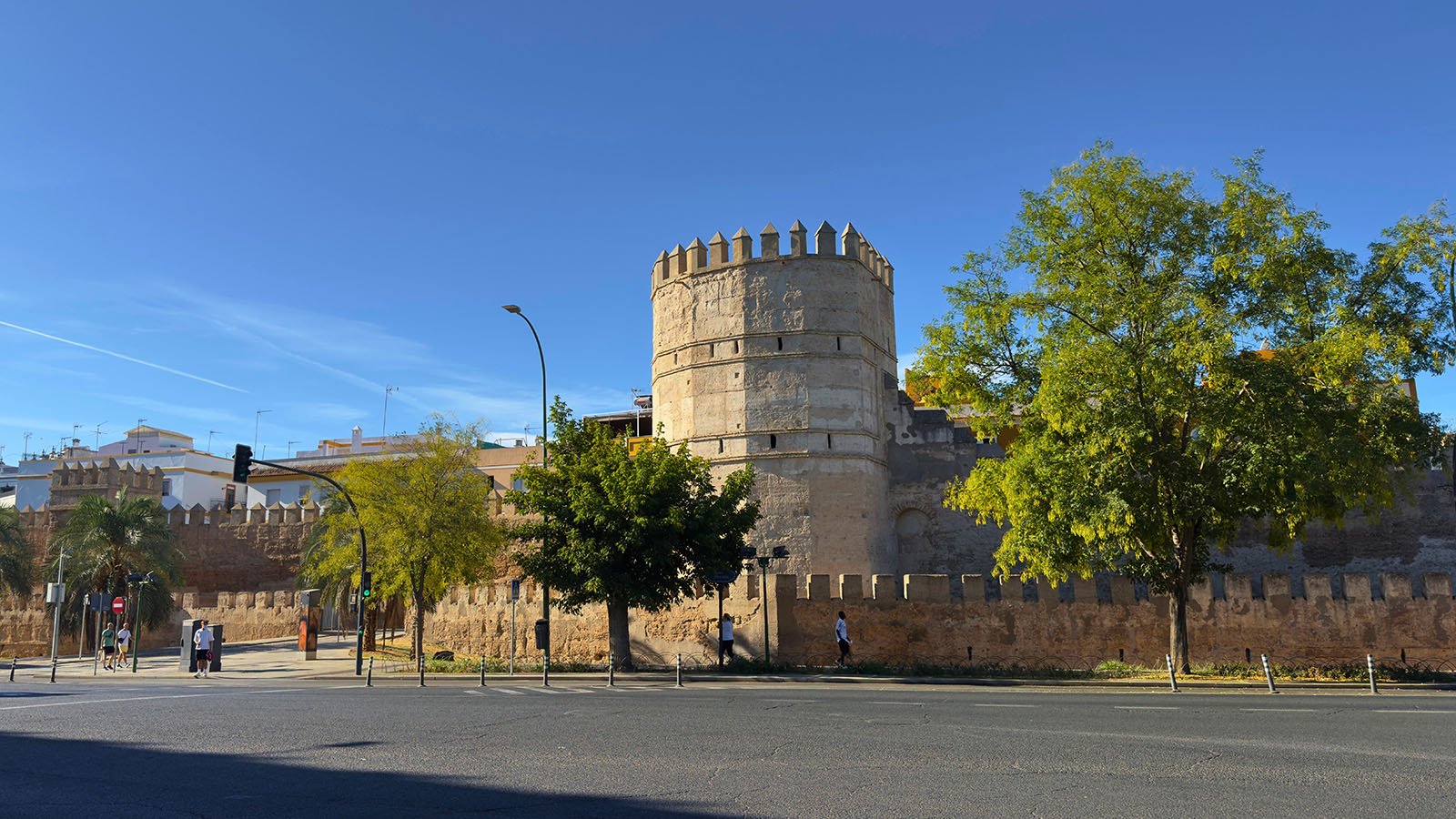
📍 Step 6: The Almohad Walls of the Macarena
Walk along the west side of the Parliament building to reach the historic city walls. The Almohad walls of La Macarena are a crucial remnant of Seville's medieval history. This section is the only significant part of the 12th-century walls still standing and visible, a testament to the period of Muslim rule.
Our practical tips for visiting the historic center of Seville
For a total immersion in the historic heart of Seville, it is essential to adopt the local rhythm and customs, especially in the face of the Andalusian climate.
Getting used to the sun in southern Spain
The first and most crucial piece of advice concerns managing the heat and crowds. It is highly recommended to begin visits to major monuments, such as the Alcázar and the Cathedral, very early in the morning, as soon as they open, or later in the evening. This will allow you not only to avoid the peak tourist season but, more importantly, the intense afternoon heat.
Moreover, planning ahead is key : remember to book your tickets online in advance for these major sites to guarantee your entry and avoid long queues that can waste precious time.
Keep up with the locals
Between 2:00 PM and 5:00 PM, follow the example of the Sevillians and observe the siesta. It's the perfect time to seek out the cool air. You can have lunch in restaurants, visit an enclosed, air-conditioned space like the Museo del Baile Flamenco or the Casa de Pilatos, or simply lose yourself in the narrow, shaded streets of Santa Cruz.
At the end of the day, the panoramic views regain their full splendor. Plan your ascent of the Giralda or the Metropol Parasol just before sunset for an unforgettable spectacle over the city's golden rooftops.
Logistics advice
The historic center of Seville is best explored on foot. The streets are often cobbled and distances can be long, so wearing comfortable and sturdy shoes is essential.
Let your instincts guide you, especially in the Santa Cruz district. The charm lies in not having to search for directions. If you do get lost, the Giralda is a constant visual landmark to help you find your way again.
From a cultural point of view, don't hesitate to be curious. Keep an eye out for the wrought iron gates that allow glimpses of the magnificent flower-filled interior patios, veritable private sanctuaries of Andalusian architecture.
Finally, during the unmissable tapas experience, prioritize authenticity by enjoying your tapas standing at the counter and don't forget to adopt a proper outfit and a respectful attitude if you visit the basilicas.
Accommodation in the historic center of Seville
After exploring the historic center of Seville from end to end, it's time to rest and find the best accommodation for you.
Top experiences
Caminito del Rey: a complete guide for an unusual experience in Andalusia